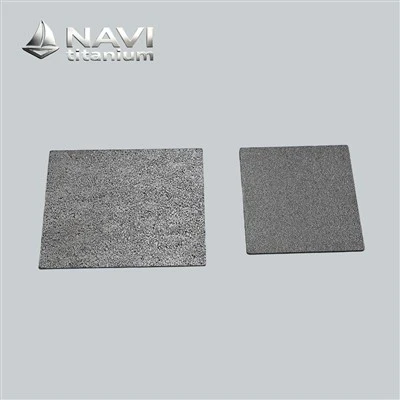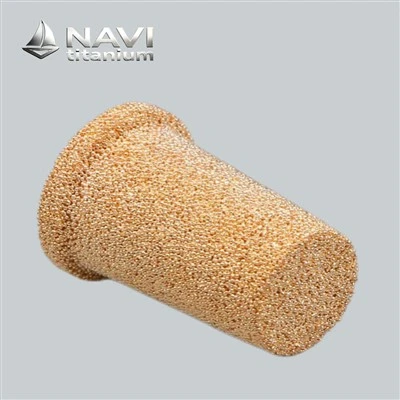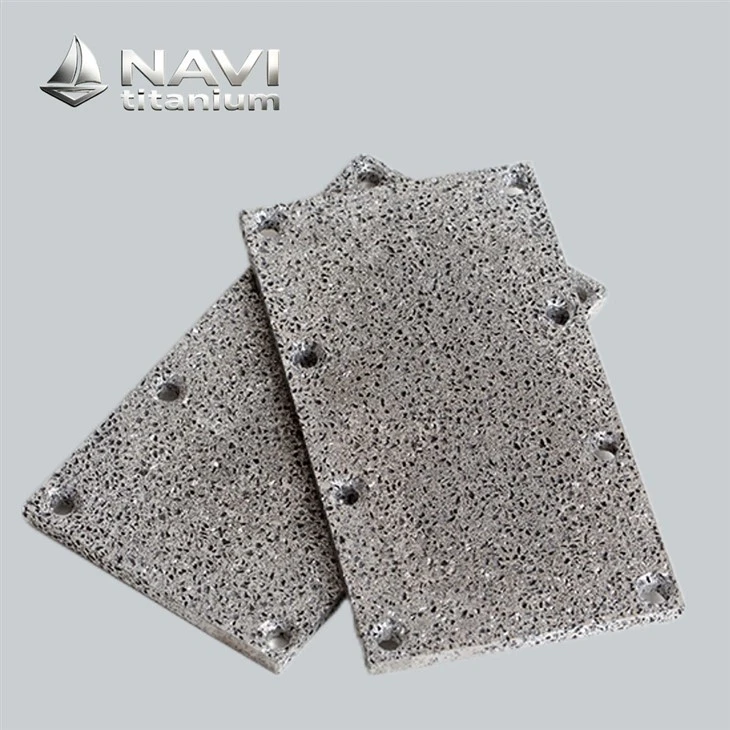
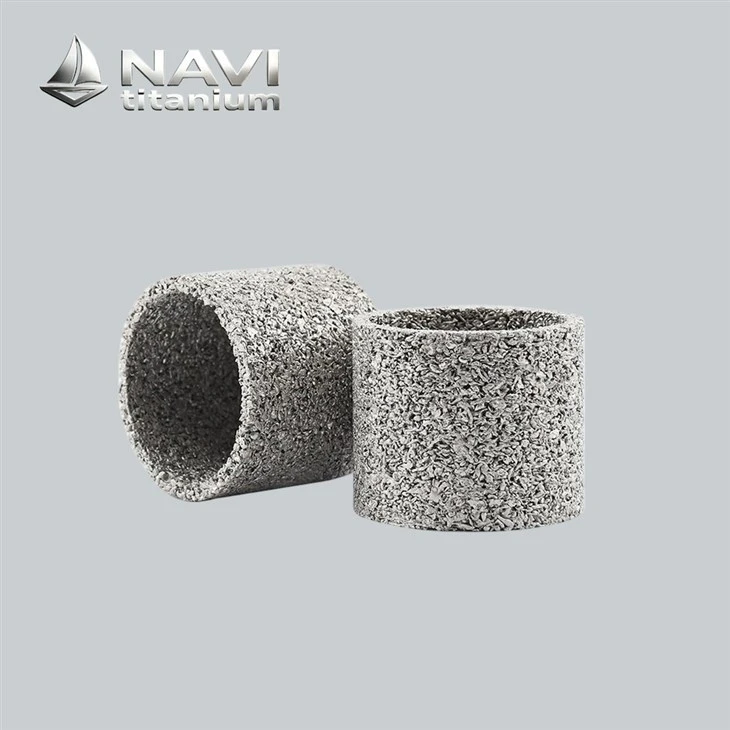

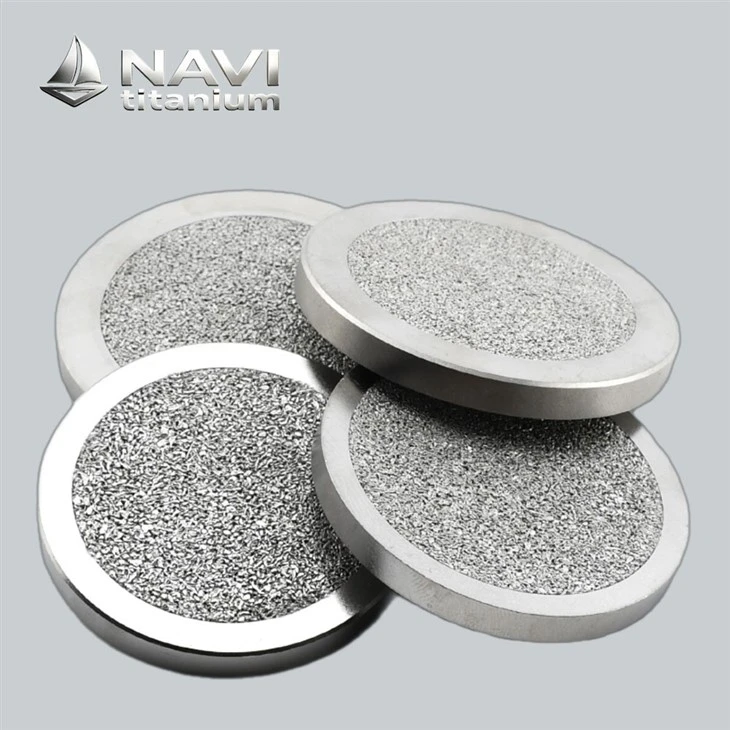

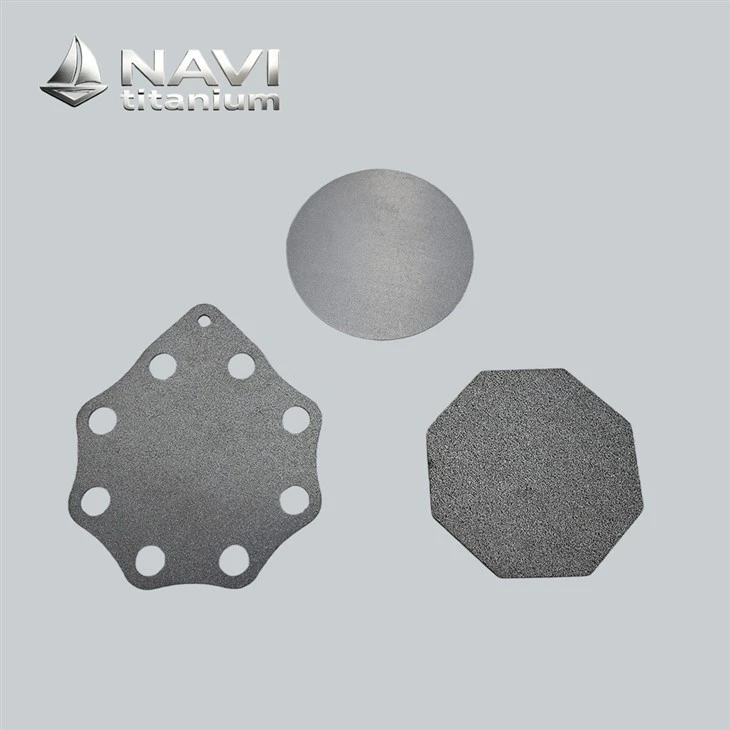
The sintered stainless steel filter is a high-precision porous metal filter element made using powder metallurgy technology, and is a core universal component in the field of industrial precision filtration. Widely covering more than 20 industrial fields such as chemical and petroleum refining, food and pharmaceuticals, water treatment and environmental protection, new energy semiconductors, etc., NAVI Titanium offers various structures such as discs, plates, tubes, rods, and shaped caps, with a minimum diameter that can be customized to 1mm and a maximum customized length of up to 2 meters, suitable for special installation spaces in various industrial equipment. If you have any requirements, please feel free to email us at any time. Our engineers will provide one-on-one customized solutions to meet your needs.
Solution of NAVI Titanium
As a complete internal source factory, NAVI Titanium produces products in two major categories: stainless steel and bronze components. In terms of material, stainless steel is divided into 316L, alloy, Hastelloy, and so on; Bronze is divided into brass, bronze, etc. Each material contains different parameters, please refer to the following for details:

These parts feature evenly distributed open pores that resist acid and alkali corrosion, while maintaining full biocompatibility. Since porosity is precisely locked during the pressing stage rather than derived from raw material properties, filtration accuracy, air flow rate and overall throughput can be fully adjusted for each specific working condition. The elements can be fully restored via standard backwashing after use, and the full performance range is clearly listed in the specification table below.


Tubes, candle components, conical baskets, domed caps, stepped spargers, plate packs and irregular inserts are all formed here. Send STEP, IGES, or a dimensioned sketch on paper, and the outline is matched to vessel nozzles, tank bottoms, manifold blocks and tight installation gaps. Shell thickness, flange position and thread are set together with the shape.


Purchasing guide

Quality control (QC)
Each batch produced by NAVI Titanium has a corresponding testing report, which specifies the batch, item number, product name, porosity, length, ASTM, and other relevant information. For the specific parameters you are concerned about, you can search on the table. Please click on the link below to view.

Manufacturing Process
Titanium is processed on dedicated production lines and never on tools that come into contact with steel. Eight steps are required before packaging NAVI Titanium.
ASTM-grade gas-atomised and hydride-dehydride powders are screened to the exact band that defines final pore size. All off-spec incoming batches are fully rejected, no blending allowed.
Charging and pressing run in a segregated, titanium-only bay with dedicated tooling. Physical separation from stainless steel lines eliminates carbon steel cross-contamination, the top cause of titanium rust bloom.
Simple plates and discs are die-pressed, while deep cones and long tubes use cold isostatic pressing for even wall density. Every green part's density is recorded, as it directly controls sintering shrinkage.
Titanium parts are sintered exclusively in high vacuum, never in hydrogen or dissociated ammonia that causes embrittlement. The dedicated titanium furnace eliminates cross-alloy carry-over, with full process data logged per tray.
Sintered parts are sized and faced with low-speed carbide tooling, avoiding heat-induced titanium work hardening and smearing. Warped parts are corrected via a second sizing pass, no forced straightening.
End caps, flanges and spigots are welded in an argon-purged chamber with trailing shields. Welds must stay bright silver; any straw or blue discolouration triggers full rejection.
Parts are pickled, DI water rinsed and passivated to restore the protective titanium oxide film. Biomedical and food-contact units get an extra clean-room wash to remove all loose residual particles.
Bubble point, permeability, wall thickness and pressure hold results are logged against each batch's unique heat number. Cushioned sealed packaging prevents titanium-on-titanium fretting, all records retained for 5 years.
Core scenarios
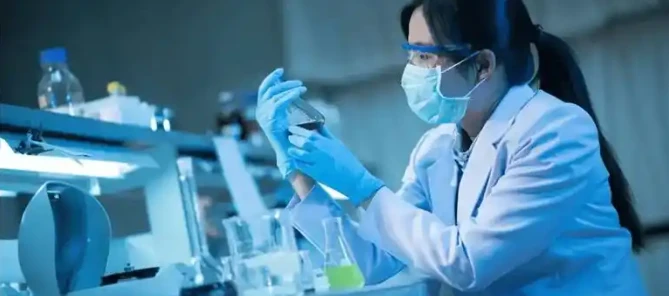
Chemical and petroleum refining scenarios: resistant to weak acid and alkali corrosion, high temperature and high pressure, suitable for precision filtration of chemical fluids, catalyst recovery, and high-temperature gas dust removal. Compared with traditional fiberglass/polymer filters, the service life is increased by 5-10 times, greatly reducing downtime losses caused by filter replacement.
Food and pharmaceutical scenario: Made of 316L food grade material, with no risk of medium detachment, capable of repeated high-temperature steam sterilization and regeneration, fully compliant with GMP production standards, suitable for drug sterilization and filtration, as well as precise clarification and filtration of beer/beverages.
Water Treatment and Environmental Protection Scenarios: Resistant to high suspended solids impact, with a pollutant holding capacity more than three times that of ordinary woven nets, capable of repeated backwashing and regeneration, reducing filtration costs by more than 60% throughout the entire lifecycle, suitable for deep treatment of industrial wastewater and precision filtration of recycled water.
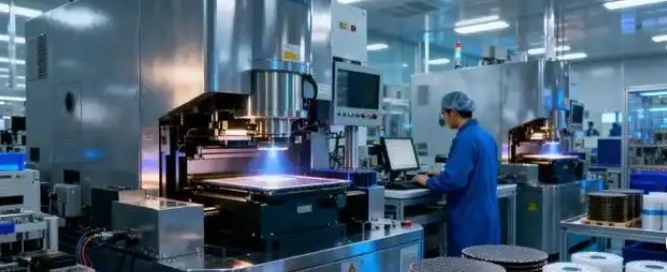
New Energy and Semiconductor Scenarios: Pore uniformity error ≤ 5%, high fluid distribution stability, suitable for high demand scenarios such as PEM hydrogen electrode support and special gas filtration in semiconductor factories.
Basic Definition and Core Principles
Sintered stainless steel filter uses 304/316L stainless steel powder as raw material, and forms an internally connected uniform porous structure through cold isostatic pressing and high-temperature vacuum sintering.
Core manufacturing process
Raw material screening:
Select food grade/industrial grade stainless steel powder that meets ASTM standards, and precisely control the particle size range of the powder
Integrated molding:
The powder is pressed into a predetermined shape through cold isostatic pressing technology, without additional skeleton support.
Vacuum sintering:
Metallurgical bonding of powder particles is completed in a high-temperature vacuum environment without the addition of binders throughout the process.
Post processing and quality inspection:
Perform electrolytic polishing and passivation treatment as needed, and conduct full batch testing for pore uniformity and pressure resistance performance.
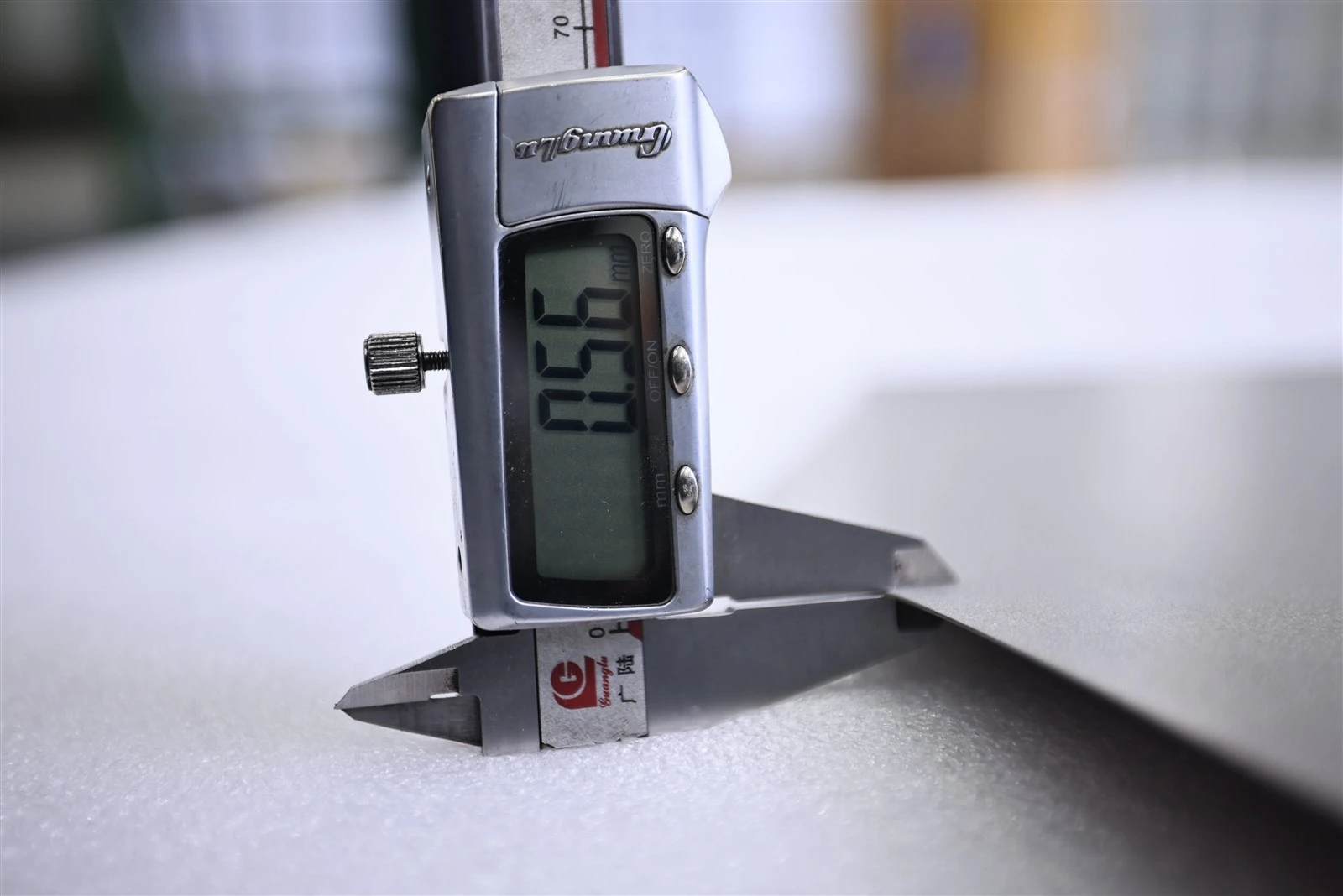
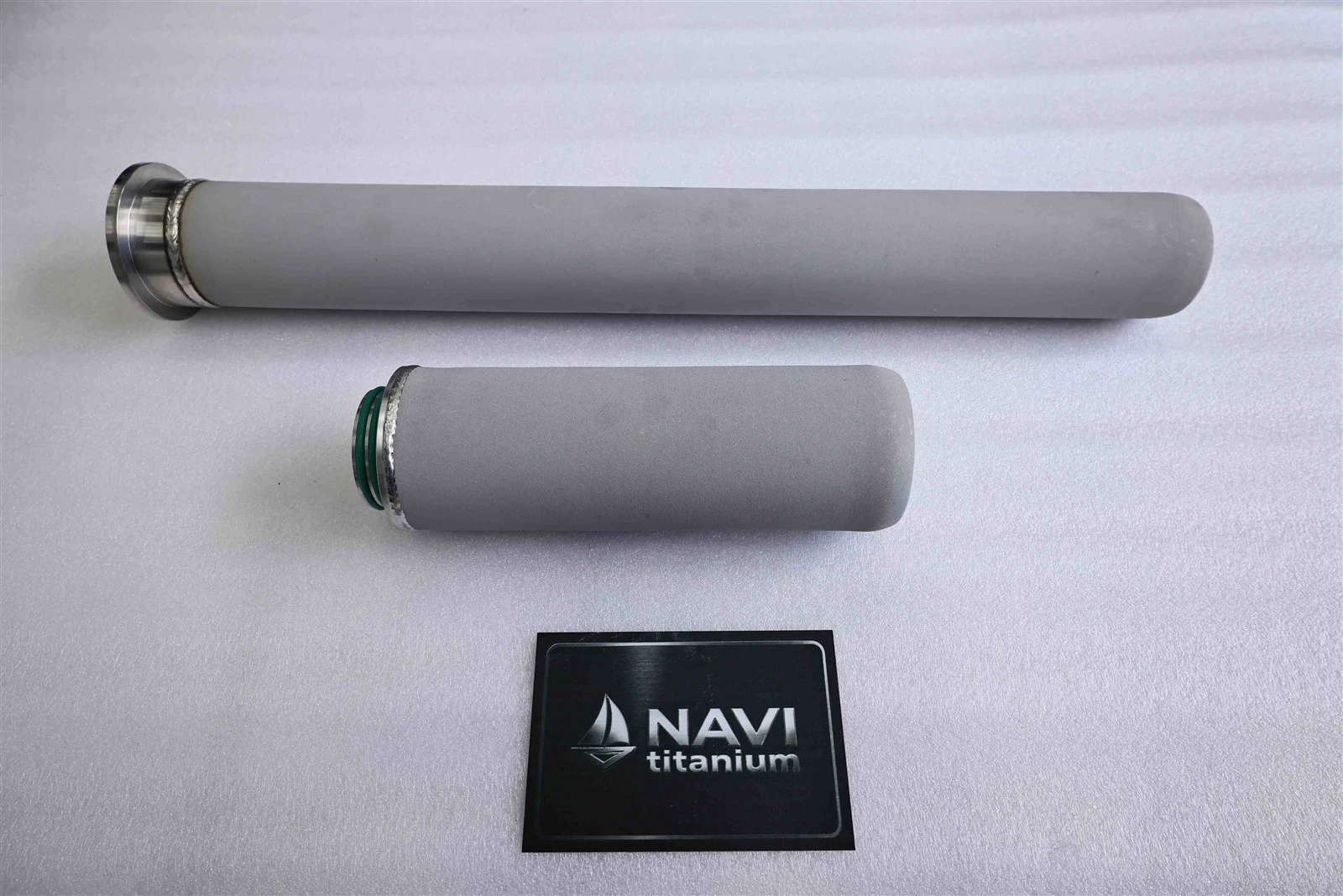


Core intrinsic performance
Wide precision coverage:
The filtering accuracy range is 0.5 μ m~200 μ m, the pore size distribution is uniform, and the filtering efficiency can reach up to 99.9%
High mechanical strength:
Shear strength ≥ 20Mpa, able to withstand working pressure difference of 1.6MPa or more, without additional skeleton and without deformation or damage
Excellent weather resistance:
316L material has a long-term temperature resistance of ≤ 420 ℃, and the high-temperature 310S can withstand temperatures up to 750 ℃. It can operate stably for a long time under weak acid and weak alkali corrosion conditions.
Renewable reuse:
Supports multiple regeneration methods such as backwashing, ultrasonic cleaning, gas blowback, etc., can be repeatedly cleaned and used more than 100 times, and the total lifecycle cost is much lower than that of polymer filter cartridges
NAVI Titanium Sintered Stainless Steel Filter Parameters
| Parameter Item | Detailed Specification |
| Full Product Name | Sintered Stainless Steel Filter |
| Core Material | 316L / 304 stainless steel powder, strictly conforming to ASTM material standards |
| Available Shapes | Disc, plate, tube, rod, cap-shaped irregular parts, full customization supported |
| Filtration Accuracy Range | 0.5μm ~ 200μm, adjustable through powder particle size and sintering process |
| Maximum Operating Temperature | Up to 600℃ in oxidizing atmosphere |
| Pressure Resistance | Up to 1.6MPa, can be customized for high pressure scenarios |
| Core Performance | Uniform pore distribution, no medium shedding, support over 100 times of backwashing regeneration |
| Standard Certification | Full manufacturing facilities certified to ISO 9001 quality system |
| Supported Custom Service | OEM/ODM full customization, exclusive finished product COA provided for each order |
This data is for reference only
NAVI Titanium Differentiation Advantage Module:
Full process independent production:
Quality control throughout the entire process from powder raw materials to finished product sintering, with pore uniformity deviation controlled within 5% for each batch, far exceeding the industry average deviation level of 15%.
01
Support full shape customization:
Customized irregular filter elements that can adapt to customers' special installation spaces, and provide integrated design services for sealing interfaces and connection ends.
02
Full cycle cost advantage:
Supports regeneration and repair services after product failure, while providing guidance on backwashing processes to help customers reduce long-term consumable costs by more than 60%.
03
Leading delivery efficiency in the industry:
Standard specifications can be shipped within 72 hours, and non-standard customized delivery cycles are 40% shorter than the industry average, quickly responding to urgent project needs from customers.
04
FAQ
Q: What is the service life of sintered stainless steel filter?
+
-
A: Under normal working conditions, the service life can reach 3-5 years, 5-10 times longer than traditional polymer filter elements. The actual service life depends on working medium, temperature, pressure and cleaning frequency.
Q: Can sintered stainless steel filters be reused after cleaning?
+
-
A: Yes. It supports multiple regeneration methods such as backwashing, ultrasonic cleaning, and gas back-blowing, and can be regenerated and used more than 100 times, which greatly reduces the long-term filtration cost.
Q: What is the difference between sintered stainless steel filter and woven wire mesh filter?
+
-
A: Sintered stainless steel filter has higher mechanical strength, more uniform pore size distribution, no silk thread shedding risk, and better high temperature and pressure resistance. Its filtration stability is far better than woven mesh filter.
Q: Can you customize special-shaped sintered stainless steel filters?
+
-
A: Yes. We support full customization of shape, size, filtration precision and interface form according to customer drawings and working condition parameters. Our senior engineers will provide targeted solutions within 48 hours.
Hot Tags: sintered stainless steel filter, China sintered stainless steel filter manufacturers, suppliers, factory, depth porous metal filter, industrial sintered porous metal filter, Sintered Bronze Filter, Sintered Metal Filter Cartridge, Sintered Porous Metal Filter, Sintered Powder Filter Cartridge