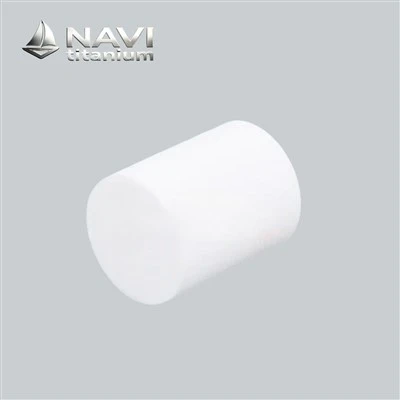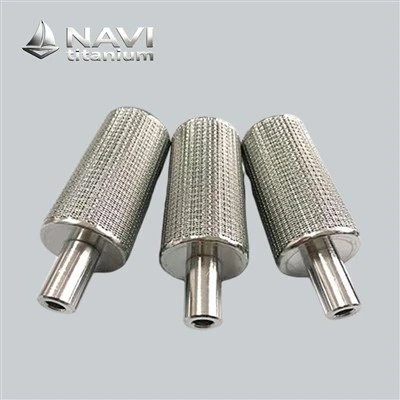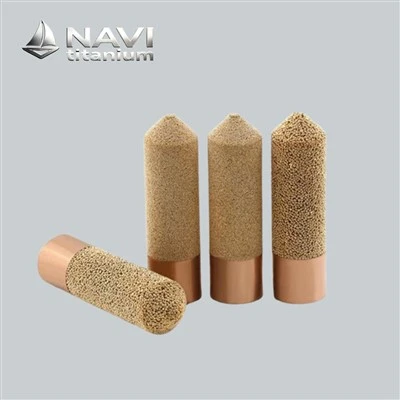

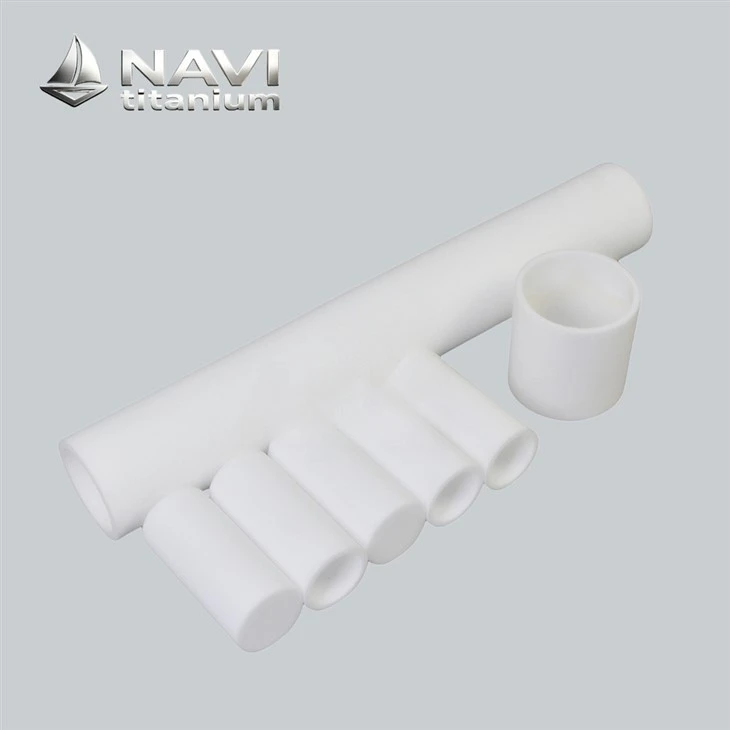
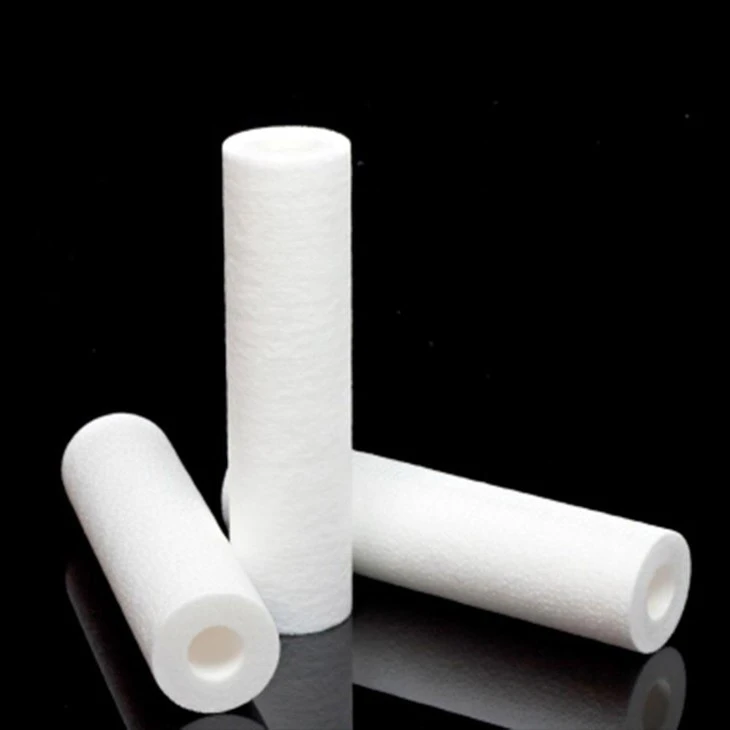
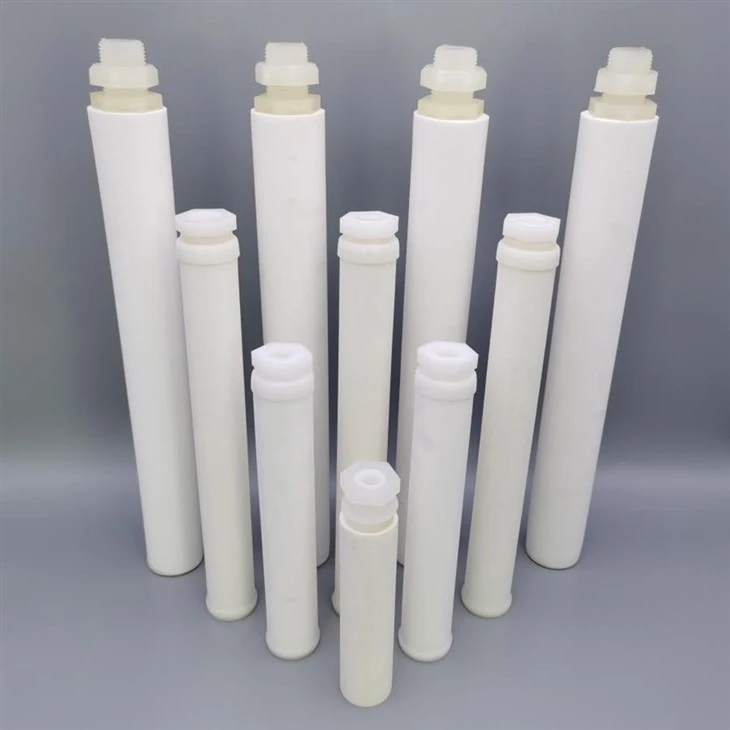
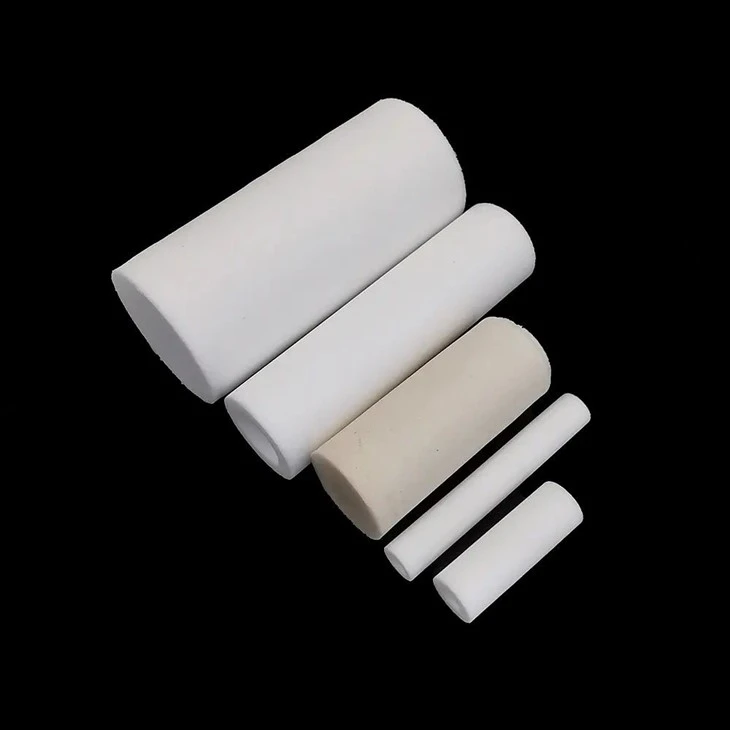
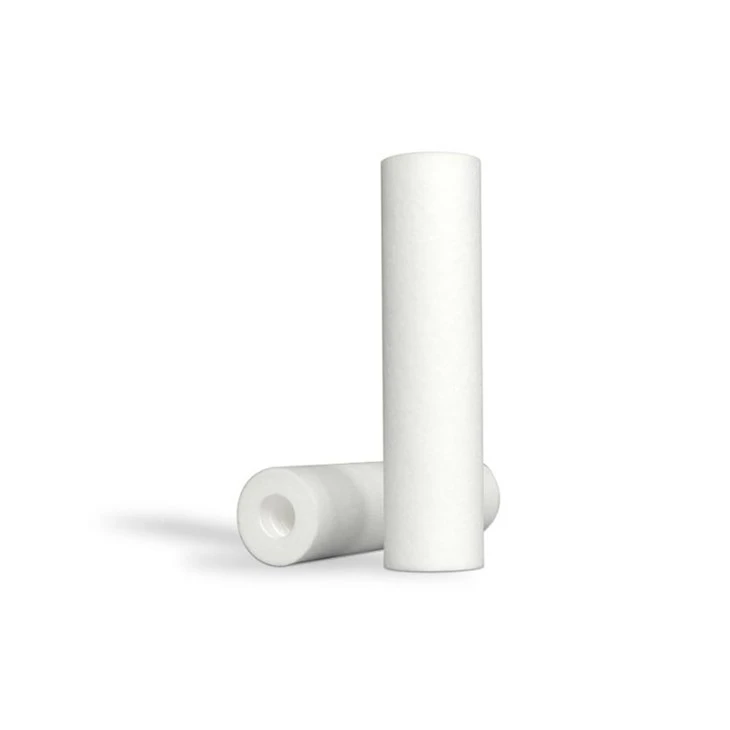
NAVI Titanium supplies sintered polypropylene for demanding gas and liquid handling applications. Since its early production stage, the company has progressively upgraded thermal processing, molding, inspection, and finishing capabilities, moving from basic workshop arrangements toward controlled production lines. Brand development followed a similar path: broader product coverage, clearer technical documentation, stronger quality records, and systematic project communication gradually shaped the identity. This history gives buyers a basis for evaluating capability, consistency, customization experience, and long-term cooperation.
Solution of NAVI Titanium
NAVI Titanium has built its product development around material engineering, application-specific design, and controlled manufacturing rather than treating each component as a standalone catalog item. Since its establishment in 2008, the company has expanded from titanium-based electrochemical products into a broader portfolio covering porous materials, customized components, coating technologies, and precision processing. Its manufacturing and R&D capabilities cover material selection, forming, thermal processing, surface treatment, dimensional inspection, and application-oriented customization, allowing product specifications to be evaluated against actual operating conditions rather than nominal dimensions alone.
The table below provides buyers with a structured reference for comparing different product configurations and identifying the most suitable option for a particular industrial system.


NAVI Titanium applies controlled polymer processing to produce polypropylene forms with carefully defined permeability, surface characteristics, and dimensional profiles. Material behavior is governed by resin grade, thermal history, particle bonding, and internal passage geometry.


Application
NAVI Titanium supplies sintered polypropylene for food and beverage processing and chemical processing, where hygiene, chemical compatibility, cleanability, thermal exposure, and long-term service intervals are key selection factors.
Food and beverage processing places unusual demands on polymer-based flow-control materials because repeated contact with liquids can turn minor material characteristics into sanitation and maintenance concerns. For this reason, polypropylene is often considered where low moisture uptake and broad chemical resistance are required. Its nonpolar molecular character limits water absorption, while the absence of readily reactive groups reduces the likelihood of significant interaction with many aqueous formulations. Extractables therefore become an important purchasing criterion: resin grade, processing history, thermal exposure, and additive selection should be reviewed alongside the intended liquid chemistry. Cleanability requires equal attention. Repeated rinsing, alkaline cleaning, and controlled sanitizing cycles can subject the material to changing pH, temperature, and pressure conditions. Dimensional retention after these cycles matters because changes in the internal passage geometry can alter flow resistance and throughput. For procurement teams, a meaningful evaluation should therefore consider hygiene requirements together with chemical compatibility, cleaning frequency, thermal exposure, and expected replacement intervals rather than judging material suitability from nominal specifications alone.

Long-Term Process Economics

Chemical processing places greater emphasis on how a polymer responds to prolonged exposure rather than its initial mechanical characteristics. Polypropylene is valued in many chemical applications because its nonpolar molecular backbone offers broad resistance toward numerous acids, alkalis, salts, and aqueous reagents. Yet compatibility should never be judged from chemical names alone. Concentration, temperature, exposure duration, pressure differential, and repeated thermal cycling can alter the practical service interval. Temperature deserves particular attention because elevated heat can accelerate molecular relaxation and dimensional change, potentially modifying internal passage dimensions and flow resistance over time. The interaction between chemical exposure and thermal loading is therefore more informative than either variable considered independently. For purchasing teams, material selection should also account for cleaning frequency and the cost associated with process interruption. A lower initial purchase price may have little economic value if frequent replacement is required. Conversely, a suitable polypropylene grade from NAVI Titanium can reduce maintenance frequency when its chemical compatibility, and expected service interval are matched carefully to the actual process.
Purchasing guide

Quality control (QC)
For industrial buyers, product consistency is closely linked to the traceability of each manufacturing batch. NAVI Titanium incorporates batch-level inspection and documentation into its delivery process, allowing key material grades, dimensional results, coating or surface conditions, and specified performance data to be checked against the agreed technical requirements. This documentation also creates a practical reference for incoming inspection, production records, repeat purchasing, and quality review. For customized orders, drawings, material requirements, inspection criteria, and shipment records can be coordinated as part of the project documentation, giving procurement and engineering teams a clearer basis for evaluating delivered products.

Manufacturing Process
NAVI Titanium approaches polymer-based porous component manufacturing from a material-and-process perspective, with particular attention to powder characteristics, forming conditions, thermal behavior, dimensional stability, and the final functional requirements of the component. For industrial buyers, the manufacturing route is not simply a matter of heating polymer particles; particle distribution, filling uniformity, thermal exposure, cooling behavior, and subsequent machining can all influence the final internal structure and dimensional consistency. Research on polypropylene powder processing also shows that particle morphology, particle-size distribution, and the thermal processing window can significantly affect forming quality and dimensional accuracy.
Typical Manufacturing Flow:
Raw Material Selection → Powder Preparation → Particle Classification → Blending → Mold Filling → Pre-Compaction → Thermal Fusion → Controlled Cooling → Demolding → Precision Machining → Dimensional Inspection → Final Cleaning & Packaging


Transit Protection & Pre-Shipment Confirmation
A polypropylene part may encounter several thermal transitions between production and final receipt. A route can move from Factory → Truck → Warehouse → Port → Container → Ocean → Destination Port → Warehouse → Customer, exposing the material to daytime heating, nighttime cooling, refrigerated storage, and seasonal variation. These changes matter because enclosed moisture can cool below its dew point, creating condensation on surfaces.
Condensation: Cooling after warm storage can create droplets inside sealed packaging.
Moisture exposure: Repeated humidity changes may affect labels, outer barriers, and exposed surfaces.
Package sealing: Closures should limit uncontrolled moisture exchange while avoiding excessive trapped humidity.
Storage: Dry, shaded locations help reduce thermal cycling before installation.
Unpacking: Allowing a cold parcel to acclimate before opening can reduce condensation.
NAVI Titanium can consider transit duration, seasonal temperature ranges, and destination storage practices when defining the protective approach.

Packaging Confirmation

For overseas orders, confirmation before carrier handover gives buyers an auditable record of how each order was prepared. NAVI Titanium can organize the final stage as a traceable sequence. Each stage answers a purchasing question instead of becoming a generic shipping claim.
Final Production: Ordered dimensions and requested configuration are checked before release.
QC Inspection: Inspection records establish the basis for release.
Individual Packing: Each item receives suitable separation and surface protection to reduce contact damage.
Outer Packing: The outer layer is selected according to handling and storage duration.
Packing List: Quantity, identification, and order details are recorded for receiving teams.
Packing Photos: Images create a visual record before the order leaves the facility.
Buyer Confirmation: Purchasers can review preparation status before carrier collection.
Carrier Handover: The transfer closes the dispatch record and clarifies responsibility for onward transport.
Material Science Behind Polypropylene Selection
NAVI Titanium presents sintered polypropylene with material characteristics shaped by molecular architecture and crystallinity, helping buyers assess chemical compatibility, thermal response, dimensional retention, and long-term application suitability.
Polypropylene belongs to the thermoplastic polyolefin family, with a carbon–hydrogen backbone and pendant methyl groups that shape its chemical characteristics. Its largely nonpolar nature limits interaction with many aqueous and chemically active substances, which is one reason this resin is frequently considered for demanding liquid-handling duties. For buyers, however, resin identification alone is insufficient. Molecular weight, isotacticity, additive formulation, processing history, and temperature can all alter practical performance. Intermolecular attraction also affects stiffness, toughness, creep tendency, and the upper thermal boundary. Under elevated temperature or sustained mechanical loading, molecular chains gain mobility, gradually changing dimensional characteristics even when no visible chemical attack occurs. The purchasing decision therefore benefits from linking resin grade with actual concentration, exposure time, temperature, pressure differential, and expected service period. Rather than asking whether PP is simply "chemically resistant," procurement teams can assess whether its molecular characteristics remain appropriate throughout the intended operating window, particularly where repeated cleaning cycles or prolonged contact may place greater demands on the selected grade from NAVI Titanium.

Crystallinity and Molecular Mobility

Polypropylene is a semicrystalline polymer containing both ordered crystalline regions and less-ordered amorphous regions. Crystallinity affects how closely molecular chains are constrained and therefore has a direct relationship with stiffness, thermal response, and dimensional change. A higher crystalline fraction generally restricts molecular mobility, raising resistance to deformation under moderate thermal loading; excessive assumptions, however, should be avoided because orientation, molecular weight, cooling history, and formulation also affect the final characteristics. For procurement teams, the important relationship is crystallinity → stiffness → thermal response → dimensional change → service life. When temperature rises, amorphous regions permit greater chain movement, while crystalline regions retain their ordered arrangement until approaching the melting range. Repeated heating and cooling can gradually alter dimensions, particularly when external loads are sustained. This becomes commercially relevant when an item must retain a defined fit, flow path, or sealing interface over extended use. Evaluating crystallinity together with temperature exposure and mechanical loading gives buyers a more meaningful basis for comparing grades than relying on nominal resin descriptions alone.
PP–Fluid Interaction and Chemical Compatibility
Sintered polypropylene is a nonpolar thermoplastic whose carbon–carbon backbone gives it relatively low affinity for many ionic substances. For B2B buyers, chemical compatibility should therefore be assessed through molecular polarity, concentration, temperature, exposure duration, and pressure differential rather than through a simple"compatible/incompatible" label. NAVI Titanium evaluates the material according to the actual fluid environment, since the same grade may respond differently when concentration or temperature changes.
| Fluid category | Typical interaction | Consideration |
| Acidic fluids | Generally favorable with many dilute acids | Check concentration and temperature |
| Alkaline media | Generally favorable | Hot concentrated alkalis require verification |
| Salt solutions | Low affinity and limited swelling | Consider dissolved additives |
| Organic liquids | Highly dependent on solvent chemistry | Check swelling and dimensional change |
| Oxidizing chemicals | Greater chemical concern | Verify oxidant type, strength, and exposure |
| Cleaning agents | Often suitable for mild formulations | Assess surfactants and solvents |
| Process chemicals | Application-specific | Review complete chemical composition |
The key question is not simply whether pp and pe sintered filter sheet contacts a chemical, but whether prolonged exposure alters dimensions, surface characteristics, or internal passages. NAVI Titanium can assess the selected grade against concentration, temperature, fluid composition, and operating duration before specification confirmation.
FAQ
1. How does your team handle cross-department cooperation for customized orders?
+
-
Key specifications are checked at different stages to reduce communication gaps between commercial and technical personnel.
2. Can actual operating conditions be simulated before bulk production?
+
-
Yes. Buyers can provide information such as fluid composition, concentration, operating temperature, pressure, flow rate, exposure duration, and cleaning frequency. These parameters can be assessed to establish a representative test scenario.
3. What type of equipment is used during the forming process?
+
-
Production can involve controlled heating furnaces, molding presses, temperature-monitoring instruments, machining tools, and dimensional inspection devices. Furnace temperature and holding time are particularly important because excessive thermal exposure may alter the final dimensions and internal passage characteristics. Pressing parameters also need to match the selected material grade and geometry.
4. What production capacity is available for recurring or large-volume orders?
+
-
Capacity assessment depends on part geometry, dimensions, material grade, batch quantity, and required inspection level. Buyers with recurring demand can discuss forecast quantities and delivery schedules in advance so production resources can be allocated accordingly. For repeat specifications, historical manufacturing records can shorten technical confirmation and make capacity planning more predictable.
5. How are finished parts inspected before delivery?
+
-
Critical dimensions are checked against defined tolerances, while visual inspection identifies cracks, deformation, surface defects, or contamination. Inspection records can be retained with batch identification and order information, giving purchasing and QC departments traceable documentation for incoming inspection and future repeat orders.
Hot Tags: sintered polypropylene, China sintered polypropylene manufacturers, suppliers, factory, high porosity polyethylene filter, micron rated PP filter, sintered plastic filter vent, sintered polyethylene filter cartridge, sintered polymer filter vent, sintered PTFE filter cartridge