

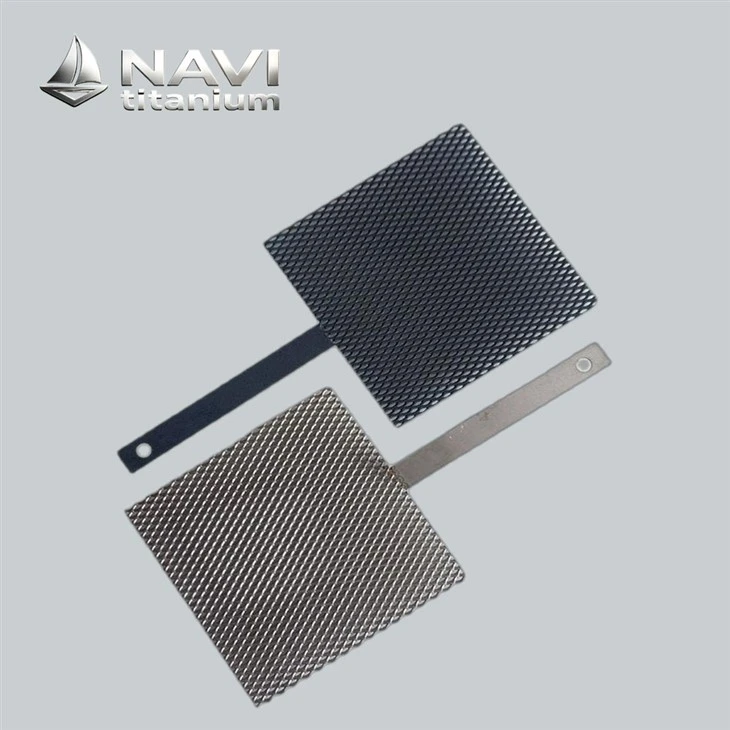
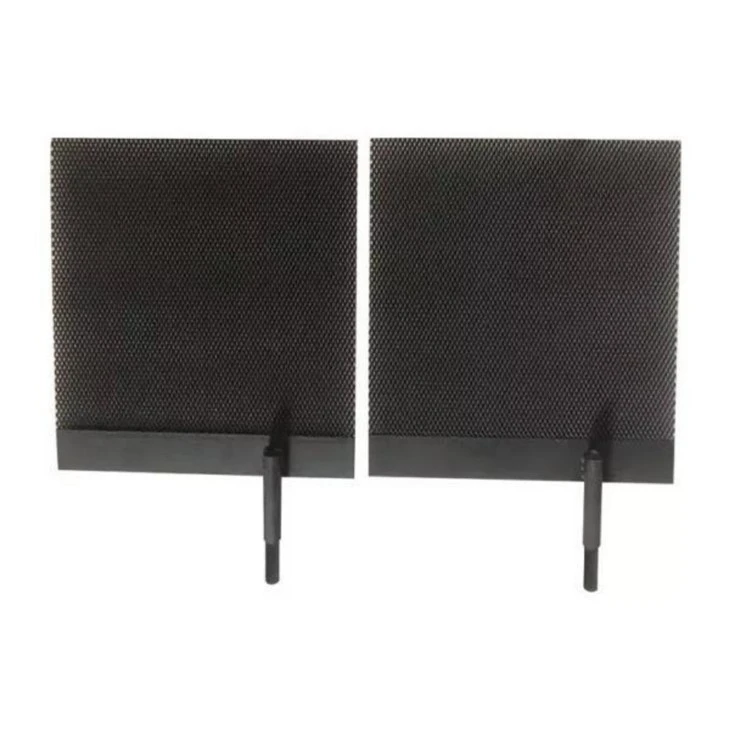
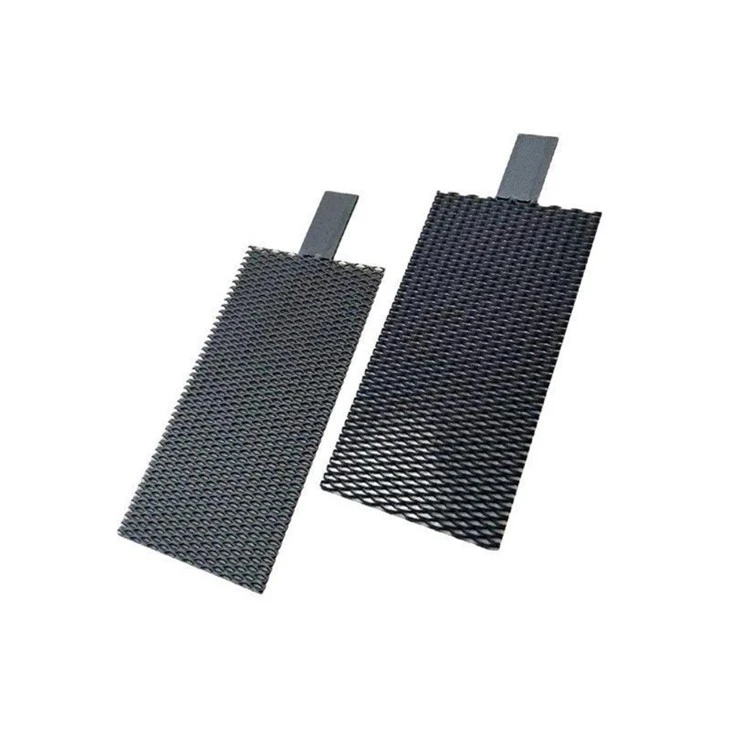
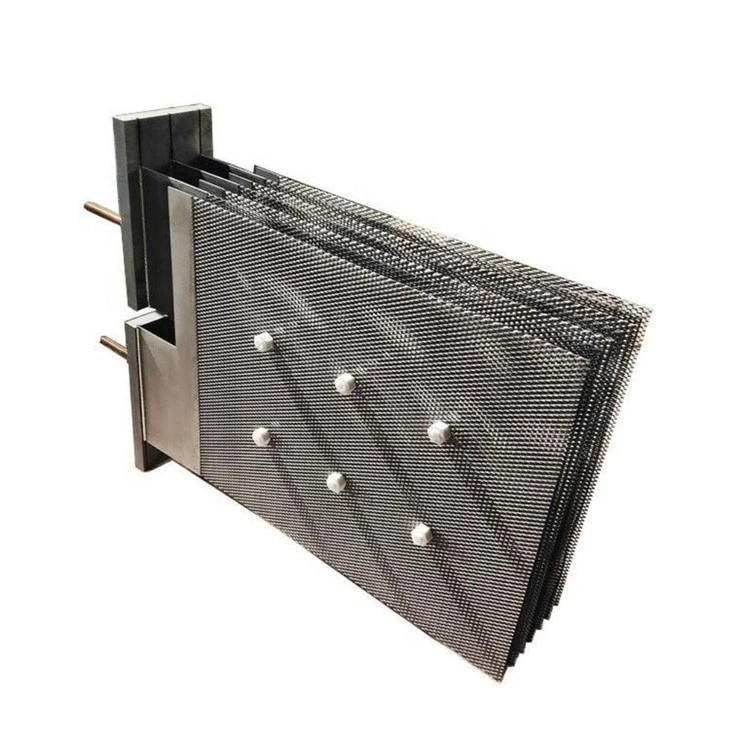
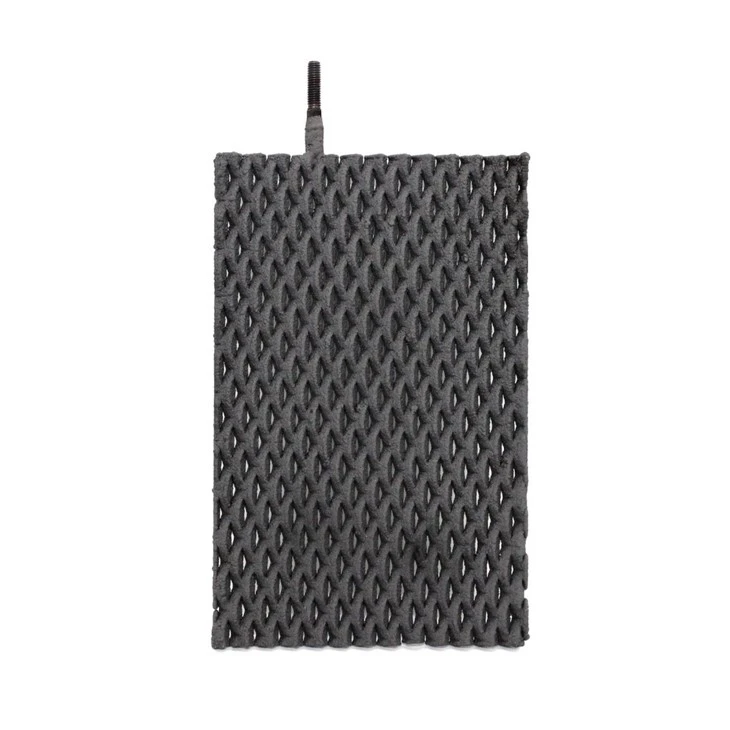
NAVI Titanium offers titanium anode mesh cartridge for cooling cycle descaling in recirculating heat rejection circuits. Failure analysis can distinguish catalytic depletion from contact overheating, deposit shielding, and cleaning damage through voltage trends, microscopy, and adhesion assessment. Examination of coating texture, microcracks, exposed substrate, and residual deposits helps clarify premature deterioration rather than attributing every decline to coating loss.
Solution of NAVI Titanium
NAVI Titanium emphasizes evidence based assessment for heat rejection loop descaling applications, connecting failure analysis with detailed examination of layer texture and deposit accumulation. Distinguishing catalytic depletion, electrical contact deterioration, cleaning abrasion, and localized exposure helps purchasers interpret declining performance more accurately.


NAVI Titanium examines electrochemical descaling through localized alkalinity generation and controlled mineral precipitation. Layer morphology, electrical continuity, and deposit accumulation affect reaction distribution and energy consumption.
Application
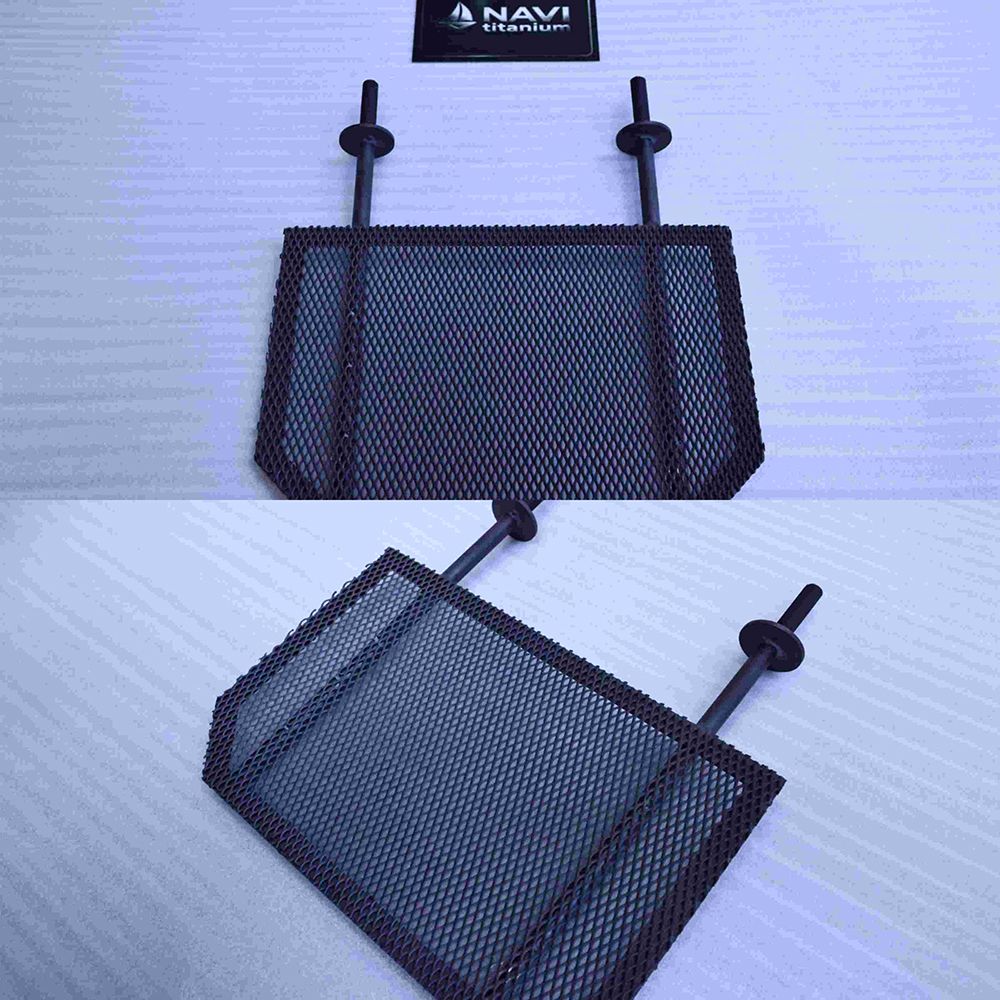
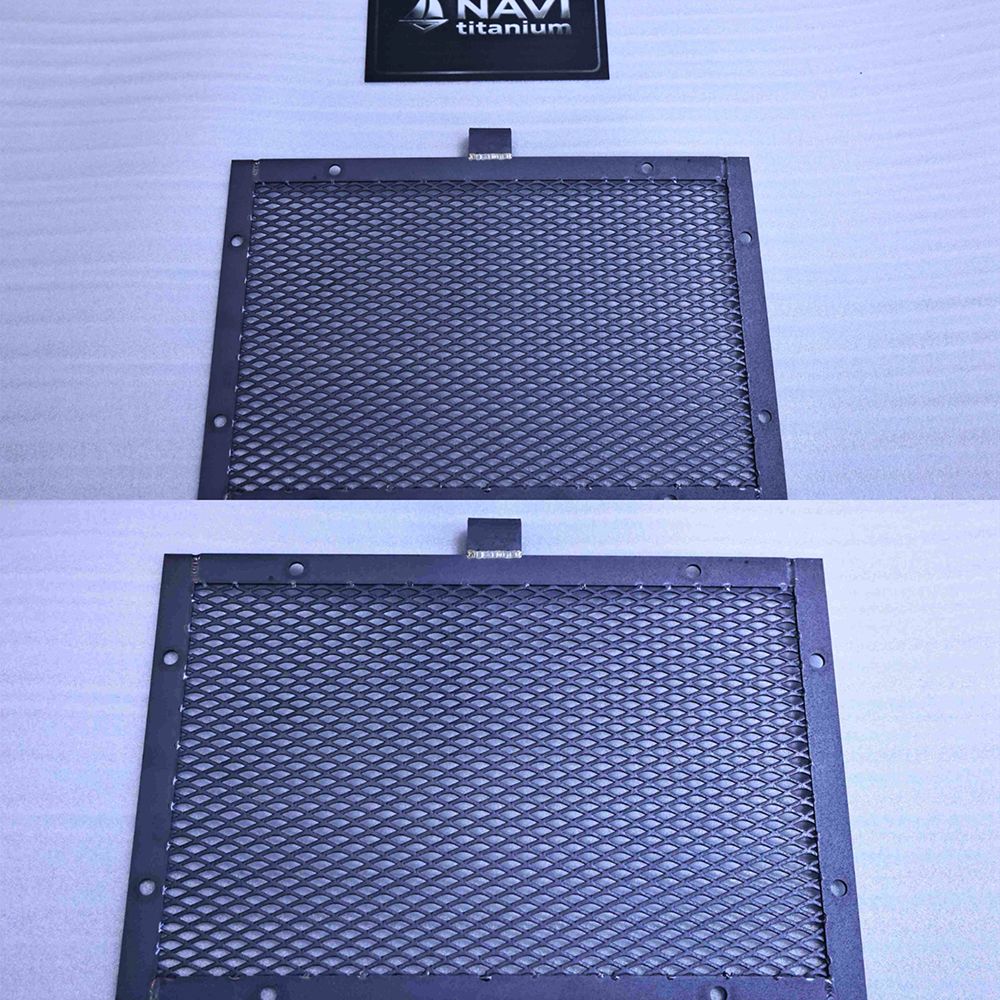
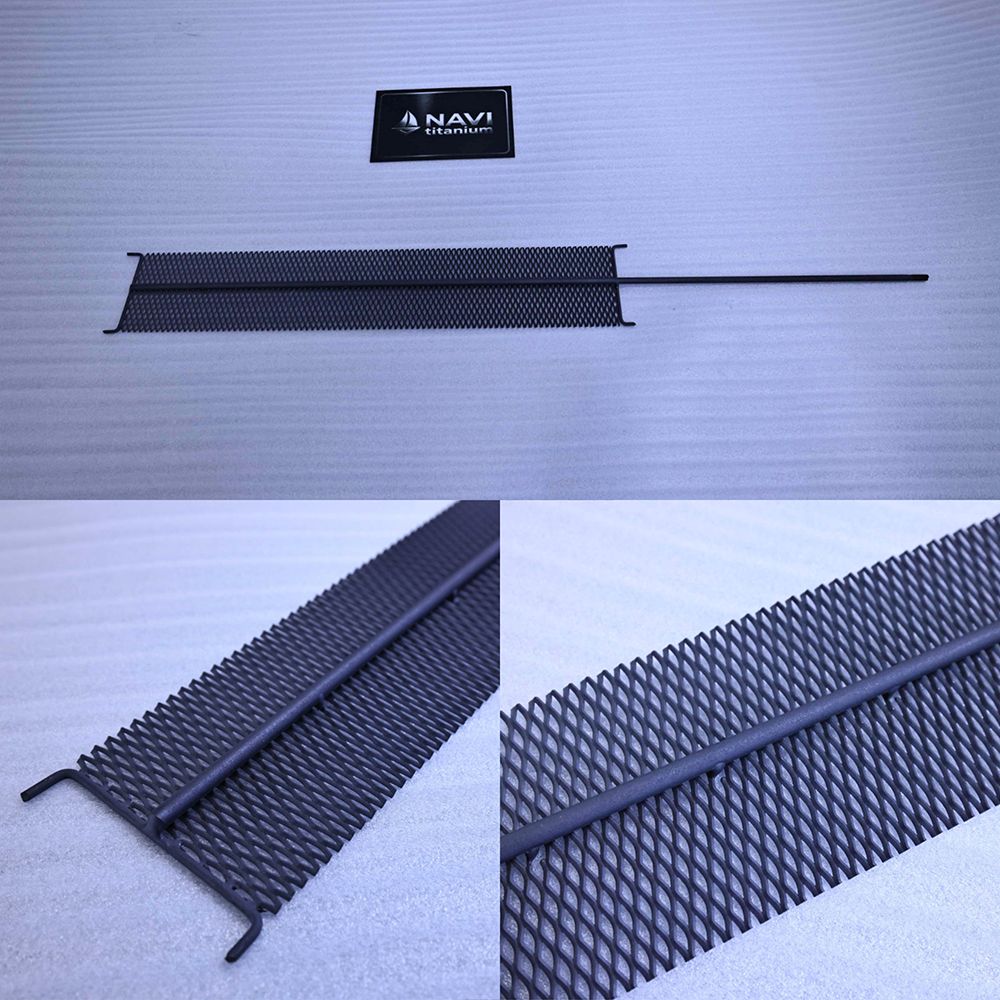
NAVI Titanium's titanium anode mesh cartridge for cooling cycle descaling supports electrochemical hardness removal through controlled precipitation, with application performance assessed against heat rejection loop chemistry and operating requirements.
Recirculating heat rejection circuits progressively concentrate calcium, magnesium, and bicarbonate as evaporation removes solvent, increasing the likelihood of mineral deposition within condensers, heat exchangers, and connecting pipework. Electrochemical descaling addresses this tendency by directing precipitation toward a dedicated collection chamber. Cathodic reduction generates hydroxyl ions, raising local pH and shifting bicarbonate equilibria toward carbonate formation. Once ionic activity exceeds the relevant solubility threshold, calcium carbonate nucleates and accumulates; magnesium hydroxide may also precipitate when alkalinity becomes sufficiently high. This mechanism removes selected hardness constituents before they accumulate along critical heat transfer passages. Treatment effectiveness nevertheless depends on carbonate availability, supersaturation, residence time, and the balance between precipitation and hydraulic transport. Application assessment should therefore relate hardness removal to charge consumption and recovered solids, while distinguishing genuine extraction from temporary redistribution of suspended crystals throughout the circulating inventory during normal operation and subsequent cleaning intervals under representative thermal and hydraulic loads.
2. Cooling Circuit Performance Assessment
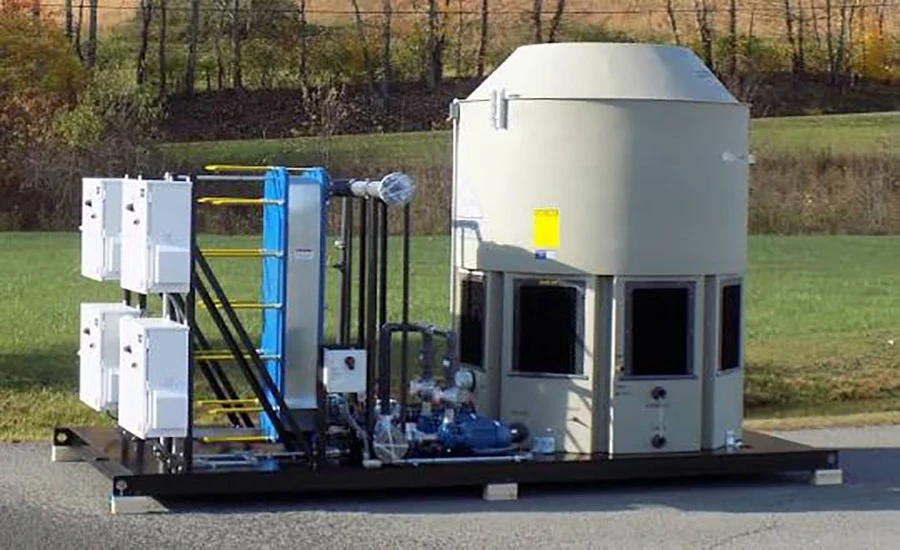
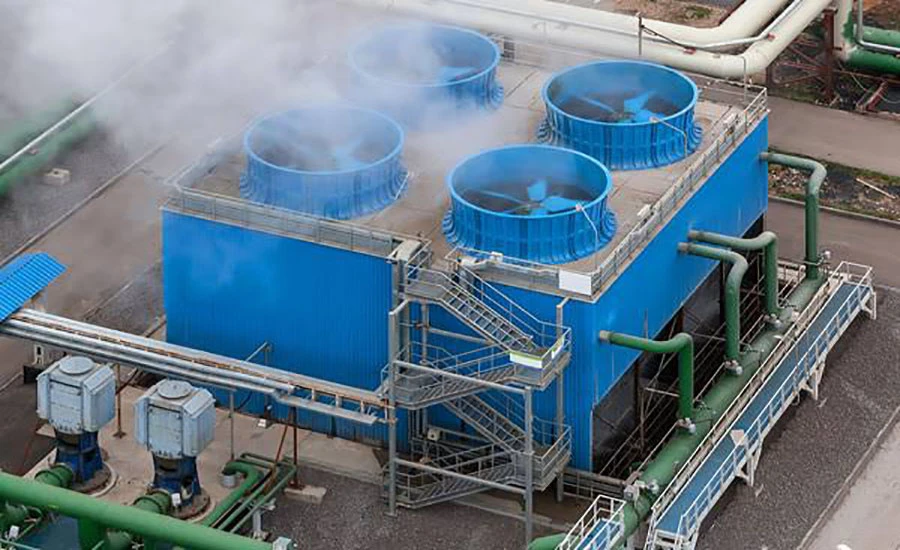
For cooling towers, evaporative condensers, and auxiliary recirculation loops, successful deployment requires coordination between electrochemical treatment, bleed discharge, and existing chemical dosing. A sidestream arrangement can concentrate mineral capture within an accessible chamber while maintaining circulation through the principal heat exchange loop. Selection should consider conductivity, chloride concentration, alkalinity, organic contamination, and seasonal evaporation rates rather than nominal flow alone. Chloride oxidation may compete with oxygen evolution at the positive terminal, potentially generating active chlorine; any disinfection benefit must therefore be assessed alongside corrosion susceptibility and compatibility with existing inhibitors. Gas release and ventilation also require attention where hydrogen generation accompanies cathodic precipitation. Performance verification should track dissolved calcium, alkalinity, conductivity, collected deposit mass, electrical consumption, and heat transfer trends across representative operating periods. Such evidence supports realistic assessment of reduced scaling propensity without assuming complete hardness elimination, universal chemical replacement, or automatic removal of established deposits from inaccessible pipe interiors.
Purchasing guide

Quality control(QC)
For heat transfer loop descaling applications, these records help purchasers assess substrate suitability, distinguish substrate chemistry from catalytic layer composition, and confirm traceability between the supplied assembly and the accompanying mill documentation.
| Certificate of Analysis | ||
| Titanium Base Material Suppliers: | Coating Precursor Suppliers: | COA of product: |
|
|
|
|


Manufacturing proces
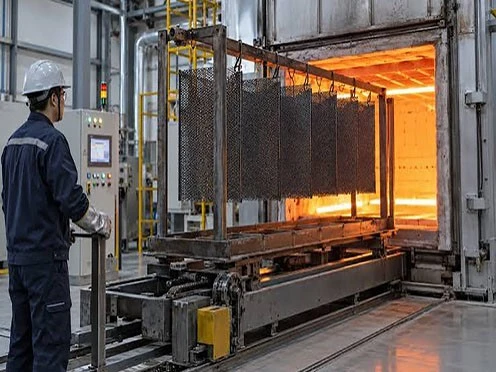
Fabrication begins with cutting and shaping mesh to match chamber geometry, circulation paths, and cathodic clearance. Welded seams and connections support electrical continuity. Degreasing and acid etching prepare the substrate for catalytic finish adhesion. Repeated application and furnace curing establish coverage across strands, intersections, and joints. Layer selection considers chloride concentration, current density, and competing oxygen and chlorine evolution. Verification covers weld integrity, adhesion, and contact resistance, while representative heat transfer loop trials assess voltage response, gas release, and compatibility with cleaning methods used during cathodic mineral precipitation and removal.


Installation and Technical Support
English installation instructions should explain cartridge orientation, polarity identification, mounting sequence, electrical connections, and minimum clearance from adjacent conductive parts. Dimensioned drawings should identify overall length, outside diameter, fixing coordinates, terminal positions, permissible tolerances, and the withdrawal envelope required for cleaning. Purchasers also need confirmation that the illustrated revision matches the quoted configuration and the actual heat rejection loop chamber. Maintenance guidance should distinguish removable mineral deposits from layer damage, specifying approved cleaning agents, exposure limits, rinsing requirements, and prohibited abrasive contact. For scale control in recirculating circuits, the documents should clarify where precipitation is expected, how accumulated solids are discharged, and which readings indicate restricted circulation or abnormal electrical resistance. Illustrated disassembly sequences can reduce accidental loading on connection stems and coated strands. A practical document package should include spare seal references, tightening requirements where applicable, troubleshooting charts, and records for cleaning dates, voltage changes, and visible defects.

Selection and Remote Assistance

Technical selection support should begin with the intended cooling duty, circulation rate, conductivity, chloride concentration, hardness, alkalinity, and available chamber space. These inputs help assess active area, current density, electrical connection capacity, and compatibility with the existing power controller. Selection discussions should also distinguish fixed polarity operation from reversal cycles, since identical outlines do not establish equivalent film suitability. Remote installation assistance can use approved drawings, annotated photographs, and live video to confirm orientation, connection routing, insulating clearances, and access for deposit removal. Before energization, the purchaser should verify polarity, secure mounting, unrestricted circulation, and appropriate gas discharge arrangements with qualified local personnel. During commissioning, agreed readings for current, voltage, flow, and inlet chemistry provide a baseline for later comparison. If unexpected drift occurs, support requests should include operating hours, cleaning history, controller settings, and photographs taken after safe isolation. Defined response channels, document revision control, and clearly allocated responsibilities help purchasers evaluate the practical scope of assistance before placing an order, especially when retrofitting a heat rejection loop during shutdowns.
Application Fit and Delivery Options
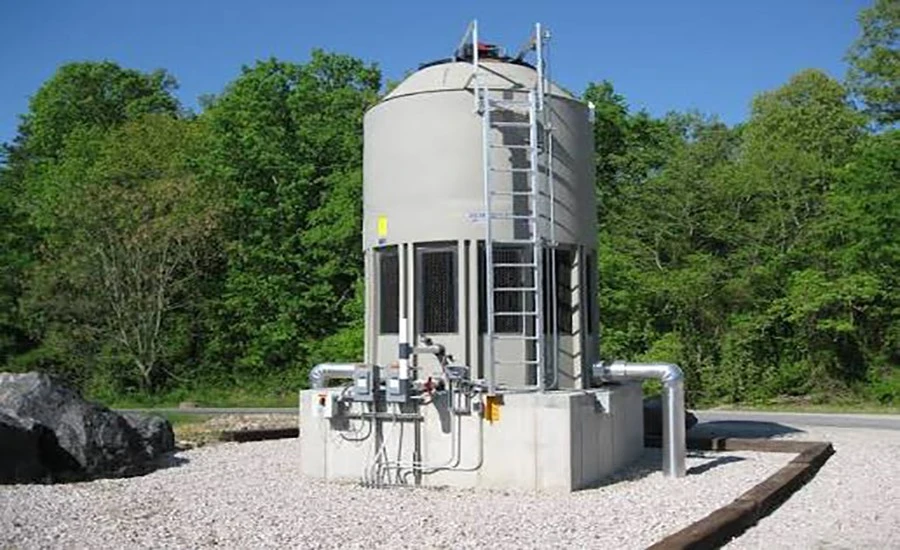
For purchasers operating recirculating heat rejection circuits, cartridge suitability depends on the treatment chamber and hydraulic arrangement rather than application labels alone. Typical installations include electrochemical descaling reactors, cooling tower sidestream treatment skids, condenser auxiliary loops, and dedicated hardness precipitation chambers. In sidestream installations, a controlled fraction of circulating flow passes through the treatment chamber before returning to the main loop, allowing mineral capture and cleaning access at a separate location. Buyers should confirm chamber diameter, available insertion length, cathodic spacing, flow direction, and the clearance needed for withdrawal. Electrical ratings must also correspond to the controller output and intended duty cycle. Cooling tower operation introduces changing conductivity and chloride concentration as evaporation progresses, so selection requires chemistry across the expected concentration range. For retrofit projects, photographs and dimensioned drawings help identify clashes with piping, lids, drains, and existing terminals. Acceptance discussions should address circulation continuity, gas discharge, solids removal, and access during shutdowns, enabling purchasers to judge compatibility before committing to replacement quantities or modifications to the heat rejection loop layout.
Delivery Options

Purchasers can request a single coated cartridge, a matched positive and negative set, or a package furnished with mounting brackets and insulating fittings. A single cartridge may suit replacement orders when the retained chamber, opposing member, and electrical connections remain compatible with the approved configuration. A matched set can simplify procurement for new treatment chambers, provided the quotation identifies polarity, spacing, active area, connection ratings, and intended cleaning approach. Packages with brackets should additionally define fixing coordinates, fastener scope, insulating sleeves, terminal protection, and any seals included. These distinctions matter because similar external outlines do not establish interchangeable electrical duty or installation compatibility. Buyers should compare quotations against an identical delivery boundary, identifying which items require separate sourcing and who confirms fit within the existing chamber. Packing lists and drawings should use corresponding part references to support receipt checks and replacement orders. Where several chambers differ, separate configuration codes help prevent incorrect allocation. Confirming these details before purchase supports clearer budgeting, installation planning, and repeat ordering across heat rejection loop locations.
Target Clients
NAVI Titanium positions the titanium anode mesh cartridge for cooling cycle descaling for electrochemical treatment builders, cooling tower package assemblers, circulation contractors, maintenance providers, spare parts distributors, and plant maintenance or treatment procurement teams. Applications include factory cooling towers, central HVAC recirculation loops, and heat exchanger recirculation circuits. Selection requires quantified hardness, alkalinity, conductivity, chloride concentration, operating current, and cleaning access. Hardness capture primarily occurs through cathodic precipitation; positive polarization supports the complementary oxidation reactions. Procurement specifications should distinguish mineral extraction from disinfection claims and existing deposit removal.
| Circuit |
Suitability boundary |
Installation |
| Open | Assess evaporation concentration, chloride accumulation, bleed discharge, and solids management | Sidestream reactor |
| Closed | Confirm precipitation potential, inhibitor compatibility, and gas handling; low hardness may limit benefit | Validated bypass chamber |
| High salinity | Validate competing chlorine generation, corrosion compatibility, and electrical demand | Qualified reactor |
| Submerged | Confirm insulation, circulation, gas escape, and retrieval clearance | Approved immersion arrangement |
Other configurations require documented validation. Agree measurable acceptance criteria before purchase and commissioning under actual operating loads.
FAQ
1. How can purchasers verify incoming substrate quality?
+
-
Request mill documentation confirming the specified grade, chemical composition, and relevant impurity limits. Incoming checks should also address thickness, strand integrity, cleanliness, and visible defects.
2. How are different raw stock lots kept separate?
+
-
Separate lot identifiers should remain attached throughout storage, cutting, and fabrication. Purchasers can request segregation controls that prevent unapproved substitution or mixing, particularly when several orders share similar dimensions but require different grades or film specifications.
3. Can a delivered product be traced to its original stock?
+
-
An agreed identification scheme can link the product reference to the original mill heat number, incoming acceptance records, and fabrication history.
4. Can critical inputs be reserved for repeat orders?
+
-
Purchasers can negotiate reserved quantities of approved substrate stock and film precursors against forecast demand.
5. How can inventory controls reduce incorrect dispatches?
+
-
Inventory records should distinguish incoming stock, released stock, unfinished cartridges, completed cartridges, and quarantined items. Separate location codes and revision references help prevent incorrect allocation.
Hot Tags: titanium anode mesh cartridge for cooling cycle descaling, China titanium anode mesh cartridge for cooling cycle descaling manufacturers, suppliers, factory, lead dioxide coated titanium tube anode, MMO coated titanium anode, MMO titanium anode electrode, perforated coated titanium anode, Titanium Anode for Water Treatment, titanium chromium plating anode


