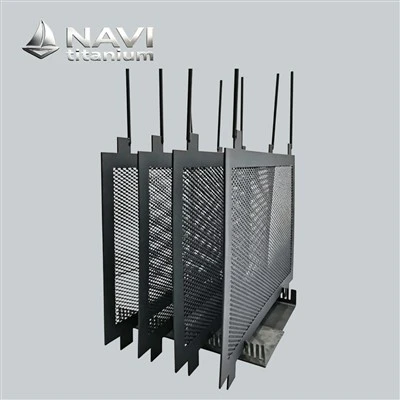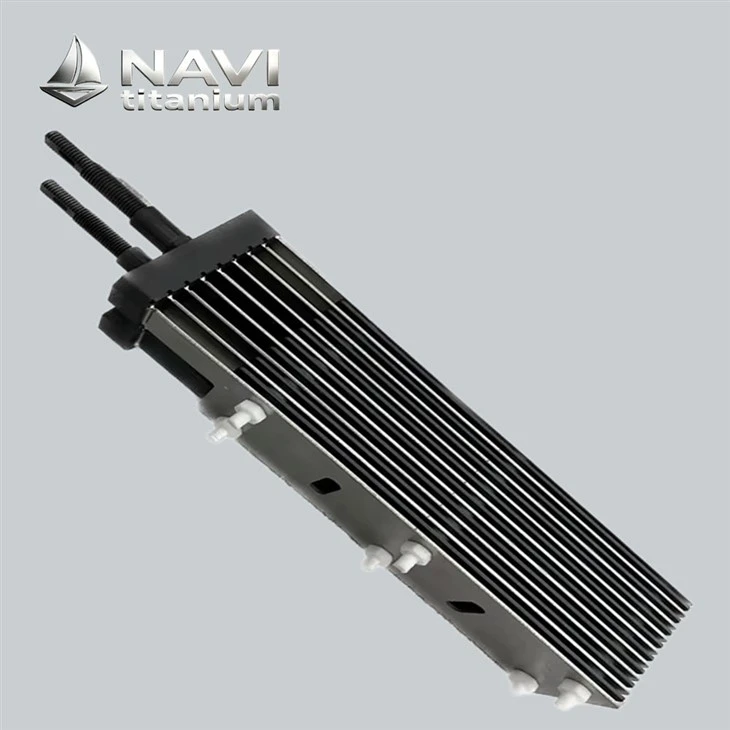
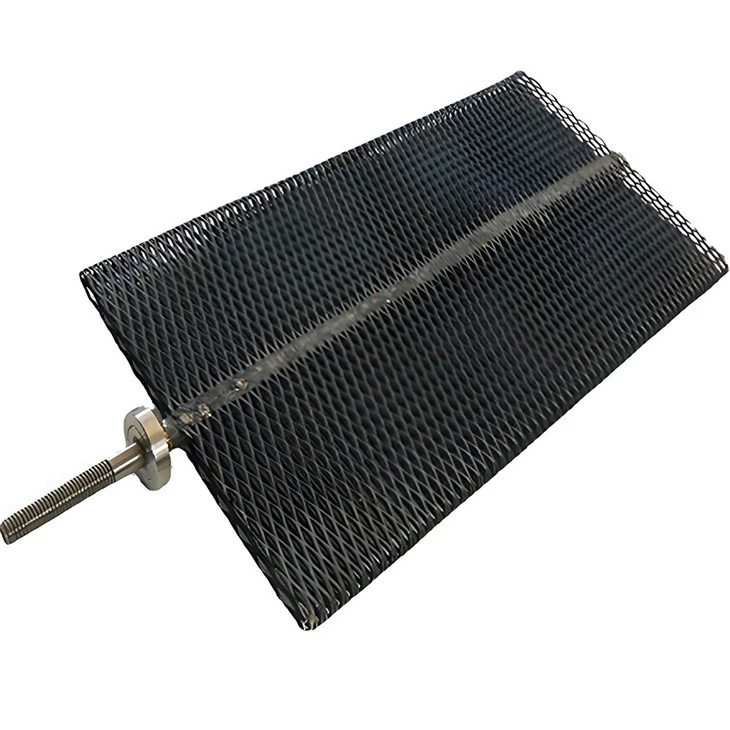


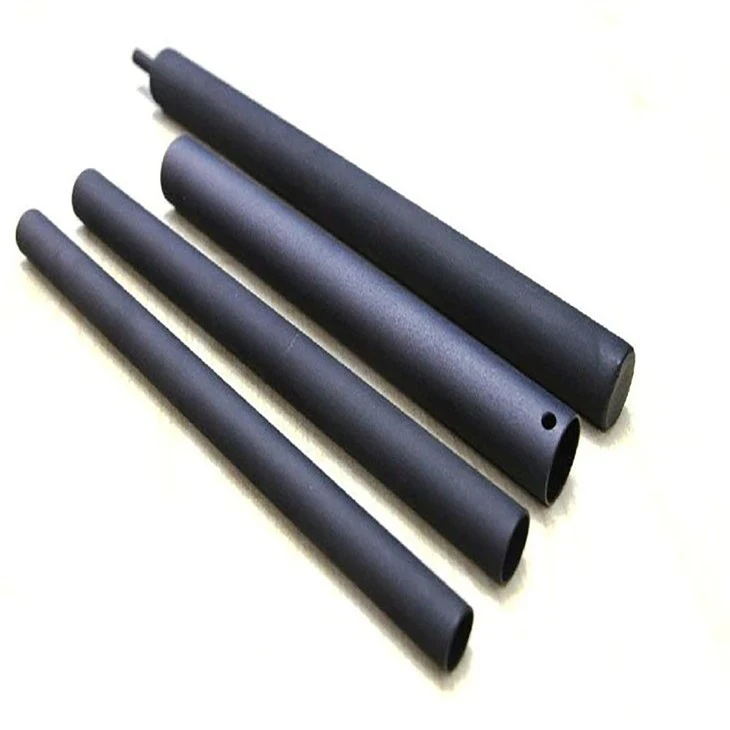
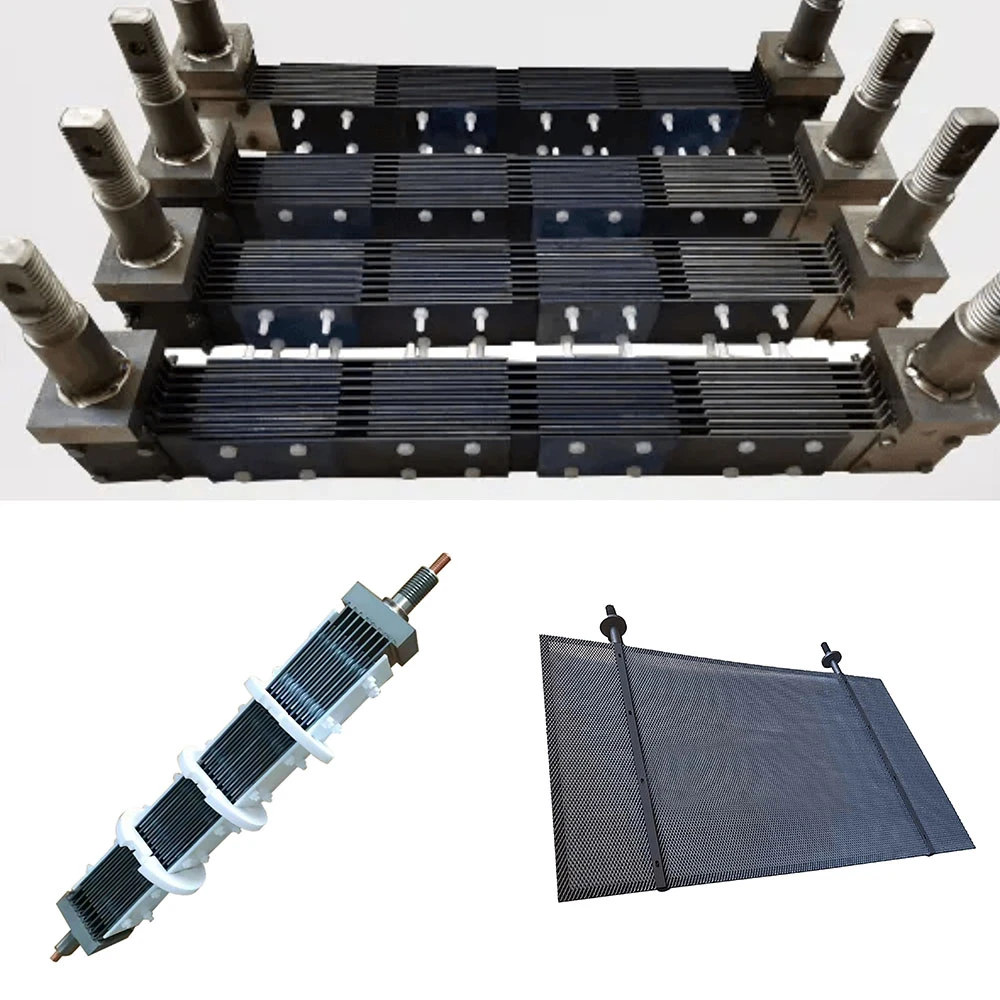
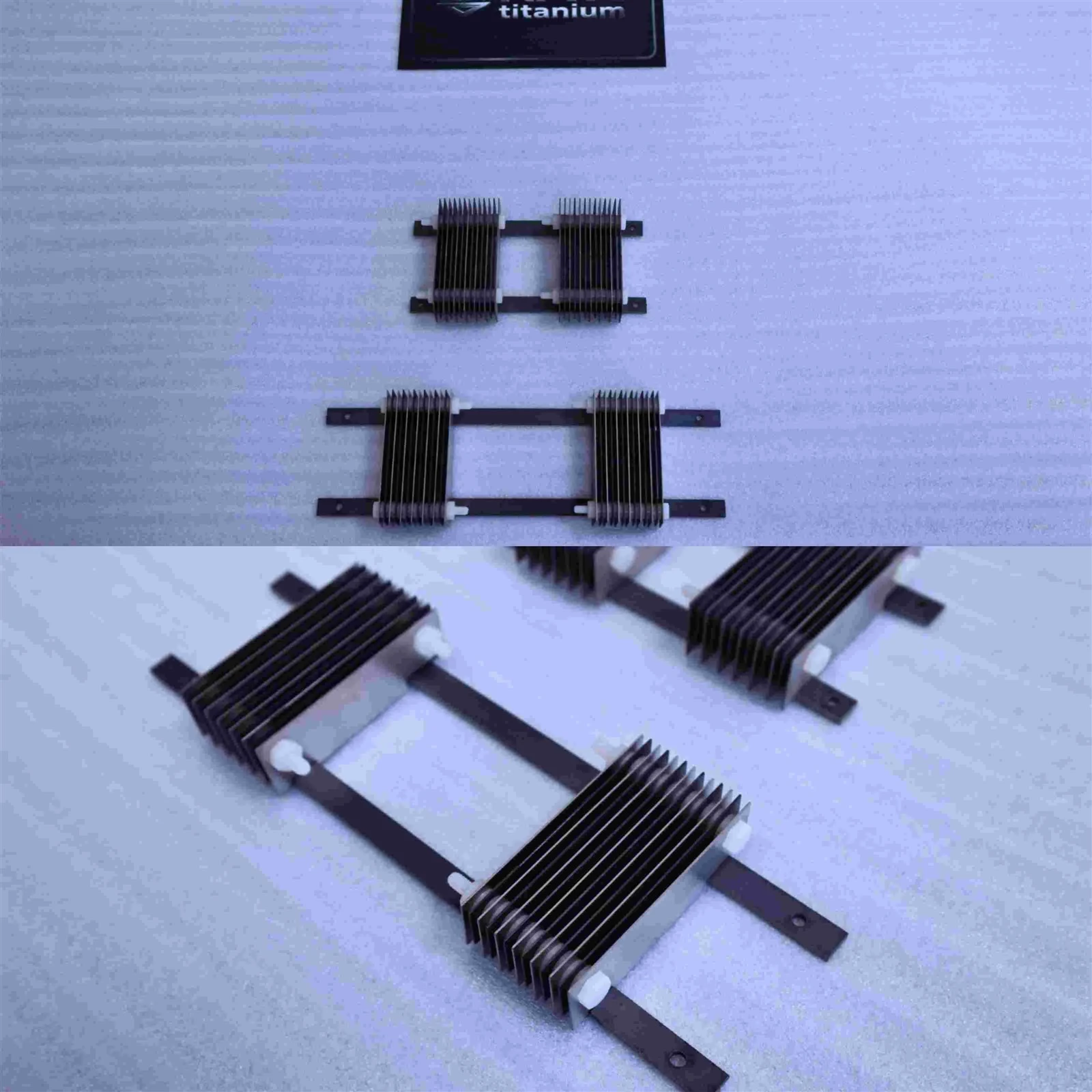
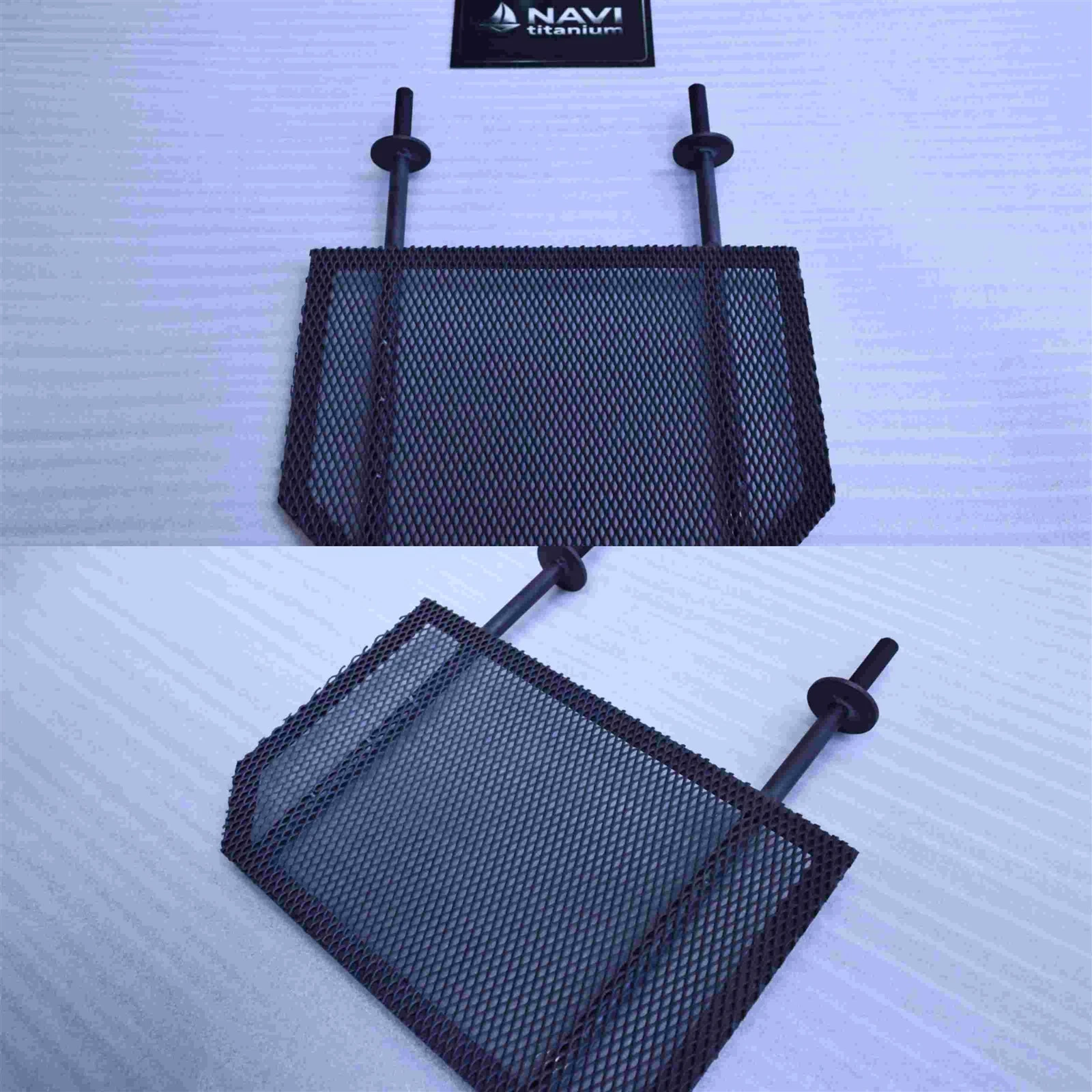
NAVI Titanium offers MMO titanium anode for sea water desalinization for electrochlorination pretreatment in coastal desalination plants. Parameter optimization focuses on current density, chloride availability, channel spacing, and flow velocity to balance chlorine yield against energy demand. For qualification, purchasers can request testing of current efficiency, voltage drift, and oxidant output across specified salinity ranges.
Solution of NAVI Titanium
NAVI Titanium operates a 2,800 m² central laboratory alongside dedicated coating, forging, and machining facilities. For coastal desalination pretreatment, commercial discussions can address catalytic coating selection, chlorine output, electrical demand, and compatibility with existing chlorination circuits.


NAVI Titanium addresses electrochlorination requirements in coastal desalination pretreatment through catalytic coating selection and controlled operating parameters.
Application
NAVI Titanium's MMO titanium anode for sea water desalinization supports intake biofouling control through electrochlorination, with operating parameters coordinated to optimize chlorine generation and protect downstream membranes.
Coastal desalination facilities face persistent biological fouling because intake streams carry microorganisms, nutrients, and suspended organic matter. Electrochlorination addresses this challenge by converting naturally occurring chloride into active chlorine near the point of consumption. Under anodic polarization, chloride undergoes oxidation to molecular chlorine, followed by hydrolysis and acid dissociation that establish a pH dependent distribution between hypochlorous acid and hypochlorite. This chemistry supports microbial inactivation throughout intake conduits and upstream pretreatment stages. However, antimicrobial efficacy depends on more than electrical input: salinity, pH, contact duration, organic demand, and hydraulic residence distribution collectively determine the residual oxidant available at critical locations. Effective implementation therefore requires a chlorine mass balance linking generation rate, immediate consumption, and downstream residual concentration. Seasonal algal blooms and changing intake quality warrant particular attention because identical dosing rates can produce substantially different outcomes. For procurement assessment, documented chlorine output, and compatibility with existing intake hydraulics provide a stronger technical basis than nominal electrical capacity alone.

2. Electrochemical Efficiency and Membrane Protection
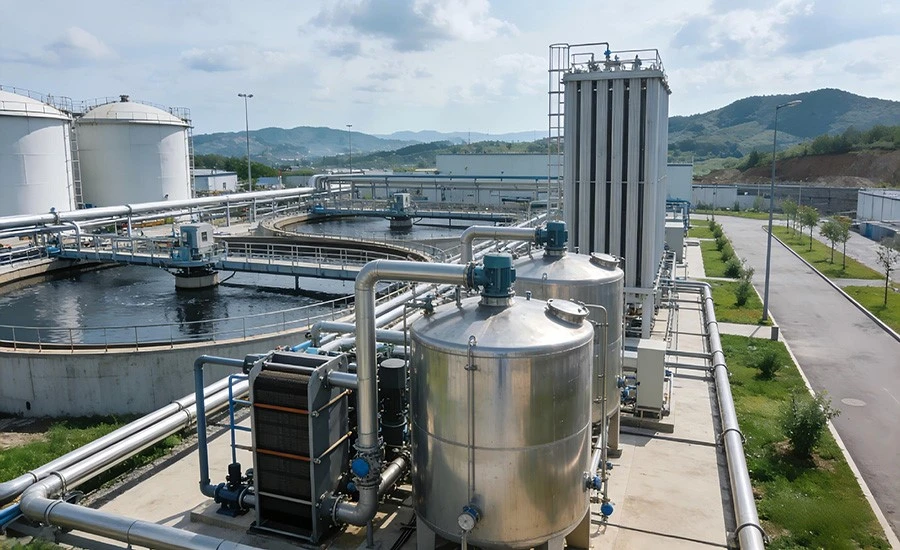
Within reverse osmosis desalination, electrochlorination must be coordinated with membrane protection rather than evaluated solely through disinfectant output. Chloride oxidation competes with oxygen evolution, and the relative reaction rates depend on catalytic composition, chloride availability, current density, and local mass transfer. Excessive electrical loading can increase energy consumption without delivering a proportional rise in usable chlorine. Meanwhile, cathodic alkalization promotes calcium carbonate and magnesium hydroxide precipitation, potentially narrowing flow passages and increasing voltage demand. Performance assessment should therefore examine specific energy consumption, chlorine yield, scaling tendency, and cleaning frequency together. Before polyamide membranes receive the treated feed, residual oxidants generally require removal through a validated dechlorination strategy. Monitoring should account for sampling location, response delay, and transient dosing events; oxidation reduction potential alone does not quantify free chlorine under every chemical scenario. Pilot trials should quantify disinfection byproducts and confirm that microbial control remains compatible with membrane acceptance criteria across expected seasonal variations in salinity, alkalinity, and organic loading.
Purchasing guide

Quality control(QC)
For coastal desalination pretreatment, NAVI Titanium verification provides a basis for assessing suitability beyond nominal chlorine output. Records should identify substrate grade, catalytic coating composition, active area, and dimensional tolerances, with test results linked to stated salinity, current density, and thermal exposure.
| Certificate of Analysis | ||
| Titanium Base Material Suppliers: | Coating Precursor Suppliers: | COA of product: |
|
|
|
|


Manufacturing proces
NAVI Titanium begins with cutting titanium substrates to match cell geometry and electrical connections. Degreasing, abrasive preparation, and acid etching establish a clean interface for coating adhesion. Ruthenium and iridium precursors are applied in thin layers, followed by drying and furnace treatment. Coating composition and loading are selected for chloride oxidation under specified salinity and current density. Edge coverage and contact resistance receive attention. Adhesion assessment and chlorine output testing support qualification for desalination pretreatment, with electrolyte composition and operating parameters documented to enable performance and mmo anode price comparisons.



Maintenance Packaging and Unpacking Guidance
During scheduled shutdowns at coastal desalination plants, replacement kits should correspond to a specific chlorination cell or asset number, allowing stores personnel to distribute complete packages directly to the assigned maintenance team. The packing list should identify the installation location, approved drawing revision, quantity, connection hardware, seals, insulating spacers, and any separately packed accessories included in the agreed scope. Where several cells appear identical, distinct kit codes help prevent incorrect allocation when connection positions or clearances differ. Items intended for one cell should remain grouped within a dedicated carton or clearly separated compartment, with matching identifiers on internal bags and the outer crate. Small fittings require sealed pouches and quantity checks before dispatch, while coated sections need individual protection against abrasion and impact. Purchasers should confirm whether retained fasteners may be reused or require replacement under the original maintenance instructions. A kit completeness record, supported by packing photographs, helps receiving teams reconcile deliveries before shutdown begins and identify shortages early enough to avoid delays during installation and subsequent commissioning activities.

Removal Sequence, Handholds, and Retained Locating Aids
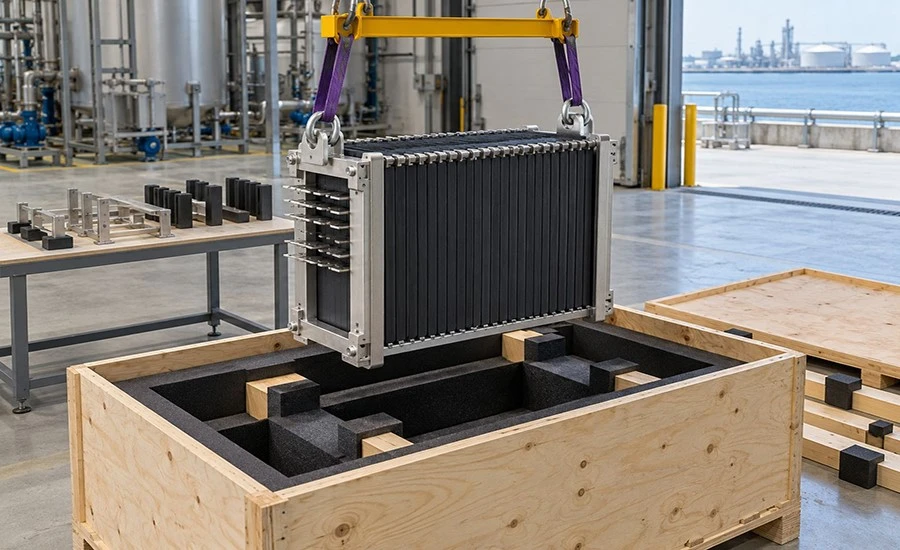
NAVI Titanium instructions should follow the removal sequence, beginning with crate orientation and identification of the lid, detachable braces, and accessible lifting points. Directional arrows should indicate how protected sections leave the container without dragging against adjacent packing or bending connection stems. Permitted handhold locations must be distinguished from coated areas, terminals, and unsupported edges; heavier assemblies require lifting arrangements confirmed against their mass and center of gravity. Before restraints are released, personnel should verify that the load remains supported and cannot tip or shift. Numbered packing layers can guide removal where several items share one crate, with photographs showing the intended sequence. Locating blocks, alignment gauges, and reusable transport fixtures should carry retention labels when needed for installation, return shipment, or future storage. Disposable cushioning should be identified separately to prevent useful aids from being discarded. After unpacking, protected sections should rest on clean supports at approved contact points, while the packing record remains available for checking orientation, accessory counts, and any visible damage before mounting inside the cell.
Scheduled Replacement and OEM Procurement Coordination
For coastal desalination operators, replacement purchasing should begin with the shutdown window rather than the expected delivery date alone. Procurement teams need sufficient time for receiving checks, kit allocation, removal of existing sections, installation, and commissioning before intake disinfection resumes. An agreed schedule should therefore distinguish dispatch, arrival, site acceptance, and readiness for fitting. The dismantling sequence determines which replacements must be accessible first, while cell identifiers and approved drawings prevent confusion between visually similar configurations. Spare quantities should reflect the number of operating cells, observed wear patterns, transit time, and the consequences of an unexpected shortage. A reserve for critical connections, seals, and insulating spacers may reduce disruption when hidden deterioration becomes apparent during removal. Purchasers should also confirm whether staggered deliveries suit the outage plan or whether complete kits must arrive together. Written contingency arrangements, including escalation contacts and replacement priorities, help maintenance managers respond to discrepancies without losing the planned restart slot. Retaining installation records supports subsequent ordering and enables future shutdown scopes to follow documented experience.

Drawing-Based Fabrication

For system builders, NAVI Titanium fabrication must follow approved drawings and a defined delivery scope, especially when chlorination modules accompany coastal desalination packages. Purchasing specifications should identify connection geometry, active area, mounting interfaces, dimensional tolerances, and the accessories included with every assembly. Before ordering, buyers should clarify whether delivery covers coated sections alone, fitted connections, or assembled modules ready for installation checks. Model codes should distinguish configurations that differ in electrical duty, connection position, or approved coating specification, even when their external outlines appear identical. Drawing revisions require written confirmation before fabrication, with obsolete codes blocked from repeat purchasing. For continuing procurement, agreed lead times, forecast updates, minimum order quantities, and reserve capacity help align deliveries with assembly schedules. Acceptance records should remain linked to the corresponding model code and drawing revision so replacement requests can be evaluated accurately. When changes become necessary, documented notification and customer approval protect compatibility across previously delivered packages and preserve a consistent purchasing reference for distributors, installation contractors, and operators throughout successive project phases.
Quotation and Performance Confirmation
For MMO titanium anode for sea water desalinization, NAVI Titanium requests salinity, chloride concentration, and conductivity because these quantities describe different constraints. Salinity indicates total dissolved salts; chloride concentration establishes reactant availability for chlorine generation; conductivity helps estimate ohmic losses. None substitutes directly for another when ionic composition varies. Seasonal ranges, sampling dates, and analytical methods should accompany reported values. At elevated current density, limited chloride transport can increase competing oxygen evolution, while low conductivity raises voltage demand. Quotation comparisons therefore require consistent feed chemistry and operating assumptions.
| Parameter |
Requested data |
Assessment purpose |
| Salinity | g/kg; seasonal minimum and maximum | Establish expected intake variability |
| Chloride | mg/L; analytical method | Assess reactant availability and conversion constraints |
| Conductivity | mS/cm; measured temperature and reference basis | Estimate resistive losses without conflating concentration and temperature |
| Sampling | Location, date, pretreatment status | Confirm relevance to actual cell intake |
Comparable feed records support defensible electrical ratings, chlorine output commitments, and acceptance criteria before purchasers approve pricing or authorize performance verification trials.
FAQ
1. Can trials reproduce our seasonal intake chemistry?
+
-
Trials can use synthetic saline feeds or collected intake samples to reflect expected salinity, chloride concentration, conductivity, pH, and operating temperature.
2. What evidence should we request before approving a purchase?
+
-
Request chlorine output, current efficiency, voltage, and specific energy consumption under clearly stated test settings. Reports should identify sampling methods, instrument calibration, test duration, and measurement uncertainty.
3. How can recurring performance losses guide technical improvements?
+
-
Provide operating logs showing voltage trends, chlorine residuals, intake chemistry, cleaning history, and shutdown events. These records help distinguish catalytic deterioration from restricted flow, scaling, or connection resistance.
4. Which adjustments can reduce energy demand without compromising disinfection?
+
-
Evaluate current density, channel spacing, flow velocity, and cleaning intervals together. Lower voltage alone does not establish better efficiency if chlorine yield also declines.
5. How should a new chlorination configuration progress toward commercial procurement?
+
-
Begin with an agreed specification covering feed chemistry, chlorine demand, electrical limits, mounting interfaces, and acceptance thresholds. Laboratory screening can precede pilot trials using representative intake chemistry and realistic dosing cycles.
Hot Tags: mmo titanium anode for sea water desalinization, China mmo titanium anode for sea water desalinization manufacturers, suppliers, factory