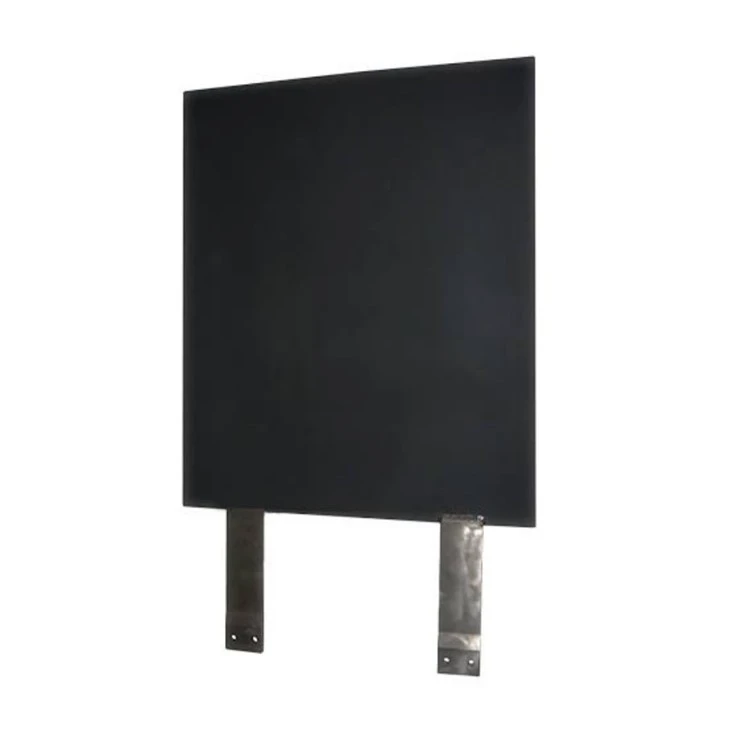
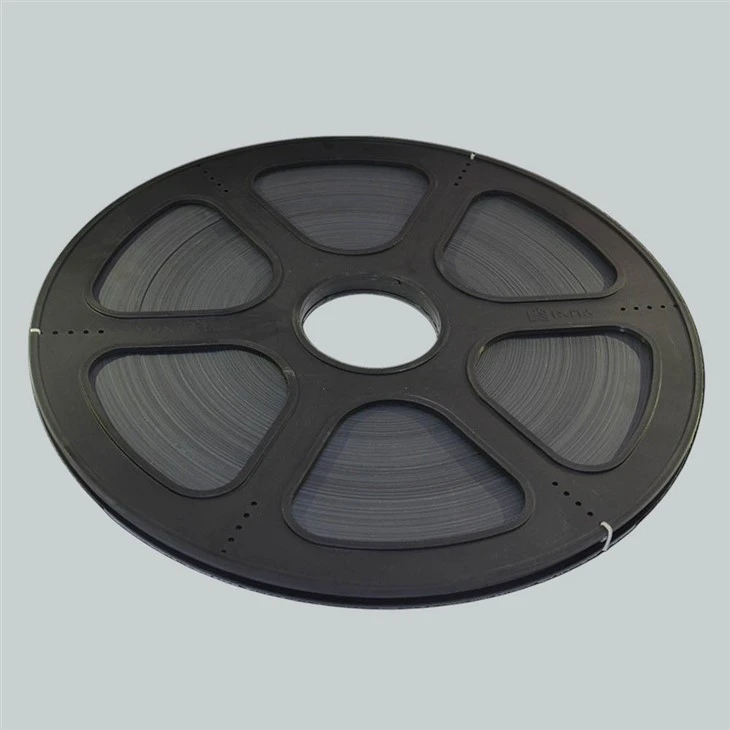
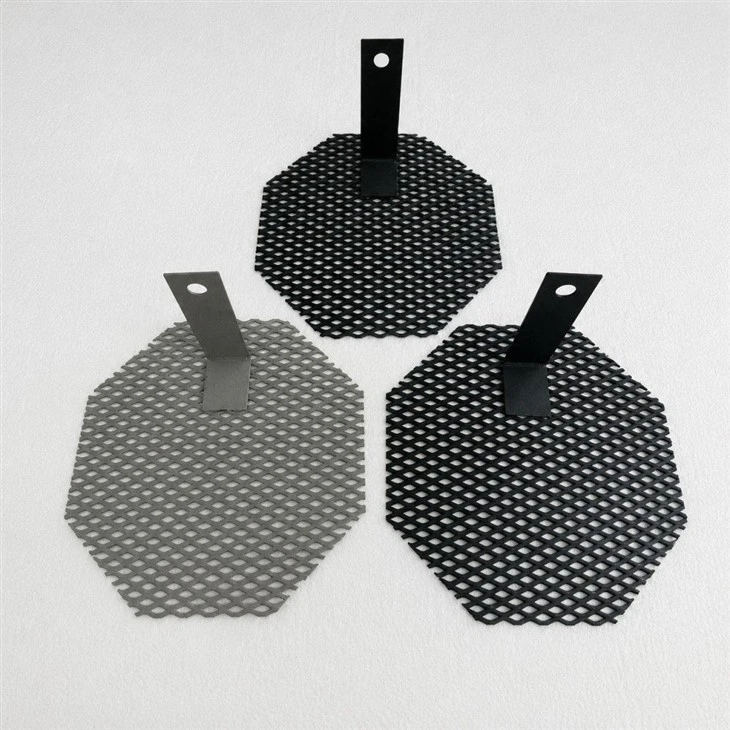
NAVI Titanium manufactures the mmo Ru-Ir coating titanium anode for chlor-alkali industry, an insoluble electrode made from an industrially pure titanium substrate covered with a ruthenium-iridium mixed metal oxide coating. During electrolysis, it supports the anodic reaction in which chloride ions are oxidized to produce chlorine gas. NAVI Titanium helps industrial buyers source application-specific electrodes through drawing-based customization, material selection support, manufacturing coordination, and quality documentation. From replacement anodes to new electrolyzer projects, customers can discuss electrode geometry, connection requirements, operating conditions, and coating suitability before ordering.
Product Introduction
The Ru-Ir coating titanium anode is designed for chlorine-evolution environments where chloride oxidation is the primary anodic reaction. Its coating formulation should be selected according to brine composition, current density, temperature, and electrolyzer design. Correct specification helps support stable electrochemical operation under the intended conditions. Ru-Ir coating composition and application parameters should match the intended electrochemical process. NAVI Titanium can discuss the operating environment and required electrode configuration with buyers before confirming a suitable specification. This helps avoid selecting an electrode solely by appearance or dimensions without considering the process requirements.


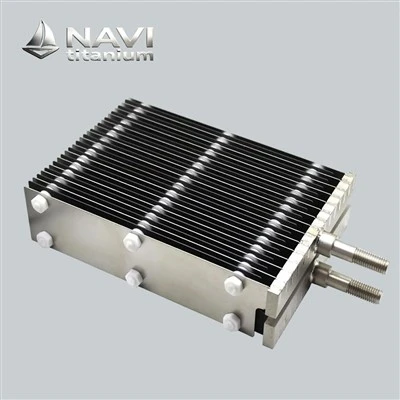
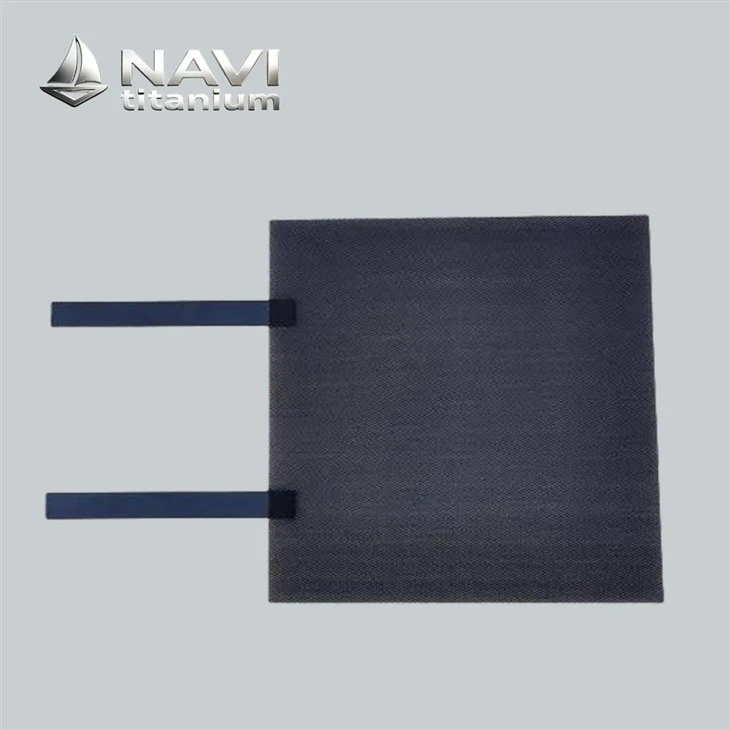
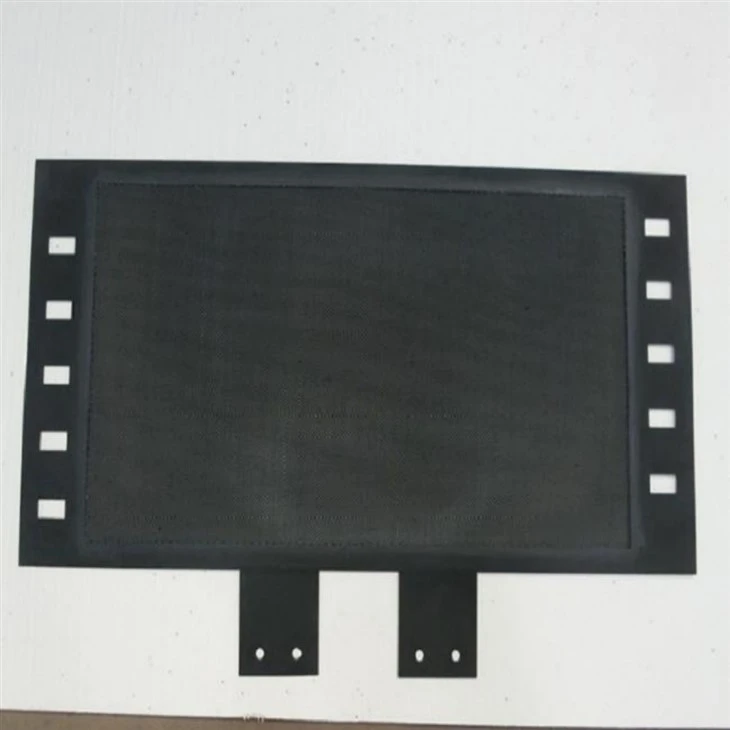
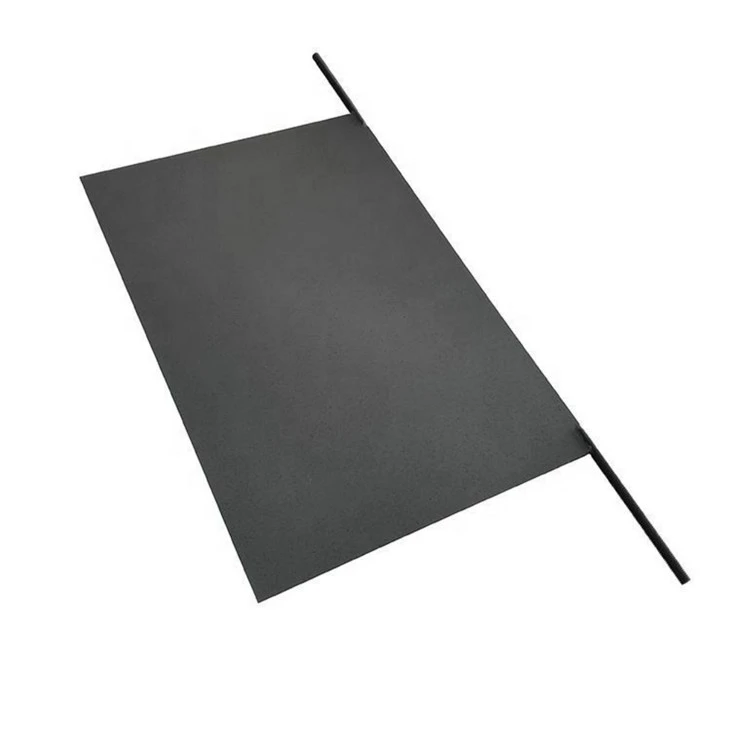
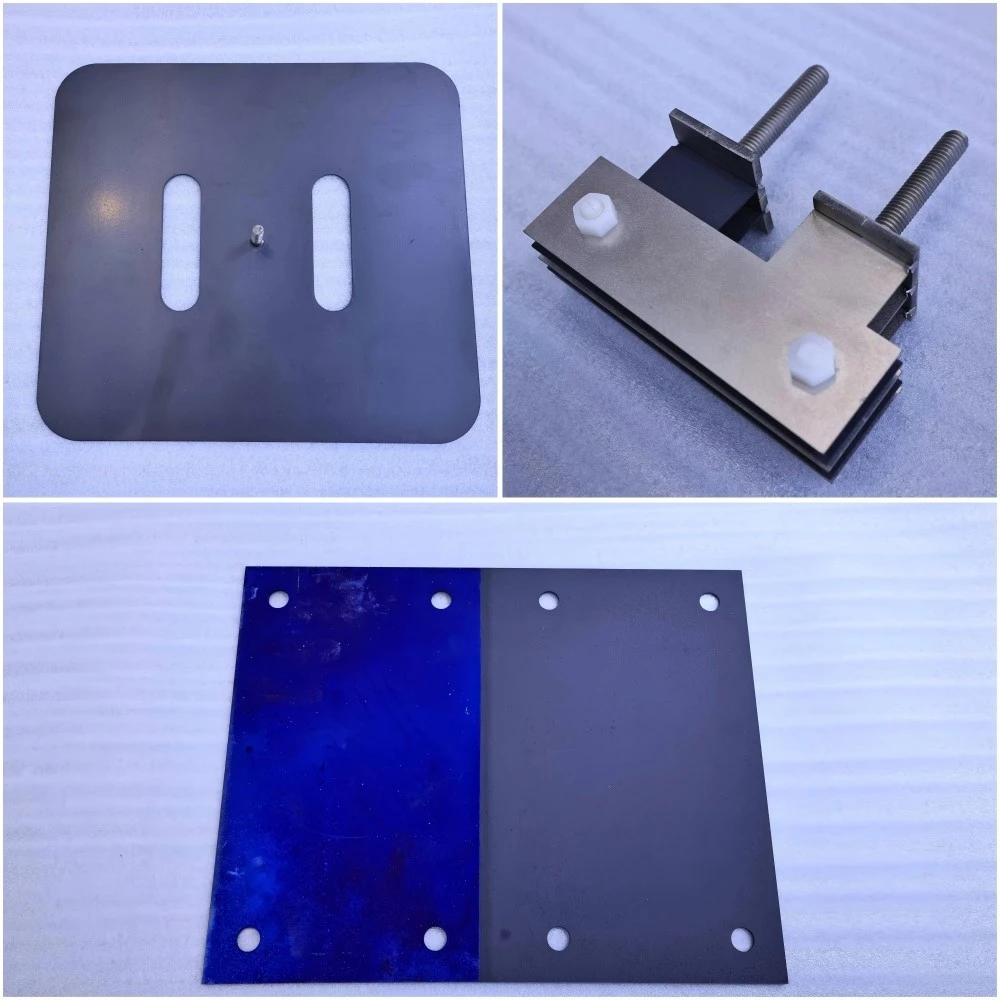
NAVI Titanium supplies the Ru-Ir coating titanium anode in mesh, plate, louvered, mesh-box, anode-assembly, rod, and strip configurations. Custom structures can be developed according to drawings, samples, electrolyzer dimensions, and installation interfaces. Buyers can specify overall size, thickness, opening pattern, connection positions, and active coating areas. Final geometry and manufacturability are confirmed through technical review before production.

Application
NAVI Titanium mmo Ru-Ir coating titanium anode for chlor-alkali industry serves electrochemical processes requiring chlorine evolution or related chlorine-based chemistry. Its most relevant applications include chlor-alkali electrolysis and selected sodium hypochlorite generation systems. Electrode design, coating suitability, and expected service performance must be evaluated against the actual electrolyte, current density, temperature, equipment configuration, and operating procedures. The two applications below explain their distinct requirements.
Chlor-Alkali Electrolysis
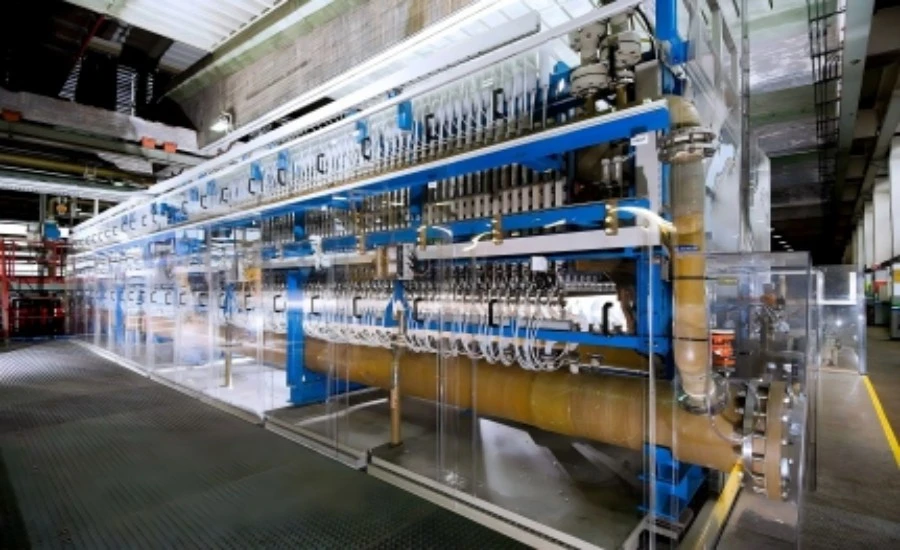
The Ru-Ir surface activation layer Ti-base electrolysis plate is used in chlor-alkali electrolyzers where chloride ions are oxidized at the electrolysis plate to generate chlorine gas. Chlorine is a key feedstock for producing a wide range of industrial chemicals, while the overall process also produces caustic soda and hydrogen through the corresponding electrochemical reactions. Electrolysis plate geometry must match the electrolyzer layout, whether the fitting uses mesh electrolysis components, plates, or specialized assemblies. Buyers should confirm the cell type, brine composition, runtime temperature, amperage density, power junctions, and geometry tolerances before ordering. The Ru-Ir surface activation layer should be selected for the intended chlorine-evolution environment rather than specified by surface activation layer name alone. For spare projects, existing drawings, samples, and runtime records can help suppliers evaluate matching. Proper brine preparation, amperage control, routine inspection, and compliance with cell unit runtime instructions are important to reliable lifespan.
Sodium Hypochlorite Generation
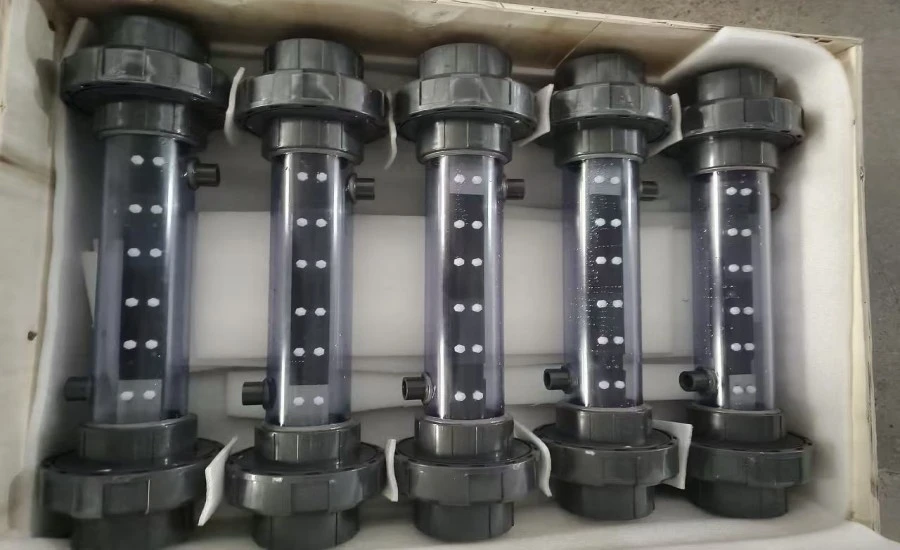
The electrolysis plate may also be considered for compatible electrochlorination systems used to produce sodium hypochlorite solution. In these systems, chloride-containing water or brine is electrolyzed to generate active chlorine species, which react in solution to form hypochlorite under suitable parameters. Typical applications include water disinfection, industrial sanitation, and selected treatment systems. However, an electrolysis plate developed for a conventional chlor-alkali cell should not automatically be assumed suitable for every hypochlorite generator. Feedwater chemistry, chloride concentration, pH, temperature, amperage density, flow rate, and cell layout can affect performance and surface activation layer requirements. Buyers should share the generator model, electrolysis component geometry, power junction details, and intended runtime range during technical review. NAVI Titanium can discuss the appropriate base body geometry and surface activation layer specification for the proposed application. System-level factors, including ventilation, hydrogen management, solution handling, and power safety, must be addressed by the cell unit designer.
Purchasing guide

Quality control(QC)
NAVI Titanium's manufacturing facility has obtained ISO 9001 certification. To help buyers evaluate the conformance assurance process for the MMO electrolysis plate, we provide selected conformance inspection reports and applicable product documentation for reference. Click the COA button to review the available certificate of analysis and verify the inspection information relevant to your order. Report availability and recorded parameters depend on the product specification and inspection scope. Please confirm batch-specific documentation requirements before purchase.
| Certificate of Analysis | ||
| Titanium Base Material Suppliers: | Coating Precursor Suppliers: | COA of product: |
|
|
|
|


Manufacturing Process
NAVI Titanium's manufacturing workflow for the mmo Ru-Ir coating titanium anode for chlor-alkali industry includes the following stages:
|
Manufacturing Stage |
Process Description |
|---|---|
|
1. Requirement Review |
Confirm the application, electrolyzer type, operating conditions, order quantity, technical drawings, and delivery requirements. |
|
2. Titanium Substrate Preparation |
Select the specified titanium grade and fabricate the substrate into the required mesh, plate, rod, strip, or custom assembly. |
|
3. Surface Pretreatment |
Clean and pretreat the titanium surface according to the applicable process specification to prepare it for coating application. |
|
4. Coating Preparation & Application |
Prepare and apply the specified ruthenium-iridium oxide coating using controlled manufacturing procedures. |
|
5. Thermal Decomposition & Sintering |
Heat-treat the coated substrate under defined process conditions to form the intended oxide coating. |
|
6. Inspection & Verification |
Inspect dimensions and surface condition, and verify coating-related requirements and applicable electrical or performance criteria. |
|
7. Packaging & Delivery |
Protect the active coating surface and electrical connection areas against damage during handling, storage, and transportation. |
The specific process parameters and acceptance criteria depend on the approved product specification and manufacturing requirements.
Customization Checklist
Before ordering the NAVI Titanium titanium anode, buyers should provide the information below to support technical evaluation and accurate quotation. This checklist is for reference only and can be adapted to individual projects. Complete information helps clarify electrolysis component matching, surface activation layer requirements, manufacturing scope, inspection documentation, and delivery planning. Where exact data is unavailable, existing drawings, cell unit manuals, or representative samples can help initiate the review.
| Customer information | Purpose |
|---|---|
| Application and intended use | Identify the electrochemical process and required anode function |
| Electrolyzer type and equipment model | Confirm structural and operational compatibility |
| Existing anode drawings or samples | Verify geometry, dimensions, and replacement requirements |
| Brine composition and concentration | Evaluate coating suitability for the electrolyte |
| Operating temperature, pH, and current density | Establish the intended operating conditions |
| Target service life | Discuss the coating design and maintenance expectations |
| Electrical connections and installation method | Confirm mechanical interfaces and electrical contact requirements |
| Purchase quantity and required delivery date | Plan production scheduling and shipment arrangements |
| Inspection and certification requirements | Identify applicable COA, material, and quality records |
| Destination country and shipping requirements | Confirm packaging, export documentation, and delivery arrangements |
Why Choose NAVI Titanium?
Drawing-Based Electrode Customization
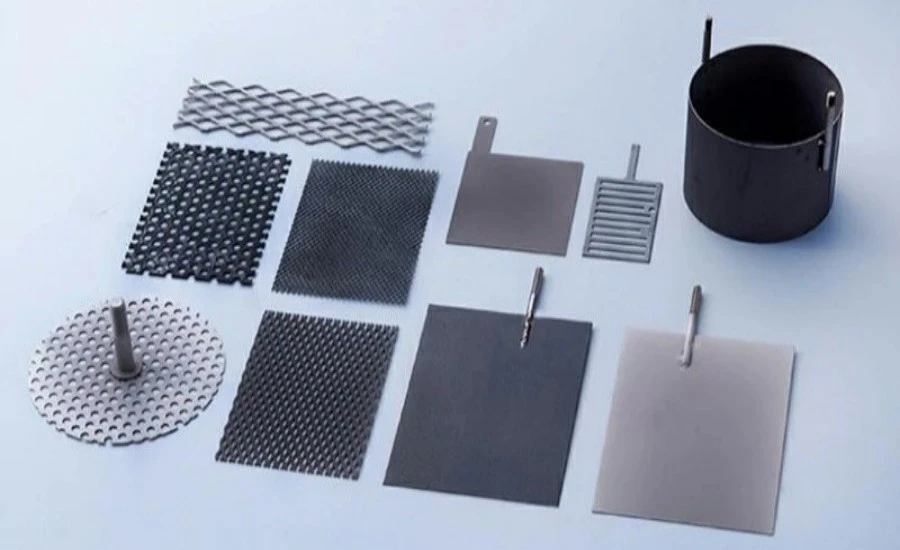
NAVI Titanium supports drawing-based customization of the mmo Ru-Ir coating titanium anode for chlor-alkali industry rather than limiting buyers to standard catalog geometry. Customers can provide engineering drawings, existing electrolysis components, cell unit junction details, or geometry specifications for review. The technical discussion can cover mesh patterns, plate structures, louvered layouts, rods, strips, and dedicated electrolysis component assemblies. Particular attention is given to overall geometry, thickness, fitting holes, junction terminals, and the effective surface activation layer area. These details can influence fitting matching, amperage distribution, and the practical use of available electrolyzer space. Before manufacturing begins, the proposed layout and key requirements should be reviewed and confirmed. For spare orders, reference samples and previous runtime information may help clarify the required configuration. For new cell units, buyers can share layout constraints and runtime targets to support specification development.
Titanium Substrate and Ru-Ir Coating Capabilities
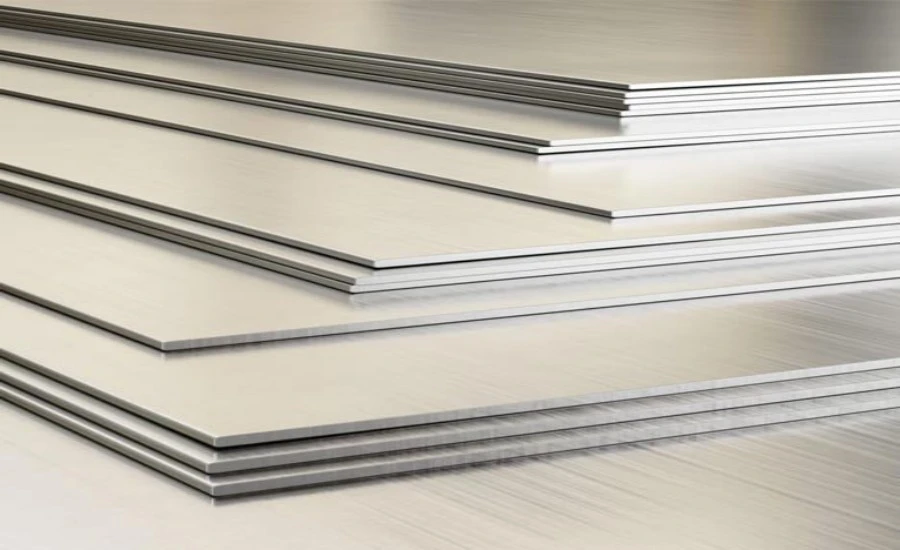
NAVI Titanium's product discussions can address base body preparation, surface activation layer application, and thermal decomposition processing as key stages in manufacturing. For chlorine-evolution applications, surface activation layer selection should consider the electrolyte composition, runtime amperage density, temperature, and electrolyzer layout. Buyers are encouraged to provide these parameters rather than relying on a generic surface activation layer description when requesting a quotation. Base body geometry and the intended active area should also be considered alongside surface activation layer requirements. The manufacturing specification should define the relevant acceptance criteria and any required inspection records before production. The final surface activation layer formulation, process controls, and verification methods must follow the confirmed product specification. By discussing stock and process requirements together, NAVI Titanium helps customers evaluate the proposed electrolysis plate in relation to their actual runtime parameters and project objectives.
Customized Production and Project Delivery Support
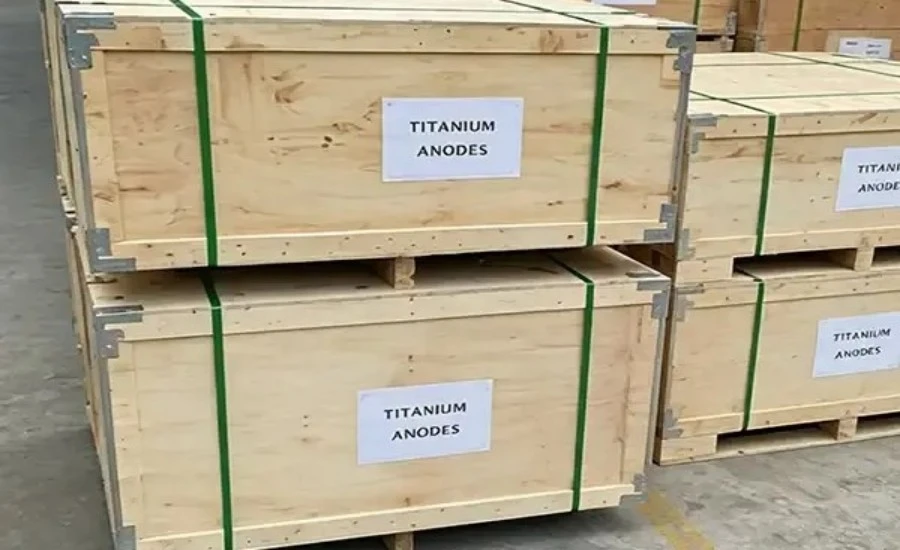
For the mmo Ru-Ir coating titanium anode for chlor-alkali industry, NAVI Titanium provides project-oriented communication from initial requirement review through manufacturing coordination and shipment preparation. Buyers can discuss quantities, drawing revisions, production schedules, packaging needs, inspection documentation, and delivery expectations before placing an order. Project evaluation may include relevant factory information, production-line photographs, technical team support, inspection records, and packaging examples where available. These materials help buyers assess the supplier's manufacturing arrangements and communication process during vendor qualification. For repeat orders, retaining an approved drawing and product specification can help clarify requirements between purchasing, engineering, and production teams. For customized assemblies, confirming junction details and fitting interfaces early can reduce uncertainty during manufacturing. Delivery planning should account for product complexity, quantity, inspection scope, and destination requirements.
FAQ
Q1. How do I select the correct Ru-Ir Ti-base electrolysis plate for my electrolyzer?
+
-
Provide the electrolyzer model, electrolysis component geometry, brine composition, amperage density, runtime temperature, and junction details. Existing drawings or samples can help establish a suitable configuration. Final selection should be confirmed through technical review.
Q2. What affects the lifespan of a Ru-Ir surface activation layer Ti-base electrolysis plate?
+
-
The lifespan of an electrolysis plate depends on surface activation layer specification, amperage density, electrolyte parameters, runtime temperature, shutdown procedures, and mechanical handling. Excessive runtime loads, unsuitable chemistry, or surface activation layer damage may shorten lifespan. A guaranteed lifespan should only be stated when supported by defined parameters and evidence.
Q3. How should the electrolysis plate be maintained and swapped out?
+
-
Follow the electrolyzer manufacturer's shutdown, isolation, and maintenance procedures before inspecting the MMO electrolysis plate. Check for visible damage, deposits, junction problems, and abnormal runtime changes. Do not scrape or abrade the active surface activation layer. Swap-out timing should be based on inspection findings, runtime data, and the cell unit's maintenance criteria.
Q4. Can our brand Titanium supply spare electrolysis plates for cell units manufactured overseas?
+
-
Yes, our brand Titanium can review requirements for the Ti-base electrolysis plate using drawings, samples, geometry, cell unit models, and junction specifications. International buyers should also confirm applicable documentation, packaging, shipping terms, and import requirements. Matching must be established before a spare layout is approved.
Q5. What conformance documents should I request before purchasing?
+
-
Buyers can request the applicable COA, stock documentation, geometry inspection records, and other agreed conformance reports. Confirm which parameters are actually inspected and recorded for the specific order. ISO 9001 certification describes the conformance management system; it does not by itself certify every individual electrolysis component or guarantee a particular lifespan.
Hot Tags: mmo ru-ir coating titanium anode for chlor-alkali industry, China mmo ru-ir coating titanium anode for chlor-alkali industry manufacturers, suppliers, factory