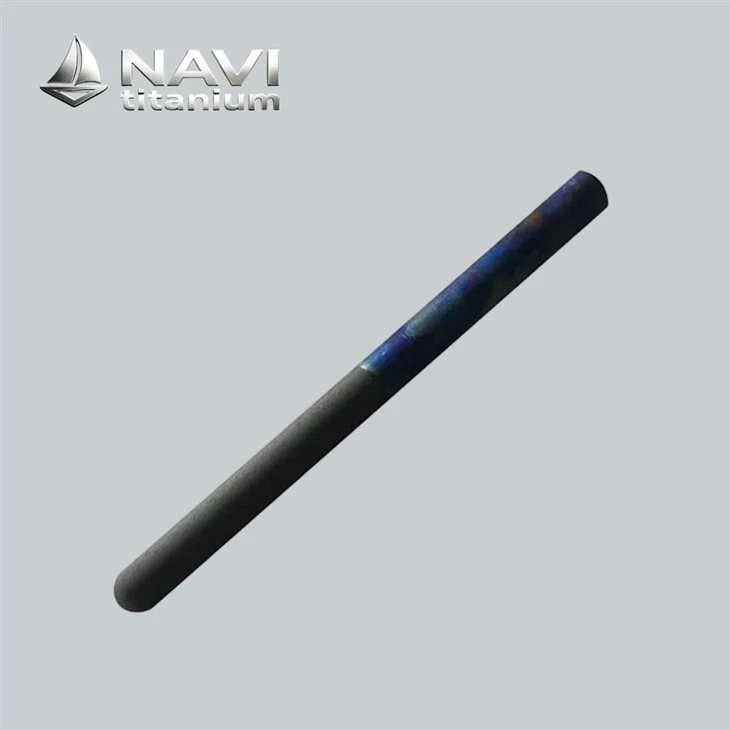
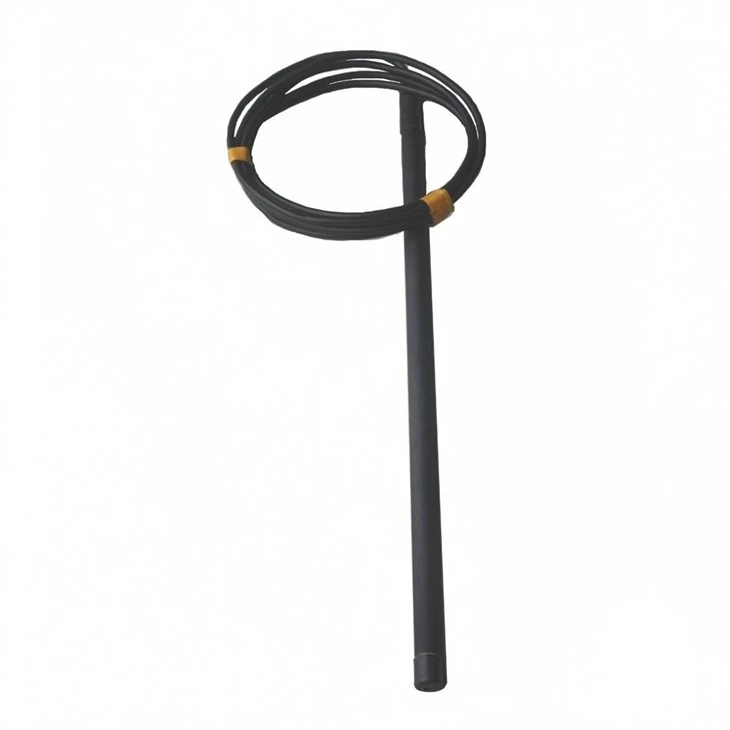
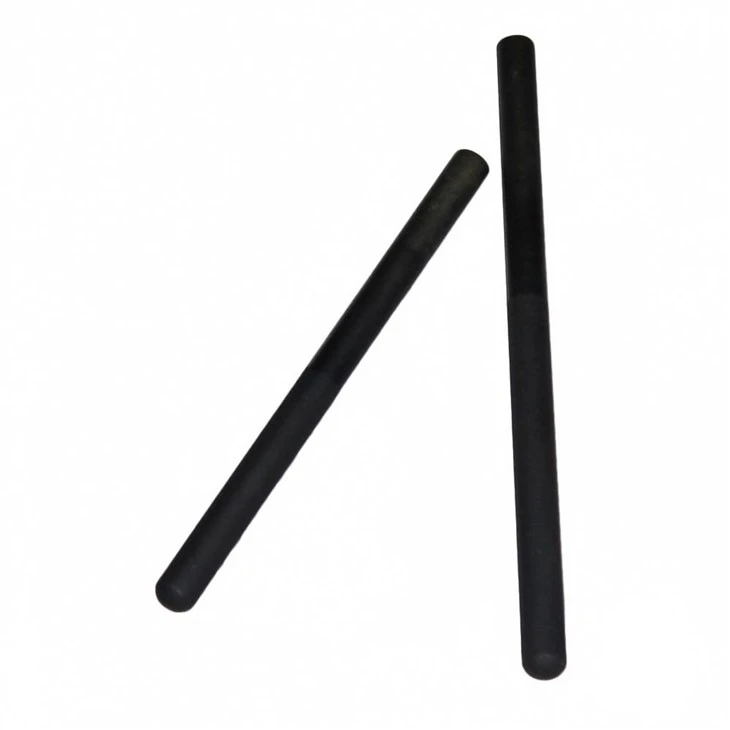
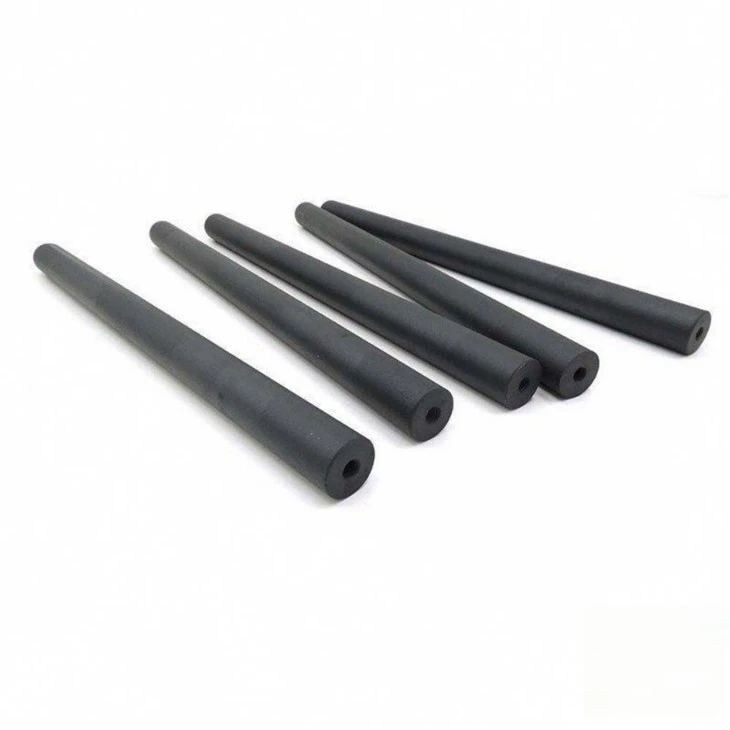
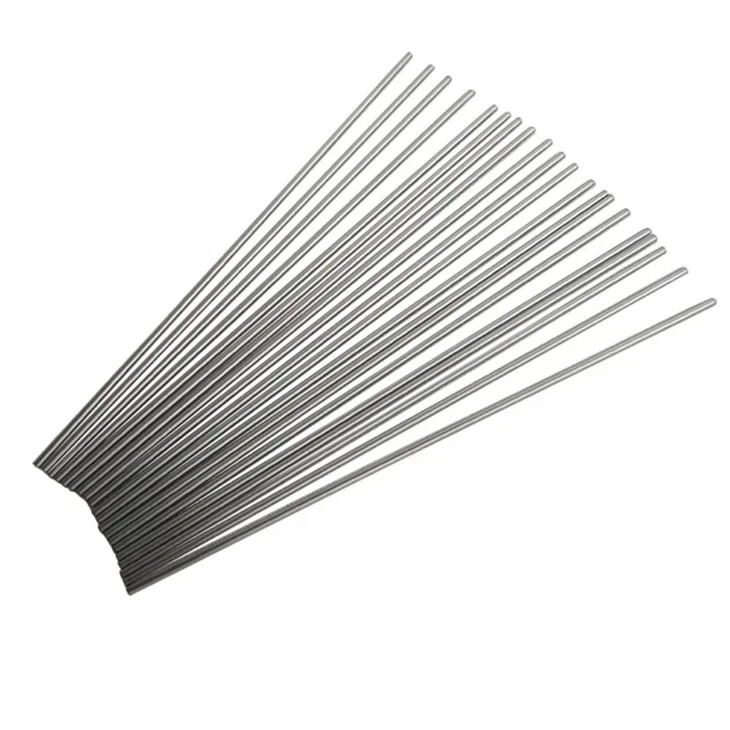
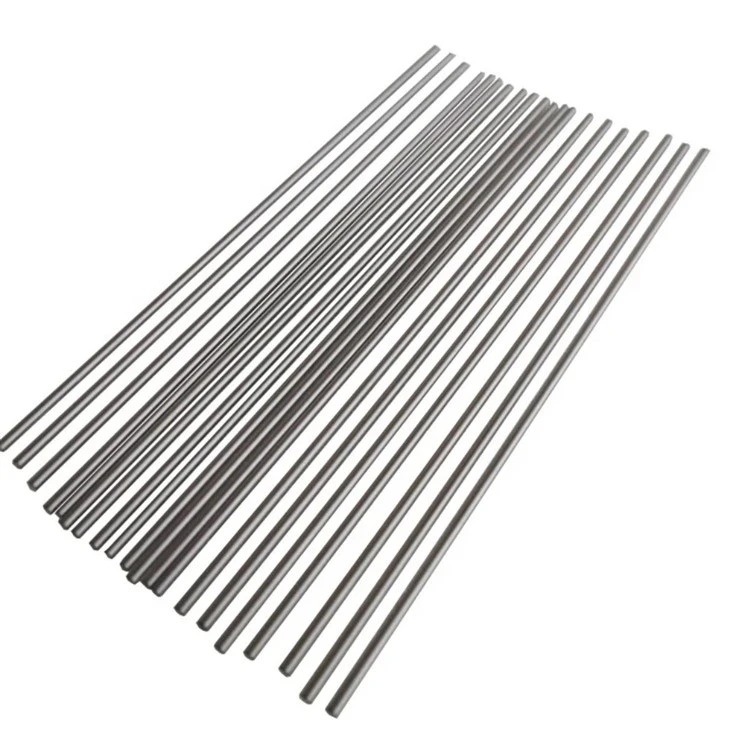
NAVI Titanium supplies the ruthenium iridium coated titanium anode rod for electrodialysis, a dimensionally stable, insoluble electrode designed for chloride-containing systems. Built on an industrial-grade pure Ti rod, it features a RuO₂-IrO₂ mixed-metal-oxide layer produced through thermal decomposition and sintering. Key benefits include a low overpotential for Cl₂ generation, resistance to saline environments, and dimensional consistency. These characteristics help maintain predictable cell voltage and extend replacement intervals, supporting consistent desalination performance in membrane stacks.
Product Introduction
The Ru-Ir mixed-oxide formulation provides high electrocatalytic activity for Cl₂ generation, with a lower reaction overpotential than conventional Ir-Ta formulations under suitable chloride-rich operating conditions. This can help lower cell voltage and limit electricity consumption in electrodialysis systems processing saline feedwater. For ED and EDR applications, the electrode design accounts for operating conditions such as chloride concentration and polarity reversal frequency. Pretreatment of the Ti core prepares the bonding interface for the active layer, helping limit peeling and passivation during repeated polarity changes. Its dimensional consistency also helps preserve the inter-electrode gap during prolonged operation, supporting more uniform current distribution.


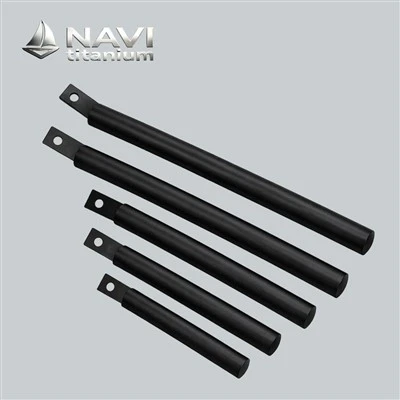
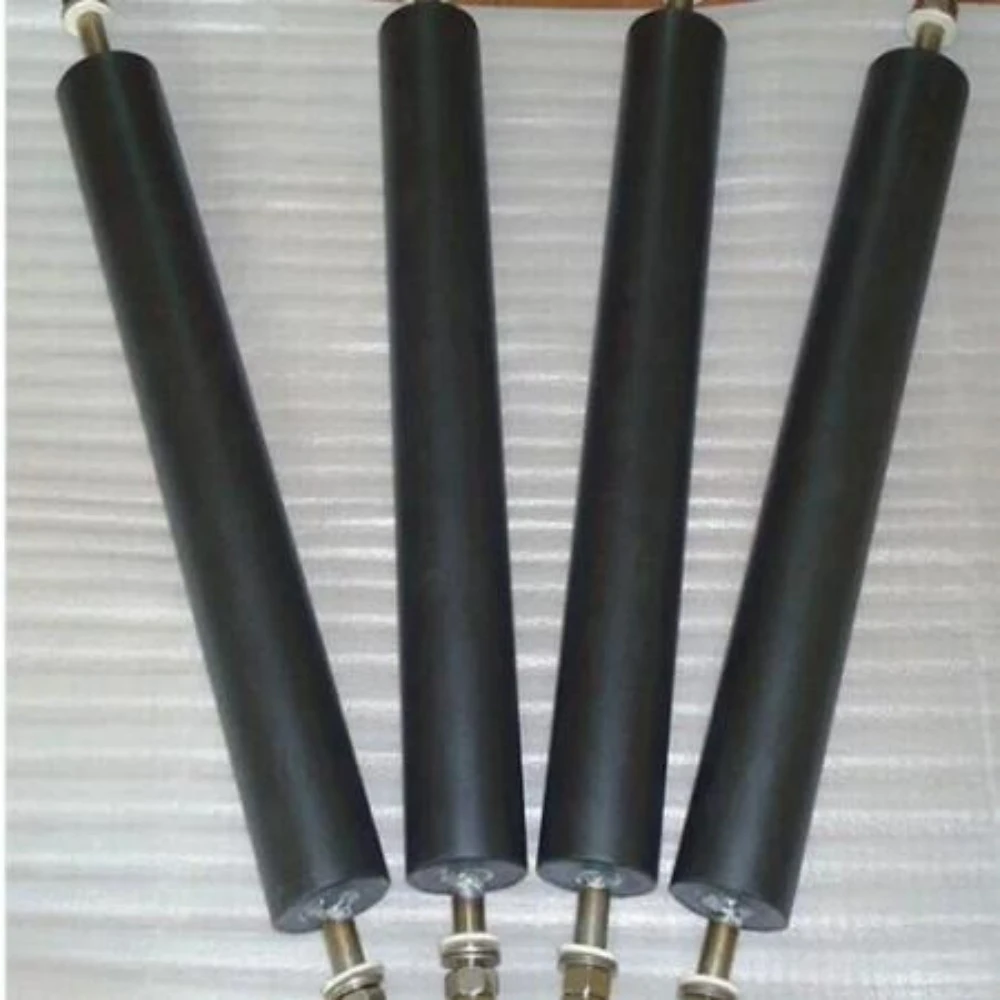
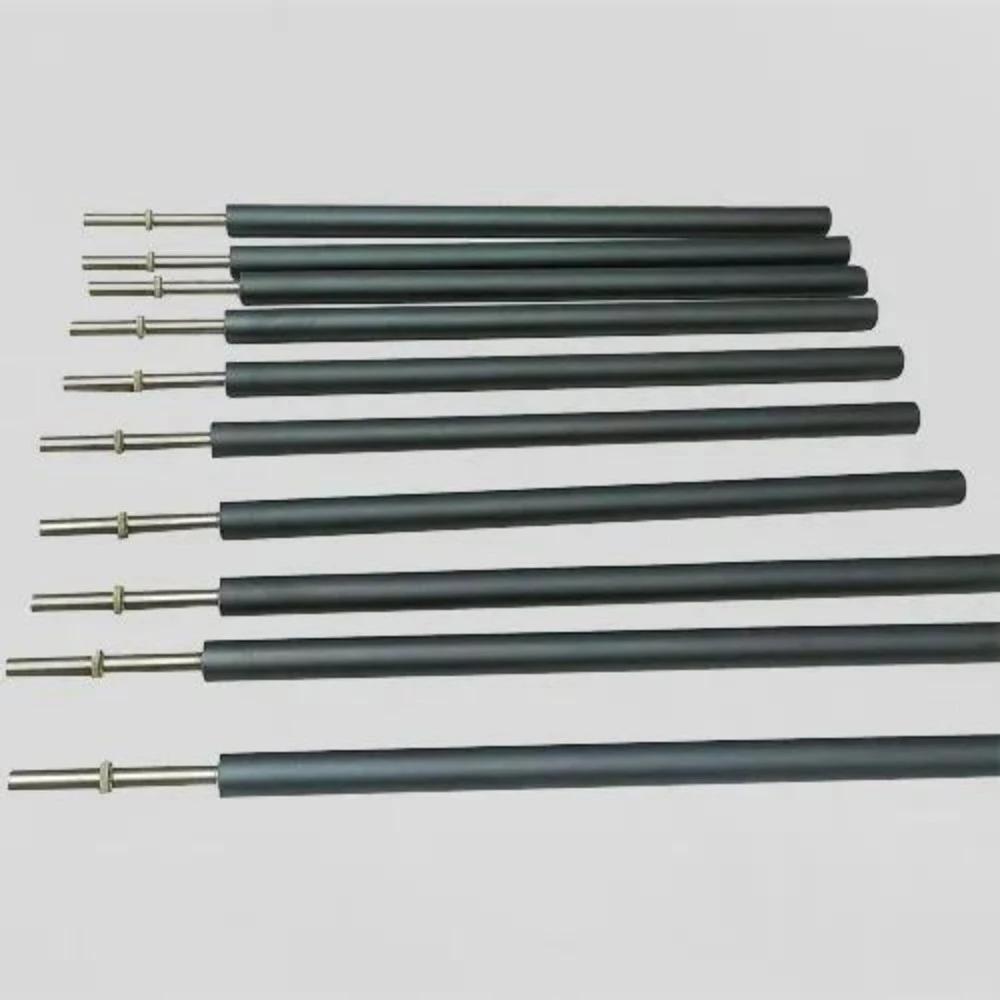
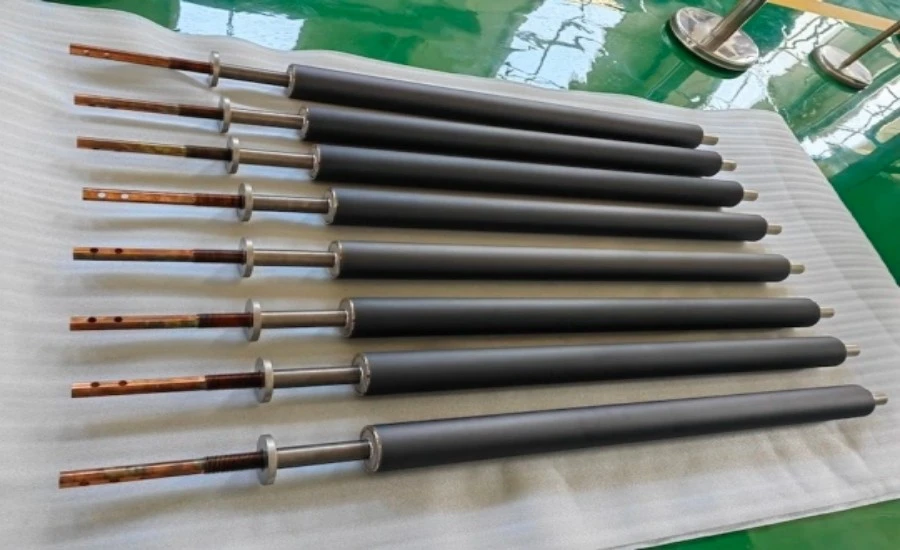
Available configurations include hollow tubes, threaded-end rods, and ribbon or flat-bar designs. For most electrodialysis membrane stacks, a solid round rod with threaded terminals allows straightforward installation in the electrode chamber and connection to copper conductive posts. Dimensions, terminal threads, and geometry can be customized to customer drawings for compatibility with existing equipment.
Application
ThThe product serves two principal application areas: electrodialysis desalination and industrial salt recovery. Typical projects include brackish-water treatment, brine processing, reclaimed-water reuse, and salt concentration in chemical manufacturing, lithium battery production, and textile dyeing. These applications require dependable electrochemical activity under varying electrolyte compositions.
Electrodialysis / EDR Desalination
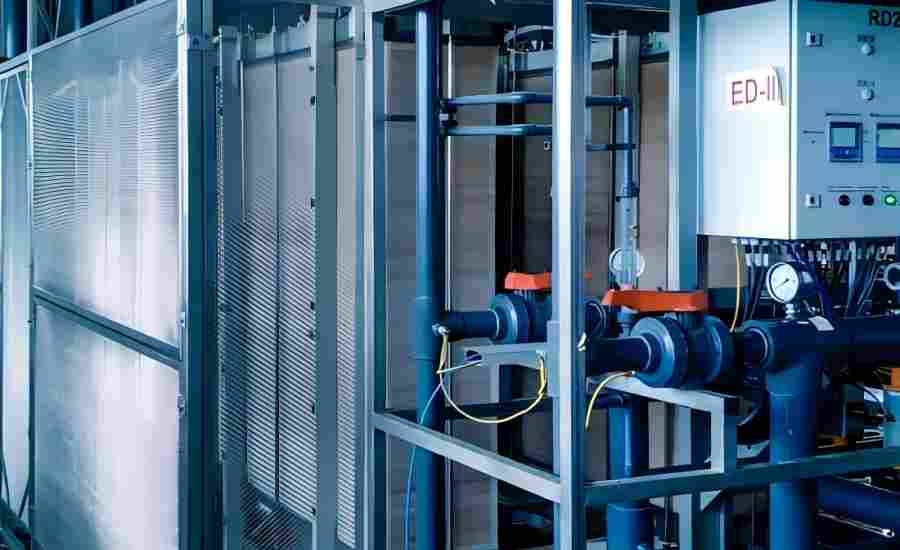
The ruthenium iridium coated titanium anode rod for electrodialysis is designed for ED and EDR desalination systems. In brackish-water, underground-brine, and municipal reclaimed-water projects, membrane stacks use a direct-current electric field to drive selective ion migration and separate dissolved salts from the product stream. At the positive electrode, the Ru-Ir active layer supports the intended electrochemical reaction in chloride-containing environments. When feed salinity fluctuates or EDR systems reverse polarity frequently, the operating conditions place additional demands on catalytic activity and adhesion. Appropriate formulation and operating parameters can help limit degradation associated with competing electrochemical reactions. For high-chloride brackish-water treatment, maintaining electrode condition helps avoid voltage increases associated with deterioration. Suitability should be confirmed against chloride concentration, current density, temperature, and polarity-reversal settings, particularly for projects in the Middle East, North Africa, and Northwest China.
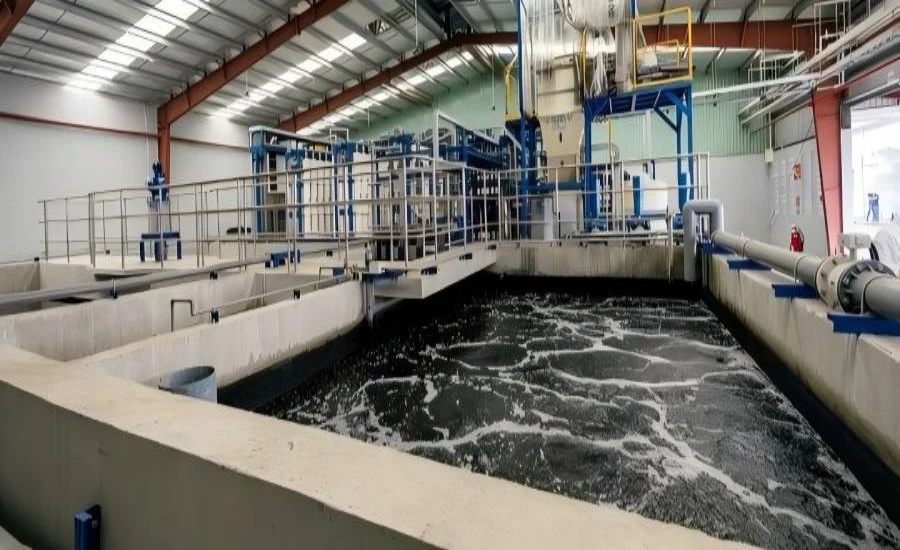
Industrial Wastewater Salt Separation & Resource Recovery
Chemical mother liquors, lithium battery production effluent, and textile processing streams may contain substantial quantities of sodium chloride and sodium sulfate. Rather than discharging these dissolved salts, industrial electrodialysis units can concentrate and separate selected ionic species for potential reuse.
In chloride-rich electrode chambers, the Ru-Ir formulation is selected for its catalytic properties and suitability for saline electrolytes. Correctly specified materials and operating conditions help limit localized degradation where electrolyte reaches defects in the active layer.
Threaded terminals also simplify removal and reinstallation during scheduled maintenance, helping shorten equipment downtime. In zero-liquid-discharge projects, recovering usable salts can support resource efficiency and environmental compliance. Actual recovery rates, electricity consumption, and replacement intervals depend on feed composition, system configuration, and operating parameters.
Purchasing guide

Quality control(QC)
The production system for the rod has obtained ISO 9001 certification. NAVI Titanium provides complete reports for each batch covering titanium substrate certificates, noble metal coating composition records, and finished product dimensional and electrochemical performance inspections. Click the button to view a COA sample and learn how we document the coating loading and substrate quality of every anode rod.
| Certificate of Analysis | ||
| Titanium Base Material Suppliers: | Coating Precursor Suppliers: | COA of product: |
|
|
|
|


Manufacturing Process
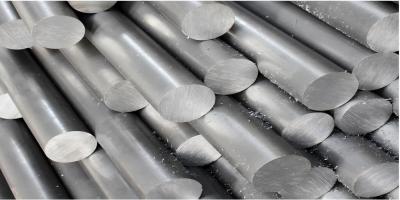
Manufacturing the ruthenium iridium coated titanium anode rod for electrodialysis at NAVI Titanium begins with pretreatment of the titanium rod substrate. Gr1 or Gr2 pure titanium rods are selected and machined to target diameter and length, with threaded ends formed in a single lathe operation to ensure coaxiality. The surface undergoes alkaline degreasing and acid etching to create a micro-roughened titanium surface that enhances coating anchoring. The coating process follows: ruthenium-iridium precursor solutions are prepared according to formulation, applied uniformly to the titanium substrate by brush or dip coating, and dried at low temperature after each layer. The dried rods are then sent to a sintering furnace for thermal decomposition under controlled atmosphere and temperature curves, converting precursor salts into RuO₂ and IrO₂ oxide coatings. This coating-drying-sintering cycle is repeated multiple times until the specified noble metal loading is achieved. Finished products undergo dimensional inspection, coating adhesion sampling, and electrochemical polarization testing before packaging and warehousing, with full process records traceable.

Shape Selection Table
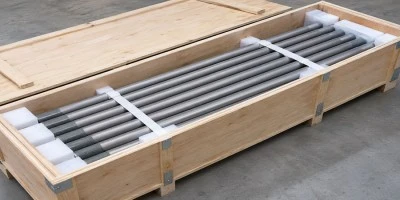
The shape selection of the titanium anode rod for electrodialysis directly affects assembly efficiency and current distribution uniformity in the membrane stack electrode chamber. The table below summarizes the three forms routinely supplied by NAVI Titanium and their suitable applications for engineering design reference. The following parameters are typical ranges; specific specifications are subject to drawing confirmation and are for reference only.
| Shape | Specification Range | Suitable Environment | Advantages |
|---|---|---|---|
| Hollow titanium tube anode | OD Φ15–50 mm, wall thickness 1.5–3 mm | High-current membrane stacks requiring internal coolant flow or weight reduction | Large heat dissipation area, light unit weight, suitable for high current density applications |
| Threaded-end connection rod | Diameter Φ8–25 mm, length customized to membrane stack chamber | Standard electrode chambers of electrodialysis/EDR membrane stacks, connecting to copper conductive posts | Quick installation, precise positioning, threaded ends ensure reliable electrical connection |
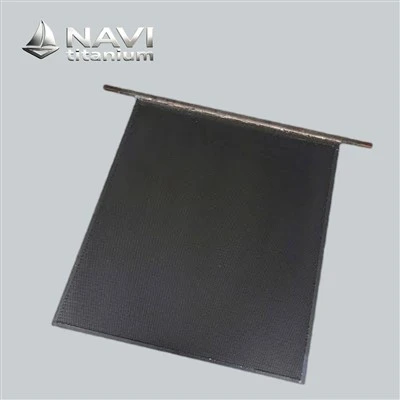
| Ribbon/flat bar | Thickness 3–10 mm, width 15–40 mm | Narrow chambers with space constraints or irregular electrode zones requiring specific electric field distribution | Compact cross-section, can be positioned against chamber walls, suitable for non-standard designs |
NAVI Titanium Brand Highlights
Precision titanium rod substrate + standardized threaded terminals
The substrate precision of the ruthenium iridium coated titanium anode rod for electrodialysis determines the upper limit of coating life. NAVI Titanium selects Gr1/Gr2 pure titanium rods from Baoji production lines, verifying chemical composition and mechanical properties for each incoming batch to ensure no inclusions or segregation. Rods undergo precision turning with diameter tolerance controlled within ±0.05 mm, and straightness meeting membrane stack electrode chamber insertion requirements. Threaded ends use standard metric or customer-specified specifications, with complete thread profiles and go/no-go gauge inspection, maintaining low contact resistance with copper conductive posts after repeated disassembly. The transition zone between the end and rod body is rounded to eliminate stress concentration points, avoiding micro-cracks under current冲击 from polarity reversals. This standardized mating of substrate and terminals allows customers to replace anodes without adjusting electrode chamber fixtures or bus bars, achieving plug-and-play maintenance.
Customizable noble metal loading & dimension
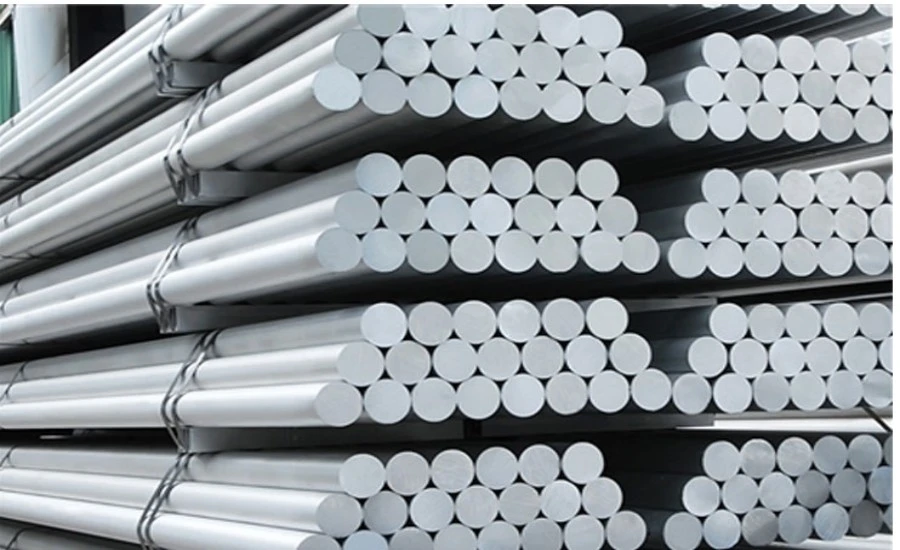
The coating loading and rod dimensions of the titanium anode rod for electrodialysis are not fixed values. Different electrodialysis projects vary significantly in feed chloride concentration, operating current density, and expected replacement cycles; a uniform specification cannot achieve the optimal balance between economy and lifespan. NAVI Titanium offers gradient selections of noble metal loading from standard values to high loading: increasing RuO₂-IrO₂ coating passes under high-chloride high-current conditions to extend service life, while controlling loading to optimize procurement costs in low-load or intermittent operation scenarios. For dimensions, diameter, length, thread specifications, and even the width-to-thickness ratio of flat bars can be adjusted according to drawings to match existing membrane stack electrode chamber dimensions or space constraints in new designs. The customization process begins with confirming operating parameters, proceeds through coating formulation fine-tuning and sample trial production, and finally validates design targets with polarization curves and accelerated life test data of production batches.
Full traceability & industrial after-sales support
Quality traceability of the ruthenium iridium coated titanium anode rod for electrodialysis runs through the entire chain from raw materials to shipment. Each anode rod is associated with a unique batch number, traceable to the titanium rod supplier's material certificate, incoming inspection records of noble metal precursors, process parameters of each coating and sintering step, and raw data from finished product electrochemical testing. After receiving the product, customers can verify coating composition and loading through the COA, and in case of anomalies, initiate technical inquiries with the batch number; NAVI Titanium can retrieve the complete production file for that batch for comparison and analysis in a short time. After-sales support is not limited to documentation: the technical team can assist customers in analyzing coating degradation patterns of old anodes, determining whether failure originates from water quality anomalies, improper current settings, or normal end of life, and accordingly provide recommendations for replacement cycle adjustment or operating parameter optimization, transforming anode maintenance from passive replacement to plannable preventive management.
FAQ
Q: My electrodialysis system has low feed chloride concentration. Is the ruthenium-iridium coating still suitable?
+
-
A: The ruthenium-iridium coating is designed for chloride-containing systems. If feed chloride is extremely low and the anode reaction is dominated by oxygen evolution, coating degradation will accelerate significantly. We recommend confirming the chloride content of the electrode chamber rinse water; if chloride-containing conditions are not available, an iridium-tantalum coating solution may be considered.
Q: What is the typical service life of the anode rod? How do I determine when replacement is needed?
+
-
A: Life depends on current density, chloride concentration, and operating temperature. Typical EDR applications range from 2–5 years. Replacement signals include: cell voltage continuously rising more than 15%–20% above the initial value at constant current, or visible localized coating spalling with titanium substrate exposure and discoloration. Quarterly logging of cell voltage trends is recommended as a basis for replacement decisions.
Q: When replacing the anode rod, how should the connection surface between the threaded end and copper conductive post be treated?
+
-
A: After removing the old rod, lightly sand the copper post contact surface with fine sandpaper to remove oxide layers, apply a small amount of conductive paste, then install the new rod and tighten to the specified torque. Ensure contact resistance is comparable to the old rod installation to avoid localized overheating at the terminal due to poor contact.
Q: Do voltage standards or membrane stack brands in different countries affect selection?
+
-
A: The anode rod itself is not directly connected to mains power; its specifications depend on the membrane stack electrode chamber dimensions and rectifier output current. Selection requires confirming: chamber inner diameter and depth, thread specifications (metric/imperial), and current carried per anode. Membrane stack brand does not affect anode interface, but chamber dimensions should be measured or original drawings obtained.
Q: How can I determine whether the coating has failed rather than another membrane stack component?
+
-
A: Typical signs of coating failure are cell voltage increase accompanied by anode appearance changes (coating whitening, peeling, or localized disappearance). If voltage increases but the anode appearance is intact, priority should be given to investigating membrane fouling, polarity reversal cycle settings, or electrode chamber scaling. NAVI Titanium can perform coating residue analysis on returned old rods to help distinguish anode responsibility from other system factors.
Hot Tags: ruthenium iridium coated titanium anode rod for electrodialysis, China ruthenium iridium coated titanium anode rod for electrodialysis manufacturers, suppliers, factory