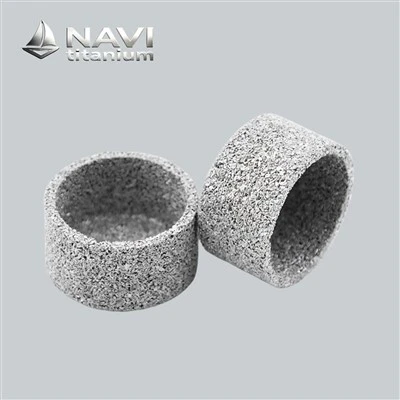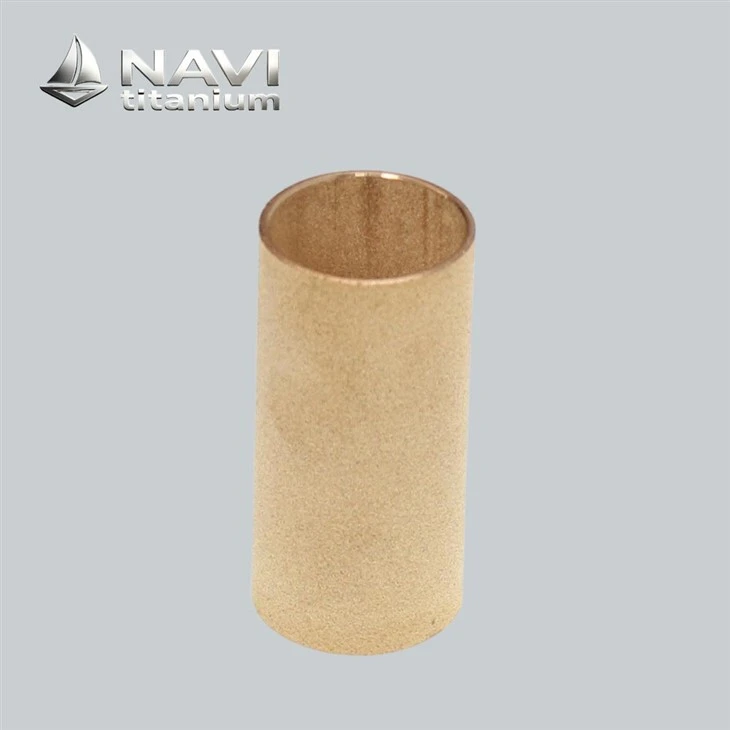
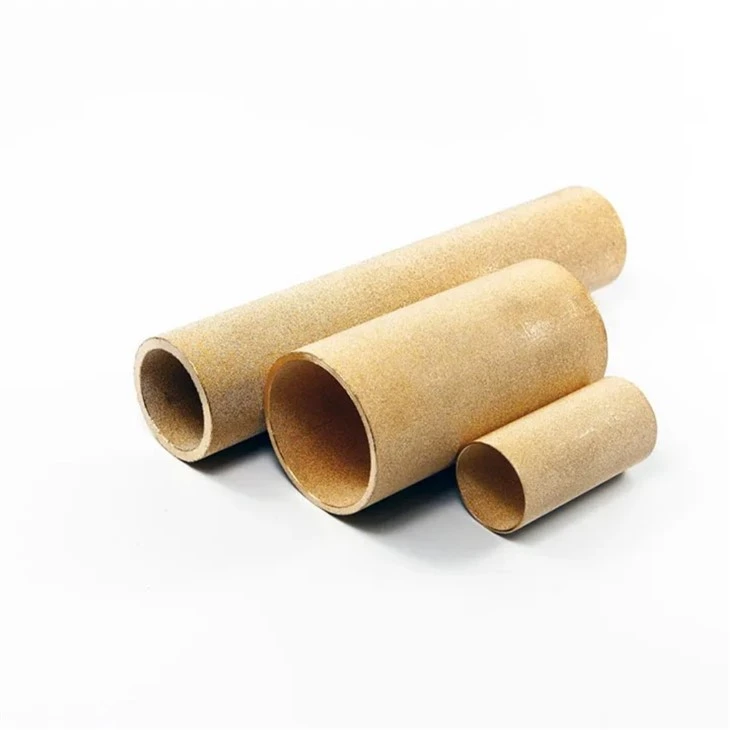
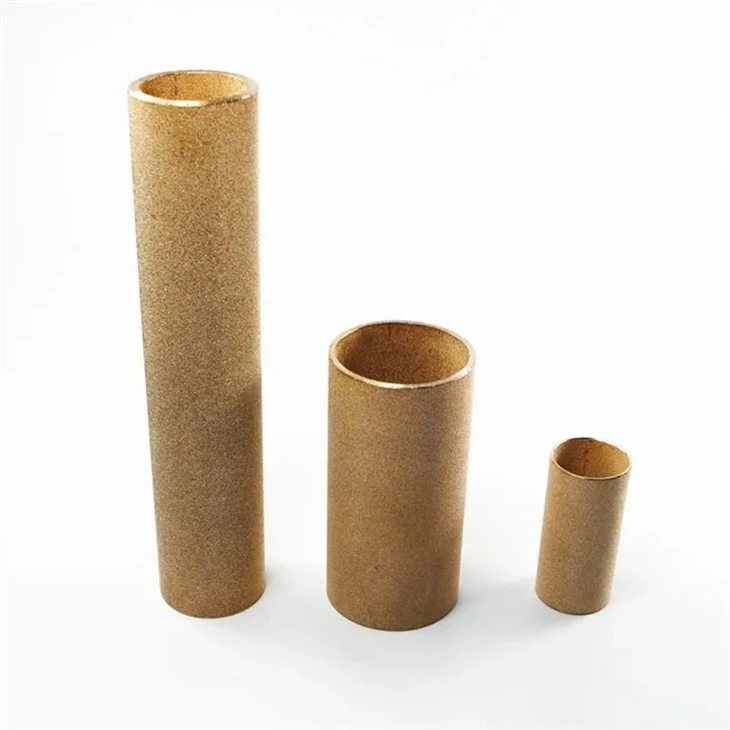
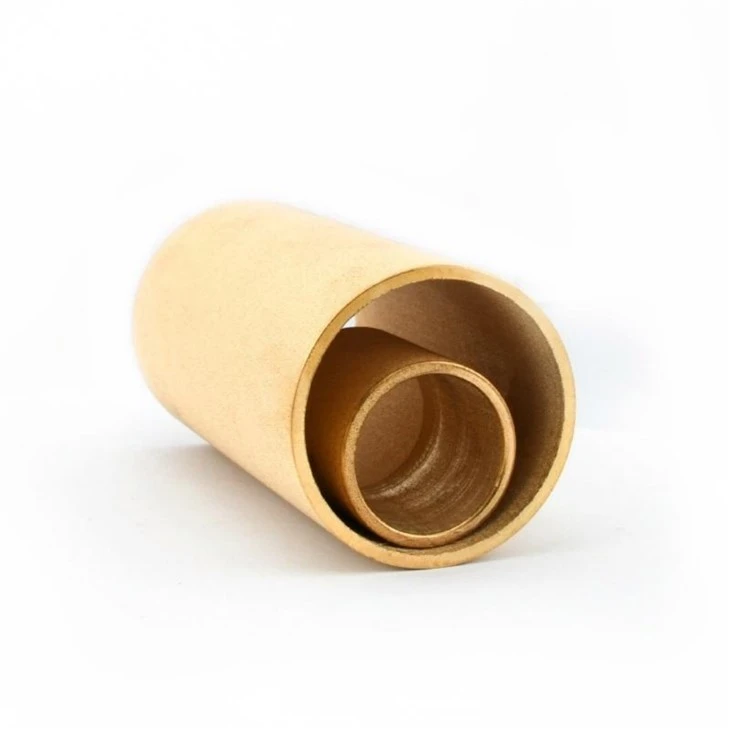
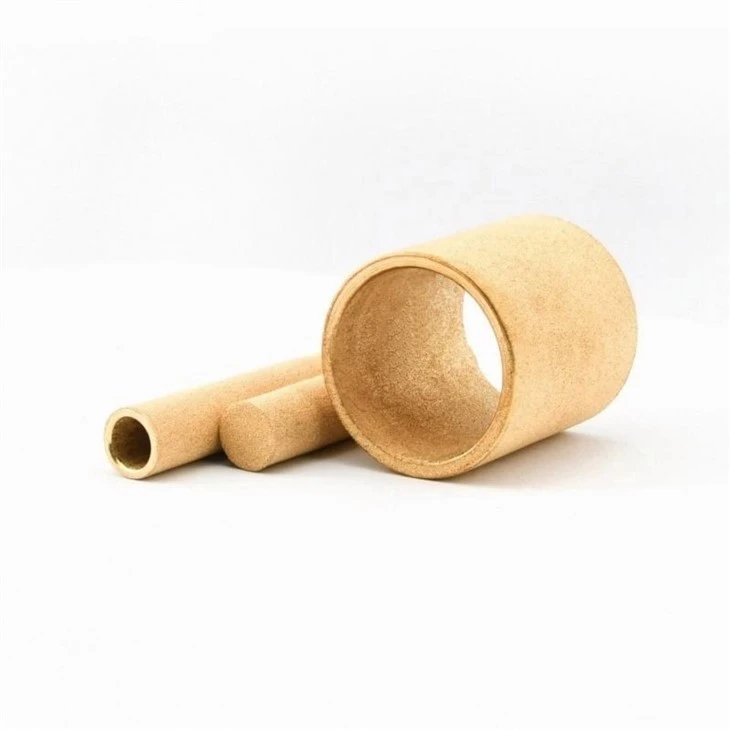
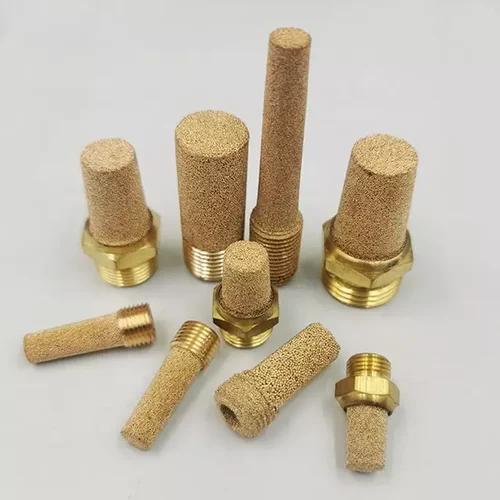
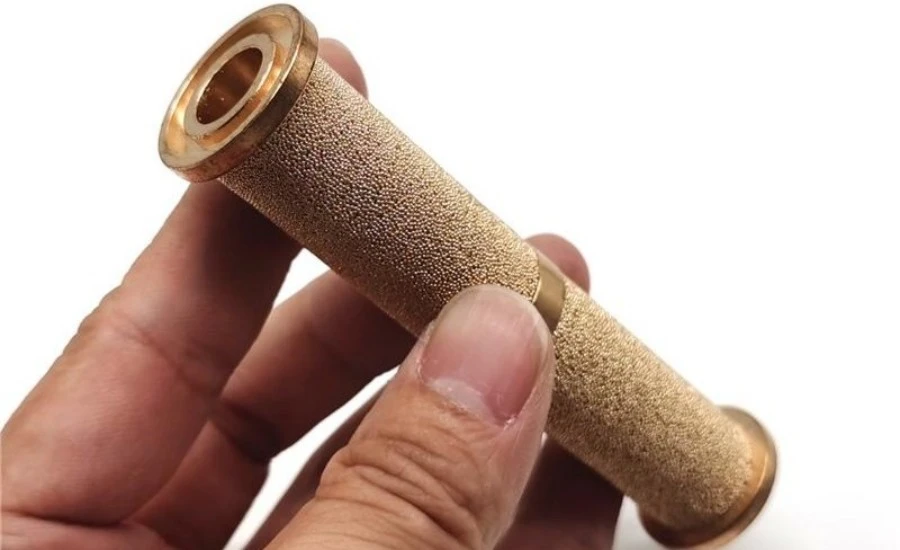
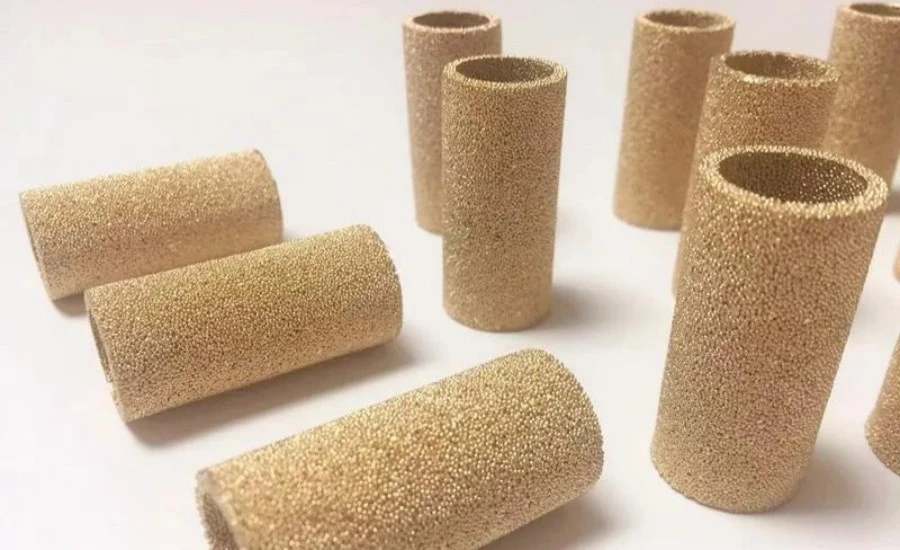
NAVI Titanium 3 to 90 microns porous metal sintered bronze filter pipe fitting for oil filter filtration system is a metal separation component designed to retain solid contaminants in process liquids. Formed through controlled powder consolidation, the tubular element provides interconnected passages for fluid movement while capturing unwanted debris. Available micron grades range from 3 to 90 μm, subject to specification confirmation. Custom dimensions and connection layouts can be developed from customer drawings, samples, and application details.
Solution of NAVI Titanium
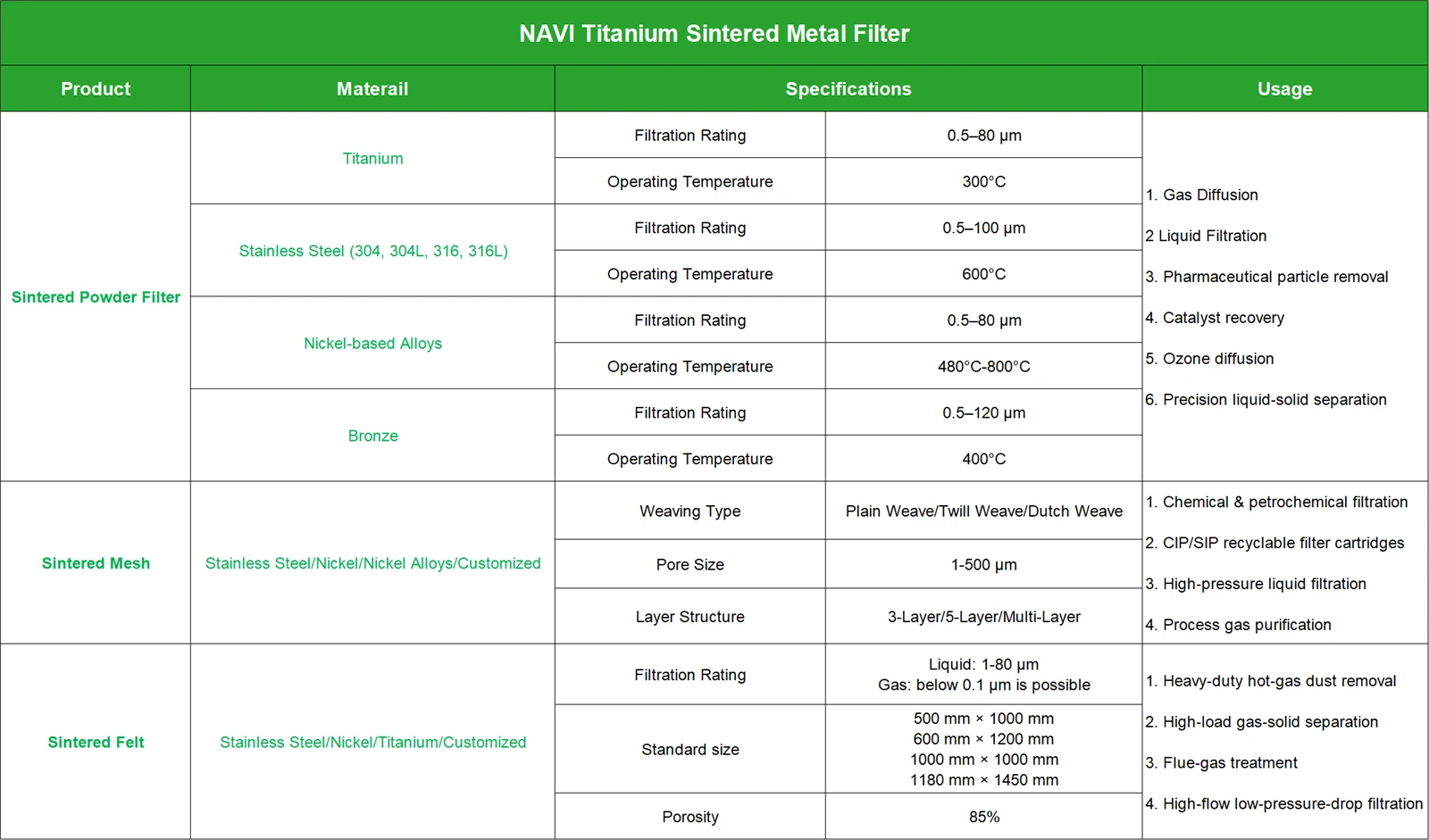
NAVI Titanium specializes in porous metal components produced from different metallic feedstocks. Our established production methods support parts requiring defined retention ratings, permeability, and throughput characteristics. The tubular bronze element is intended for hydraulic fluid, lubricants, and compatible combustible liquids. Its internal void structure retains suspended solids while allowing the working medium to pass through. Dimensions and joint configurations can be assessed against the host assembly. Material compatibility, temperature limits, allowable differential load, and separation performance must be confirmed for each application. The table below provides reference specifications for preliminary evaluation.


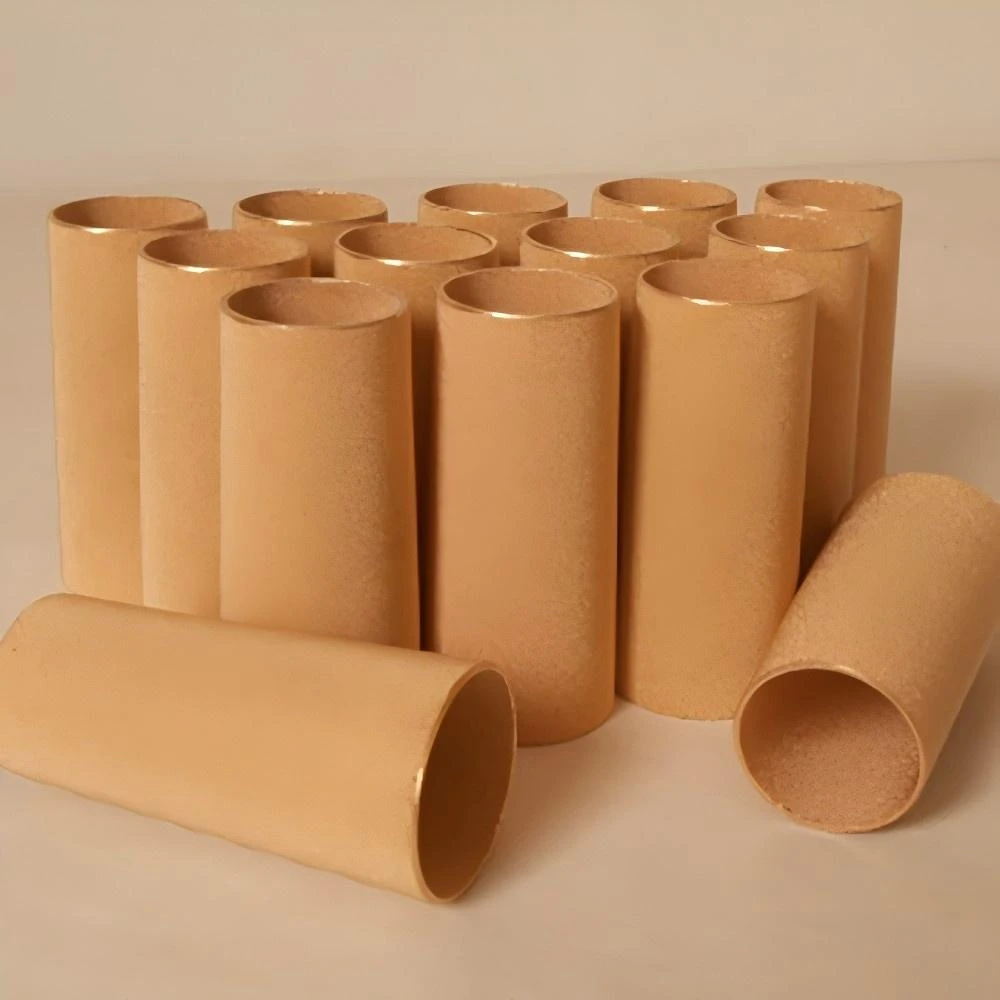
Sintered bronze elements are available in several tubular designs, including straight sections, flanged bodies, stepped profiles, and selected threaded connections, subject to design review. Customization can be based on drawings, reference samples, or dimensional requirements. Options include outside diameter, bore size, overall length, wall thickness, end geometry, and machined mounting features.

Application
NAVI Titanium 3 to 90 microns porous metal sintered bronze filter pipe fitting for oil filter filtration system is intended for fluid-cleaning installations, particularly hydraulic circuits, lubrication loops, and fuel transfer lines. The component retains solid debris according to the specified micron grade. Selection should account for liquid viscosity, contaminant dimensions, circulation rate, differential load, and temperature. Chemical compatibility and maintenance requirements must also be reviewed before integration into the target assembly.
Hydraulic & Lubrication Oil Filtration
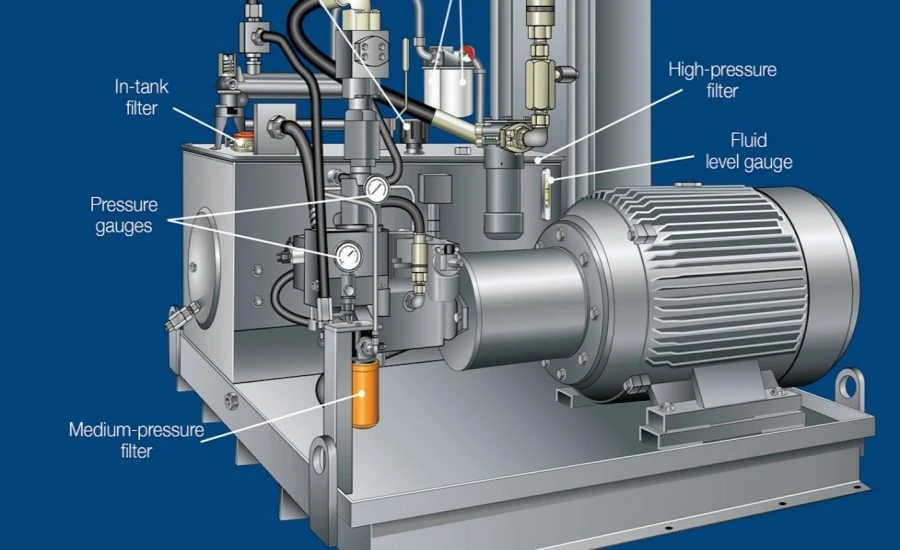
Fluid-power circuits and lubrication loops depend on clean media to protect pumps, control valves, bearings, gears, and other precision components. During service, metallic wear fragments, airborne dust, and maintenance residues may enter circulating liquids. These contaminants can obstruct narrow passages, accelerate component wear, and interfere with machinery operation.
The tubular elements can be considered for construction machinery, stationary power packs, gearbox lubrication assemblies, and recirculating lubricant installations. Their interconnected internal passages retain solids according to the selected grade while permitting liquid transport. Available ratings within the 3–90 μm range should be matched to contaminant size, viscosity, required circulation rate, and the assembly's allowable differential load.
Where working conditions involve repeated load fluctuations, buyers should verify structural strength, deformation limits, and permissible differential pressure using applicable technical documentation or test data.
Fuel Oil Filtration
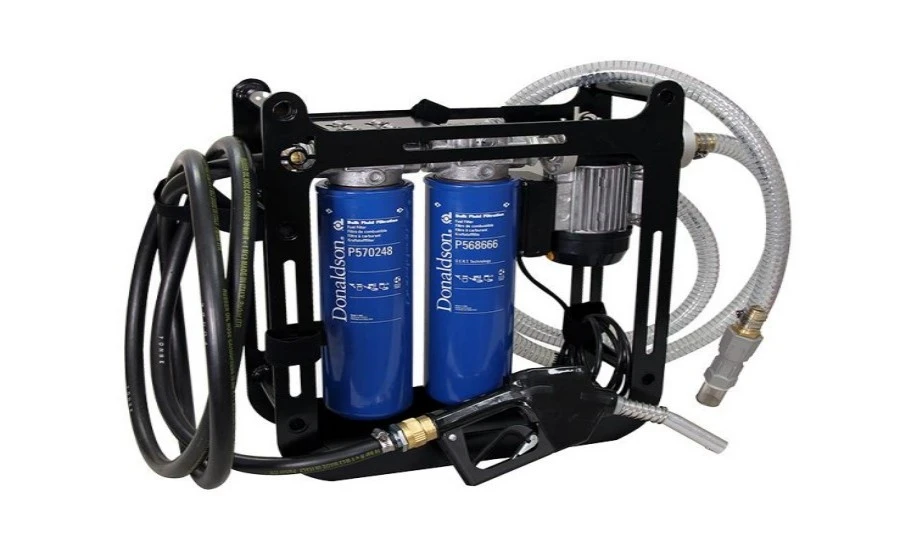
Liquid-fuel preparation and transfer lines require protection against debris introduced during storage, transportation, and handling. Rust fragments, metallic residues, and airborne contaminants may reach downstream pumps, injection components, and narrow passages. Selecting an appropriate retention grade helps address these risks in pretreatment and inline installations.
These tubular components may be suitable for diesel and other liquids confirmed compatible with the selected copper-tin material. Potential installation points include transfer pipelines, bulk-liquid pretreatment units, and selected engine supply assemblies. Grade selection depends on the liquid composition, contaminant profile, required throughput, and acceptable pressure loss.
Before ordering, buyers should confirm compatibility with the base liquid and any additives, along with temperature limits, working pressure, connection geometry, and sealing arrangements.
Purchasing guide

Quality control (QC)
NAVI Titanium's manufacturing facility has obtained ISO 9001 quality management system certification. For this sintered bronze filter pipe, buyers can request applicable product specifications, material information, and inspection documentation to support technical evaluation and purchasing decisions. Please confirm the required documentation before placing an order. Click the button below to review the applicable Certificate of Analysis (COA) or quality inspection report, where available.

Manufacturing Process
NAVI Titanium sintered bronze filter pipes are manufactured according to the confirmed material specification, product geometry, and applicable production process. The main manufacturing stages may include the following:
1. Raw Material Preparation
Bronze metal powder is selected according to the agreed material specification. Applicable incoming material checks are performed before production.
2. Tooling and Powder Loading
Tooling is prepared based on the required outer diameter, inner diameter, length, and wall thickness. The metal powder is loaded into the designated mold.
3. Forming
Powder stock is consolidated into a tubular green blank via a matched compaction method. The forming route is chosen based on part geometry and fabrication targets.
4. Sintering
The green blank goes through regulated sintering to fuse metal particles while preserving the target porous structure.

Precise process settings are adjusted for the chosen alloy and part layout.
5. Dimensional Finishing and Fitting Machining
The component is finished according to the confirmed dimensional requirements. Threaded connections, flanges, stepped sections, and other machined features are subject to design review and manufacturing feasibility.
6. Quality Inspection
Verification covers dimension validation, visual audit and filtration-related testing aligned with the agreed product specification. Acceptance benchmarks need final confirmation before fabrication kicks off.
7. Cleaning and Packaging
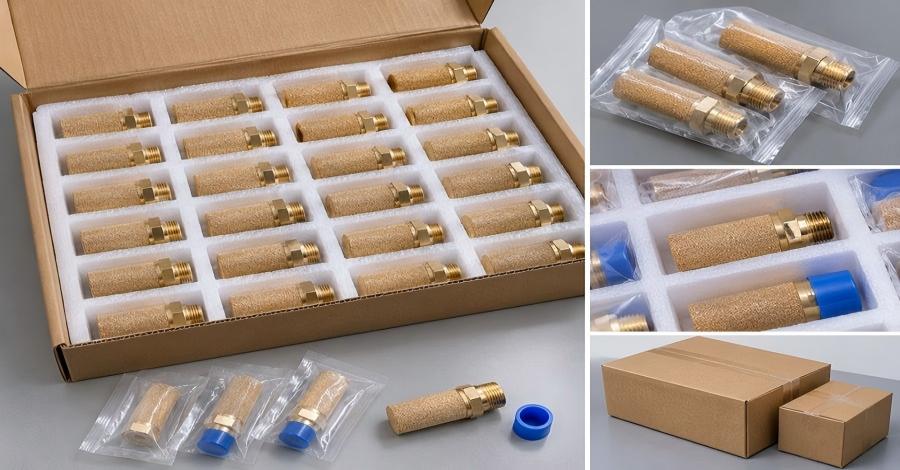
Completed parts are purged and packed to suit their end-use scenario. Protective packaging prevents foreign contamination and mechanical harm during warehousing and transit.
The actual production route and inspection procedures depend on the confirmed product design and applicable manufacturing requirements.
Technical Data
Selecting a suitable 3 to 90 microns porous metal sintered bronze filter pipe fitting for oil filter filtration system requires careful consideration of filtration rating, dimensions, fluid properties, and operating conditions. The following table provides a reference for preliminary technical evaluation and quotation preparation. Parameters that have not been confirmed should not be treated as guaranteed specifications. Buyers should verify pressure resistance, operating temperature, filtration efficiency, and pressure drop against applicable test data and final technical documentation.
|
Parameter |
Specification |
|
Product Name |
Sintered Bronze Porous Metal Filter Pipe and Fitting |
|
Filtration Rating |
3–90 μm; available grades to be confirmed |
|
Filter Material |
Sintered bronze; specific alloy grade to be confirmed |
|
Product Structure |
Porous metal tubular filter element |
|
Available Shapes |
Straight tubes, selected fitting configurations, and feasible custom designs |
|
Outer Diameter / Inner Diameter |
Customized according to drawings or application requirements |
|
Length / Wall Thickness |
To be confirmed based on product design |
|
Connection Type |
Threaded, flanged, or other configurations, subject to feasibility |
|
Primary Applications |
Hydraulic oil, lubricating oil, and fuel oil filtration |
|
Working Medium |
Subject to material compatibility assessment |
|
Operating Temperature |
To be confirmed for the selected material and application |
|
Operating Pressure |
To be confirmed through structural assessment and applicable testing |
|
Filtration Efficiency |
To be verified using the specified rating definition and test method |
|
Cleaning Options |
Backwashing or ultrasonic cleaning may be evaluated |
|
Quality Documentation |
Applicable inspection documents, subject to availability |
|
Customization Basis |
Customer drawings, samples, dimensions, and operating parameters |
Repeat Orders & Auditor-Friendly Documentation
Underneath every quotation sits a question a buyer does not ask the first time: who else is running this on which line, what did the auditor find, and what do they say back when the campaign is over. NAVI Titanium keeps that answer in writing rather than in a brochure.
Cleanable Metal Filter for Potential Reuse
Maintenance requirements can influence downtime, spare-part inventory, and the overall operating cost of industrial oil filtration systems. Our 3 to 90 microns porous metal sintered bronze filter pipe fitting for oil filter filtration system stands out from many disposable paper filter media: this sintered metal filter element may be suitable for regeneration through backwashing or ultrasonic cleaning when the material, structure, and contaminant type permit. However, reusability and post-cleaning filtration performance must be evaluated according to the bronze composition, contamination characteristics, blockage level, and cleaning conditions. Sticky deposits, abrasive particles, and fluids that may react with bronze require particular attention when selecting a cleaning method. Buyers should verify cleaning-fluid compatibility and avoid procedures that could damage the porous structure. After cleaning, relevant checks may include flow rate, pressure drop, structural condition, and filtration performance. If the element cannot meet the required operating specifications after cleaning, replacement is necessary rather than continued reuse.
Filtration Grade Selection from 3 to 90 Microns
NAVI Titanium provides specification consultation and engineering communication for industrial filtration projects adopting sintered bronze filter pipes with a 3–90 micron filtration rating. Individual equipment setups vary in particle capture targets, flow rate limits and acceptable pressure drop. The proper filtration rating shall be chosen based on contaminant dimension, fluid viscosity, flow regime and hardware demands, instead of nominal pore size only. For orders requiring batch consistency, purchasers may clarify filtration rating, sampling scheme, inspection protocol and acceptance benchmarks within technical contracts. Test records from inspection can be obtained upon request.
Units working under fluctuating loads demand evaluation on structural strength, operating differential pressure and shape stability. Filtration rating and mechanical robustness are two independent technical attributes and need separate validation. A defined micron rating cannot guarantee the filter maintains its outline under all pressure scenarios.
Sintered Construction with Custom-Machined Fittings
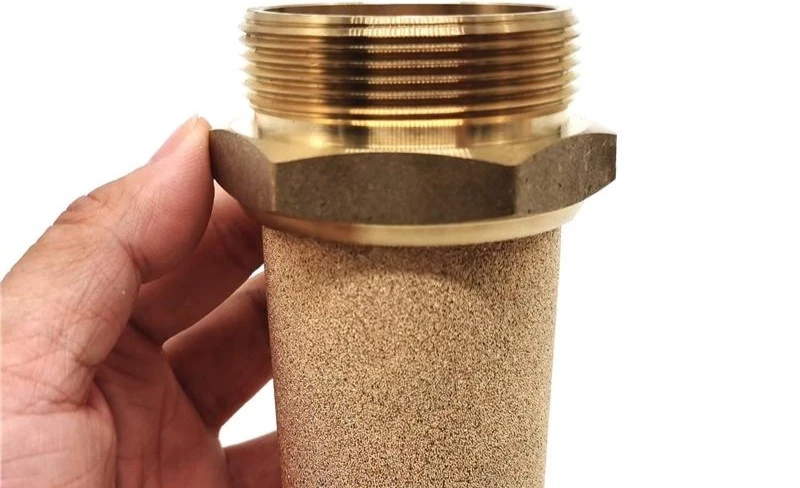
Connection geometry and installation dimensions are important considerations when our 3 to 90 microns porous metal sintered bronze filter pipe fitting for oil filter filtration system integrates straight into piping or filter housing. NAVI Titanium reviews sintered bronze filter pipe layouts integrated with threaded connections, flanges, transitional shoulders and other custom features. Clients may share drawings, samples or dimensional targets for manufacturability assessment. Coordinated review of filter skeleton and joint layout helps OEMs confirm mounting clearance, connection dimensions, sealing schemes and service accessibility ahead of mass production.
Fabrication workflows change according to outline, wall thickness, alloy traits and machining scope. Not all fitting styles adapt to identical forming or machining routines, so design validation is mandatory before volume manufacturing.
fAQ
How do I choose the right filtration micron rating?
+
-
Select the filtration rating according to contaminant size, fluid viscosity, required flow rate, and allowable pressure drop. The 3–90 micron range provides available selection options, but actual filtration efficiency depends on the specified rating definition and test method. Please share the fluid type, target particle size, and operating conditions for a more informed selection.
Can the filter pipe be customized for my equipment?
+
-
Customization can be evaluated using your drawings, samples, or dimensional requirements. Please provide the outer diameter, inner diameter, length, wall thickness, and connection details. Threaded, flanged, and stepped configurations require a technical feasibility review to confirm manufacturability, dimensional tolerances, and suitability for your installation.
Can the filter pipe be cleaned and reused?
+
-
Cleaning and reuse may be possible when the material, structure, and contaminants permit. Backwashing or ultrasonic cleaning can be evaluated for the specific application. After cleaning, check flow rate, pressure drop, and relevant filtration performance. Replace the element if it is damaged or cannot meet the required specifications. Cleaning procedures and reuse cycles require validation.
What quality documents can I request?
+
-
You can ask for the product specification sheet, material information, applicable inspection records, and COA where available. Document availability depends on the model, supply batch, and inspection scope. Before ordering, confirm the material grade, filtration rating, dimensional tolerances, and acceptance criteria. Check that the supplied documents correspond to the product and batch being purchased.
What affects the service life of a sintered bronze filter pipe?
+
-
Service life depends on contaminant concentration, particle characteristics, fluid viscosity, flow rate, differential pressure, temperature, and maintenance practices. Blockage, corrosion, or operation outside the specified conditions may shorten service life. Monitor pressure drop and filtration performance, and establish cleaning or replacement intervals according to equipment requirements and validated application data.
Hot Tags: 3 to 90 microns porous metal sintered bronze filter pipe fitting for oil filter filtration system, China 3 to 90 microns porous metal sintered bronze filter pipe fitting for oil filter filtration system manufacturers, suppliers, factory