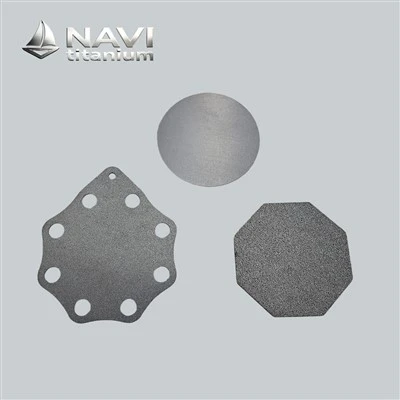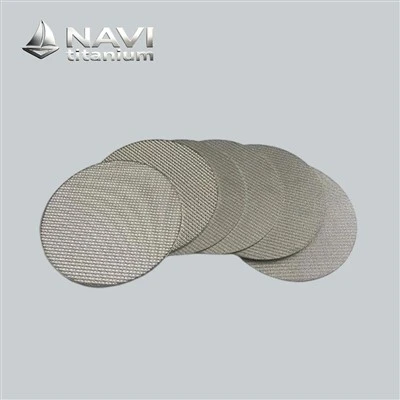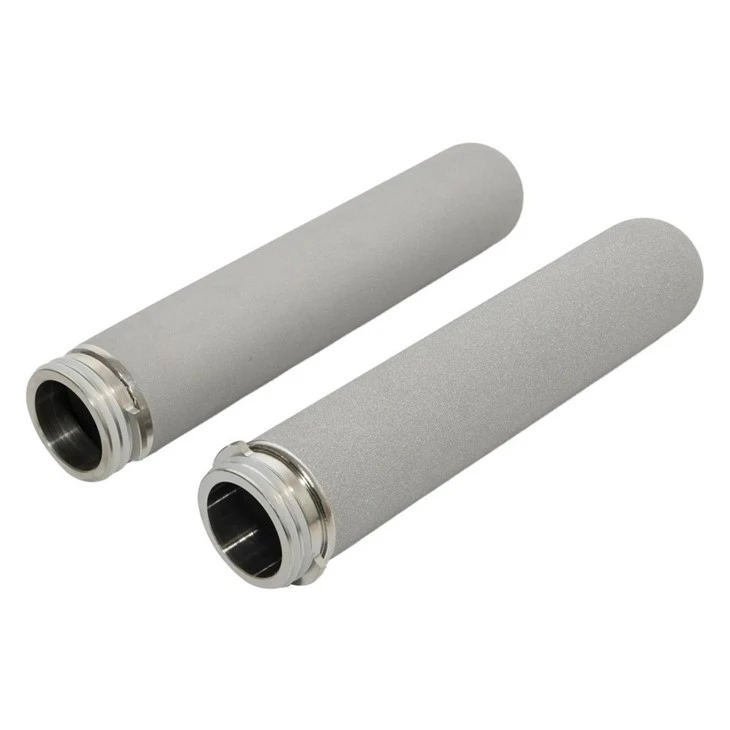
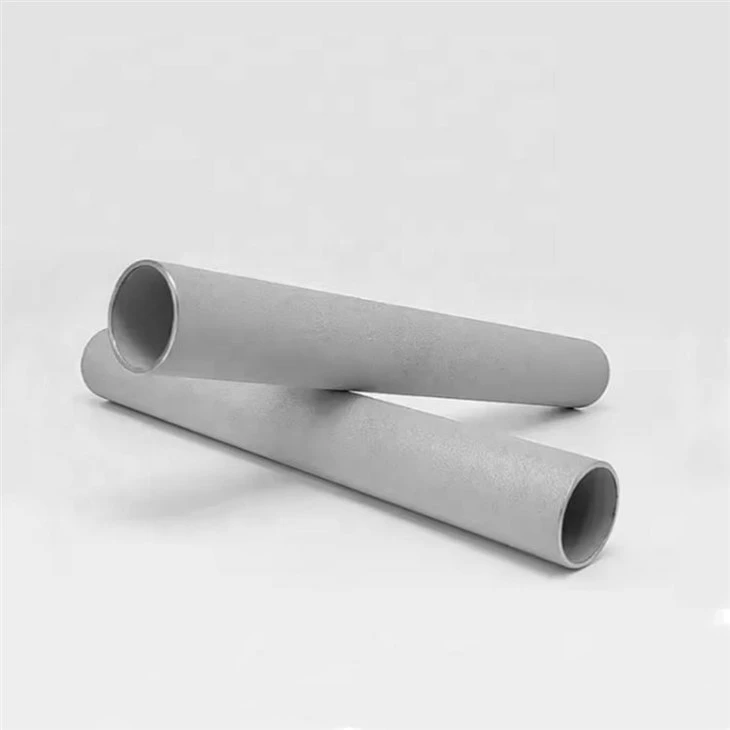
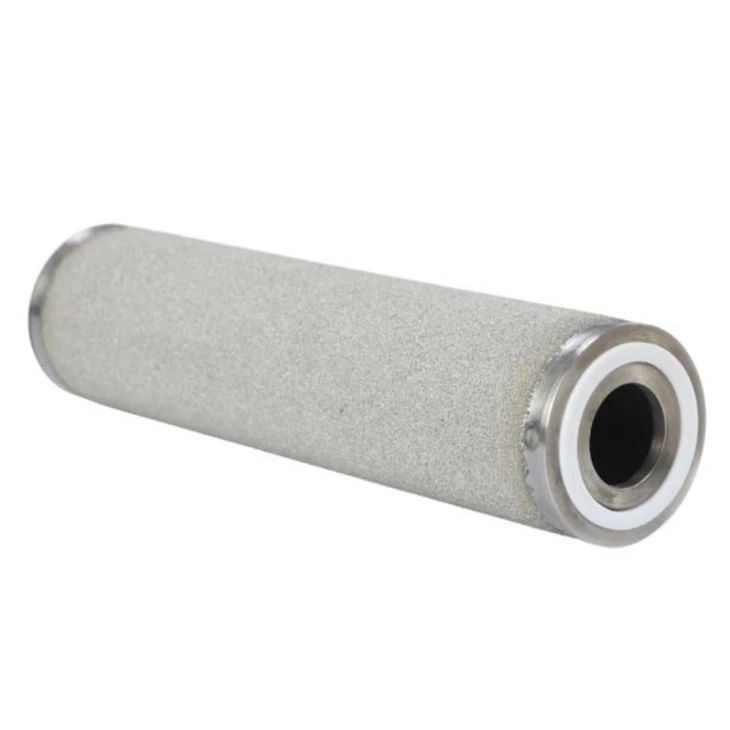
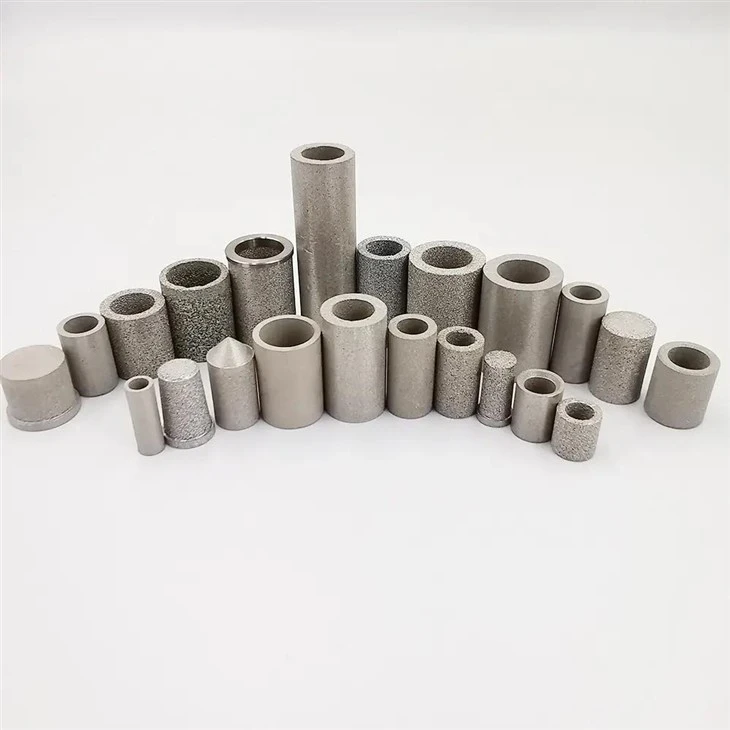
NAVI Titanium offers sintered porous metal filter cylindrical element for full-cale process filters, with specifications tailored to flow capacity and particle retention targets. Our material expertise draws on years of experience in pore formation and the relationship between raw material characteristics and operating performance. Research activities bring together laboratory evaluation, technical data analysis, and cross-department collaboration to examine permeability, pressure drop, and batch-to-batch consistency. This knowledge base helps procurement teams assess technical suitability, clarify specification details, and establish a sound basis for long-term project cooperation.
Solution of NAVI Titanium
NAVI Titanium's R&D framework draws on multidisciplinary collaboration, laboratory evaluation, and accumulated experience in material science and porous-media applications. For cylindrical separation units used in full-scale process lines, research focuses on the relationships between raw material characteristics, pore distribution, permeability, pressure drop, and operating consistency. Collaboration with universities further broadens the company's research perspective.
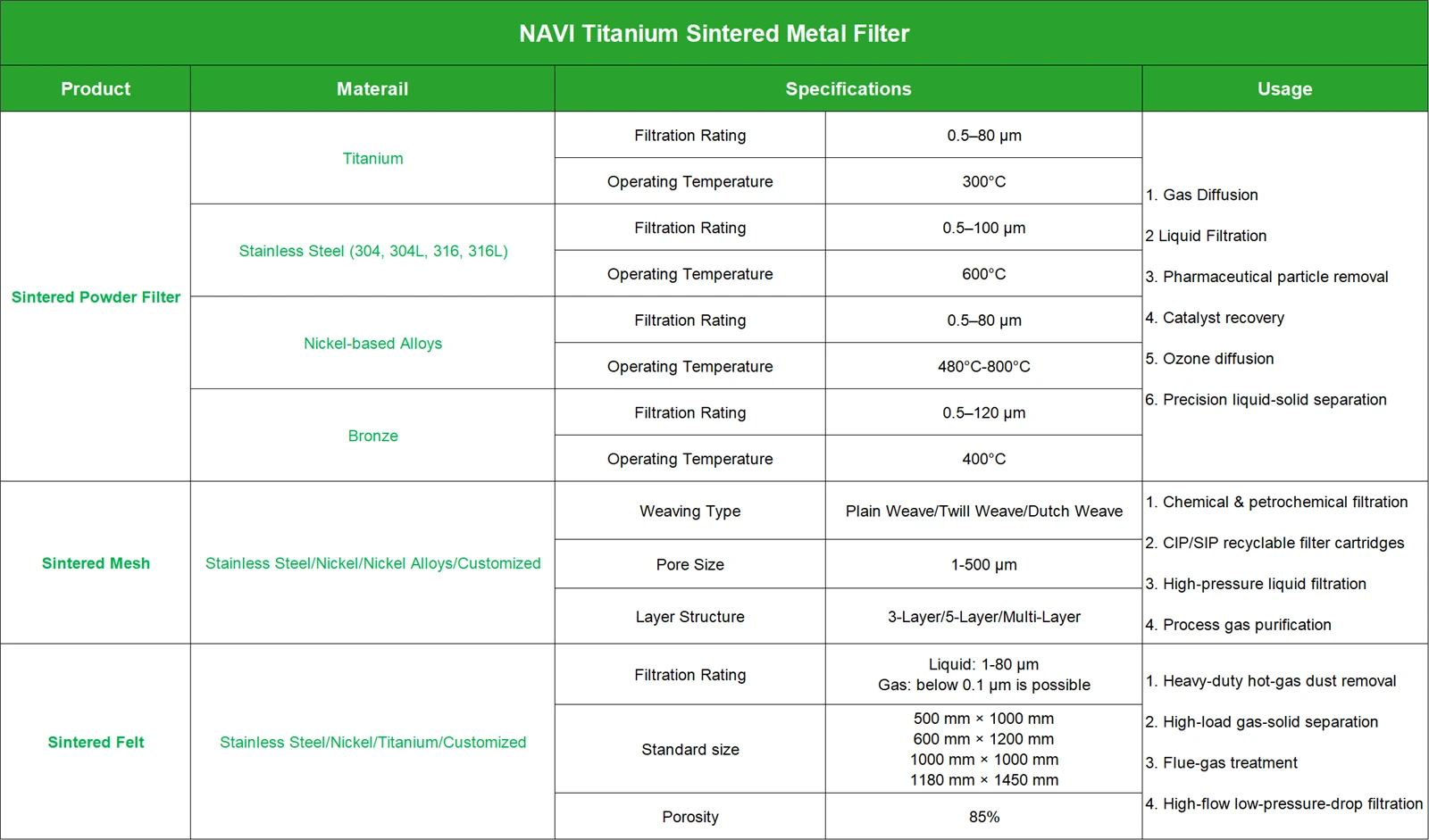


NAVI Titanium - the sintered porous metal filter manufacturer examines cylindrical separation performance through the relationship between pore distribution, radial flow, pressure differential, and suspended-particle retention. From a materials-science perspective, these variables interact with liquid viscosity, operating pressure, and surface characteristics to determine permeability and service intervals.


Application
NAVI Titanium provides sintered porous metal filter cylindrical element for full-cale process filters for chemical liquid separation and batch-production clarification, addressing radial flow distribution, pressure-loss management, and process scale-up requirements.
Full-scale chemical processing requires consistent liquid separation across extended operating cycles, particularly when production lines handle substantial volumes of reaction mixtures, intermediate liquids, or circulating process fluids. Cylindrical separation units offer a practical configuration for these duties because their circumferential surfaces permit radial flow across a broad working area. Compared with arrangements that concentrate flow along a limited passage, this geometry can distribute incoming liquid around the circumference, reducing localized loading when inlet conditions and internal clearances are properly controlled.
In large process vessels and recirculation circuits, separation performance depends on particle characteristics, liquid viscosity, operating pressure, and the concentration of suspended solids. Cylindrical units can be specified according to required throughput, retention thresholds, available installation space, and permissible pressure loss. Their axial form also facilitates placement inside housings where length and diameter must correspond to existing pipeline connections or vessel dimensions.For plant operators, the principal consideration is maintaining predictable separation performance as throughput changes.

2. Batch Production and Process Scale-Up

Batch-based production often involves successive stages of mixing, reaction, settling, transfer, and liquid clarification. As batch volumes increase from pilot operations to full-scale production, suspended residues may vary in concentration and particle size, placing different demands on separation systems at each stage. Cylindrical units offer a useful approach to this transition because their elongated profile can accommodate substantial working area within a vessel or dedicated circulation housing.
The selection process should begin with the physical properties of the liquid, the expected solids burden, the target clarity, and the required processing time per batch. Radial passage through the cylindrical wall distributes flow across the circumference, while the axial length determines the available active area within the permitted installation envelope. These parameters should be assessed together rather than independently, since excessive flow velocity or uneven loading may increase pressure loss and shorten the interval between cleaning cycles.
For procurement teams managing multiple production scales, standardized cylindrical dimensions can simplify equipment planning across different line capacities.
Purchasing guide

Quality control (QC)
NAVI Titanium applies documented quality assessment to cylindrical separation units intended for full-scale process lines, with attention to pore distribution, radial permeability, pressure-drop characteristics, and dimensional consistency. Recorded inspection data helps buyers evaluate whether the cylindrical profile and operating parameters align with system throughput, housing dimensions, and process-specific retention targets before installation.

Manufacturing Process
The production sequence at NAVI Titanium begins with the careful preparation of selected metallic feedstock, followed by controlled compaction around a cylindrical profile to establish the required dimensions and pore distribution. A subsequent high-temperature bonding stage joins adjacent particles while preserving interconnected voids throughout the cylindrical wall. Process parameters are selected according to the intended permeability, mechanical strength, and retention characteristics. After cooling, the cylindrical body undergoes machining to establish end connections and interface tolerances for installation in full-scale process housings. Surface cleaning removes residual contaminants, while dimensional verification and permeability evaluation help establish consistency across production runs. Particular attention is given to wall uniformity, axial alignment, and open-pore continuity, since these factors affect radial flow distribution and pressure loss under sustained operating loads.


Long-Distance Maritime Transport
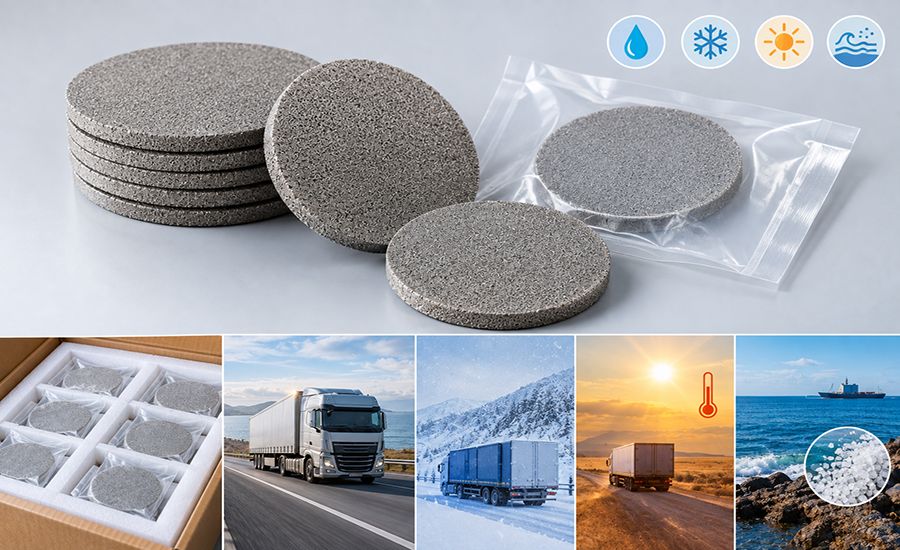
- Moisture barrier selection: Cylindrical units intended for long-distance maritime transport require protective wrapping that limits exposure to humid air and condensation. Sealed moisture-resistant inner layers help reduce direct contact with atmospheric humidity during extended storage and transit.
- Salt-spray exposure: Salt-bearing aerosols may enter cargo spaces through ventilation or handling activities near coastal terminals. Protective closures and suitable external barriers help limit deposits on exposed surfaces, particularly around end connections, machined interfaces, and recessed openings.
- Temperature transitions: Movement between inland warehouses, port terminals, vessel holds, and destination facilities can produce substantial temperature fluctuations. When warm, humid air encounters cooler surfaces, condensation may develop beneath protective coverings.
- Protection of cylindrical openings: End caps should cover both openings securely without obstructing later identification or causing contact damage. Buyers should confirm that closures remain in place throughout handling and extended transit.
Vibration, Impact, and Cargo Restraint

- Internal movement prevention: Cylindrical units should be separated with suitable cushioning to prevent direct contact, rolling, and repeated impact during prolonged vessel movement.
- Axial and lateral restraint: The round profile can permit rolling when cargo restraints are inadequate. Cradles, shaped inserts, and secured dividers help limit displacement in both axial and lateral directions while avoiding excessive clamping force.
- End-face protection: Machined connection points and open ends may be vulnerable to impact or deformation. Protective caps and non-abrasive cushioning help preserve interface condition during loading, unloading, and intermediate transfers.
- Outer-case reinforcement: Export cases should withstand stacking loads, repeated handling, and vibration over extended routes. Internal supports should distribute loads without concentrating pressure on the cylindrical wall.
- Arrival assessment: Buyers may request photographs of the secured cargo, package identification records, and an arrival checklist covering external damage, displaced closures, moisture evidence, and visible surface changes.
Filtration Rating Evaluation
- Bubble-point assessment: A wetted cylindrical specimen is exposed to gradually increasing gas pressure to identify the pressure at which continuous bubbles first emerge. This approach estimates the largest interconnected pore opening and helps assess pore uniformity, although it does not directly establish particle-removal efficiency under operating flow.
- Particle challenge testing: A liquid containing particles of known dimensions passes through the cylindrical unit. Upstream and downstream particle counts are compared to determine retention efficiency across specified particle ranges. This method is useful when buyers require evidence of separation performance under defined flow conditions.
- Microscopic examination: Cross-sectional imaging can reveal pore openings, local variation, and irregularities along the cylindrical wall. It is particularly useful for investigating discrepancies between nominal ratings and measured operating results.
- Permeability assessment: Pressure differential and flow rate are recorded together to evaluate resistance to liquid passage. For full-scale process lines, this measurement helps purchasing teams compare throughput requirements with available pumping capacity.

Nominal Rating, Absolute Rating, and Test Parameters

- Nominal rating: NAVI Titanium defines this value as generally indicating the particle size at which a stated proportion of particles is retained. Its meaning depends on the manufacturer's definition and test method; therefore, a nominal value alone cannot establish a universal retention threshold.
- Absolute rating: This term generally indicates a more restrictive particle-passage limit under a defined assessment method. However, the term is not universally consistent across manufacturers, so buyers should request the supporting test definition rather than assume complete retention of every particle above a stated diameter.
- Test-fluid properties: Viscosity, particle concentration, particle shape, and chemical compatibility can affect measured performance. Comparative tests should use equivalent fluids and contaminant characteristics wherever practical.
- Operating parameters: For cylindrical units, active length and flow direction should also remain consistent during comparative evaluations.
- Procurement documentation: Request the stated rating, test method, measured efficiency, and relevant test parameters in the technical data package from NAVI Titanium.
Client-Oriented Evaluation
For buyers evaluating sintered porous metal filter cylindrical element for full-cale process filters, NAVI Titanium emphasizes application-specific assessment rather than micron ratings alone. Selection should account for liquid viscosity, suspended-particle distribution, required throughput, allowable pressure differential, chemical compatibility, and available installation space. The cylindrical profile offers a practical basis for radial flow, while active length and diameter affect the available passage area. Procurement teams should also assess cleaning frequency, connection interfaces, operating cycles, and replacement intervals to estimate total ownership costs. Technical documentation enables comparisons between proposed specifications and actual process demands before purchasing decisions are finalized.
| Evaluation factor |
|
|---|---|
| Retention rating |
|
| Flow performance |
|
| Cylindrical dimensions | Outer diameter, active length, wall thickness, and connections |
| Chemical compatibility |
|
| Operating limits |
|
| Maintenance planning | Cleaning method, service interval, and regeneration feasibility |
| Quality records | Dimensional results, permeability data, and applicable test reports |
A well-defined purchasing specification links separation targets with operating parameters, installation constraints, and maintenance economics.
FAQ
1. How large is your company?
+
-
Our organization brings together more than 40 professionals, including five PhD researchers, alongside personnel across production, quality management, and international sales.
2. What is your company's registered capital?
+
-
The registered capital is approximately US$2.8 million, excluding two subsidiaries. This figure offers procurement teams a reference point when assessing corporate background and planning longer-term commercial cooperation.
3. How large is your total factory area?
+
-
The company operates facilities covering more than 49,000 m². This provides an overview of its physical operating scale and the space allocated to different business activities.
4. How much space is allocated to production activities?
+
-
Dedicated facilities include approximately 5,900 m² for substrate-related activities, 15,500 m² for coating preparation, 11,000 m² for forging and ring rolling, and 7,400 m² for machining.
5. What is the size of your R&D and laboratory facilities?
+
-
The laboratory covers approximately 2,800 m². Combined with a technical team of more than 40 professionals and university collaborations, this provides a foundation for material evaluation, performance testing, and application-related research.
Hot Tags: sintered porous metal filter cylindrical element for full-cale process filters, China sintered porous metal filter cylindrical element for full-cale process filters manufacturers, suppliers, factory, instrumentation porous metal filter, liquid metal filter element, open pore porous metal filter, Sintered Air Filter, Sintered Bronze Filter Element, Sintered Porous Filter