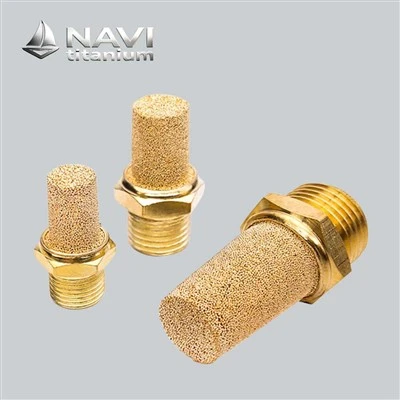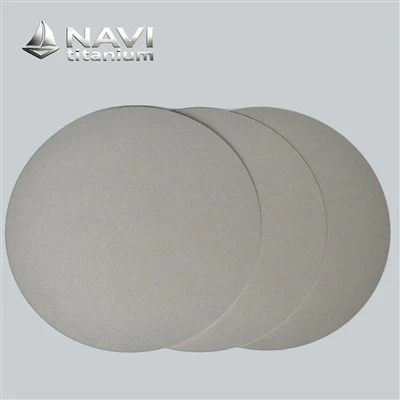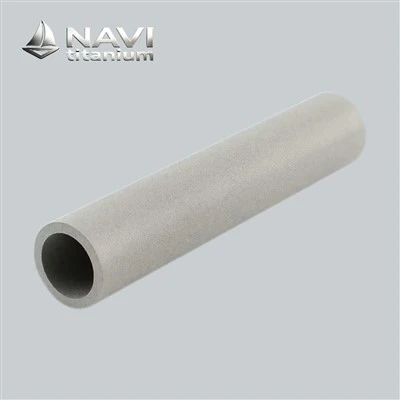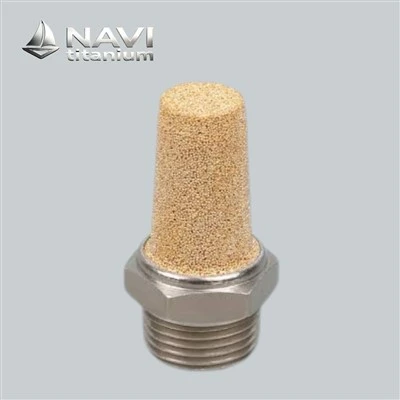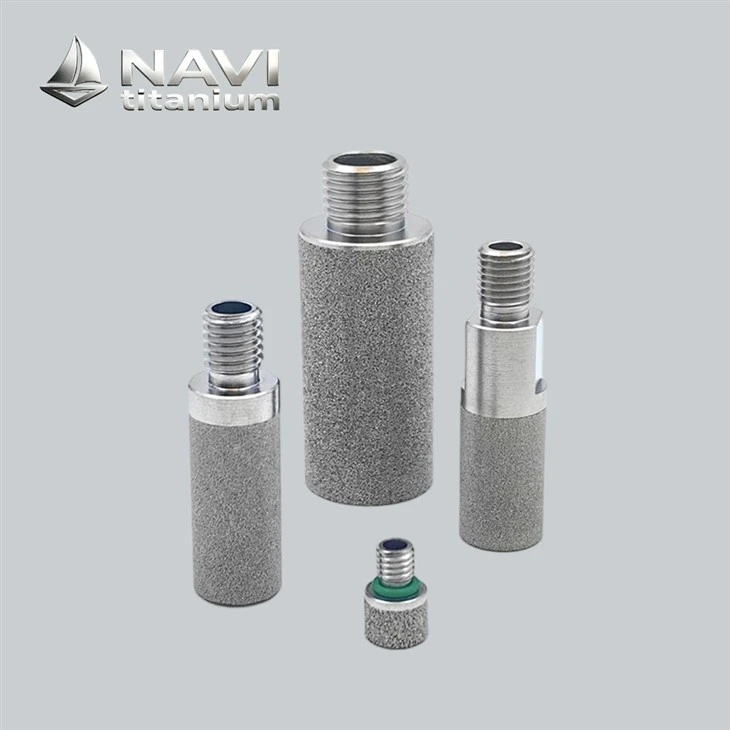
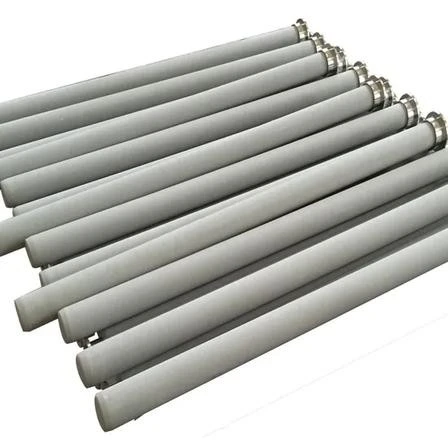
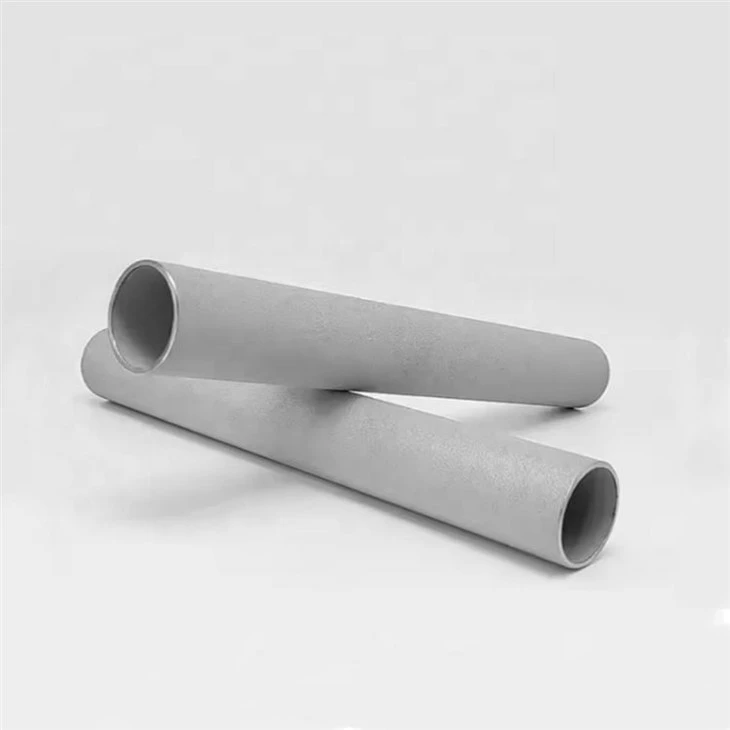
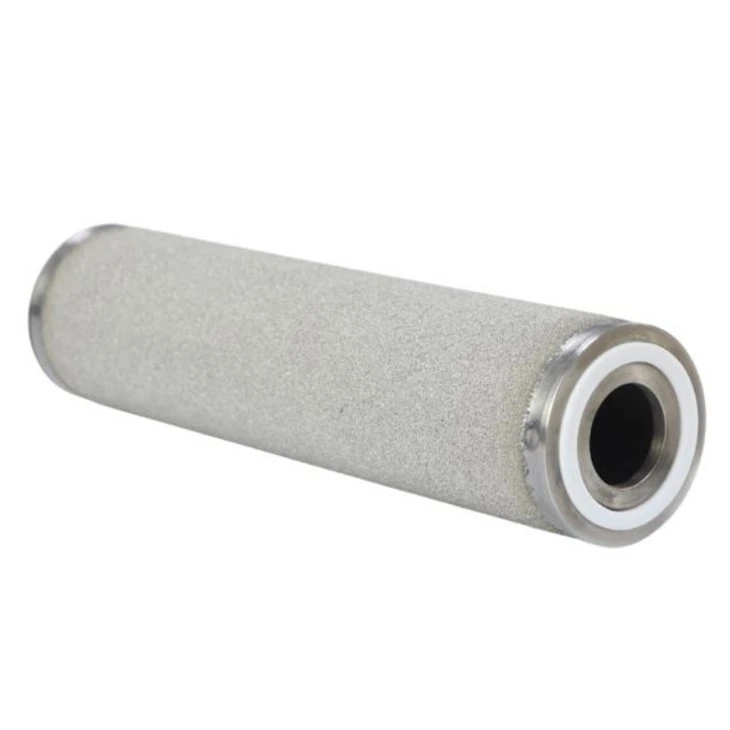
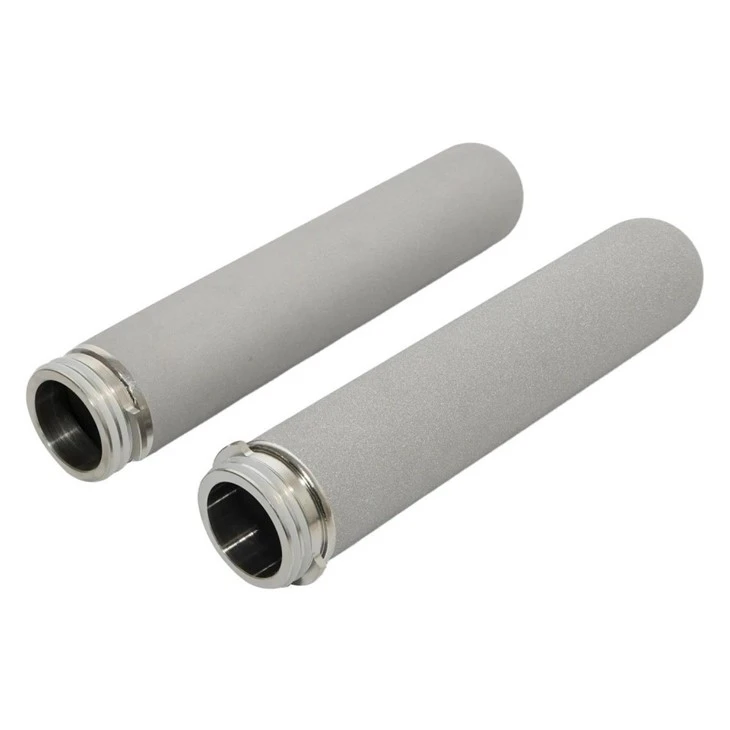
NAVI Titanium offers sintered filter cartridges with responsive RFQ handling, technical inquiry assistance, and careful drawing confirmation before order release. For drawings, our team checks dimensions, tolerances, interfaces, and configuration details against the submitted file, then communicates any unclear points before fabrication. Technical questions involving material selection, pore distribution, flow requirements, or cleaning methods can also receive targeted feedback, helping overseas customers reduce specification misunderstandings and shorten quotation discussions.
Solution of NAVI Titanium
NAVI Titanium handles RFQs for titanium-based anodes and related cartridges with a drawing-led communication approach. During inquiry, the team can clarify specification gaps, discuss suitable configurations, and identify details that may affect quotation accuracy. Drawing confirmation is treated as an important pre-order checkpoint, with key dimensions and interfaces reviewed before release. This approach gives overseas purchasers a clearer technical baseline for comparing quotations.
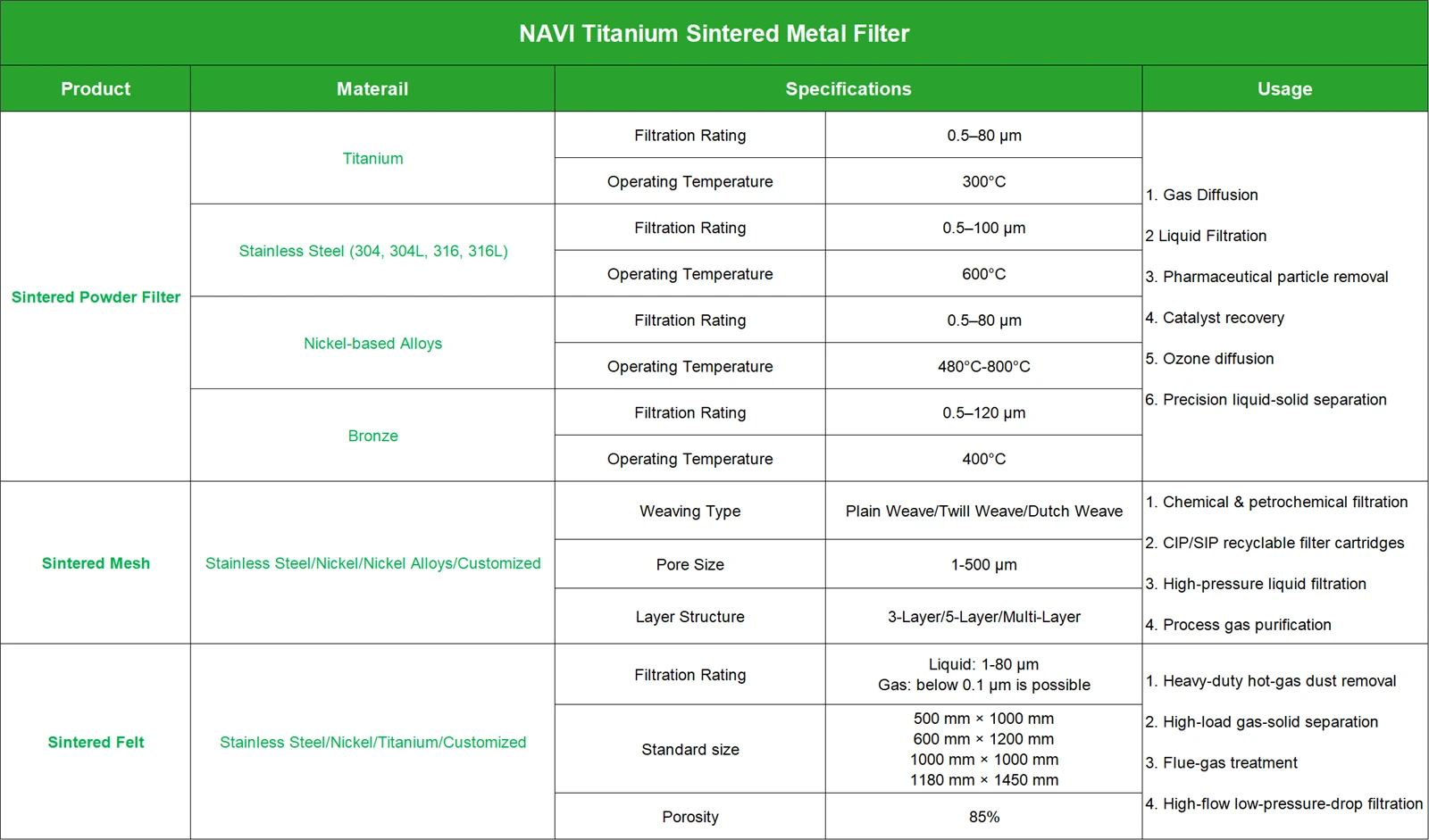


NAVI Titanium approaches cylindrical separation assemblies from a specification-oriented perspective. Such parameters affect liquid throughput, contaminant capture, cleaning frequency, and pressure loss. For academic evaluation, comparative testing under representative operating conditions offers a stronger basis for selecting an appropriate configuration than nominal ratings alone, particularly when viscosity and solids loading vary.


Application
Sintered filter cartridges from NAVI Titanium are suited to chemical liquid clarification and lubricating oil circulation purification, where controlled contaminant retention, flow capacity, and service-cycle requirements are critical.
In chemical processing, liquid clarification often determines whether downstream reactions remain consistent from one batch to another. Feed streams may contain catalyst fines, crystallized residues, corrosion debris, or incompletely dissolved solids. A sintered cartridge from NAVI Titanium can be selected according to nominal retention, permeability, chemical compatibility, and required flow capacity, allowing the separation stage to match the characteristics of the process stream. Cylindrical geometry offers a comparatively large active area within a compact housing, while the interconnected internal passages create numerous routes for liquid movement. For demanding duties, pore distribution should be considered together with viscosity, solids loading, differential pressure, and cleaning frequency rather than relying on a nominal micron value alone. This approach is particularly relevant to pigment preparation, solvent recovery, specialty chemical synthesis, and concentrated reagent handling. Surface finish, end-cap configuration, connection dimensions, and cartridge length can also be specified according to vessel geometry. Such variables matter when a replacement cartridge must fit an established skid without extensive modification. Laboratory trials using actual process liquor can further establish retention performance before volume production.

2. Lubricating Oil Circulation

Lubricating oil circuits require continuous removal of abrasive debris because small contaminants can accelerate wear at bearings, gears, pumps, and sliding interfaces. A sintered cartridge from NAVI Titanium is suitable for this duty when the selected pore rating corresponds with the contaminant spectrum and oil viscosity. Unlike disposable fibrous units, a rigid cylindrical body can tolerate repeated cleaning cycles when the operating specification calls for regeneration rather than frequent replacement. In practical installations, cartridge selection should consider viscosity variation between cold start and normal operation, contaminant concentration, allowable pressure drop, flow velocity, and the cleaning method used during maintenance. Applications include gearboxes, machine-tool lubrication circuits, compressor oil circulation, and turbine auxiliary lubrication arrangements. Particular attention should be given to end connections and sealing interfaces because dimensional mismatch may cause bypass around the cartridge rather than through its active region. For high-value machinery, periodic particle-count testing can establish whether the selected retention level remains appropriate as oil ages. Recording pressure differential against running hours also gives maintenance personnel a quantitative basis for scheduling cleaning or replacement.
Purchasing guide

Quality control (QC)
For NAVI Titanium, material traceability is addressed through shipment-specific quality documentation covering the selected grade, chemical composition, dimensional data, and relevant inspection results. For cylindrical porous cartridges, these records help purchasers verify whether the specified base material and manufacturing parameters correspond with the agreed technical requirements, while also providing a documented reference for incoming inspection and future replenishment.

Manufacturing Process
The production of cylindrical filter cartridges begins with carefully classified feedstock selected according to the required retention range and chemical compatibility. The feedstock is blended to achieve a uniform distribution before being introduced into a cylindrical mold. Controlled compaction establishes the intended wall thickness and internal passage pattern, while consolidation under a carefully managed heating cycle creates a firmly bonded body without melting the entire feedstock. After cooling, machining establishes the required outer diameter, inner diameter, length, end-face configuration, and connection interface. Surface conditioning then removes loose residues and prepares the cartridge for cleaning. Subsequent dimensional verification, flow-rate assessment, pressure-drop measurement, and retention testing help confirm conformity with the agreed specification. Different pore ratings can be obtained by adjusting feedstock classification, compaction parameters, and consolidation schedules, allowing the cartridge to match liquid viscosity, contaminant loading, and required throughput.


Evidence & Packing Information
Before dispatch, a disciplined quality review from NAVI Titanium gives overseas purchasers a documented reference for what has been approved. Quantity, model designation, outside and inside dimensions, connection details, and identifying marks can be checked against the purchase order and packing list. Particular attention should be given to end faces, sealing areas, joining points, and internal fixation, where loose residue or accidental movement may remain unnoticed during routine visual checking. Cleanliness assessment should cover visible dust, fibers, oil traces, moisture, and foreign particles, with appropriate lighting used for close examination. Photographic records can then capture end-face details, connection interfaces, internal securing arrangements, cleanliness status, and the completed packed condition. For multi-specification orders, separate images with identifiable marks help distinguish individual configurations. A dated evidence set gives the purchasing team a practical reference during receiving inspection and can also be retained with internal quality records. This approach turns pre-dispatch verification into traceable acceptance evidence rather than relying solely on verbal confirmation.

Packing Information

Detailed packing data from NAVI Titanium allows the receiving team to prepare storage, handling, and incoming verification before the consignment arrives. Essential information includes quantity per carton, carton count, pallet count, net weight, gross weight, external dimensions, identification marks, and traceable production references. For cylindrical porous assemblies, internal cushioning and fixation deserve particular attention because movement during transit may affect end faces, fittings, or sealing areas. Moisture control should also correspond to the planned storage environment. A clean indoor warehouse, temporary outdoor holding area, and secondary transfer facility may require different protective arrangements. For sensitive specifications, individually identified inner bags can reduce mix-ups when several retention ratings or dimensions appear within one order. Packing photographs should show carton identification, pallet arrangement, protective layers, and visible shipping marks before dispatch. Providing these records together with the packing list gives purchasing, logistics, warehouse, and quality teams a common reference. It also helps staff reconcile received quantities quickly and locate a specific specification without opening every package.
Cartridge-Centric Procurement Considerations
For procurement teams, cartridge selection should begin with the contaminant profile rather than a nominal micron rating alone. Particle concentration, particle morphology, liquid viscosity, throughput, allowable pressure differential, and cleaning frequency jointly determine whether a cylindrical cartridge is appropriate for a particular duty. The internal passage arrangement affects how the process stream travels across the working wall, while wall thickness and active area have a direct relationship with flow capacity and contaminant loading. Buyers should also verify outside diameter, inside diameter, overall length, end-cap arrangement, connection type, and sealing interface before approving a quotation. When several cartridges operate inside one housing, dimensional consistency becomes particularly important because uneven fitting can create bypass paths and reduce separation efficiency. For recurring orders, retaining approved drawings and historical inspection records can simplify specification confirmation. A supplier able to discuss retention ratings together with actual operating parameters gives procurement teams a stronger technical basis for selecting a cartridge, estimating replacement intervals, and avoiding costly modifications to an established receiving or processing assembly.

Cleaning, Service Life, and Replacement Planning

NAVI Titanium cartridge economics extend beyond the initial purchase price. A reusable cylindrical cartridge may be evaluated according to cleaning frequency, retained contaminant volume, pressure-loss progression, regeneration method, and expected replacement interval. Backwashing, solvent rinsing, ultrasonic cleaning, or controlled mechanical treatment may be applicable depending on the captured substances and base composition. Buyers should establish whether the cartridge can return to its original flow characteristics after cleaning and whether repeated regeneration affects dimensional integrity or retention performance. This information is especially useful for facilities where unplanned replacement can interrupt scheduled production. For spare-parts management, maintaining identical dimensions and connection interfaces across repeat orders reduces compatibility risks. Batch identification and inspection records can further help purchasing teams trace recurring performance differences. Evaluating the cartridge through its complete service cycle provides a more meaningful cost picture than comparing unit quotations alone, particularly when labor, downtime, cleaning resources, and replacement frequency form a substantial portion of total ownership expenditure.
PTL-Oriented Evaluation
In porous transport layer (PTL) assemblies, sintered filter cartridges can be evaluated through the same fundamental parameters that govern liquid distribution and particulate retention: pore-size distribution, permeability, thickness, tortuosity, wettability, and mechanical integrity. NAVI Titanium can tailor cylindrical dimensions and internal configurations according to the intended PTL-related duty. From an academic perspective, permeability should not be assessed independently from retention capability because reducing passage dimensions may increase separation efficiency while raising pressure loss. Likewise, excessive thickness can increase flow resistance, whereas insufficient thickness may reduce contaminant-holding capacity. Surface condition also affects wetting and liquid spreading, making it relevant when uniform transport is required. For B2B purchasing, practical evaluation should therefore include flow-rate testing, pressure-drop characterization, retention assessment, dimensional verification, and repeated cleaning trials. These parameters create a more meaningful technical basis for selecting a cartridge than nominal pore rating alone.
| PTL-related parameter |
|
|---|---|
| Pore distribution |
|
| Permeability |
|
| Thickness | Transport resistance and loading capacity |
| Wettability |
|
| Tortuosity |
|
| Dimensional tolerance |
|
| Cleaning response |
|
For PTL-related duties, buyers seeking to buy sintered filter should assess transport, retention, geometry, and regeneration characteristics collectively rather than relying on a single specification.
FAQ
1. How is global customer service handled?
+
-
International customers can receive assistance throughout quotation, specification confirmation, order coordination, and after-sales communication.
2. What export experience is available for overseas orders?
+
-
Export coordination can cover commercial documentation, specification confirmation, packing details, shipping marks, and carrier arrangements. Familiarity with international purchasing practices helps ensure that technical and logistical information remains consistent from quotation through dispatch.
3. What is the typical process for an international order?
+
-
The process generally begins with an RFQ and technical inquiry, followed by quotation, drawing confirmation, specification approval, order placement, production scheduling, quality review, packing preparation, and dispatch.
4. Which overseas markets can be served?
+
-
Orders can be arranged for customers across North America, Europe, Asia, the Middle East, Oceania, and other international regions. Requirements may vary by destination, so documentation, labeling, packing arrangements, and transportation preferences can be discussed according to the receiving market.
5. How is international logistics coordinated?
+
-
Logistics coordination may cover carton or wooden-case information, weights and dimensions, shipping marks, commercial documents, carrier communication, and tracking updates.
Hot Tags: sintered filter cartridges, China sintered filter cartridges manufacturers, suppliers, factory, industrial metal filter cartridge, Porous Metal Sheet, process metal filter element, Sintered Filter Plate, sintered porous metal filter insert, Sintered Steel Filter