NAVI Titanium supplies porous stainless steel plate produced through controlled powder metallurgy routes for gas passage, vapor distribution, and specialized separation duties. Carefully selected grade options, thickness ranges, and pore ratings allow buyers to match the material to pressure drop, flow demand, and operating temperature. Each batch can undergo dimensional inspection, permeability checks, and surface examination before shipment. Custom formats are available for different mounting methods and process layouts.
Solution of NAVI Titanium
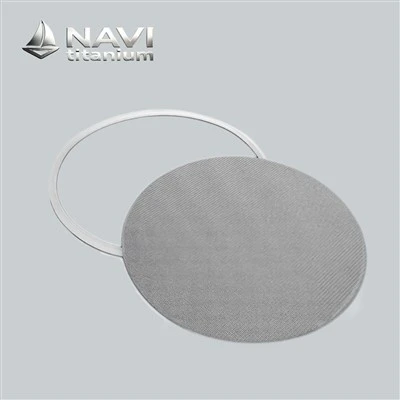
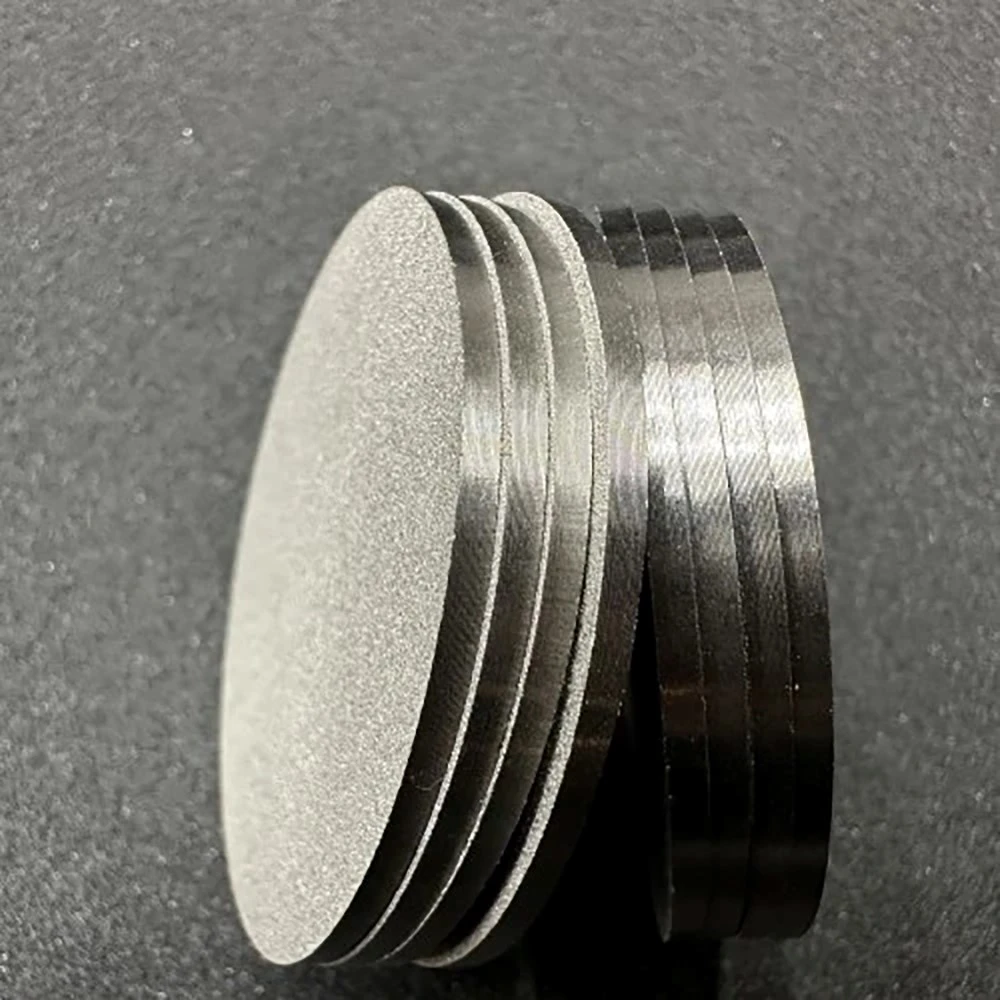
Customer feedback and long-term cooperation have become important references for NAVI Titanium when developing porous metal solutions. In one recent prototype project, a customer required two stainless-steel discs with a 180 mm diameter and 10 μm nominal pore size for equipment development. NAVI Titanium clarified the disc geometry, alloy selection and pore specification with the customer before production, then supplied the customized components for prototype integration.
Beyond individual filter projects, we maintain a broader titanium product portfolio covering anodes, porous components and customized titanium parts.
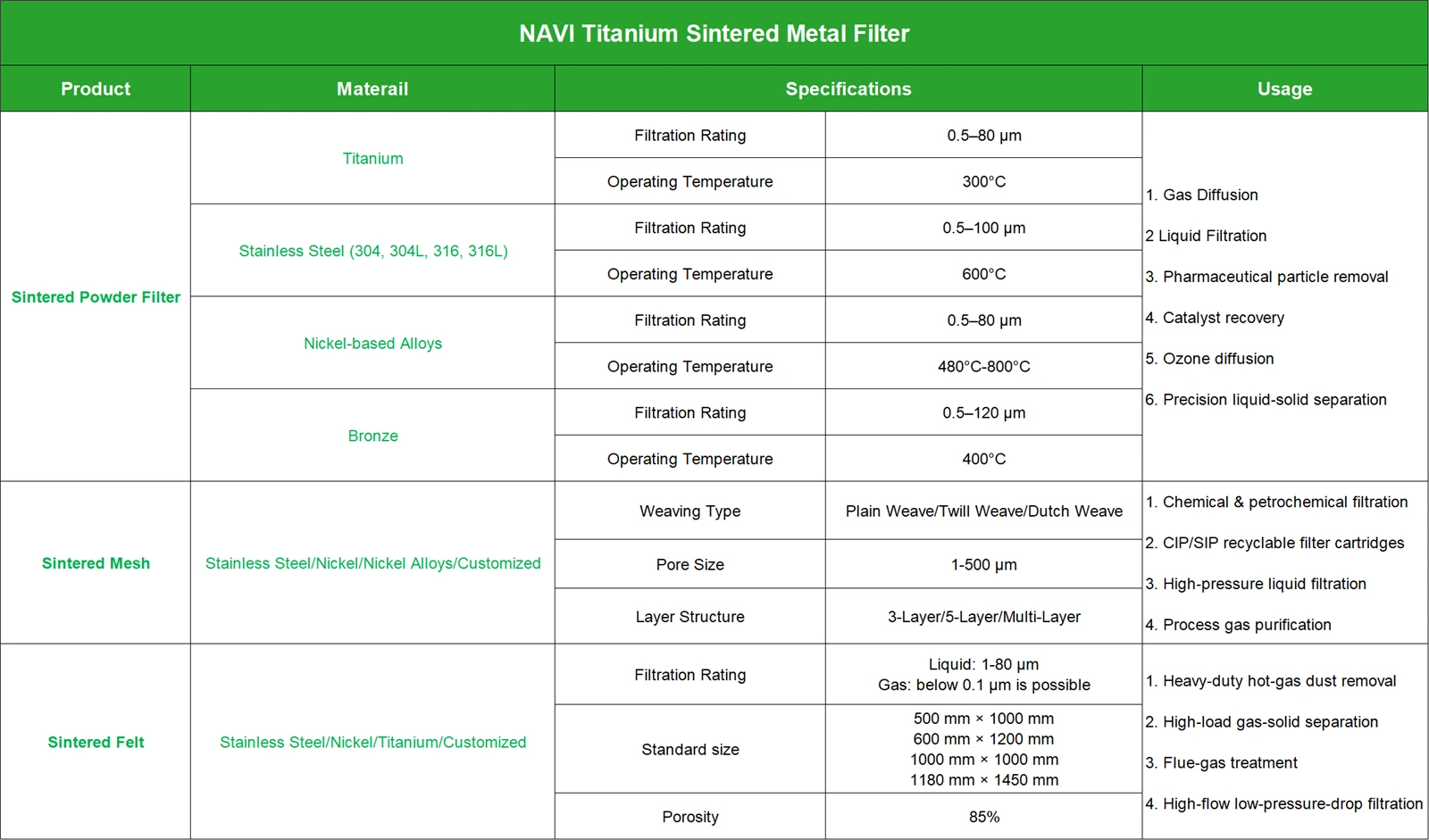

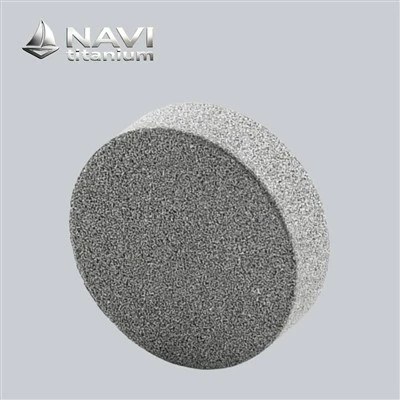
NAVI Titanium presents a finely controlled porous body, where interconnected voids govern gas passage and liquid distribution. Its pore scale, thickness, and grade selection can be tailored to specific pressure-drop requirements and thermal exposure.
Application
NAVI Titanium porous stainless steel plate has transitioned from conventional separation media into flow-regulating platforms for contemporary gas/liquid handling duties. Produced via controlled profiling and bonding sequences, it embeds a designed inner passage network that governs vapor transit, gas distribution, and contaminant entrapment through multi-layer sieving actions. The refined layout ensures consistent flow performance while preserving the structural integrity essential for extreme thermal, pressure, and chemical exposures.
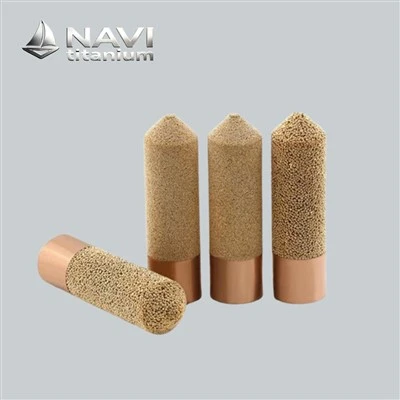
In gas treatment, steam handling, and vacuum equipment, sintered stainless steel components are used as metallic filtering elements for particle removal, vapor conditioning, and controlled fluid passage in challenging operating environments. Available as planar configurations, cylindrical cages, or venting adaptors, these units are commonly specified to 304 or 316L variants. Engineering ranges cover cross-sectional depths of 0.5–5 mm, cut-off thresholds of 0.5–100 μm, and site-specific interface profiles. The consolidated body ensures uniform progression of flow, efficient entrapment of suspended loads, and attenuation of pressure spikes, while retaining geometric stability under cyclic loading. Frequent installations include vacuum chambers, pneumatic actuators, sterilization apparatus, and ultra-clean gas distribution backbones.
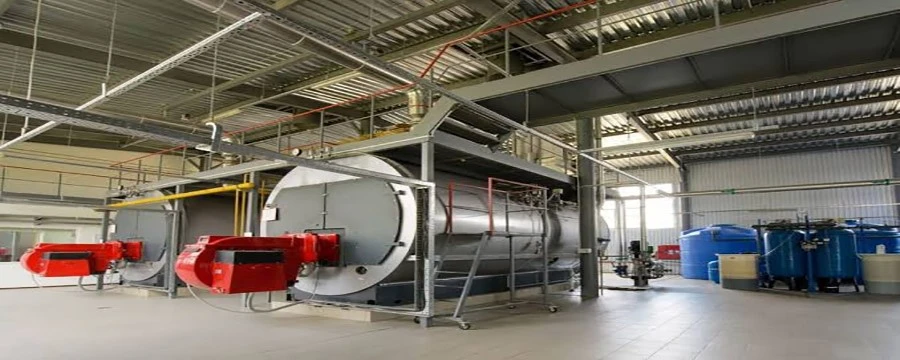
high-temperature & environmental applications

For high-temperature off-gas treatment and emission control duties, NAVI Titanium the sintered stainless steel filter executes solids separation and stream purification under oxidative, thermally cyclic, and chemically reactive conditions. Offering cut-off thresholds from 1–100 μm, wall depths of 1–10 mm, and geometry tailored to specific enclosures. The diffusion-bonded body withstands thermal cycling, mechanical vibration, and aggressive gaseous species while delivering steady flow transmission behavior. Typical placements include furnace off-gas lines, scrubber feed streams, chemical reactor vents, and high-temperature analytical stations.
Purchasing guide
Quality control (QC)
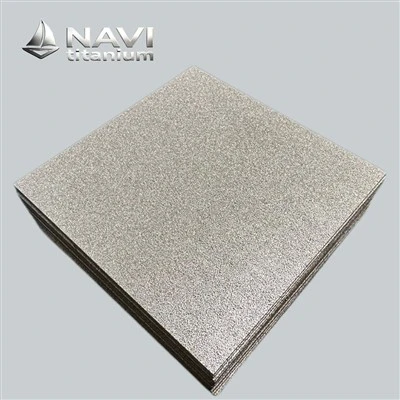
Engineered from corrosion-resistant stainless steel, this flat, uniformly porous sheet combines structural rigidity with precise permeability for demanding filtration and flow-control applications. Every sheet is supplied with documented verification of thickness, pore distribution, and mechanical strength, ensuring full traceability and material integrity. This rigorous quality control guarantees dependable performance, long service life, and compliance with stringent industrial requirements. Suitable for chemical processing, food and beverage production, and high-temperature environments where reliability is critical. The result is a durable, precisely specified component you can integrate with complete confidence.

Manufacturing Process
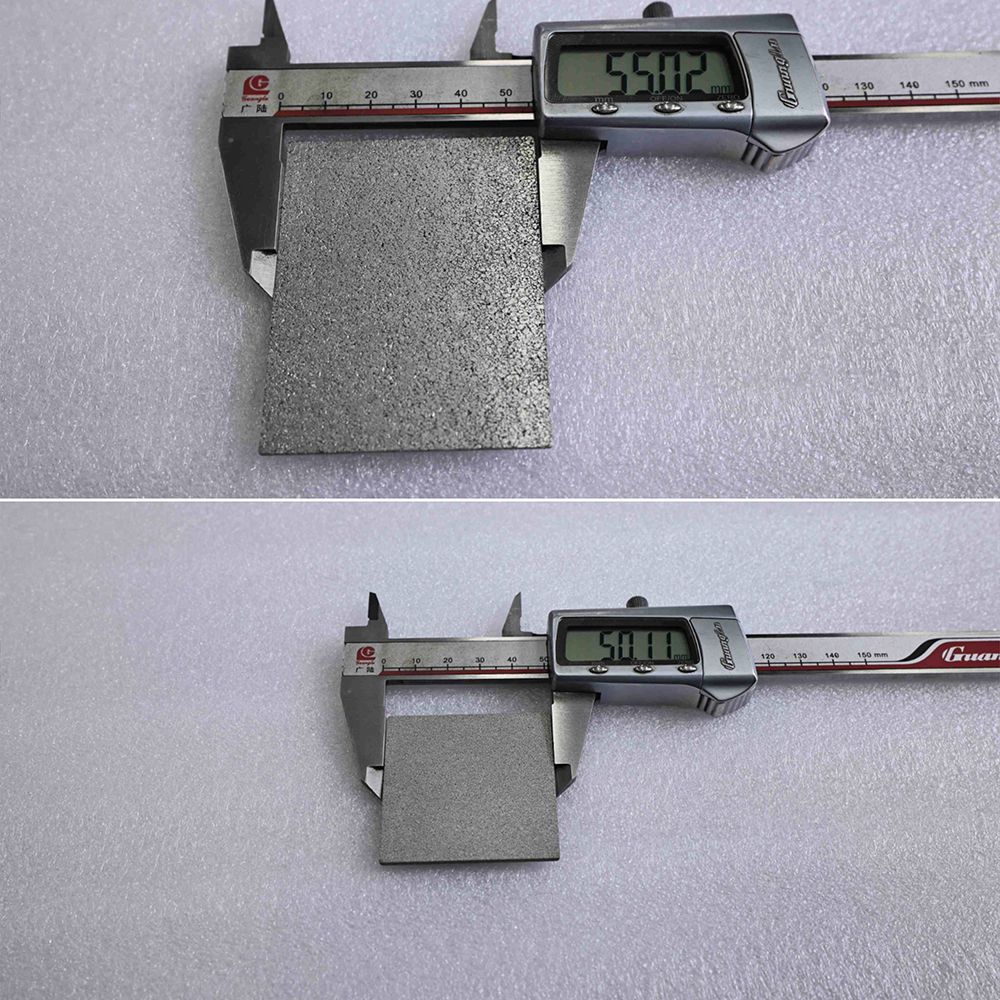
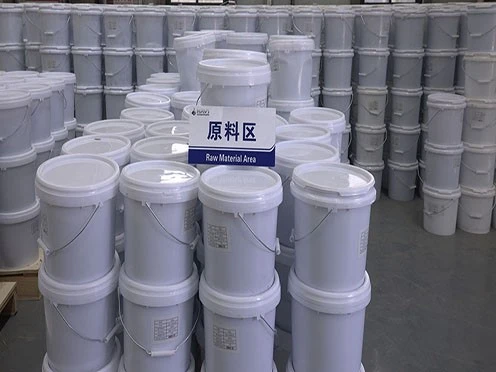
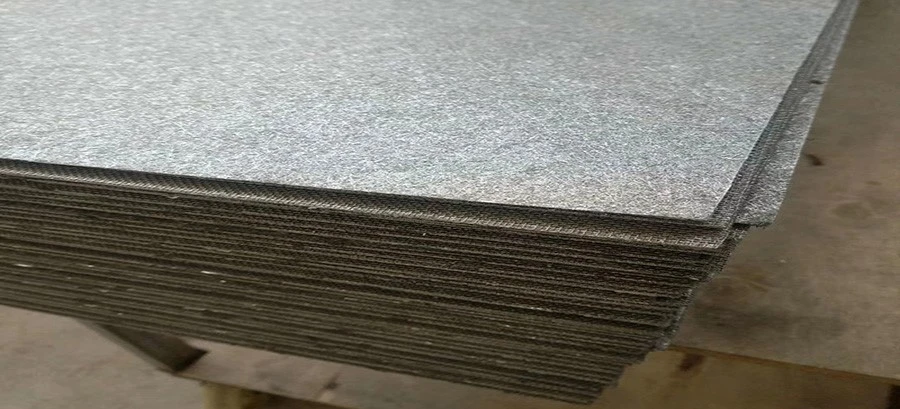
The production begins with carefully classified stainless-steel powder, typically selected according to the required corrosion resistance, mechanical strength, and service environment. The powder is blended to achieve a consistent particle distribution, then evenly filled into a rectangular mold corresponding to the required plate geometry. Controlled compaction gives the green compact sufficient rigidity while preserving the intended internal void network. The compact is subsequently consolidated in a controlled-atmosphere furnace, allowing adjacent stainless-steel particles to bond without completely closing the interconnected passages. After cooling, the flat square panel is removed from the tooling and subjected to edge trimming, surface conditioning, and dimensional correction where necessary. Particular attention is given to flatness, corner geometry, thickness uniformity, and the consistency of the open structure across the entire panel. Machining can add mounting holes, slots, grooves, or other features specified by the equipment drawing. Surface cleaning removes loose residue from handling and machining. The finished piece is then packaged with protective separators to prevent scratching, bending, or contamination during storage and shipment.


Product Principle
Porous stainless steel plate is developed for steam processing and hot-fluid handling tasks requiring accurate contaminant regulation and consistent vapor quality. Its optimized flow channels promote the separation of rust particles, scale residues, and suspended impurities while improving moisture removal during steam transmission. NAVI Titanium the bonded alloy body retains dimensional precision and mechanical strength under repeated thermal exposure, pressure variation, and extended contact with high-temperature vapor.
Under high-temperature steam circulation conditions, specialized filtration media are designed to remove suspended impurities generated throughout pipelines and thermal treatment equipment. Their optimized internal pathway network facilitates progressive contaminant interception through mechanical screening and depth separation, capturing rust particles, scale residues, and solid debris carried by vapor flows. Unlike flexible filtration alternatives, the bonded alloy framework preserves accurate passage geometry when subjected to thermal cycling and variable pressure loads. NAVI Titanium This refined purification mechanism helps safeguard downstream valves, heat exchangers, and precision instruments against abrasive substances while maintaining cleaner steam quality during continuous operation.
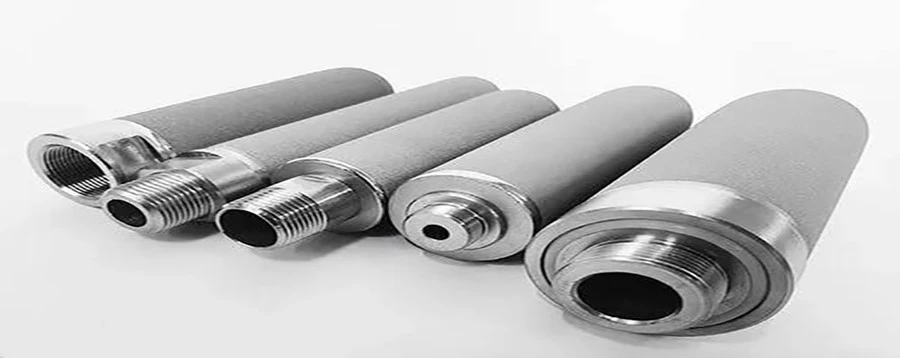
2. Condensate Separation for Steam Quality
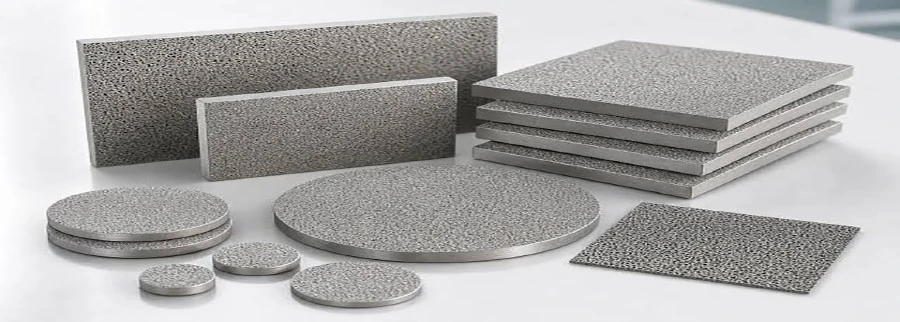
Within steam delivery and dewatering operations, porous metal sheet functions as a fine-tuning grade substrate for humidity adjustment, relying on bespoke internal routing and regulated conveyance traits. The network of linked channels directs vapor flow while fostering coalescence and extraction of entrained droplets borne by rapid steam currents. NAVI Titanium Through variation of wall depth and internal layout, this specialized conditioning medium curbs lingering wetness and elevates vapor dryness prior to arrival at downstream system components. These attributes prove especially advantageous in sterilization chambers, heat-treatment lines, and steam transport manifolds-where vapor quality directly dictates energy efficiency, equipment dependability, and overall productive output.
Under sustained exposure to saturated vapor loops, nickel/chromium-bearing retention substrates retain geometric fidelity throughout recurrent temperature swings, cooling intervals, and fluctuating pressure scenarios. The diffusion-bonded structural body endures repeated heat loading, erosive wear, and vibrational loads without experiencing notable warping or premature degradation-facilitating dependable operation under extreme service environments. In contrast to polymer-based counterparts prone to softening, swelling, or particulate shedding at elevated temperatures, this rigid substrate preserves uniform performance parameters while lowering the potential for secondary contamination. A broad spectrum of oxidation-resistant formulations-covering 316L and 310S variants-may be chosen based on thermal demands and chemical interaction profiles, rendering them applicable to steam conditioning skids, vacuum process vessels, and high-temperature fluid/gas circuits.

Root-Cause Analysis
When an unexpected change appears during operation, the first step is to define the observed symptom as clearly as possible rather than immediately assigning a cause. Examples may include increased voltage, reduced current response, uneven electrochemical activity, visible surface changes, output fluctuation, or an unexpected interruption. The next step is to collect operating data such as current, voltage, temperature, electrolyte readings, operating hours, electrode spacing, active area, and process output. These records can be compared with previous operating data to identify when the deviation began and whether it developed gradually or appeared suddenly.
The electrode itself should then be reviewed separately. Visual information may include discoloration, deposits, localized surface changes, coating loss, mechanical marks, or differences between one area and another.
After the initial data review, attention can shift to the wider process. Relevant parameters may include current loading, voltage range, temperature, electrolyte composition, electrolyte circulation, electrode spacing, operating duration, cleaning practices, and recent process adjustments. The timing of each change is particularly useful. For example, if voltage increased immediately after an electrolyte adjustment, that event can be compared with earlier records. If surface changes appeared only after extended operation or after a cleaning cycle, those events can be reviewed in the same timeline.
The final assessment should identify possible causes, rather than declaring a single cause without sufficient evidence.

Product Development

Processing installations for gaseous streams routinely encounter feeds with fluctuating makeup, erosive particulates, condensable fractions, and reactive chemical species, which impose rigorous requirements on separating units. Under these service circumstances, traditional separating elements can suffer from constricted channels, expedited surface deterioration, and diminished impurity-trapping efficiency when accumulations slowly form along interior conveyance paths. Entrained dust, oxidized scale, carbon fines, and secondary reaction products tend to shorten maintenance intervals and hasten erosion of valves, compressors, heat exchangers, and other critical process apparatus. Consequently, extending service life relies on separation schemes that optimally reconcile particulate elimination, pressure tolerance, and gas throughput capability amid continually fluctuating operational states.
NAVI Titanium develops graded-depth separation technology, Instead of concentrating contaminants near the feed side, the graded-depth design spreads particle loading evenly across the full cross‑section of the separation barrier. Coarse particulates get trapped near the entrance, whereas finer ones travel deeper into the structure for subsequent interception, which curbs premature clogging and prolongs maintenance intervals. This staged retention behavior stabilizes flow and restrains pressure buildup even as debris continues to collect over time. Through variation of granule size distribution, compaction force, and thermal bonding parameters, each barrier can be tailored to meet specific purity targets, rate capacities, and lifecycle expectations under harsh service conditions.
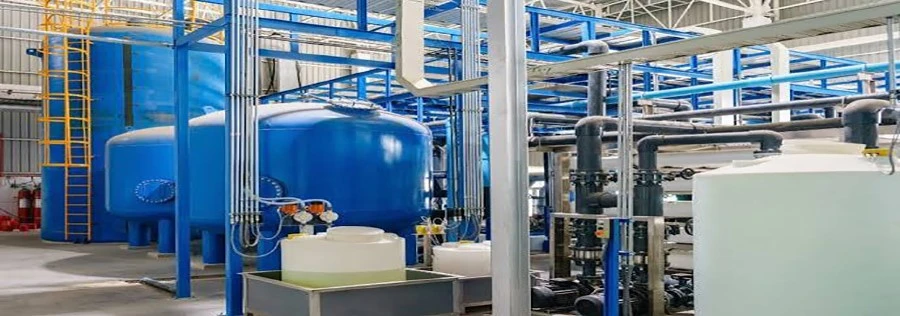

The gaseous effluent from coal conversion carries substantial amounts of entrained ash, carbon fines, sulfurous compounds, alkali salts, and inorganic trace elements, all of which constantly challenge the purification trains operating under elevated thermal conditions. Unless eliminated ahead of downstream stages, these impurities accelerate erosion, foster deposit formation, and impair the performance of turbines, recuperators, and catalytic units. Traditional organic separation media tend to break down under high heat, whereas many conventional rigid alternatives may suffer from constricted passageways or gradual warping after extended exposure to severe temperatures and abrasive loads. Thus, achieving extended operational intervals hinges on preserving effective solids elimination, acceptable pressure differential, and steady flow capacity amid persistently shifting process variables.
NAVI Titanium includes a specific configuration known as porous stainless steel plate, which serves coal-gas purification and other high‑temperature separation duties where erosive particulates and reactive chemical species are persistently present. The graded capture layout spreads particle accumulation uniformly across the full substrate thickness: coarse ash is held near the entry face, while finer solids move inward for subsequent retention. This stepped interception strategy delays early clogging, endures cyclic thermal fluctuations and aggressive flows, and avoids the shedding issues typical of conventional fibrous materials. Various material specifications, opening sizes, and geometric forms can be ordered to fit the needs of gasification units, thermal reaction chambers, and exhaust‑gas cleanup systems.
FAQ
1. What should be noted during loading and unloading?
+
-
Handle each item carefully and avoid impact, dropping, scraping, or excessive pressure. Keep the goods dry and clean during transfer, and use suitable protective packaging when moving larger quantities.
2. What should buyers check upon delivery?
+
-
Check the quantity, grade, dimensions, pore rating, surface condition, packaging, and shipping documents against the purchase order. Any visible damage or discrepancy should be recorded promptly and reported with photographs.
3. Can my logo be added to the items or packaging?
+
-
Yes. We provides ODM and OEM services.
4. What is the minimum order quantity (MOQ)?
+
-
MOQ varies according to the item type, grade, dimensions, and specification. For standard stocked grades, orders can start from 1 piece. Customized orders may require a different quantity based on processing requirements.
5. What factors should be considered when selecting such permeable media for gas and steam filtration?
+
-
Selection hinges primarily on service temperatures, media attributes, line pressures, mechanical demands, and required separation cut-off. Engineers generally assess cut-off thresholds, wall depth, variant selection, flow-through capacity, and profile constraints against actual installation conditions. Variants like 316L and 310S may be chosen according to thermal extremes and chemical attack profiles-enabling adequate contaminant hold-up while sustaining unobstructed media transit throughout service life.
Hot Tags: porous stainless steel plate, China porous stainless steel plate manufacturers, suppliers, factory, Sintered Brass Filter, Sintered Bronze Filter Disc, Sintered Metal Filter Cartridge, Sintered Nickel Filter, Sintered Porous Metal Filter, Sintered Powder Filter