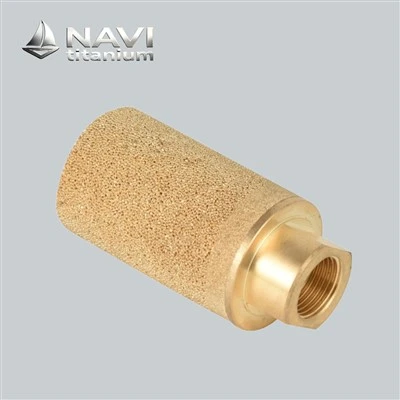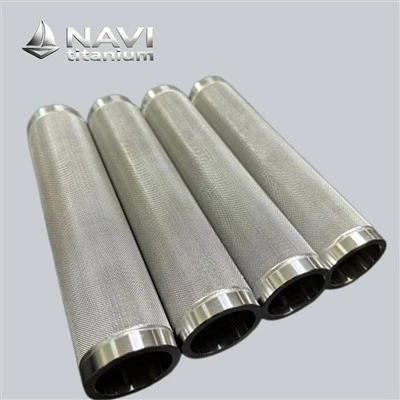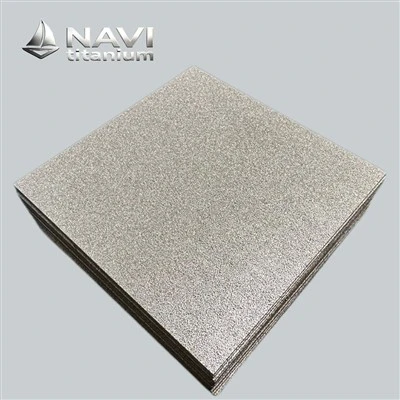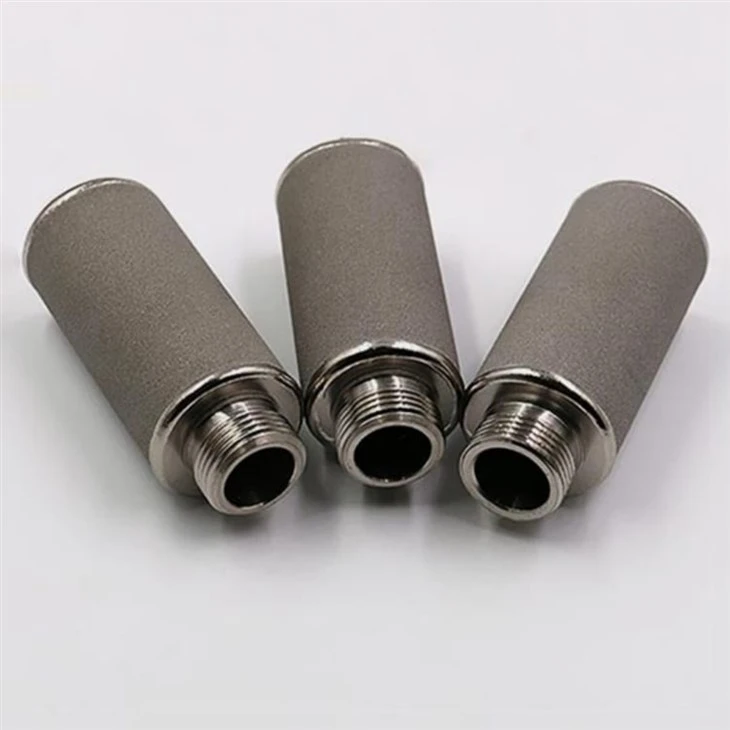

NAVI Titanium microporous filter is a high-precision, low-loss precision filtration device that relies on micron-level porous filtration media to achieve accurate solid-liquid and solid-gas separation. It is one of the core equipment used in modern clean production and fluid purification processes. Compared with traditional filtration equipment, NAVI Titanium filter adopts an integrated molded filtration structure. The deep filtration design allows the density of the filter material to gradually increase from the surface to the interior, effectively avoiding filtration dead zones, providing stronger contaminant holding capacity and longer service life. Meanwhile, NAVI Titanium equipment is manufactured through a full hot-melt welding process, with no adhesive and no chemical contaminants released.
Product introduction
The product specifications cover small laboratory models, medium-sized industrial models, and large-scale high-flow production models, suitable for different applications such as laboratory sample filtration, small and medium batch production, and large-scale industrial production lines. The overall equipment structure is compact, installation is convenient, cleaning and disassembly are simple, and it supports various operating modes including normal pressure and low pressure, with extremely high stability. The following section provides detailed core specifications and technical parameters for products made from different materials.
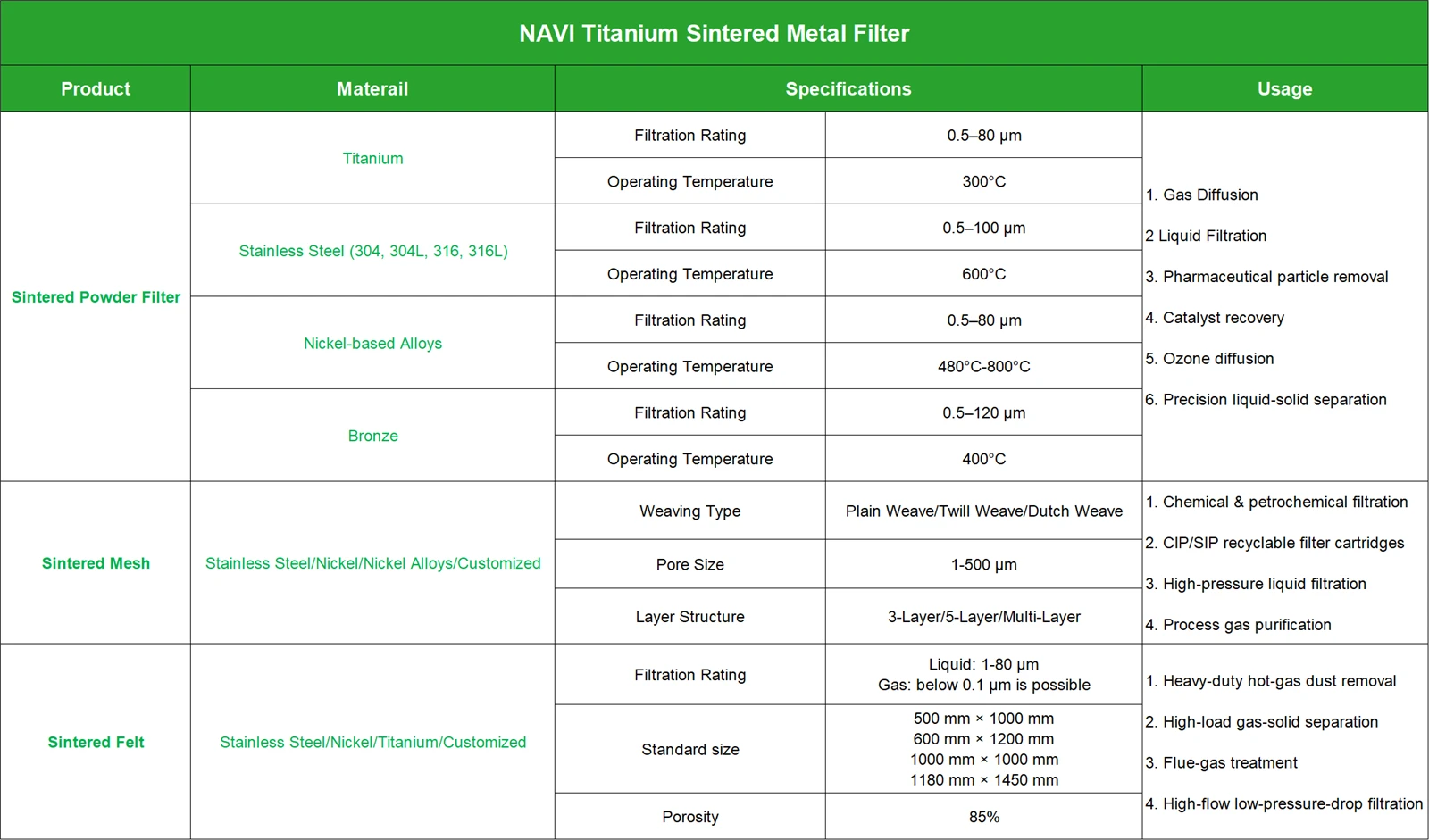


NAVI Titanium uses a precisely controlled porous structure to effectively retain fine particles, suspended solids, and other contaminants in industrial circulating water. Its rigid sintered structure provides stable filtration performance and supports repeated cleaning, making it suitable for continuous water treatment and demanding industrial filtration applications.


Application
NAVI Titanium application scenario is one of the fields with the strictest requirements for material release control and hygiene compliance in food production. High-purity food-grade sintered microporous filtration elements, with their core advantages of zero release, no media shedding, and high cleanliness, fully comply with domestic and international food contact safety standards such as GB 4806 and FDA. During beverage production, the entire process involves liquid food contact conditions. Conventional filtration materials are prone to contamination issues such as organic dissolution, fiber shedding, and heavy metal migration. In contrast, 316L high-purity stainless steel and pure titanium sintered filter elements adopt a vacuum integrated sintering process, containing no adhesives or coating impurities, and their metal ion migration levels are far below national standard limits. They can precisely intercept bacteria, colloids, fine impurities, and microorganisms in water and beverages, and are widely used in the primary liquid filtration, terminal sterilization, production of sterile air, and process purified water filtration of bottled drinking water, fruit and vegetable juices, carbonated beverages, and functional drinks. Throughout the process, they do not alter beverage flavor or cause secondary contamination, meeting the compliant production requirements for room-temperature preservation and aseptic filling of beverages.

Grain, Oil, and Edible Oil Refining Filtration

In the production of edible oils, vegetable oils, and grain-oil deep processing, high temperatures and oily media can accelerate the aging and release of inferior filtration materials, making this a key area for food safety control. High-purity sintered filtration elements use high-purity inorganic metal materials as the filtration medium, featuring resistance to high and low temperatures, resistance to oil corrosion, and stable chemical properties. During long-term contact with vegetable oils, animal fats, and other oily media, they produce no organic substances or heavy metal release, fully complying with food contact material safety standards. Compared with traditional filter cloth and filter paper, sintered filter elements have uniform pores and a dense structure, enabling efficient retention of free fatty acids, impurities, oxidation residues, and fine suspended solids in oils. They also support high-temperature cleaning and repeated regeneration, effectively solving problems such as oil turbidity and impurity residue. They help edible oil refining, finished oil terminal filtration, and process oil purification meet required standards while avoiding food safety and quality risks caused by material release.
Purchasing guide

Quality control (QC)
NAVI Titanium strictly controls quality throughout the entire process, and every batch of products comes with a complete quality inspection report. From raw material composition analysis and mechanical performance testing to corrosion resistance verification, all test data is real and traceable, providing reliable quality proof for your project selection.
|
|

Manufacturing Process
Manufacturing expertise is fundamental to achieving reliable and consistent product quality, and it has been a key capability in NAVI Titanium's development within the titanium industry for more than 18 years. Production is carried out through a controlled sequence covering material selection, melting and forging, machining, surface finishing, treatment, and final forming. Technical specifications and operating requirements are established for each stage to maintain consistency in dimensions, surface condition, and material performance. At the same time, manufacturing parameters can be adapted to specific customer requirements, enabling component geometry, structural details, and performance characteristics to be refined for demanding applications. The following article provides an overview of the principal manufacturing methods, production stages, technical considerations, and advantages across the product range, illustrating how titanium materials are processed into application-ready components.
 |
|
 |

Application
In brewing and fermentation industries such as alcoholic beverages, vinegar, soy sauce, and yeast fermentation, the processing media are often weakly acidic, high-salt, and contain microorganisms, forming corrosive systems that can easily cause corrosion and material release from ordinary metal filter materials. High-purity non-releasing sintered filtration elements are suitable for strongly corrosive fermentation media conditions. High-purity titanium and high-quality 316L sintered materials provide excellent resistance to acids, alkalis, and fermentation liquid corrosion. During long-term contact with fermentation broth and brewing base materials, they produce no heavy metal dissolution, structural damage, or material shedding, strictly meeting food contact safety compliance requirements. During production, they can be used in processes including fermentation liquid clarification filtration, microbial cell separation, finished brewing product fine filtration, and fermentation process gas purification. They can effectively remove unwanted microorganisms and sediment impurities, improve the clarity and taste of fermented products, and prevent chemical reactions between filtration materials and fermentation media that may generate harmful substances, ensuring production safety and compliance of fermented foods.

Dairy Products and Low-Temperature Food Processing

Dairy products and low-temperature prepared food media are rich in nutrients, highly susceptible to bacterial growth, and extremely sensitive to foreign matter, trace impurities, and chemical migration. They are therefore key categories in food safety inspections. Food-grade high-purity sintered microporous filtration elements, featuring sterility, zero release, and no hygiene dead zones, perfectly meet the high-standard compliance requirements of dairy production. The materials undergo passivation polishing, degreasing, and acid cleaning processes, leaving no microscopic residual gaps on the surface. They do not adsorb milk residues or protein deposits that may cause deterioration and contamination, and no harmful substances migrate. They can be applied to raw liquid filtration, sterilization, and purification of milk, yogurt, and dairy beverages, as well as purification treatment of process water and sterile air in low-temperature food production. They also support CIP (Clean-In-Place) cleaning and SIP (Sterilization-In-Place) high-temperature sterilization, adapting to continuous aseptic dairy production processes. By preventing foreign matter and released substances from entering during filtration, they ensure safe and compliant production of low-temperature foods and dairy products.
Common Risk Comparison in Food Filtration
In industrial food filtration, the selection of NAVI Titanium microporous filters directly affects food safety and compliance. Traditional filtration materials often have issues such as material release, media shedding, bacterial growth, unstable filtration performance, and short service life, making them difficult to meet high-standard food production requirements. Traditional filter materials, including filter paper, filter cloth, microporous plastics, and low-end metal filters, are usually produced through weaving, pressing, or bonding processes involving adhesives and additives. Under high-temperature, acidic/alkaline, oily, or liquid food conditions, they may cause organic substance release, fiber shedding, and secondary contamination. Their irregular pore structures and rough surfaces can also absorb residues, proteins, and microorganisms, creating cleaning difficulties and increasing the risk of bacterial growth and product contamination.


High-purity food-grade sintered porous filter materials use inorganic high-purity substrates such as 316L stainless steel and high-purity titanium. Manufactured through vacuum high-temperature integrated sintering, they contain no adhesives, coatings, or chemical additives, effectively preventing organic release, powder shedding, and harmful substance migration, while meeting food contact safety standards such as GB 4806 and FDA. With uniform pore structures, high mechanical strength, corrosion resistance, and excellent cleanability, these filters can withstand CIP/SIP cleaning and repeated regeneration without deformation or damage. They provide stable filtration accuracy, reduce contamination risks, and ensure the purity and safety of beverages, oils, fermentation liquids, dairy products, and other food materials, supporting modern aseptic, standardized, and compliant food production.
Different materials, different economics
For sintered metals, titanium, stainless steel, nickel and nickel-based alloys differ in raw-material cost, processing requirements, corrosion and temperature resistance - so each is quoted against the intended operating environment. This table is for your reference.
| Material | Raw-material cost | Corrosion resistance | Temperature resistance | Forming & machining | Effect on the quotation |
| Titanium | Higher | Very high | High | Higher complexity | Grade, powder and surface treatment are scoped with the application. |
| Stainless steel | Moderate | Medium–high | Medium | Standard |
Standard processing; grade verified against the environment. |
| Nickel | High | Very high | High | Specialized | Forming and surface treatment drive the offer. |
| Nickel-based alloys | Highest | Very high | Highest | Highest complexity | Alloy grade, powder and processing dominate cost. |
Flexible Development for Sintered Components
NAVI Titanium is equipped to handle non-standard and project-specific porous metal components, including parts that are not available as conventional off-the-shelf items. Development can begin with a customer's existing component, physical sample, drawing, or even a basic dimensional reference. For replacement projects, the original part can be evaluated in terms of its shape, filtration surface, mounting method, and functional sections, providing a practical starting point for reproduction or improvement. This is useful for equipment upgrades, discontinued components, special filtration assemblies, and projects requiring relatively small initial quantities.
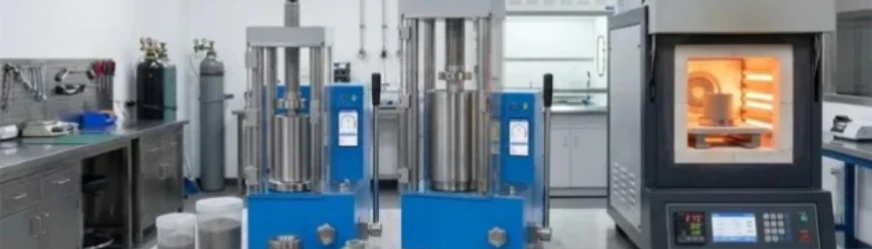
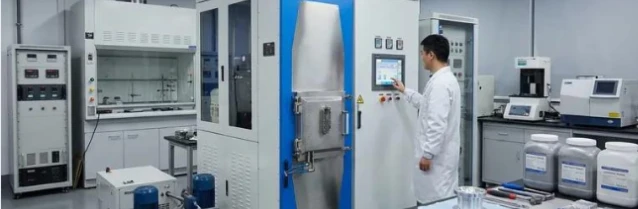
Another advantage is the ability to connect sample development with subsequent production. After the initial piece or trial batch has been evaluated, dimensions, processing details, and manufacturing parameters can be adjusted before moving toward regular quantities. Secondary operations such as cutting, drilling, threading, welding, grinding, and other precision machining can be incorporated when the porous body needs to interface with a larger assembly. This allows complex components to be developed as complete functional parts rather than simply supplying a piece of porous material, giving buyers greater flexibility when introducing new filtration components or replacing existing ones.
FAQ
01.What after-sales support is available after purchasing a Microporous Filter?
02.What should I do if the filtration performance of a Microporous Filter decreases during operation?
03.Can NAVI Titanium provide cleaning and maintenance guidance for Microporous Filters?
04.What support is available if a Microporous Filter is damaged or does not perform as expected?
05.Can replacement Microporous Filter elements be supplied after the initial purchase?
Hot Tags: microporous filter, China microporous filter manufacturers, suppliers, factory, Sintered Bronze Filter Disc, Sintered Bronze Muffler, Sintered Filter Plate, Sintered Powder Filter Cartridge, Sintered Stainless Filter, Titanium Filter