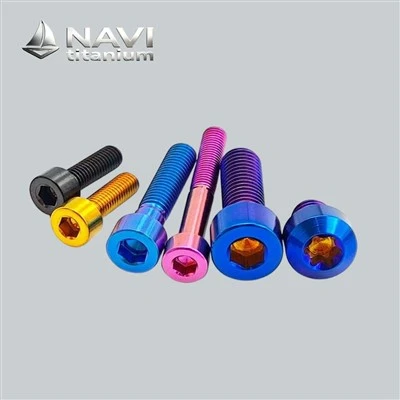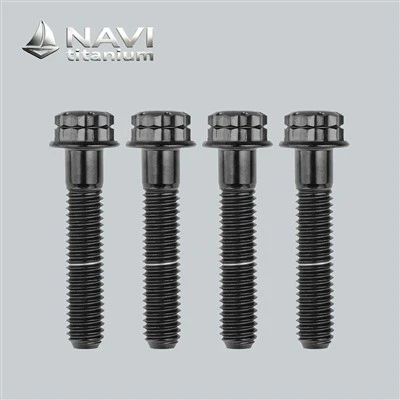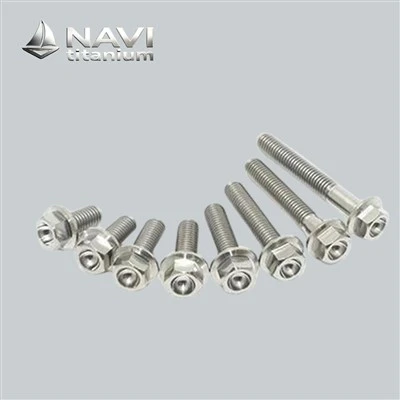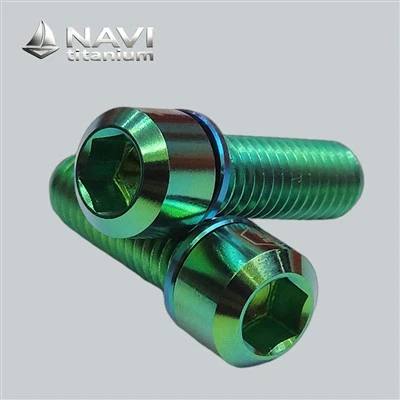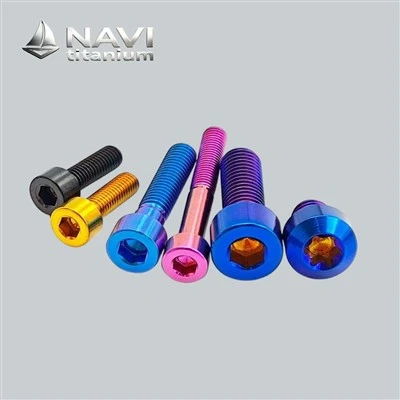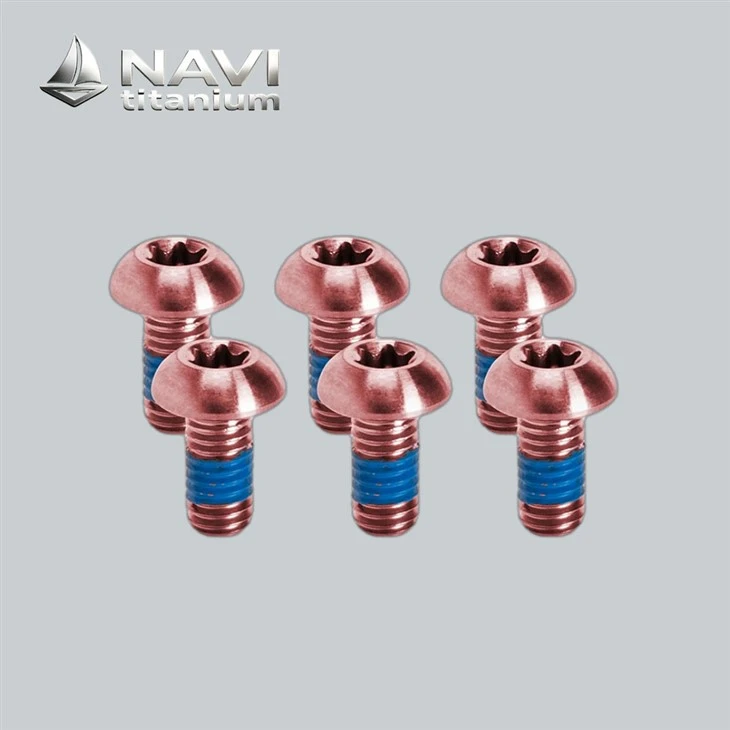
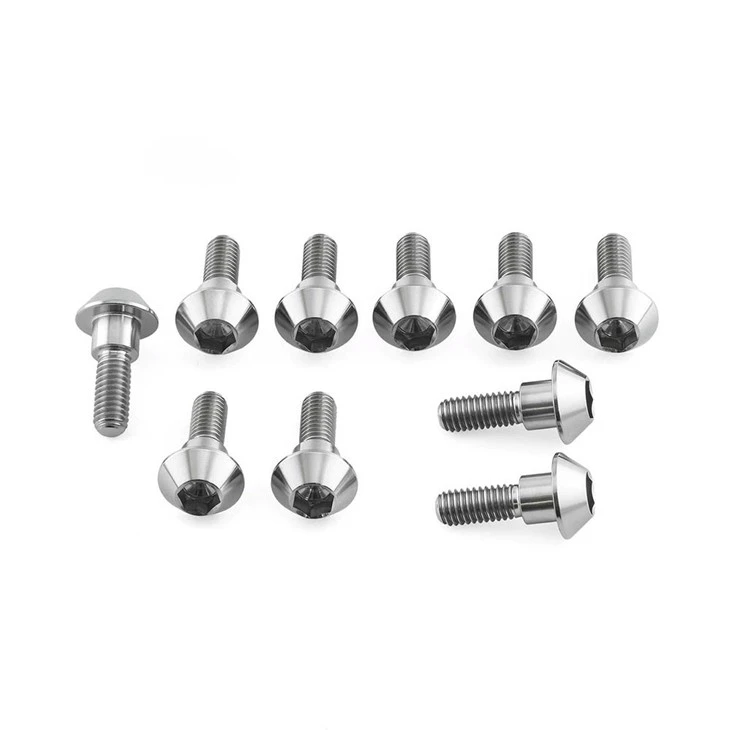
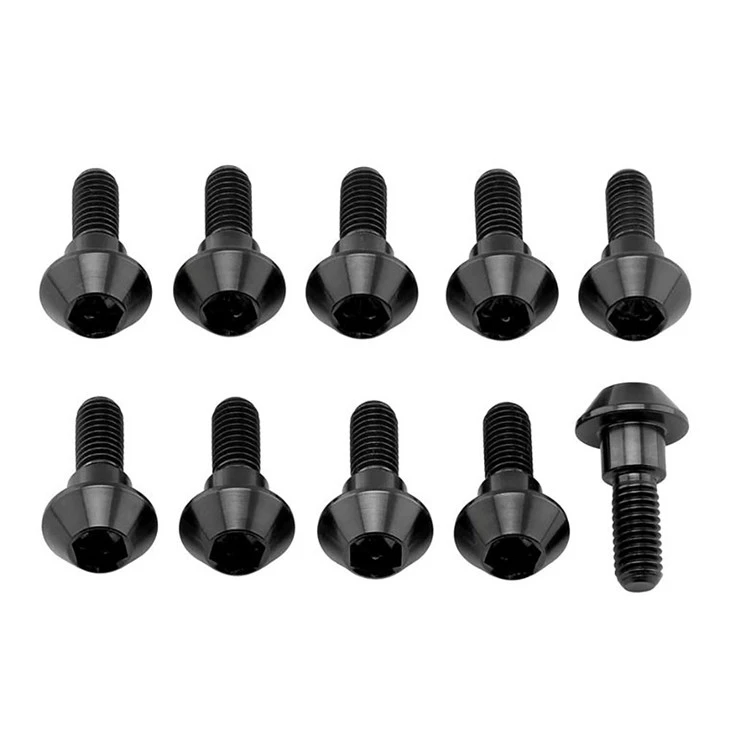
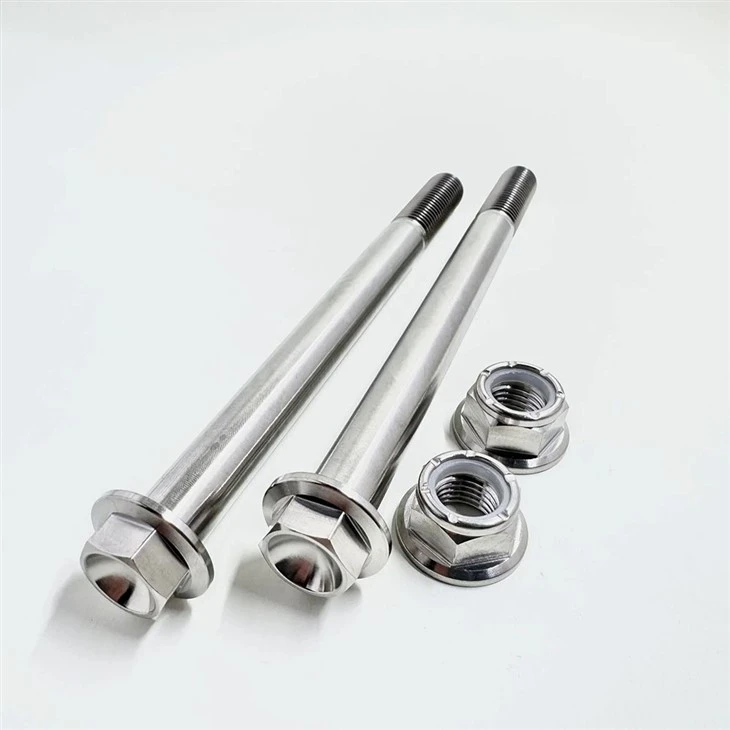
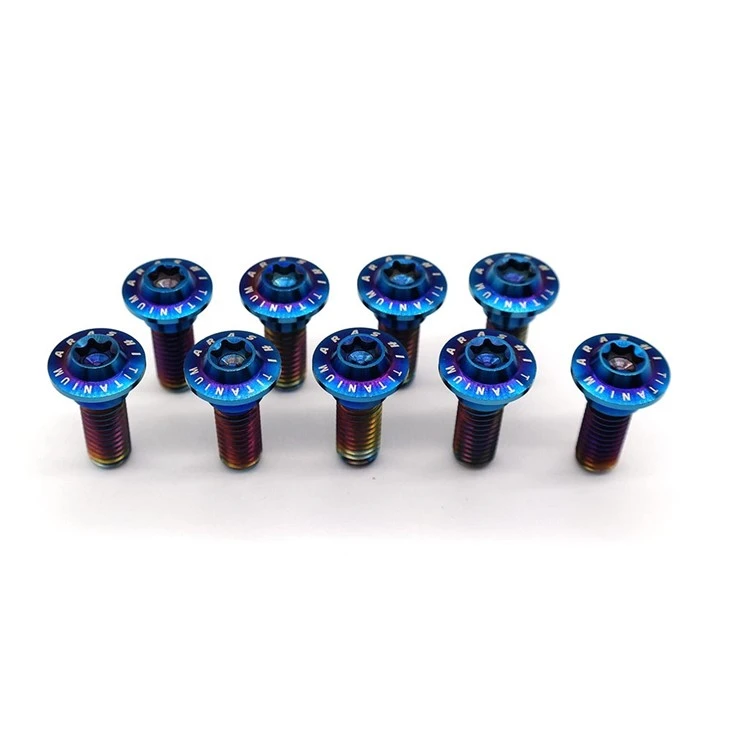
NAVI Titanium manufactures Yamaha titanium bolts for motorcycle upgrades, replacement projects, and specialist workshop applications, with attention to alloy consistency and model-specific fitment. For uncommon configurations, buyers can submit drawings, reference samples, or existing part numbers for feasibility assessment before production planning. This approach is particularly relevant to discontinued variants and low-volume aftermarket programs.
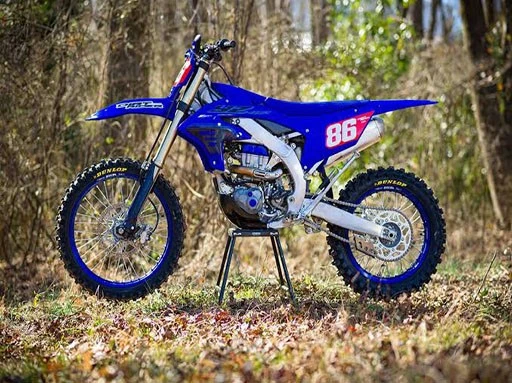
Solutions of NAVI Titanium
NAVI Titanium combines industrial production experience with technical coordination for motorcycle parts distributors, aftermarket brands, and specialist workshops. For less common Yamaha applications, drawing-based development and reference-sample assessment allow purchasing teams to explore nonstandard configurations before committing to production.


NAVI Titanium approaches component selection through alloy identification, application-specific compatibility, and controlled production practices.
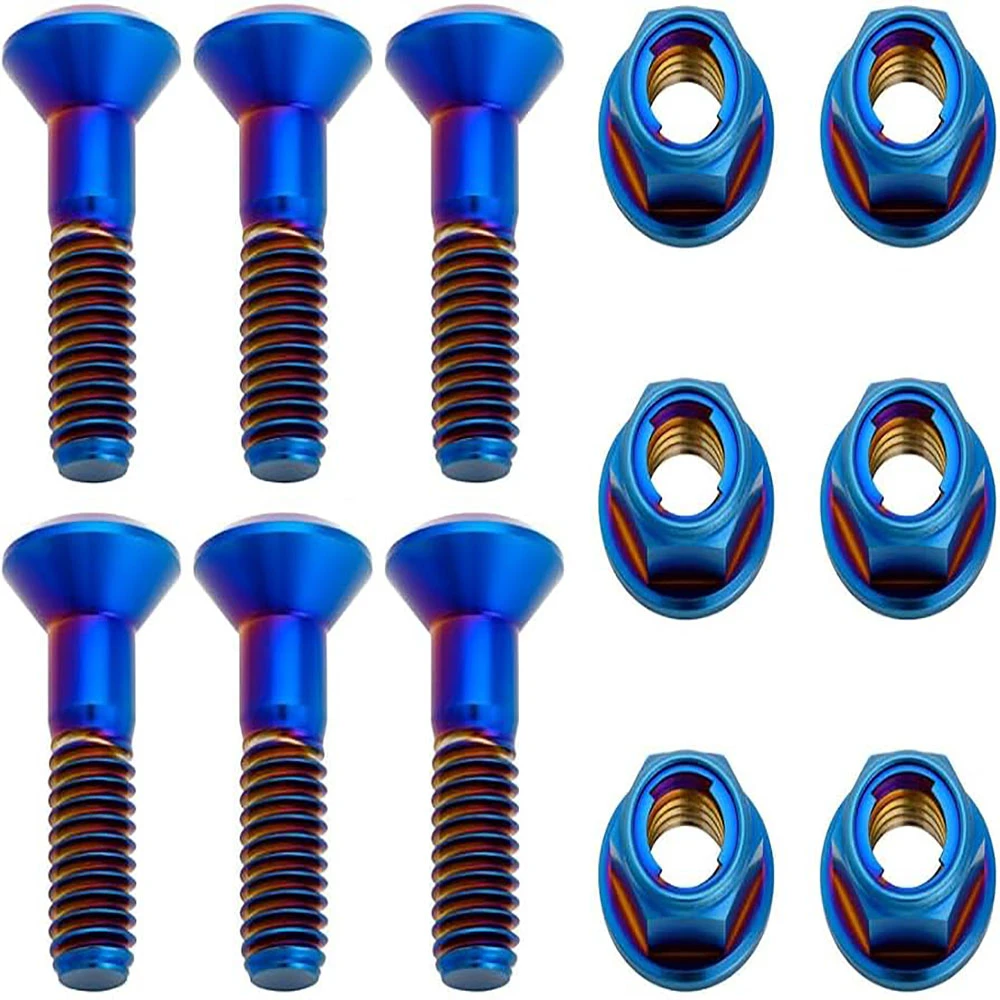
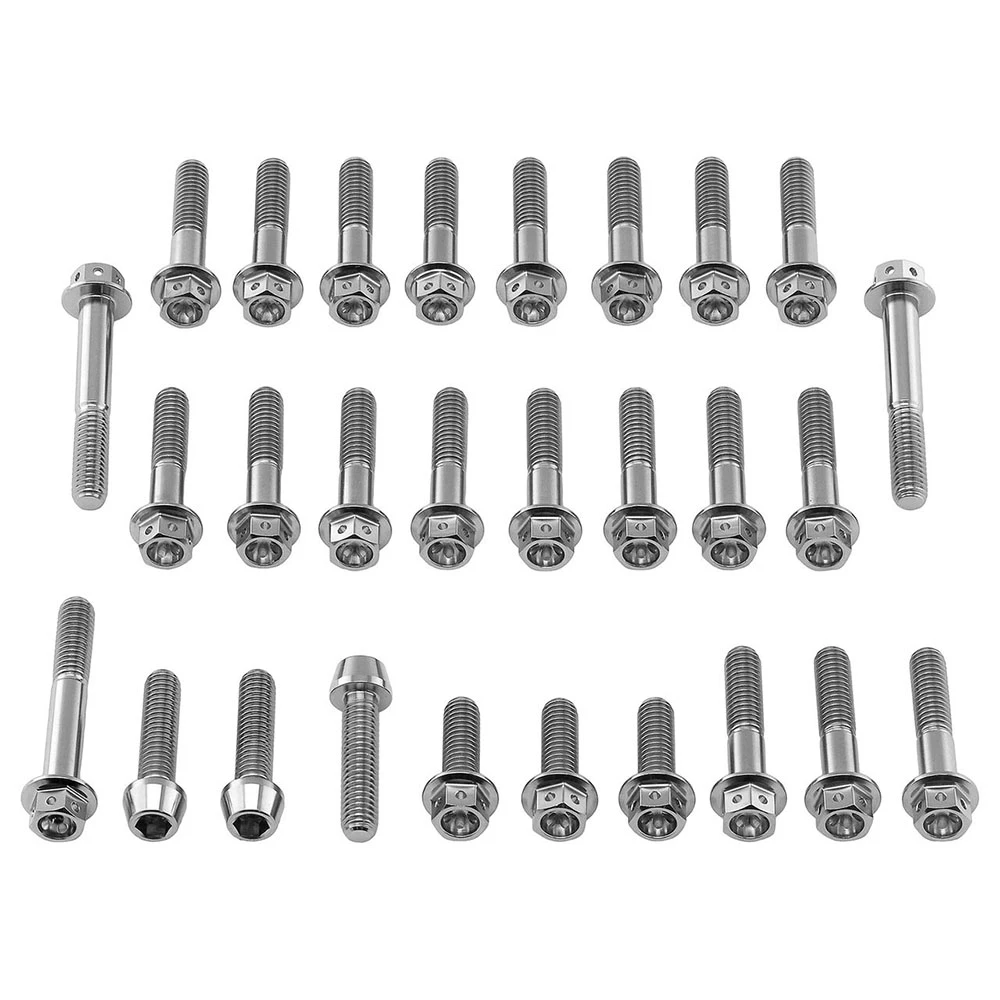
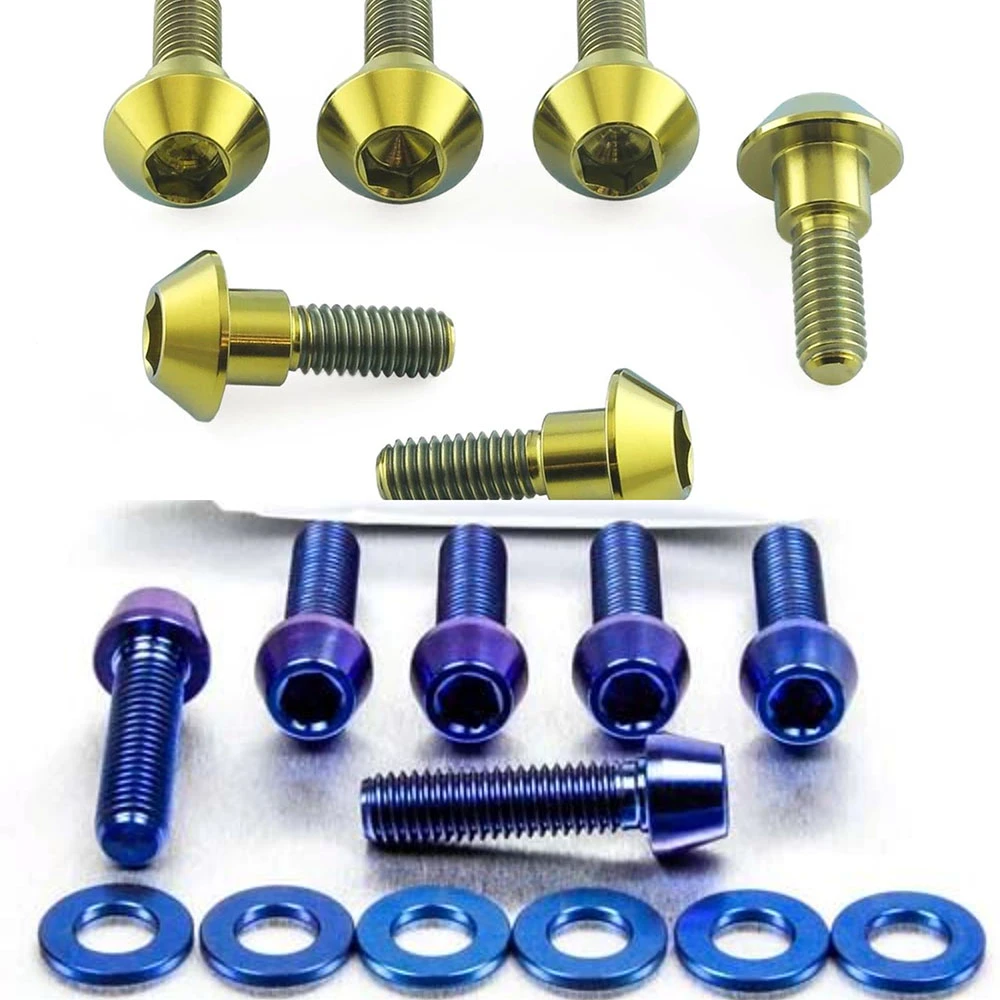
Application
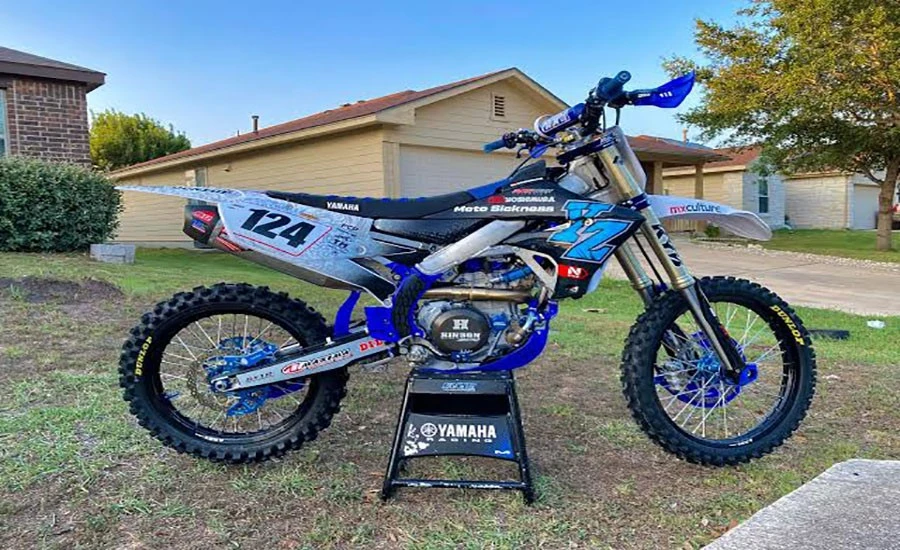
Yamaha Titanium Bolts from NAVI Titanium combine lightweight Ti-6Al-4V alloy performance with application-specific compatibility, controlled installation practices, and reliable joint stability across engine covers, chassis brackets, brake assemblies, and other motorcycle components.
Yamaha motorcycles incorporate multiple mechanical interfaces in which joint stability depends on load distribution, vibration exposure, and the interaction between connected components. Engine covers, chassis brackets, brake assemblies, foot controls, and external fittings operate under different combinations of cyclic stress and mechanical movement. Selecting suitable Grade 5 alloy fasteners for these locations therefore requires more than matching a nominal diameter. Engineers must consider the original joint design, clamping force, engagement depth, bearing contact, and the strength characteristics of the surrounding components. Excessive clamping force may damage softer mating parts, whereas insufficient preload can permit relative movement and accelerate fatigue. For aftermarket upgrades, compatibility with the designated Yamaha model and assembly position should be established before installation. Particular attention is necessary when replacing original steel hardware with lighter alternatives, since differences in elastic modulus and frictional behavior can influence preload under a given tightening torque. A technically sound selection process evaluates the complete joint rather than treating the individual component as an isolated part, preserving mechanical consistency across road, touring, and off-road operating conditions.
2. Installation Control, and Service Reliability
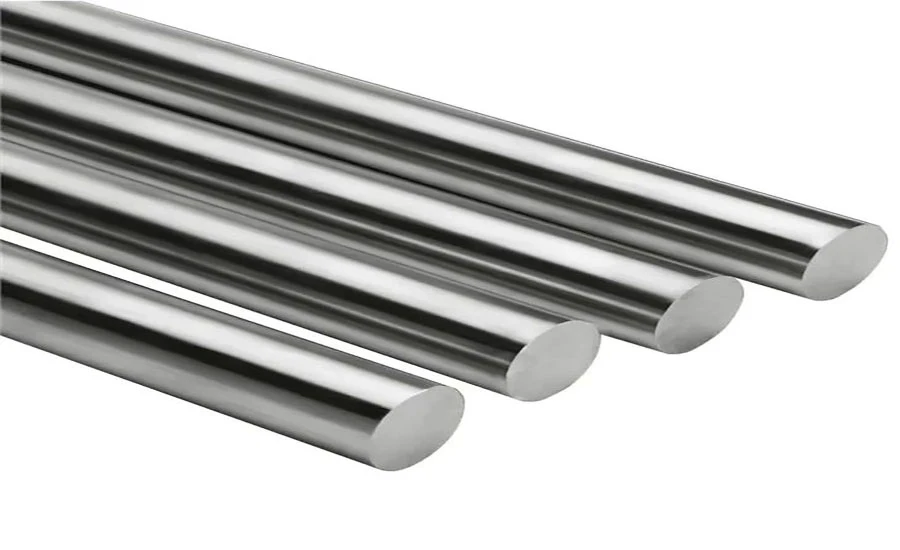
The suitability of Grade 5 alloy hardware for Yamaha motorcycle applications depends on the balance between mass reduction, mechanical performance, and long-term service stability. With a density of approximately 4.43 g/cm³, Ti-6Al-4V offers a substantial weight advantage over conventional steel, although its elastic modulus is also lower. These differences influence joint stiffness, preload retention, and the response of connected parts under repeated vibration. In practice, installation torque should follow verified specifications for the relevant model and joint, rather than being transferred directly from an equivalent steel component. Friction at the bearing interface and within the helical engagement can substantially affect the resulting clamping force. Galling is another consideration, particularly where compatible alloy parts experience direct contact under high pressure. Appropriate lubrication should be applied only when permitted by the applicable service guidance, because it changes the torque-to-preload relationship. For distributors and motorcycle parts specialists, traceable alloy identification, consistent manufacturing records, clear model references, and separation of visually similar variants are important procurement considerations.
Purchasing guide
Quality control (QC)
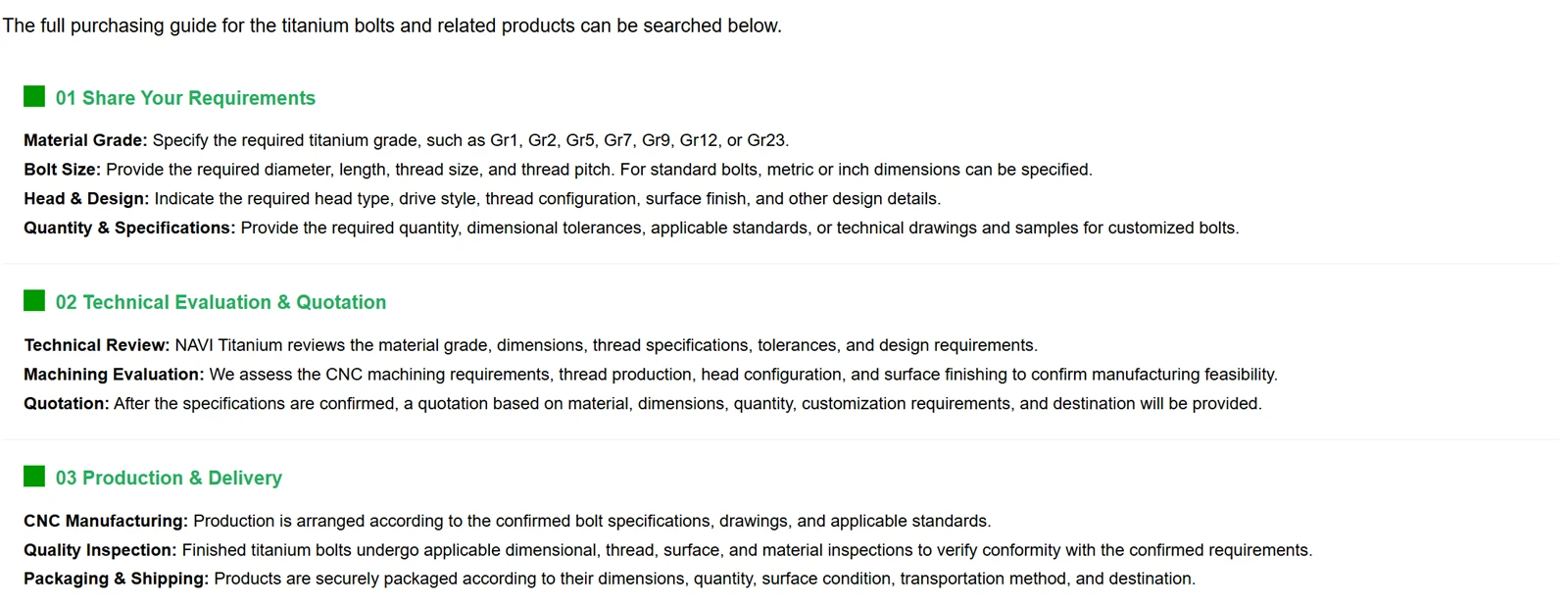
Reliable documentation is an important consideration when sourcing hardware for Yamaha motorcycle applications. NAVI Titanium maintains technical records that allow buyers to review alloy identification, manufacturing traceability, and relevant mechanical data, supporting informed procurement decisions and greater consistency across aftermarket maintenance and replacement programs.

Manufacturing Process
Manufacturing motorcycle fasteners for Yamaha applications at NAVI Titanium involves controlled blank preparation, precision machining, thread rolling or cutting, and carefully managed finishing operations. Each stage influences dimensional consistency, load-bearing performance, and compatibility with the intended assembly position. Where colored finishes are specified, controlled anodizing can produce distinctive appearances while maintaining the characteristic lightweight profile of the alloy. Throughout production, process records and appropriate verification procedures help maintain repeatability across different production runs. These manufacturing considerations contribute to dependable fitment, consistent workshop installation, and reliable performance under the repeated vibration and cyclic loading encountered during motorcycle operation.
Yamaha Model-Specific Kit Planning
For Yamaha motorcycle distributors and aftermarket retailers, a vehicle-specific kit from NAVI Titanium offers a more practical purchasing unit than a collection organized solely by nominal diameter. Different model generations may use distinct head profiles, pitches, lengths, and installation positions, even when their external appearance is similar. A structured kit schedule should therefore identify the motorcycle series, production year range, assembly location, and corresponding part references before production begins. Engine covers, chassis connections, brake components, and bodywork may each require separate component groups, depending on the intended upgrade scope. Buyers looking to buy titanium bolt kits can establish the contents through an original parts list, technical drawing, reference sample, or verified vehicle application record. This approach makes quotation comparisons more meaningful because suppliers evaluate the same defined combination rather than interpreting incomplete descriptions independently. For wholesalers managing several Yamaha series, a master compatibility matrix can link each kit code to its component list and applicable vehicle versions. Clear identification at this stage reduces ordering discrepancies, limits incorrect substitutions, and gives purchasing teams a repeatable basis for replenishment planning.
Separate Storage and Dispatch
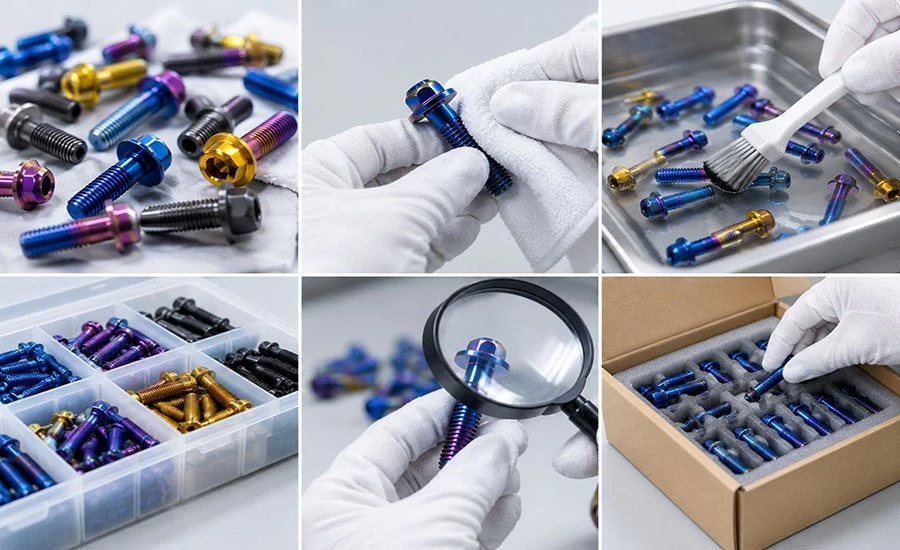
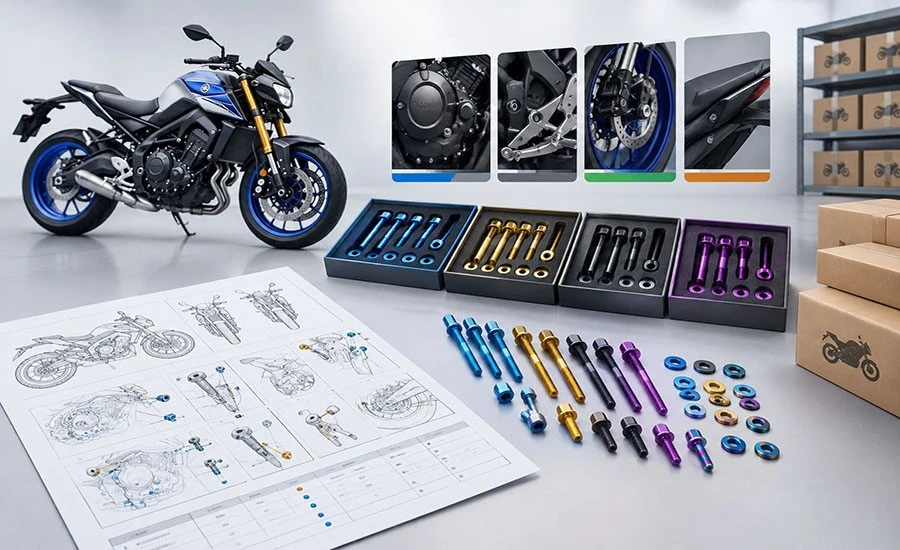
Warehouse organization becomes more complicated when several Yamaha kits contain visually similar components with different lengths, head styles, or intended positions. Keeping each vehicle-specific set in a separate carton or clearly divided compartment reduces the need for secondary sorting after goods arrive. An effective identification system can display the motorcycle series, applicable year range, kit reference, quantity, and internal component codes on the outer label and accompanying parts list. Where multiple vehicle versions are ordered together, separate carton identification helps receiving staff allocate stock directly to the correct inventory location. Individual compartments can distinguish closely related components and reduce contact between differently finished pieces during transport. For larger wholesale orders, carton-level references can also correspond with the commercial packing list, allowing warehouse personnel to reconcile received quantities without opening every unit unnecessarily. Distributors serving repair shops benefit from faster order preparation and fewer picking errors, while online retailers can maintain clearer stock records for each vehicle application. Consistent kit identification throughout storage, dispatch, and replenishment creates a more manageable supply process for multi-model aftermarket inventories.
Yamaha Parts Identification
For distributors handling Yamaha motorcycle hardware, linking original equipment manufacturer (OEM) part numbers with internal stock keeping units (SKUs) creates a consistent reference system across purchasing, warehousing, and aftermarket sales. Each internal code should correspond to a documented component description, applicable vehicle series, production year range, installation position, and approved specification record. This structure allows purchasing teams to compare quotations without relying on visual resemblance or incomplete descriptions. When an original reference is replaced by a newer number, the record should retain the previous identifier and document the reason for the change, where verified information is available. Separate SKU records may be necessary when visually similar components differ in pitch, length, head profile, or intended installation location. For wholesale orders, the same reference structure can be connected to quotation sheets, inventory software, picking lists, and customer invoices. Such coordination reduces duplicate entries, limits confusion between superseded references, and makes repeat purchasing more predictable. Buyers can also use the mapping table to communicate precise product information to repair shops and retail customers, improving traceability throughout the distribution process.

Verified Cross-Model Applications

A component that appears suitable for several Yamaha motorcycles should not automatically be listed as interchangeable across those models. Shared applications need documented verification covering the original part reference, mounting position, and relevant service specifications. A cross-reference table can identify each confirmed vehicle series and production year alongside the corresponding OEM number and internal SKU. Where compatibility has been established only for selected versions, those limits should remain explicit rather than being extended to an entire model family. Purchasing teams can use this record to consolidate demand for genuinely interchangeable components. However, unverified similarities should remain pending until supported by reliable manufacturer documentation, technical drawings, reference samples, or appropriate fitment checks. For international distributors, regional model variations and year-specific revisions also deserve attention because the same commercial model name may cover different configurations in separate markets. A controlled compatibility database gives sales staff a dependable basis for answering fitment enquiries while helping warehouse teams allocate stock accurately and reducing costly returns caused by incorrect application claims.
Motorcycle Series Fitment Management
For distributors and aftermarket wholesalers, organizing Yamaha titanium bolts by motorcycle series creates a more reliable purchasing structure than using a single generic category. NAVI Titanium recommends maintaining independent application records for each series, with model designation, production year, installation location, original reference number, and verified component specifications recorded together. This approach reflects differences in chassis architecture, engine configuration, bodywork attachment, and service access across road and off-road motorcycles. Even within one family, successive model revisions may introduce changes that affect interchangeability.
| Motorcycle series |
|
Catalogue organization |
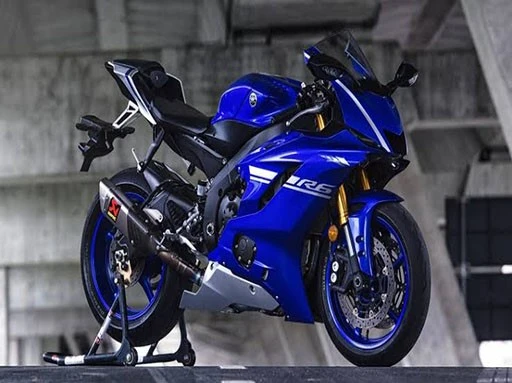
| YZF-R | YZF-R1, YZF-R6, YZF-R7 | Separate records for fairings, engine covers, and chassis locations |
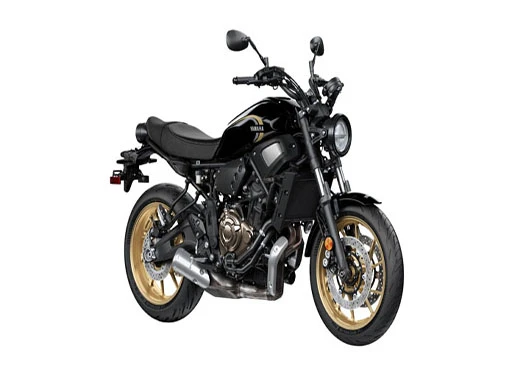
| MT | MT-07, MT-09 | Model-year-specific lists for bodywork and exposed mounting points |
| Ténéré | Ténéré 700 | Dedicated adventure-motorcycle fitment records |
| WR and off-road | Applicable WR models and other off-road variants | Separate records reflecting model-specific chassis and bodywork configurations |
A verified, series-based catalogue improves stock allocation, quotation accuracy, and aftermarket compatibility management while reducing incorrect substitutions and avoidable returns.
FAQ
1. Can these components be used with automated assembly equipment?**
-
Yes, compatibility with automated assembly systems can be evaluated according to feeder design, gripping method, drive-head configuration, and installation torque control.
2. Can precision machining accommodate complex motorcycle component designs?
-
Precision machining can produce intricate head profiles, recessed drives, and application-specific dimensions.
3. Are nonstandard designs available for specialized motorcycle applications?
-
Nonstandard production can be assessed using engineering drawings, reference samples, original part numbers, or photographs.
4. Can a small trial order be arranged before full production?
-
Small trial runs allow buyers to evaluate fitment, installation procedures, appearance, and compatibility with existing motorcycle components before committing to larger quantities.
5. Can production be scaled up after trial approval?
-
Yes, production planning can progress from an initial trial to repeat orders and larger manufacturing runs.
Hot Tags: yamaha titanium bolts, China yamaha titanium bolts manufacturers, suppliers, factory