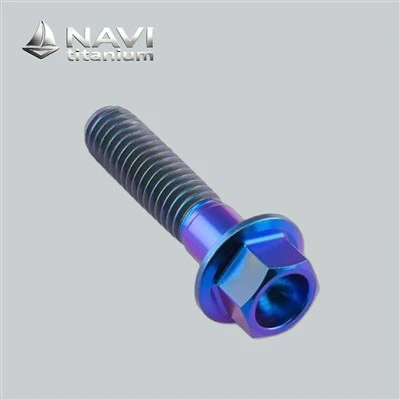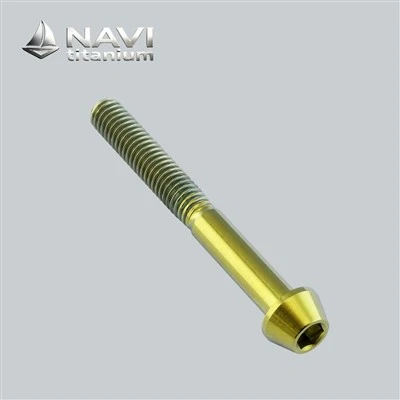
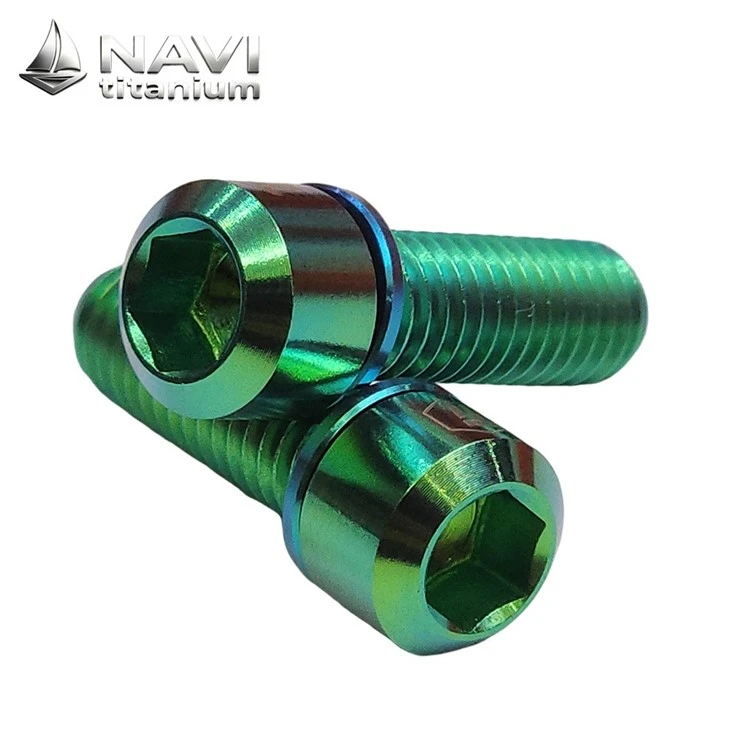
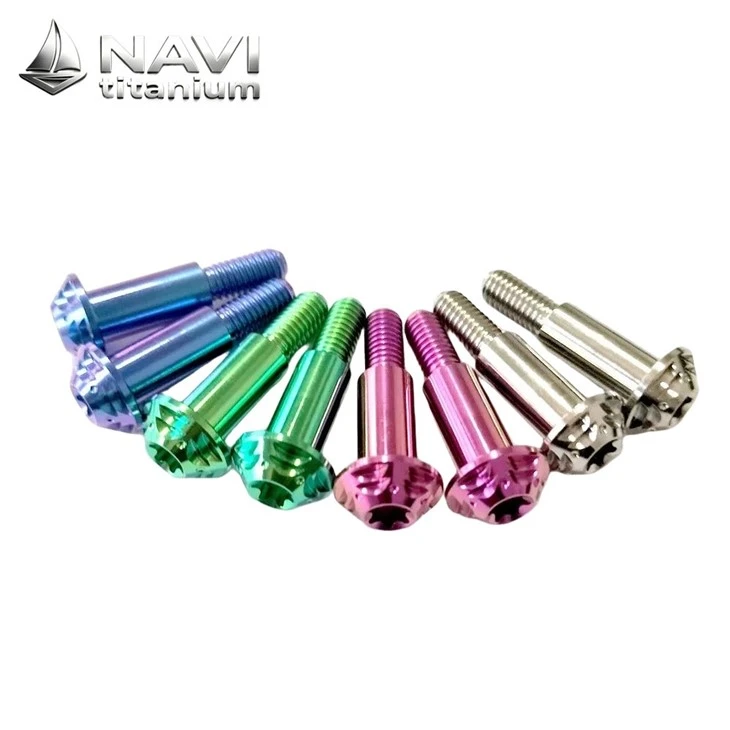
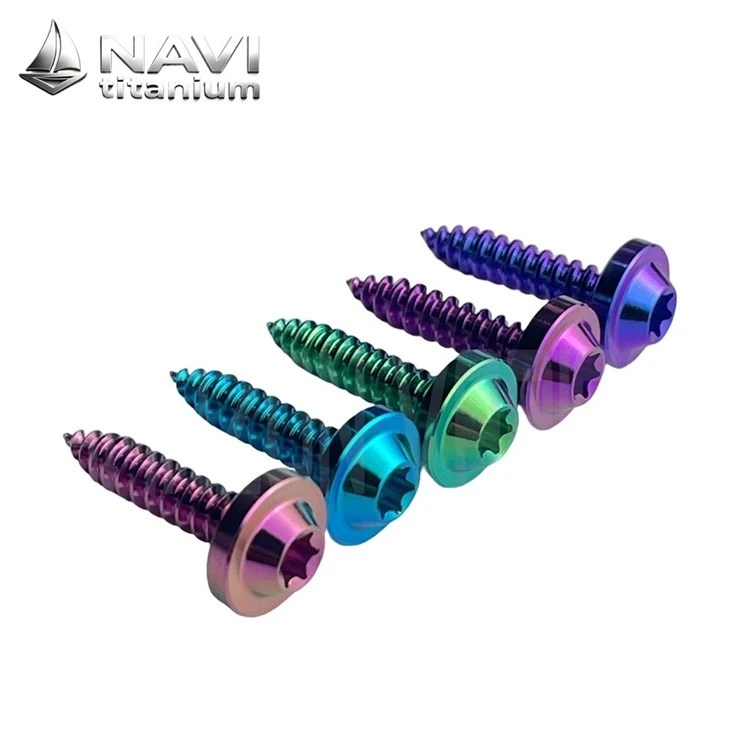
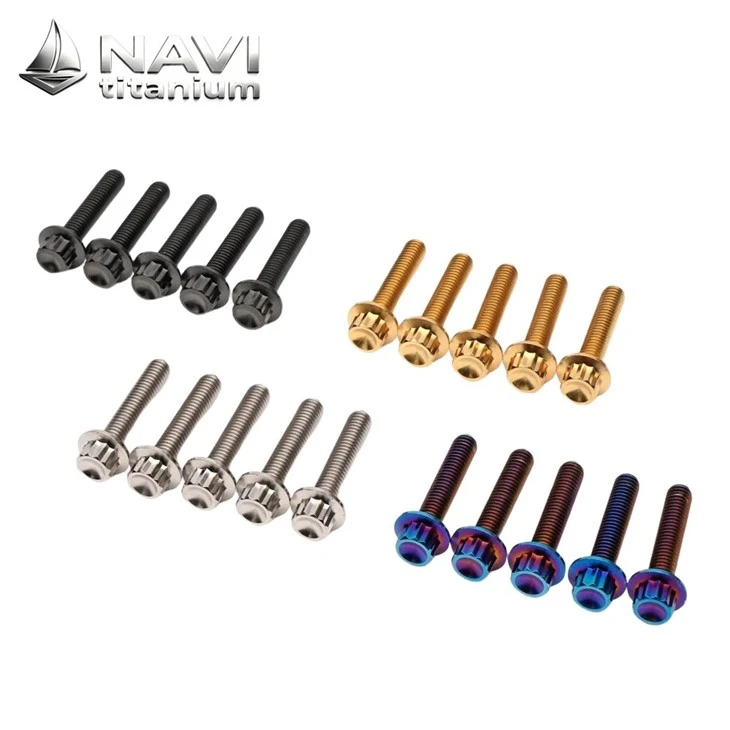
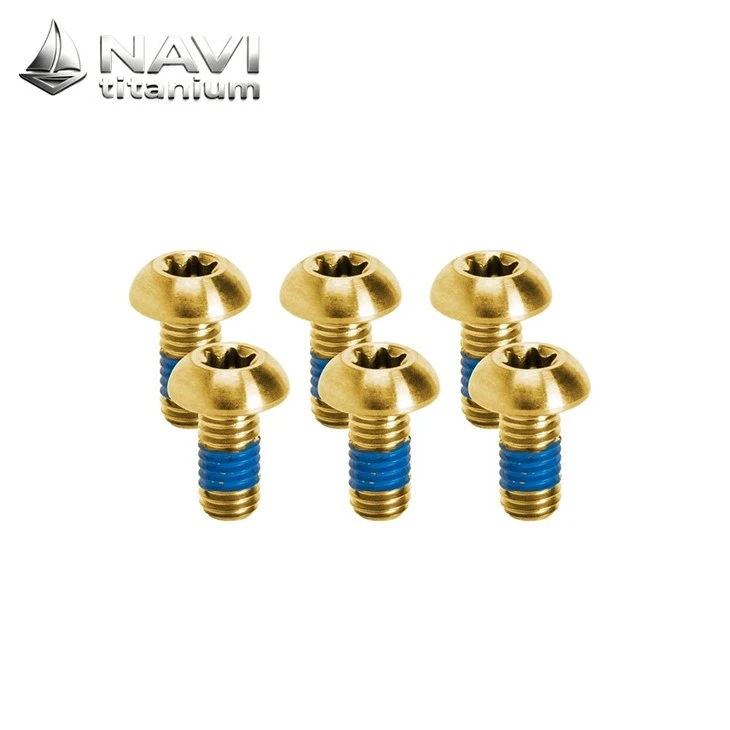
NAVI Titanium 1/4-28 titanium bolts replace rust-prone steel and toxic cadmium-plated AN4 hardware with Grade 5 Ti-6Al-4V - 895–1170 MPa UTS, 45% lighter, rust-free, and rolled-threaded for fatigue life under vibration. Because 1/4-28 is the AN4 thread (28 TPI, class 2A/3A to ANSI/ASME B1.1), it drops into experimental aircraft, motorsport chassis, UAV airframes and industrial machinery, and heads can be pre-drilled for safety wire. Every order ships with a per-heat mill certificate, thread gauge report and torque card. Send your thread class, length and head style for a fitment-checked quote within 24 hours.
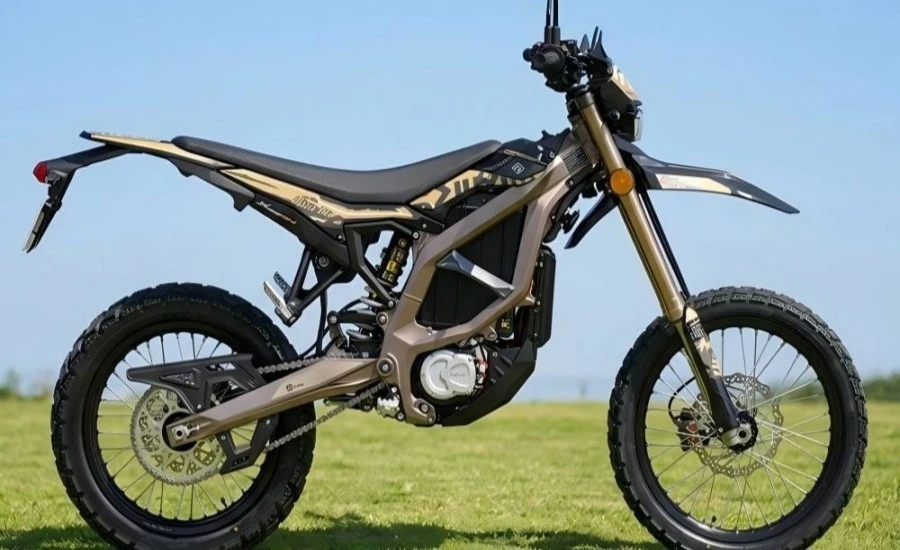
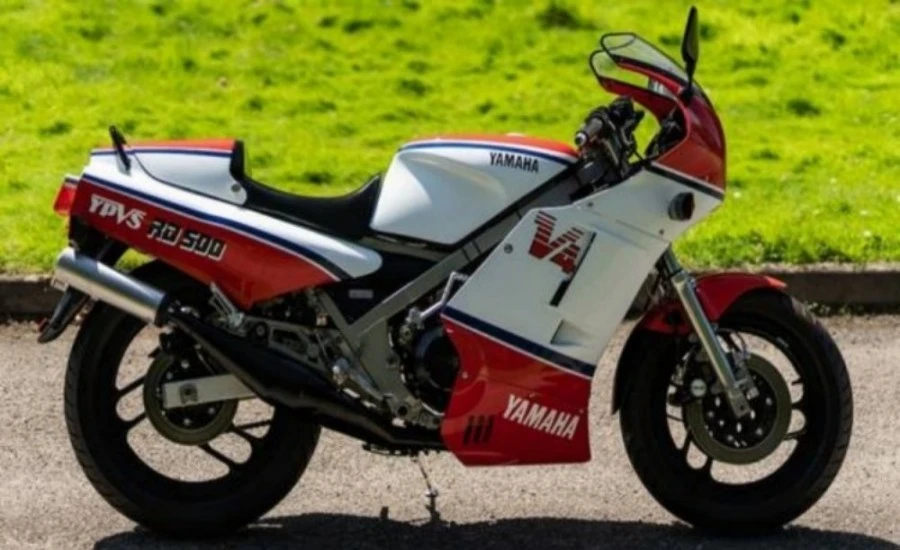
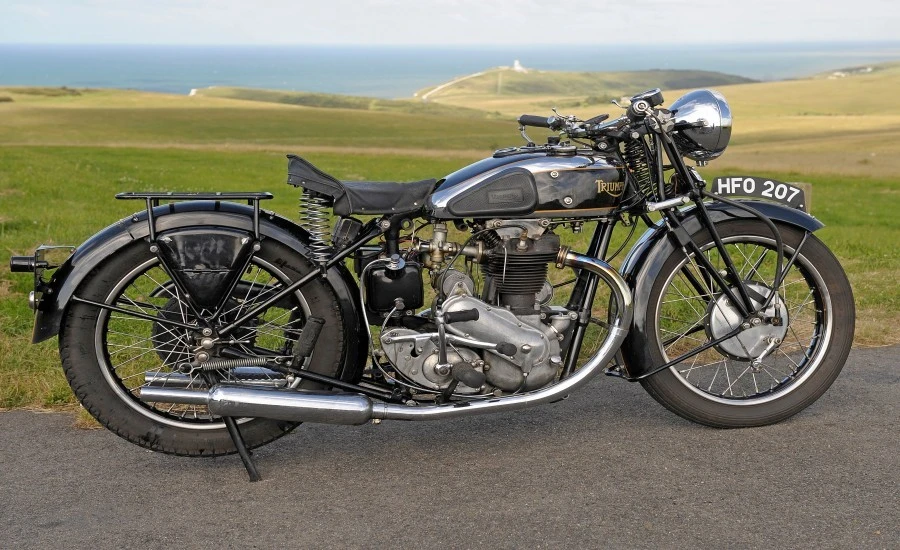
Solutions of NAVI Titanium
Since 2008, we have been focusing on the manufacturing of titanium alloy fasteners, certified according to ISO 9001:2015 | Grade 5 Ti-6Al-4V, compliant with ASTM B348/AMS 4928, UNS R56400 | Material certification comes with each batch | Regular hexagonal cylindrical head, countersunk head, round head, and pre drilled head types | We have served aviation suppliers, racing teams, drone manufacturers, and industrial OEMs in 32 countries.


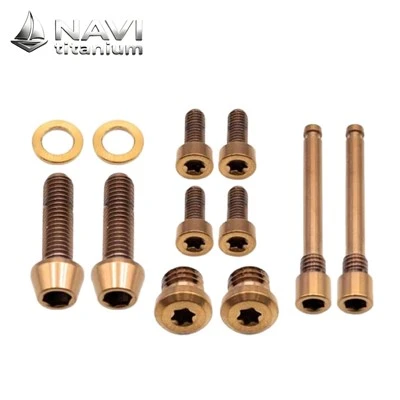
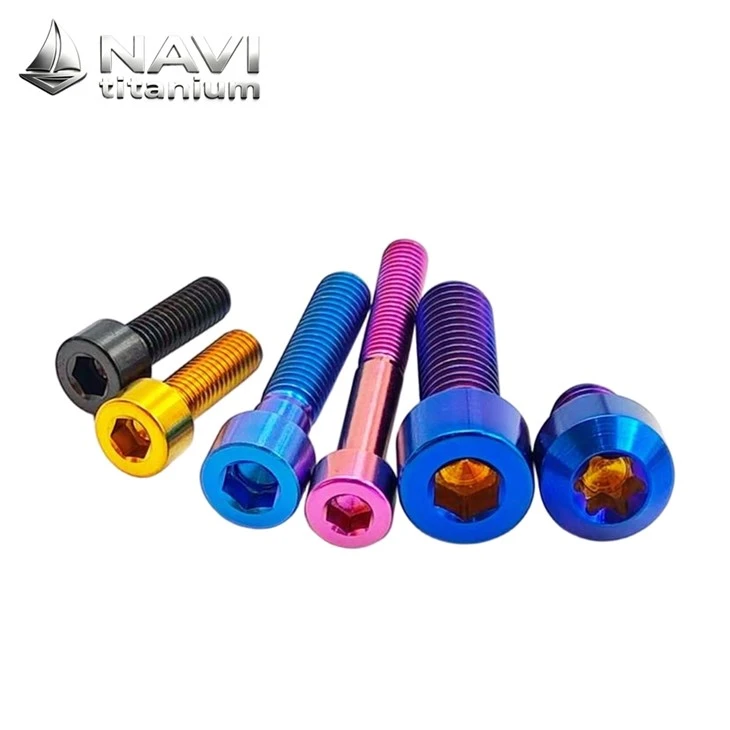
Available configurations include hexagonal, flanged hex, socket, button, Torx, twelve-point, and countersunk styles, accommodating different assembly layouts and tool-access conditions. Special profiles, overall sizes, and structural variations can be quoted using customer-provided technical specifications or physical reference pieces.


Application
We would rather inform you in advance whether this 1/4-28 titanium bolts is suitable for your application than go through the return process afterwards.
✅ If your needs meet the following criteria, it is worth buying:
1. Need a non corrosive AN4 direct substitute
A large number of aircraft and racing cars still use 4037 or 8740 alloy steel AN parts coated with cadmium, which is both toxic and prone to peeling off. Titanium alloy itself is rust free and does not require coating to survive.
2. Reduce weight on weight sensitive structures
Grade 5 titanium alloy has a density of 4.43 g/cm ³, while steel has a density of 7.85 g/cm ³. Equivalent volume replacement can reduce the mass of fasteners by approximately 43-45%. Scattered on a bracket, a control surface, a suspension connection point, or a complete set of frame fasteners, it accumulates quickly - and a considerable portion of it is non spring loaded mass or high-level mass.
3. Thin walled or composite material connections require precise clamping control
28 TPI allows you to approach the target preload force in smaller increments. If you want to screw into thin-walled aluminum bosses, carbon fiber boards, or magnesium alloy shells, this is the thread form you need.


4. Fasteners that need to withstand salt spray, moisture, and repeated rinsing
Ships, coastal areas, winter snowmelt salt roads, and washing environments can destroy coated steel parts. The passivation film of titanium alloy can self repair and peel off without a coating.
5. Need to use safety wire or pre drill head type
We offer pre drill bits (0.8/1.0/1.2 mm) and pre drill rod versions, with bolts that can be threaded into the hand without the need for a drilling machine. This is a common practice in aviation and is also a requirement of most technical rules in sporting events.
6. Requires stable specifications for repeatable supply (material preparation or production line)
Batch furnace number consistency, batch by batch pass stop inspection, and complete batch documents make it a production line component that can be written into specifications, rather than a one-time test product.
Purchasing guide

Quality control (QC)
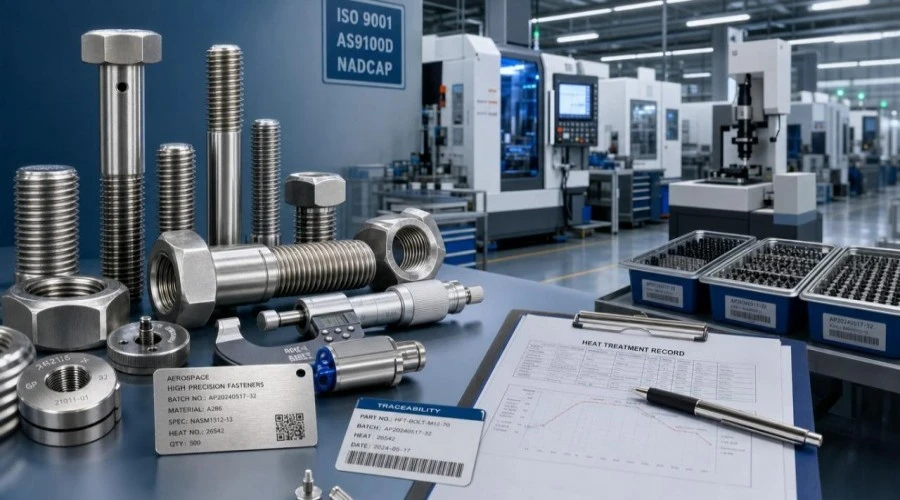
NAVI Titanium operates under an ISO 9001-certified quality management system. To help buyers assess titanium bolts screws before ordering, we can supply relevant alloy certificates and inspection records in accordance with the agreed specification. Available documents may cover chemical composition, mechanical test results, dimensional verification, and other applicable quality checks. Click below to view an example Certificate of Analysis (COA), or contact our team to request records for your purchase.

Titanium Bolts Manufacturing Process
NAVI Titanium follows a specification-led workflow for producing 1/4-28 titanium bolts. The operations involved vary according to the alloy, drive configuration, overall size, UNC thread specification, and finishing method.
Specification Review
Evaluate customer technical files, reference parts, dimensional data, UNC standards, intended use, and estimated order volume.
Material Selection
Confirm the required composition, such as Grade 5 Ti-6Al-4V or Grade 2 commercially pure titanium, based on the intended service conditions.
Material Verification
Review supplier certificates and carry out agreed incoming checks before processing begins.
Cutting and Forming
Prepare the stock and shape or machine the initial blank to match the approved component profile.
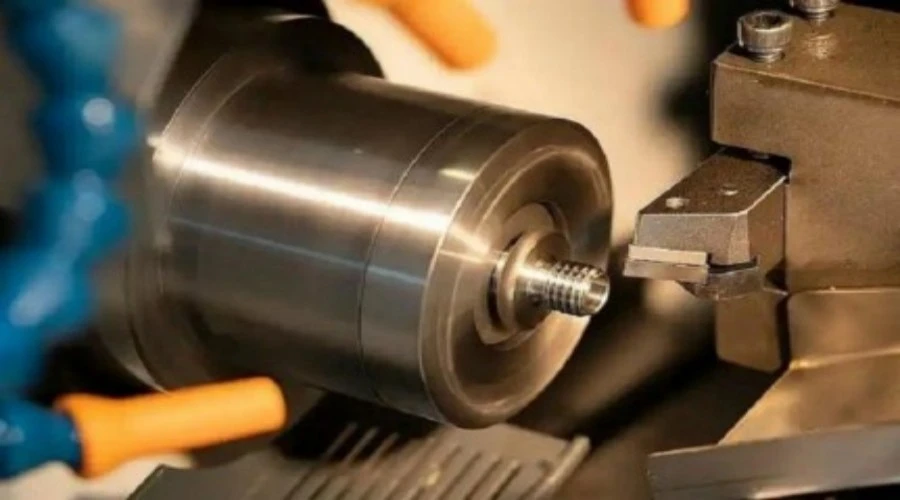
Head and Shank Machining
Create the specified drive profile, shank diameter, shoulders, and other geometric features.
Thread Manufacturing
Cut or roll the threads as specified, then verify compliance with the ordered 5/16-18 UNC dimensions.
Surface Finishing
Apply the agreed finishing treatment and cleaning procedure, where applicable, to achieve the specified appearance and cleanliness.
Quality Inspection
Perform applicable dimensional, visual, thread, chemical, or mechanical checks in accordance with the inspection plan.
Documentation and Packaging
Review inspection records, maintain batch identification where applicable, and pack finished 5/16-18 screws for shipment.
Click to read more
What 1/4-28 UNF Actually Is - and Why It Matters
1/4-28 means a 1/4-inch nominal diameter with 28 threads per inch. The UNF designator (Unified National Fine) tells you it is the fine-thread series, governed by ANSI/ASME B1.1, rather than the coarse 1/4-20 UNC thread that most hardware stores stock.
| Parameter | Value |
| Nominal diameter | 0.2500 in (6.35 mm) |
| Threads per inch | 28 TPI |
| Thread pitch | 0.907 mm |
| Thread form angle | 60° |
| Thread series | UNF - Unified National Fine |
| Governing standard | ANSI/ASME B1.1 |
| Common thread classes | 2A and 3A (external) |
| Wrench size (hex head) | 7/16 in |
| Drive size (socket head cap) | 3/16 in hex |
| Drive size (82° flat head) | 5/32 in hex |
Stock Lengths and Head Styles
Stocked and machined in-house. Custom lengths and head forms available without tooling charges on standard profiles.
| Head Style | Drive | Length Range (in) | Typical Use |
| Socket head cap screw (SHCS) | 3/16 in hex | 3/8 – 3-1/2 | General structural and machinery assembly, highest tensile capability |
| Flat head socket cap (82°) | 5/32 in hex | 3/8 – 3-1/2 | Flush mounting, panels, low-profile clearance |
| Button head socket cap | 5/32 in hex | 3/8 – 2 | Light-duty, cosmetic, limited-clearance panels |
| Hex head, drilled head | 7/16 in wrench | 1/2 – 3 | AN4 replacement, safety-wired airframe and chassis joints |
| Hex head, drilled shank | 7/16 in wrench | 1/2 – 3 | AN4 replacement with castellated nut and cotter pin |
| Clevis / eye bolt form | - | Made to drawing | Control linkages, pivot joints |
How Titanium Compares for This Thread Size
| Attribute | Grade 5 Titanium (ours) | Cadmium-Plated Alloy Steel (AN4) | 316 Stainless Steel | 7075-T6 Aluminium |
| Weight vs steel | ~45% lighter | Baseline | ~2% lighter | ~65% lighter |
| Ultimate tensile strength | 895–1170 MPa | ~860 MPa (125 ksi typical) | 500–700 MPa | ~570 MPa |
| Corrosion resistance | Excellent, self-passivating | Poor - plating chips, substrate corrodes | Good, but galling and warm chloride pitting risk | Moderate |
| Fatigue life under vibration | Excellent with rolled threads | Good | Medium | Poor - notch sensitive |
| Toxicity / finish concerns | None - no plating | Cadmium is toxic and increasingly restricted | None | Anodising fades |
| Galling risk | High if installed dry - anti-seize mandatory | Low | Very high | Medium |
| Thermal limit | ~400–425 °C | ~400 °C | ~800 °C | ~150 °C |
Cadmium plating on legacy AN hardware is a genuine procurement problem - it is toxic, restricted in many jurisdictions and increasingly refused by workshops. Titanium removes the plating question entirely while cutting mass and raising the fatigue margin.
Frequently Asked Questions
Q: Is 1/4-28 titanium bolts the same as 1/4-20?
+
-
A: No. Both share a 1/4-inch nominal diameter, but 1/4-28 has 28 threads per inch (fine, UNF) and 1/4-20 has 20 (coarse, UNC). They are not interchangeable. 1/4-28 gives finer clamp control and better vibration resistance; 1/4-20 is cheaper and more common in general hardware.
Q: Will a 1/4-28 titanium bolt fit an AN4 bolt position?
+
-
A: The thread is the same - AN4 hardware is specified as 1/4-28 UNF-3A, and 1/4-inch hex-head aircraft bolts use a 7/16-inch wrench. However, our bolts are manufactured to material and dimensional standards, not to an FAA/PMA or TSO approval. Confirm the substitution is acceptable for your specific installation.
Q: What torque should I use on a 1/4-28 titanium bolt?
+
-
A: Do not use a steel figure directly. For a general non-critical joint with anti-seize compound applied, our card typically falls in the region of 6–8 ft-lb (8–11 Nm), but a critical joint is governed by its engineering drawing or OEM procedure. The single most important step is applying anti-seize - dry installation will gall.
Q: What is the difference between 2A and 3A thread class?
+
-
A: Both are external thread classes. 3A has a tighter tolerance band and is the class specified for AN4 hardware and most aerospace and motorsport applications; 2A is the general-purpose commercial class. Specify which one your drawing requires.
Q: Can you supply drilled heads or drilled shanks for safety wire?
+
-
A: Yes. Heads can be pre-drilled at 0.8, 1.0 or 1.2 mm on a fixture so hole alignment is consistent across a set, and drilled-shank versions are available for castellated nut and cotter pin arrangements.
Hot Tags: 1/4-28 titanium bolts, China 1/4-28 titanium bolts manufacturers, suppliers, factory