

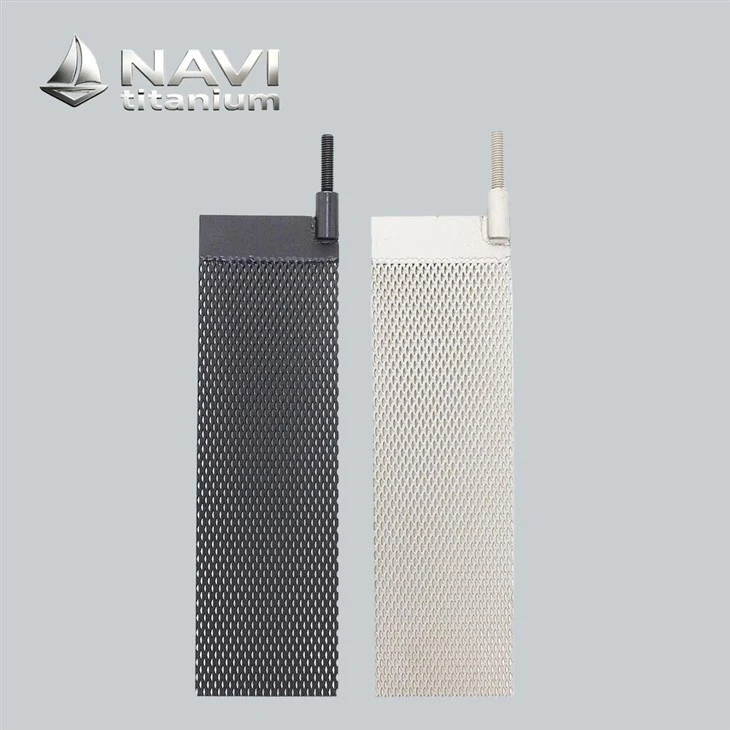
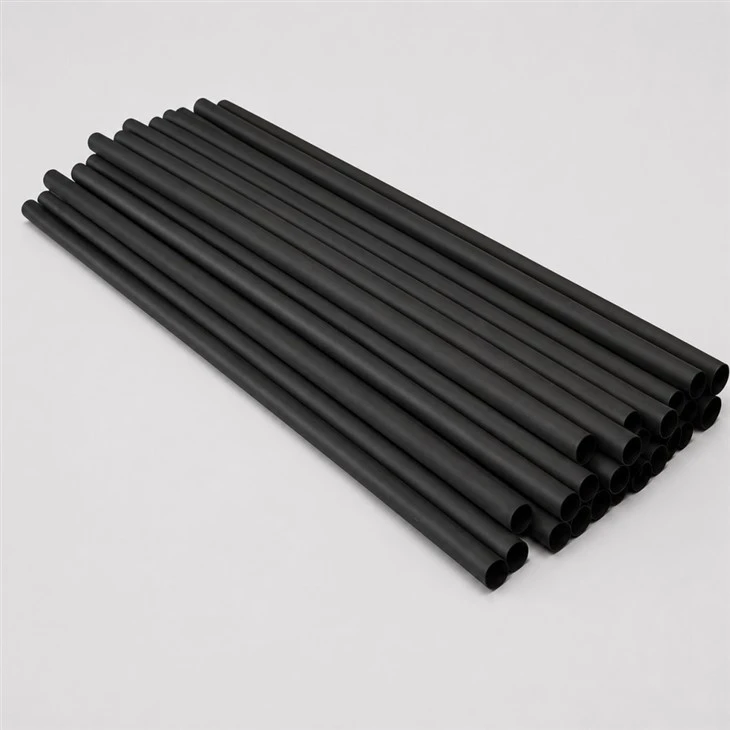
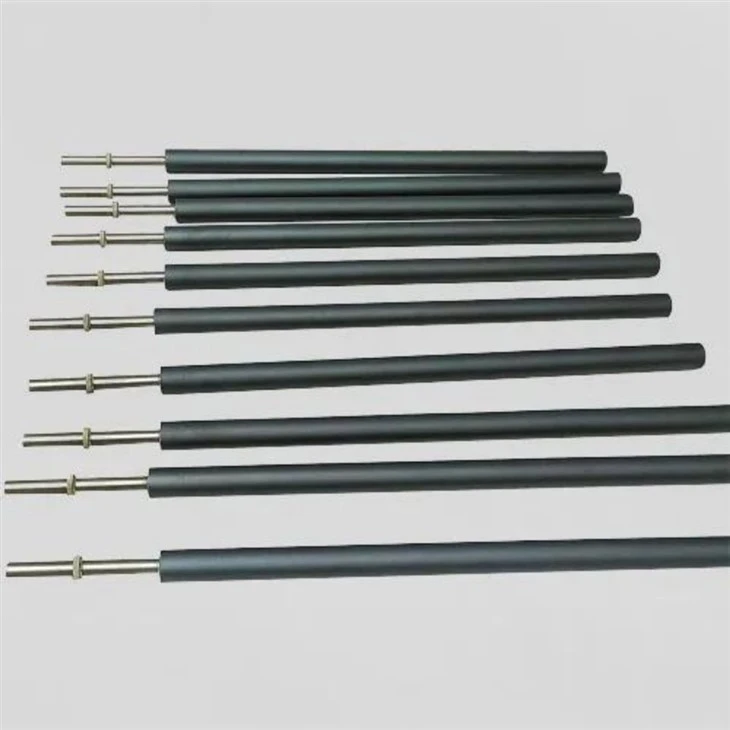
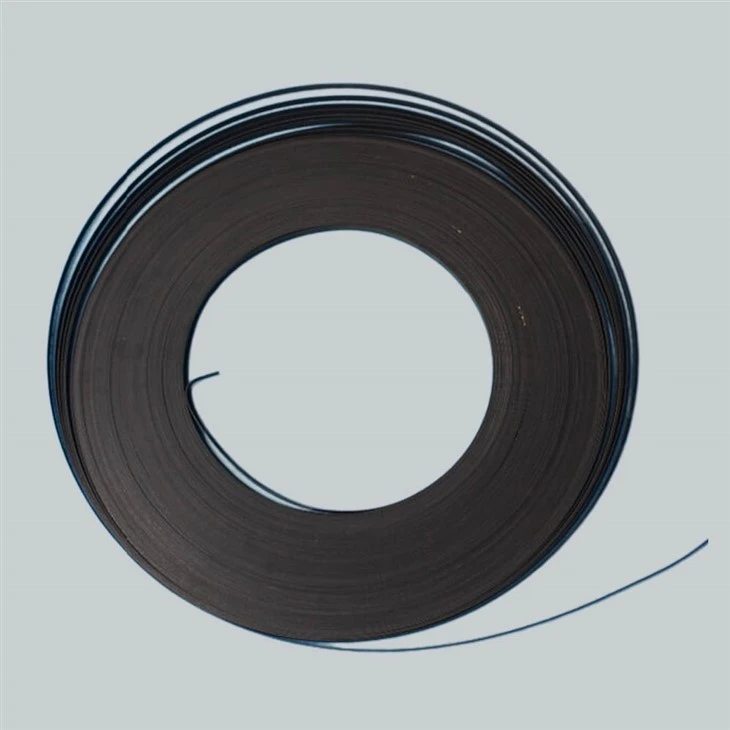
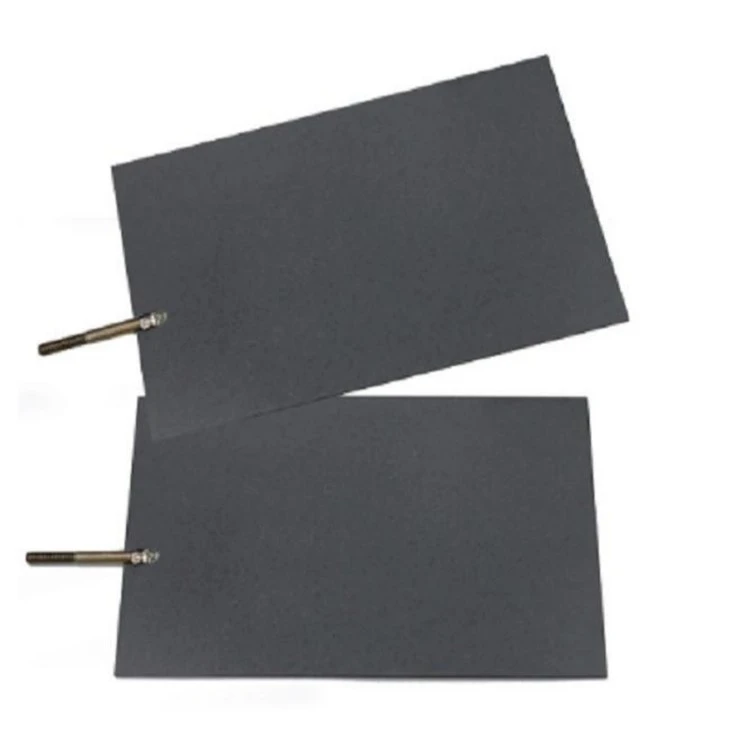
NAVI Titanium offers a high-performance inert auxiliary anode-the core of ICCP systems. Built on pure titanium and coated with MMO or platinum. Powered by an external DC source, the titanium anode for impressed current cathodic protection continuously delivers protective current to structures like buried pipelines, storage tanks, and ship hulls, polarizing steel to a negative potential and transferring corrosion reactions to the anode itself-which consumes minimally and can operate for decades. Clients will get a maintenance-free, long-life solution that cuts replacement frequency and total cost of ownership, backed by our responsive support and consistent quality.
Product Introduction
Compared with sacrificial anodes, NAVI Titanium's ICCP anode delivers controllable, adjustable current output-essential for high-resistivity soil and large-area structures. It requires no frequent replacement, offers a design life aligned with long-term infrastructure planning, and operates at approximately 100 A/m² in soil or freshwater, reaching 600 A/m² in seawater . The system is environmentally clean, with no harmful byproducts. These advantages translate directly into lower lifecycle cost and predictable performance. See the table below for a concise comparison.


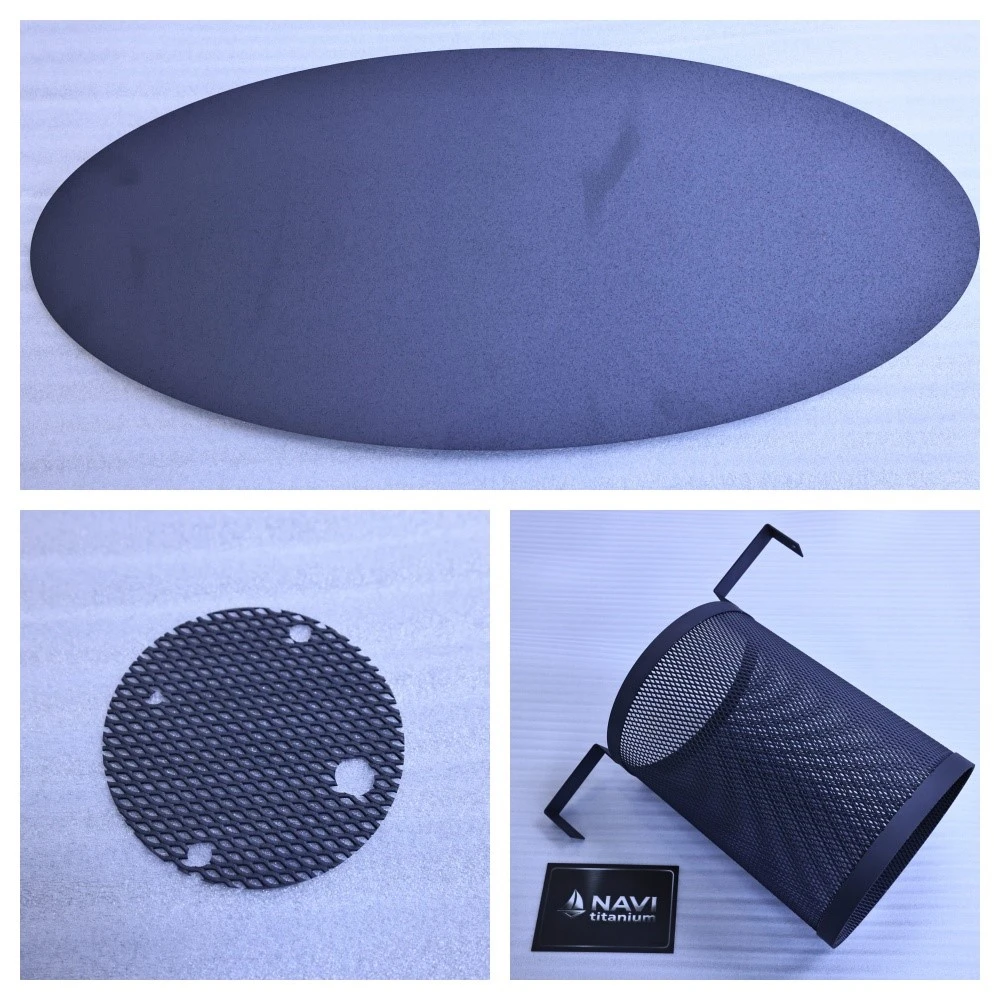
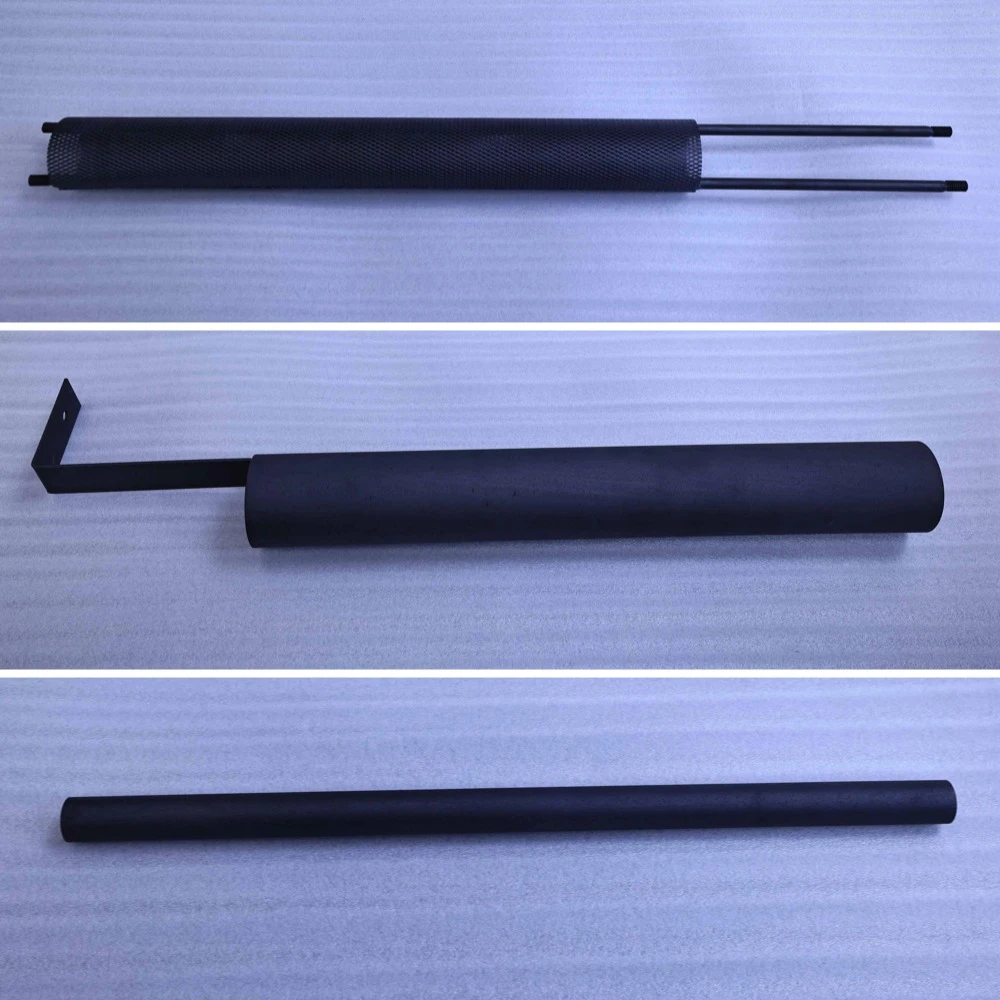
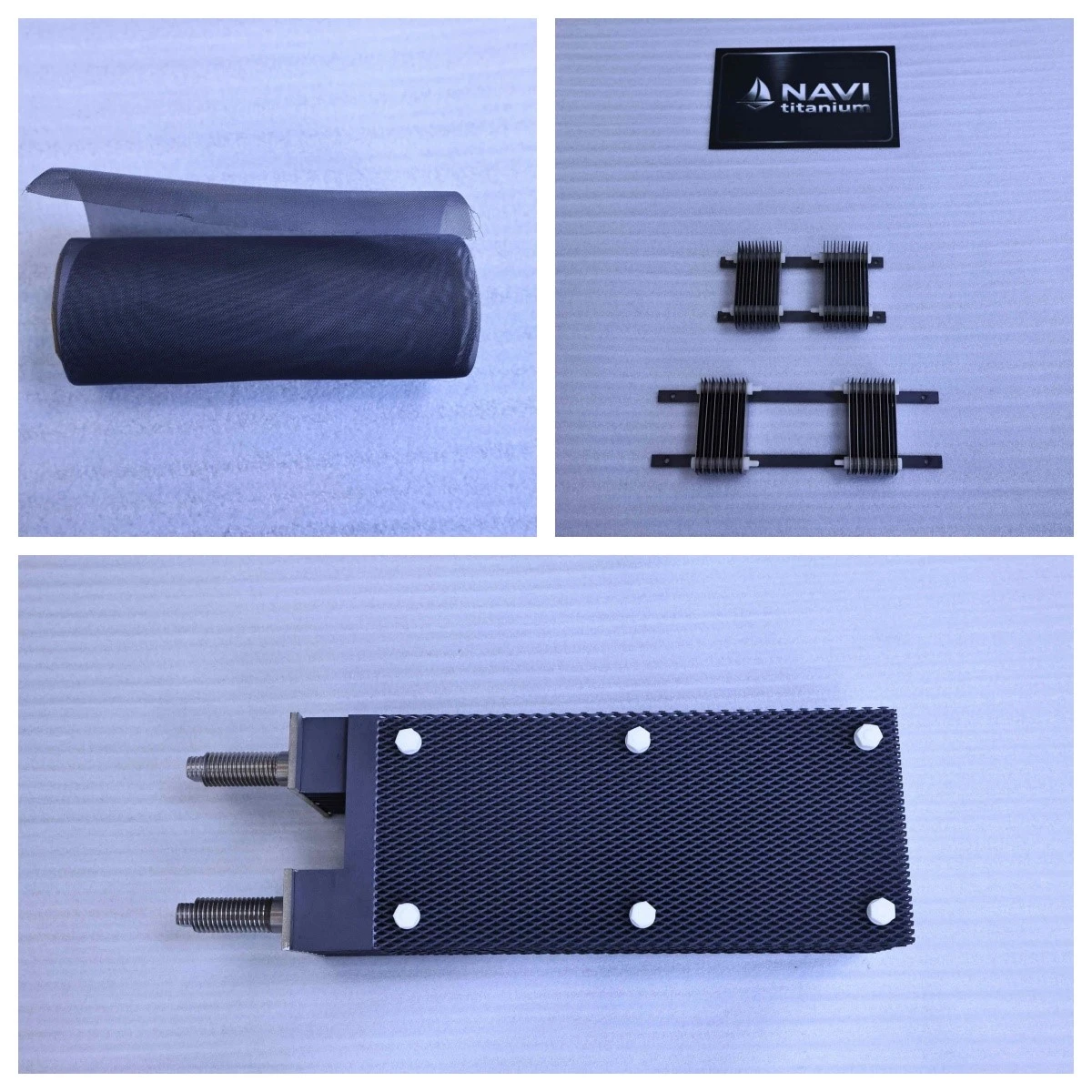
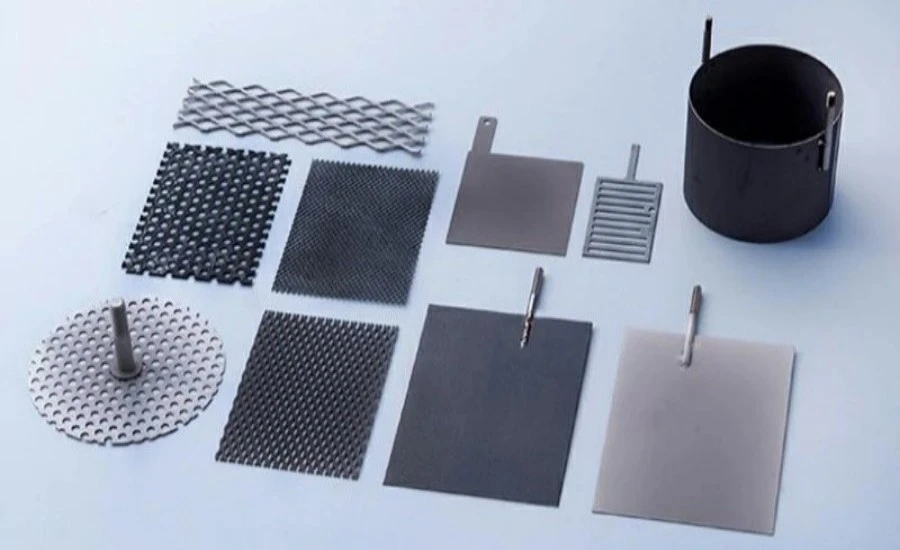
NAVI Titanium supplies MMO anodes in tubular, rod, ribbon, wire, mesh, and disc configurations . Standard diameters and lengths cover most groundbed and marine requirements. For non-standard geometries, we manufacture strictly according to customer drawings, including custom thread types, cable termination, and mounting fixtures. Custom shapes enable optimized current distribution and fit within confined installation spaces.
Application
ICCP titanium anodes serve two dominant markets: buried pipelines and groundbeds for oil, gas, and water transmission, and marine/seawater structures including ship hulls, ports, and offshore platforms. In both environments, the anode's low consumption rate and high current output capability make it the preferred choice for long-life cathodic protection systems.
Buried Pipelines & Groundbeds
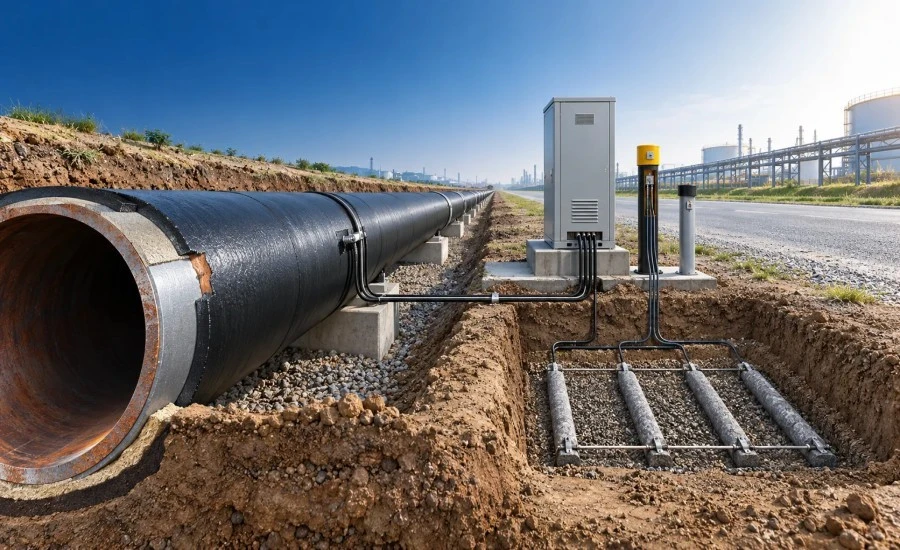
Buried pipelines carrying oil, gas, and water are the largest application segment for MMO titanium anodes. As pipeline coatings age and degrade, the current requirement rises, making ICCP indispensable for maintaining protection. NAVI Titanium's titanium anode for impressed current cathodic protection is installed in shallow or deep-well groundbeds, surrounded by coke breeze backfill to improve current distribution and reduce anode-to-electrolyte resistance. In soil and carbonaceous backfill, the anode operates at approximately 100 A/m², with a design life often exceeding 20 years. Deep-well configurations place anodes 30–100 meters below grade, accessing low-resistivity strata and protecting extensive pipeline networks from a single location. The anode's dimensional stability ensures that current output remains stable over decades, avoiding the progressive output decline associated with sacrificial anodes. For pipeline operators, this translates into fewer excavation interventions, predictable rectifier settings, and compliance with CP criteria such as the −850 mV vs. CSE polarized potential.
Marine & Seawater Structures
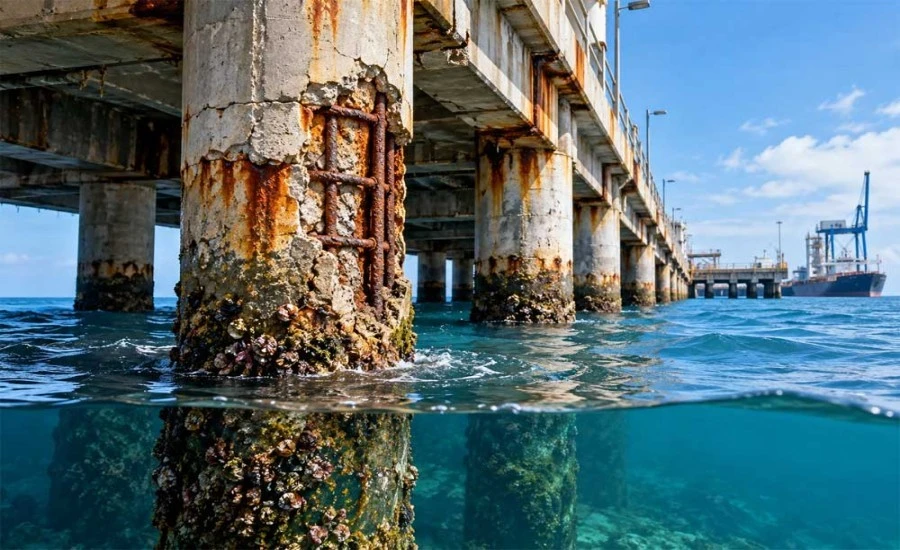
In seawater, titanium MMO anodes demonstrate their most dramatic performance advantage. The high chloride concentration supports current densities up to 600 A/m², roughly six times the soil rating . This makes NAVI Titanium anodes ideal for ship hulls, docks, offshore platforms, jacket structures, and seawater intake systems. For ship hull ICCP, anodes are typically flush-mounted through the hull or installed in dedicated sea chests, connected to a controller that modulates output as the vessel moves between ports with varying water salinity. The Ir-Ta oxide coating is specifically preferred for seawater service due to its stability under oxygen evolution conditions, resisting the active species dissolution that affects Ru-based coatings in chloride-rich environments . Beyond hulls, MMO anodes protect ballast tanks, rudders, and seawater piping systems. Offshore platform jackets use anode arrays suspended in the water column or mounted on the structure itself, with current output adjustable to compensate for seasonal temperature and salinity changes. NAVI Titanium manufactures disc and tubular anodes with marine-grade cable terminations and mounting hardware.
Purchasing guide

Quality control(QC)
NAVI Titanium's manufacturing facility holds ISO 9001 certification. To demonstrate our rigorous quality system, we provide batch-specific Certificate of Analysis (COA) reports covering coating composition, adhesion, and electrochemical performance. Click below to view a sample COA and see how NAVI Titanium documents quality-batch by batch.
| Certificate of Analysis | ||
| Titanium Base Material Suppliers: | Coating Precursor Suppliers: | COA of product: |
|
|
|
|


Manufacturing Process
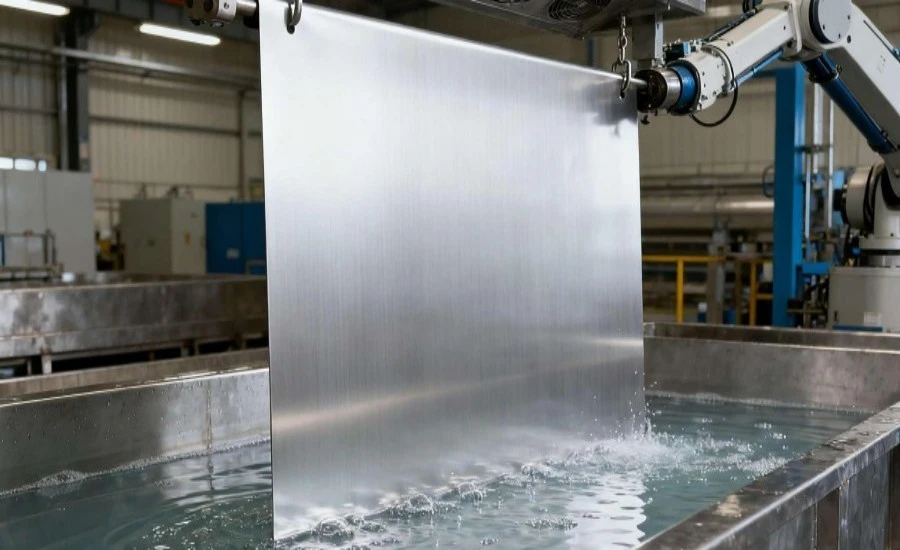
NAVI Titanium's production of the titanium anode for impressed current cathodic protection follows a tightly controlled sequence that directly determines coating adhesion and service life. The process begins with raw-material selection: Grade 1 or Grade 2 titanium is inspected for chemistry and surface condition. Machining and forming shapes the base metal into tubes, rods, ribbons, or custom geometries, including thread cutting and welding as required. Annealing above 500°C relieves working stress, followed by oxide removal through grinding to expose metallic titanium. A critical pickling step in hot oxalic acid etches the surface to a uniform matte finish, maximizing anchorage of the applied layer. The deposition and sintering stage applies precious metal salt solutions by brush or roller, then sinters in a furnace; this cycle repeats 12–20 times until the target layer thickness is reached. Each furnace batch includes coupon testing-witness samples sintered alongside production parts undergo accelerated life testing before shipment release. Final inspection verifies dimensions, layer weight, and electrical continuity.

Shape Selection Guide
The following table summarizes common NAVI Titanium electrode shapes and their typical applications. For reference only-final selection should be based on system design, electrolyte resistivity, and current requirement.
| Shape / Specification | Typical Environment | Key Advantage |
|---|---|---|
| Tubular (Ø16–50 mm, L 500–1500 mm) | Deep-well groundbeds, seawater piping | High surface area per unit length; efficient in confined boreholes |
| Rod (Ø3–25 mm) | Shallow groundbeds, tank bottoms | Simple installation; good current distribution in backfill |
| Ribbon / Wire (thickness 0.5–1.5 mm) | Concrete, soil, tight spaces | Flexible; can be bent to follow contours |
| Mesh (expanded or woven) | Concrete structures, ship hulls | Large area coverage; low profile |
| Disc (Ø50–300 mm) | Ship hulls, offshore structures | Flush mounting; hydrodynamic profile |
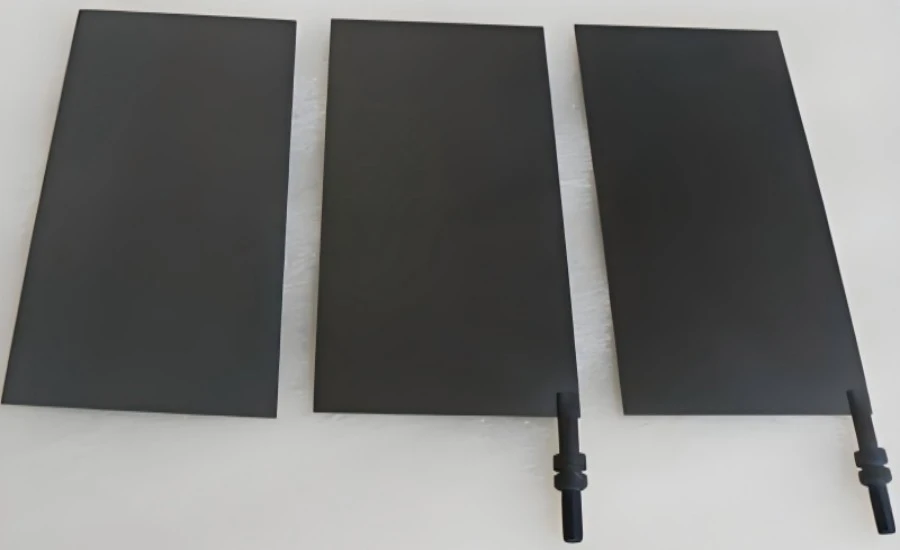
NAVI Titanium Packaging for Titanium Anode Rod
15+ Years of Titanium Electrode Expertise
Founded in 2008, NAVI Titanium has accumulated more than fifteen years of focused experience in titanium electrode design and manufacturing. This tenure spans the evolution of mixed-metal-oxide formulations, substrate pretreatment standards, and application-specific tuning for soil, freshwater, and saline service. Our engineering team has supplied the titanium anode for impressed current cathodic protection for pipeline networks, port expansions, and industrial water systems across multiple continents. Longevity in this niche matters: layer adhesion and sintering consistency are learned through accumulated production data, not purchased off-the-shelf. NAVI Titanium's process parameters-pickling time, solution concentration, sintering temperature profiles-have been refined across thousands of production batches. For clients, this translates into electrodes that perform predictably from the first rectifier commissioning to year twenty of service. We maintain ISO 9001 certification and apply the same quality discipline to every order, whether a single replacement unit or a multi-kilometer groundbed project.

Drawing-Based Production & OEM Customization
No two cathodic protection installations are identical. NAVI Titanium operates on a drawing-based production model: customers submit their specifications-dimensions, thread type, cable length and termination, mounting hardware, layer loading-and our engineering team produces electrodes to match. This capability extends to OEM supply, where we manufacture under client brand names for distributors and system integrators. Custom shapes include non-standard tube diameters, bent rods for specific groundbed geometries, and mesh panels cut to fit concrete repair zones. We also accommodate layer variations: Ru-Ir for chlor-alkali or freshwater, Ir-Ta for saline and oxygen-evolution environments, and platinum plating for specialized high-current applications. Turnaround for custom runs is typically 3–6 weeks depending on quantity and specification. All custom units undergo the same batch coupon testing and certificate-of-analysis documentation as standard products.
Proven Across Diverse CP Applications
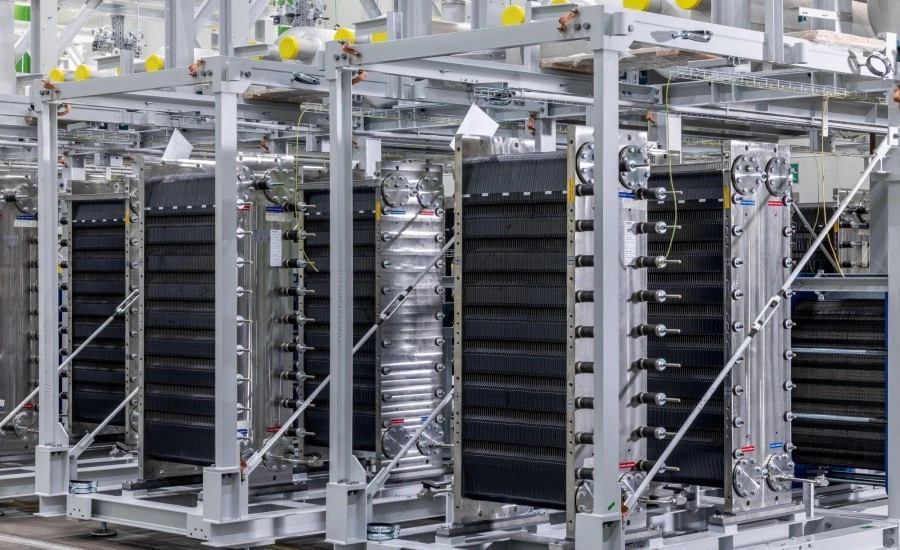
NAVI Titanium electrodes operate in buried pipelines, storage tank bottoms, ship hulls, offshore structures, saline systems, and electrochemical/water treatment processes. Each environment imposes distinct demands. Pipeline groundbeds require tolerance to carbonaceous backfill and stable output over decades. Storage tank bottoms need flat or ribbon geometries that fit beneath the tank floor without interfering with inspection. Ship hulls demand compact, hydrodynamic shapes with reliable cable seals against water ingress. Seawater intake screens and condenser waterboxes use tubular titanium anode for impressed current cathodic protection sized for high flow velocities. Electrochemical processes-electroplating, anodizing, protection of internal surfaces-benefit from the dimensional stability and low consumption rate of mixed-metal-oxide titanium. This breadth of application experience means NAVI Titanium has encountered and solved installation challenges across industries, and we bring that practical knowledge to every customer inquiry.
FAQ
What is the typical operating lifespan of your mixed-metal-oxide electrode?
+
-
In soil or freshwater at rated output (~100 A/m²), the design lifespan is typically 20+ years. In saline environments, where output can reach 600 A/m², the same active-layer loading supports comparable durability at rated performance. Actual longevity depends on operating output level, electrolyte composition, and active-layer loading-factors we document in the batch certificate for each production run.
How do I know when the electrode needs replacement?
+
-
These units degrade gradually, not suddenly. Monitor rectifier output and structure potential. If maintaining protection requires steadily increasing voltage, or if output drops despite adequate rectifier capacity, active-layer depletion may be occurring. For critical systems, periodic electrode-to-electrolyte resistance measurements help trend performance. Replacement is typically planned rather than reactive.
What maintenance does the electrode require?
+
-
Mixed-metal-oxide electrodes have no moving parts and require minimal maintenance. Annual checks include: rectifier output readings, structure potential surveys, visual inspection of cable connections and junction boxes, and groundbed vent condition for deep wells. Do not adjust rectifier settings without confirming structure potentials-over-protection accelerates active-layer consumption.
Can I replace only the electrode, keeping my existing rectifier and wiring?
+
-
In most cases, yes. If the rectifier capacity and cable sizing match the replacement unit's current requirement, only the electrode itself needs replacement. NAVI Titanium can match the original unit's dimensions and connection type from your drawing or a sample. We recommend verifying circuit resistance before ordering to ensure compatibility.
What documentation accompanies each shipment?
+
-
Every production batch ships with a certificate of analysis covering substrate heat number, active-layer type and loading, adhesion test results, and coupon life data. Quality-management certification documentation is available on request. For project-specific requirements, we can provide dimensional inspection reports and third-party witness testing coordination.
Hot Tags: titanium anode for impressed current cathodic protection, China titanium anode for impressed current cathodic protection manufacturers, suppliers, factory, DSA Coating Titanium Anode, lead dioxide coated titanium tube anode, mixed metal oxide coated titanium electrode, perforated coated titanium anode, titanium anode for wastewater electrolysis, Titanium Anode Mesh


