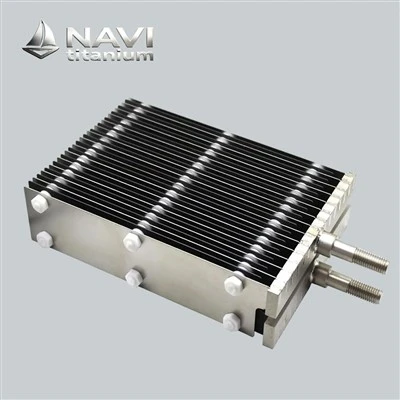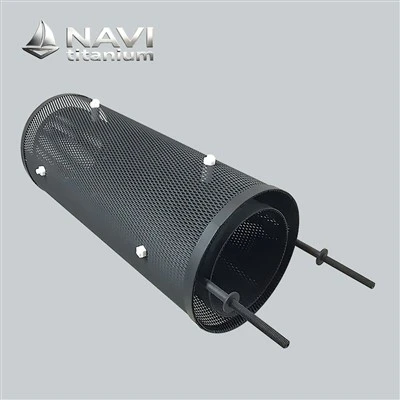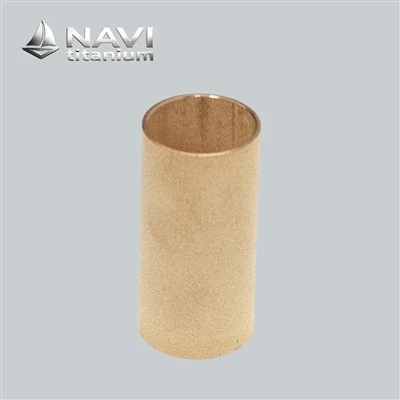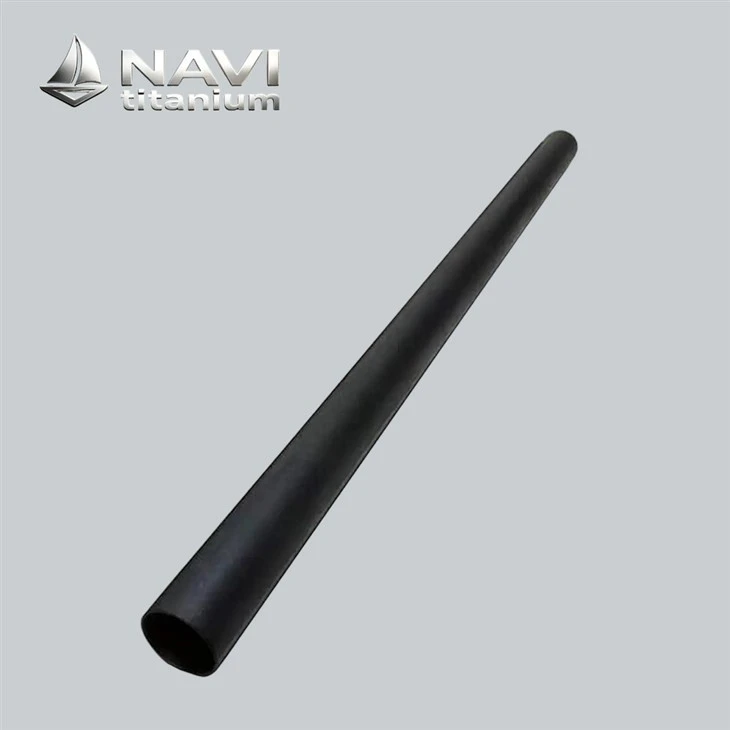
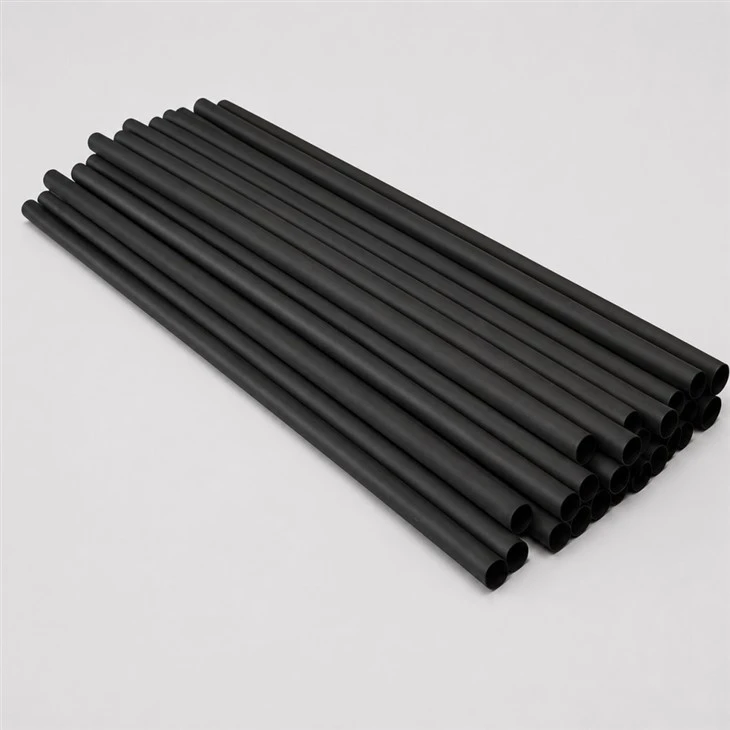
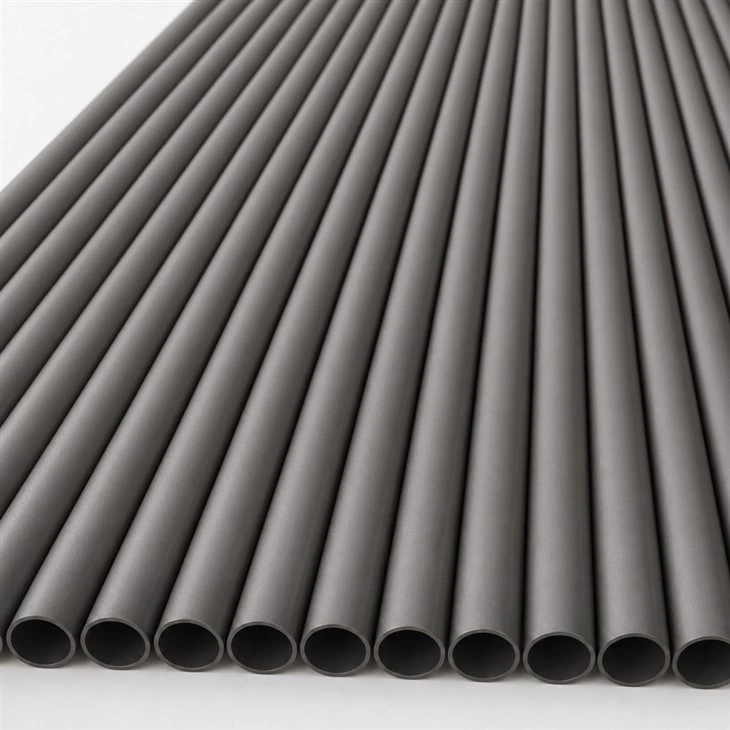
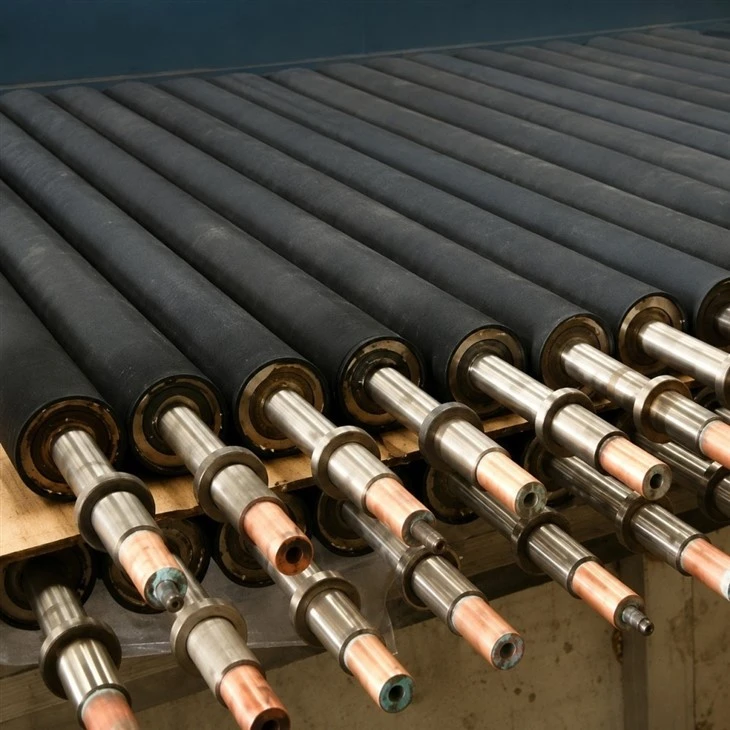
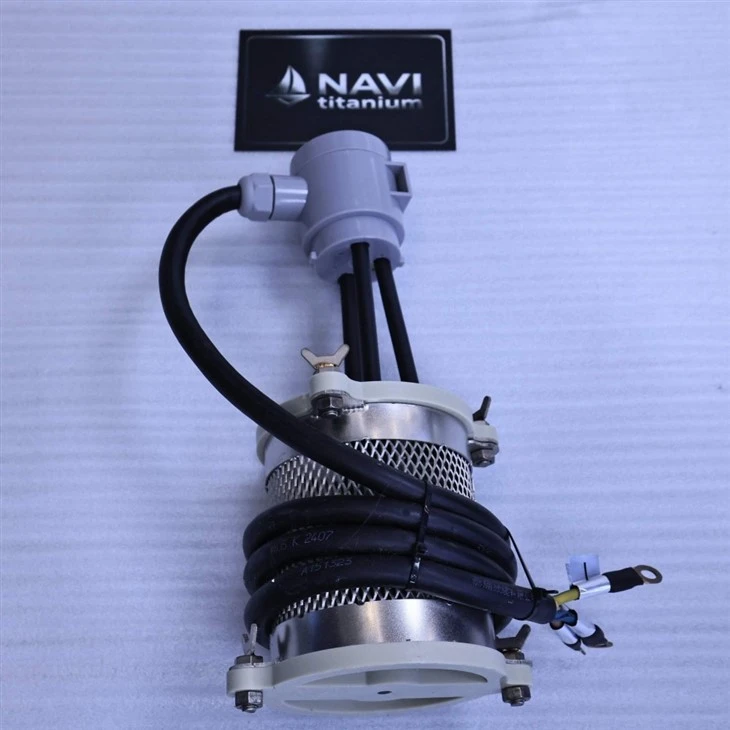
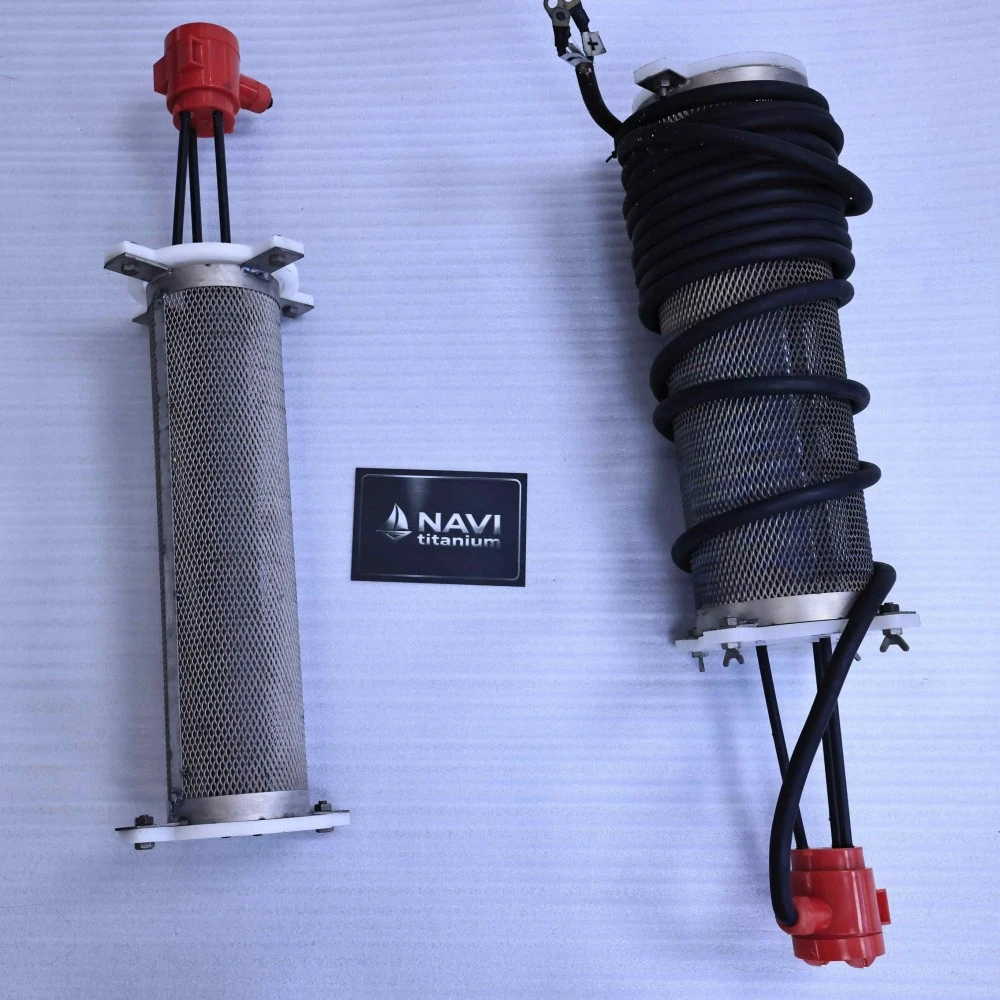
NAVI Titanium manufactures cable connected MMO tubular anode for ICCP systems, featuring titanium tube substrates coated with mixed metal oxides, typically iridium oxide and tantalum oxide. Designed as dimensionally stable anodes, these assemblies include factory-sealed lead cables for electrical connection. NAVI Titanium supplies customized anode dimensions, coating specifications, and cable configurations to meet project requirements. Through impressed current, a rectifier drives current from the anode into the surrounding electrolyte, making protected steel structures cathodic and limiting corrosion.
Solution of NAVI Titanium
NAVI Titanium designs MMO tubular anodes for demanding impressed current cathodic protection applications. The catalytic coating has a very low consumption rate, typically measured in milligrams per ampere-year, supporting long service life under specified operating conditions. The dimensionally stable titanium substrate maintains its tubular geometry while delivering controlled current output. We select coating systems according to the intended environment, including soil, freshwater, and seawater. Factory-sealed cable assemblies provide dependable electrical connections and simplify field installation. For pipeline operators, marine contractors, and infrastructure developers, these features offer practical advantages in project planning, installation, and maintenance. The following table introduces the key features.


NAVI Titanium offers bare tubular anodes, cable-connected tubular assemblies, anode strings, and canistered or deep-anode systems. Anode strings combine multiple elements for distributed current output. Canistered designs package the anode with carbonaceous backfill for deep-groundbed applications. We can customize tube diameter, length, cable arrangement, end fittings, and assembly geometry according to customer drawings and site conditions for global projects.


Application
NAVI Titanium cable connected MMO tubular anode for ICCP systems are commonly specified for two major ICCP applications: buried steel infrastructure and marine structures. Both involve extensive assets exposed to corrosive electrolytes, where controlled impressed current protection can be designed around project-specific current demand, groundbed layout, and operating conditions.
Buried Pipelines and Storage Tanks
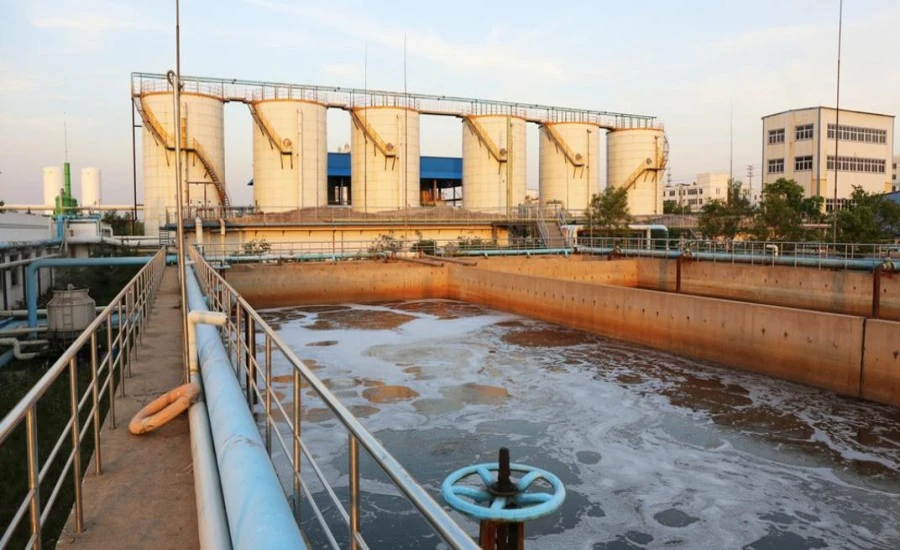
NAVI Titanium supplies cable connected MMO tubular anodes for impressed current groundbeds protecting buried pipelines, tank bottoms, and municipal steel networks. In these installations, the titanium tube is positioned in a shallow horizontal bed, a vertical groundbed, or a deep-well arrangement according to soil resistivity, available land, pipeline routing, and required current output. The MMO coating supports the anodic reaction while the titanium substrate serves as the conductive carrier. In high-moisture soil, swamp areas, or deep-well installations, carbonaceous backfill may surround the anode to provide an appropriate conductive environment and help distribute current. Cable length, tube dimensions, connection details, and canister assemblies can be configured to suit the groundbed design. Engineers should determine anode quantity, spacing, backfill, and rectifier settings through electrical calculations and site surveys. For operators managing pipelines and storage facilities, project-specific anode assemblies can be provided that integrate into the corrosion control design and inspection plan.
Marine Steel Structures and Port Facilities
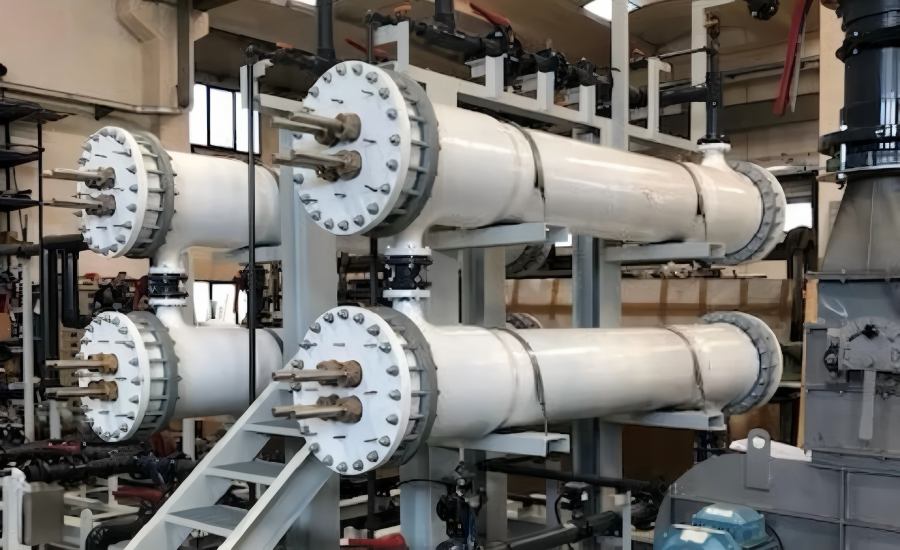
NAVI Titanium cable connected MMO tubular anodes are used in ICCP systems protecting marine steel structures in seawater environments. Assets include port facilities, quay walls, piles, jetties, shipyards, docks, offshore support structures, and seawater intake systems. The anode assembly is installed in a location selected by the corrosion protection engineer, with cable routing and mounting arrangements designed for the structure and site conditions. Its MMO coating provides the electrochemical surface for anodic reactions, while the titanium tube carries current from the rectifier through the connection cable. Compared with sacrificial anodes, ICCP allows operators to regulate protection current through a rectifier and reference electrodes, making it suitable for large structures with protection demands. Tube length, coating system, cable specification, and mounting accessories can be customized to match drawings. Engineers must confirm material selection, output rating, spacing, and electrical isolation. Anode configurations can be prepared with project teams for corrosion protection systems.
Purchasing guide

Quality control(QC)
NAVI Titanium maintains an ISO 9001-certified quality management system for cable connected MMO tubular anode manufacturing. To help customers review conformity, we can provide relevant inspection records and a Certificate of Analysis (COA), subject to the order specification and agreed inspection scope. Click the button below to view a sample COA and review the documented quality information available when requested for customer project review.
| Certificate of Analysis | ||
| Titanium Base Material Suppliers: | Coating Precursor Suppliers: | COA of product: |
|
|
|
|


Manufacturing Process
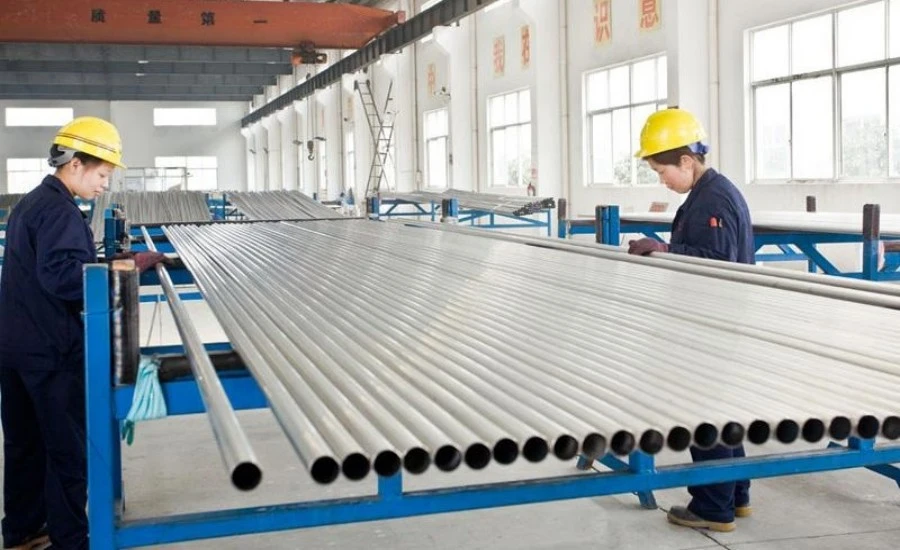
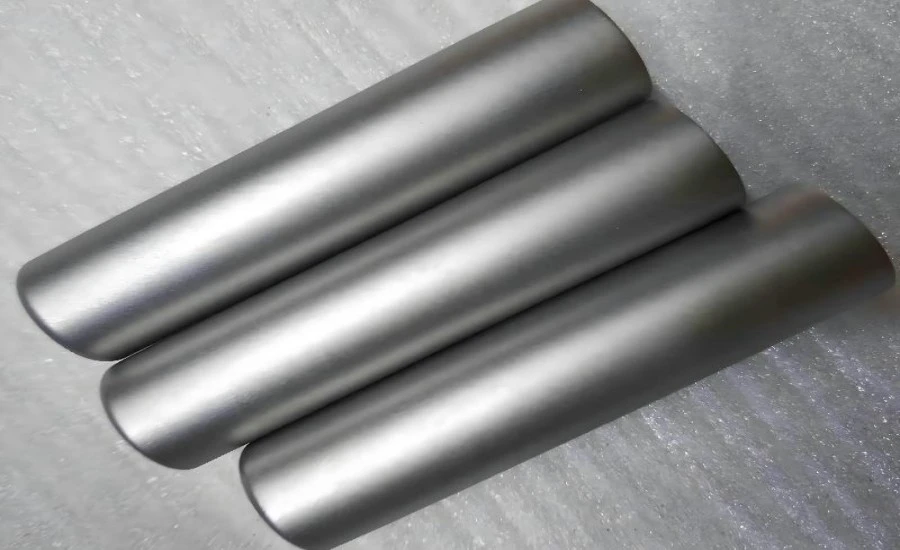
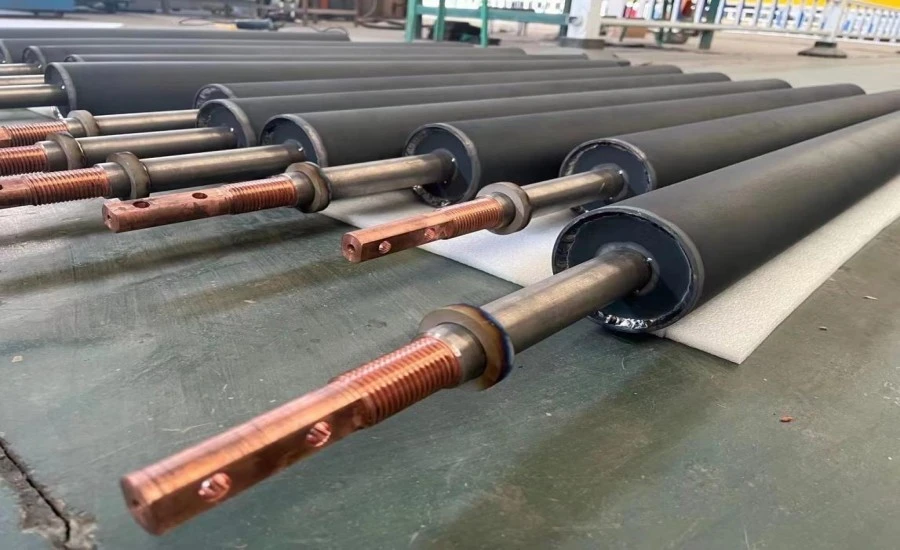
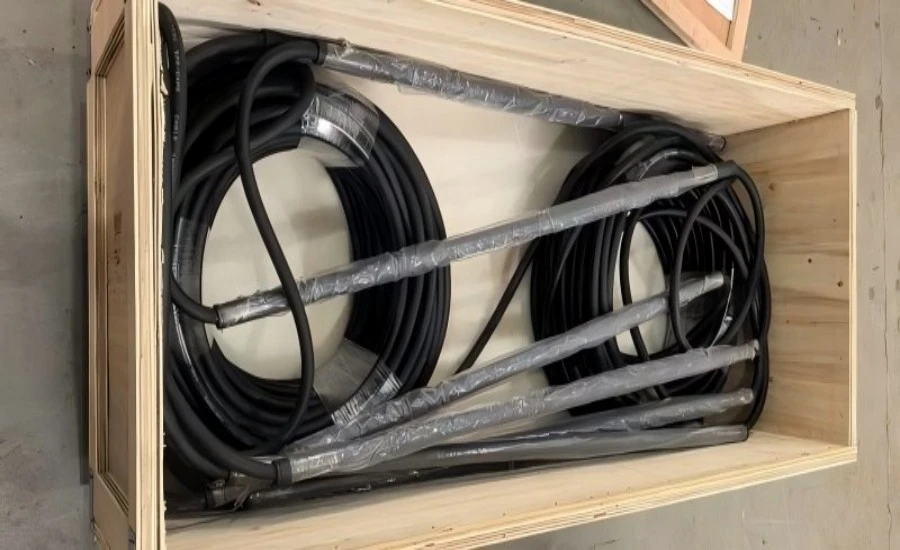
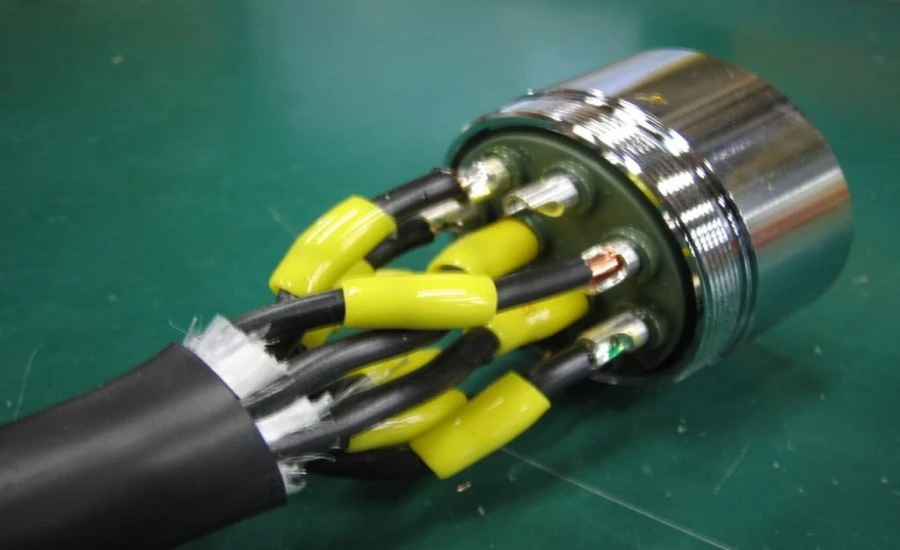
NAVI Titanium follows a controlled manufacturing workflow for the cable connected MMO tubular anode for ICCP systems. Each production stage is arranged around the approved technical specification, substrate requirements, coating system, and electrical connection design.
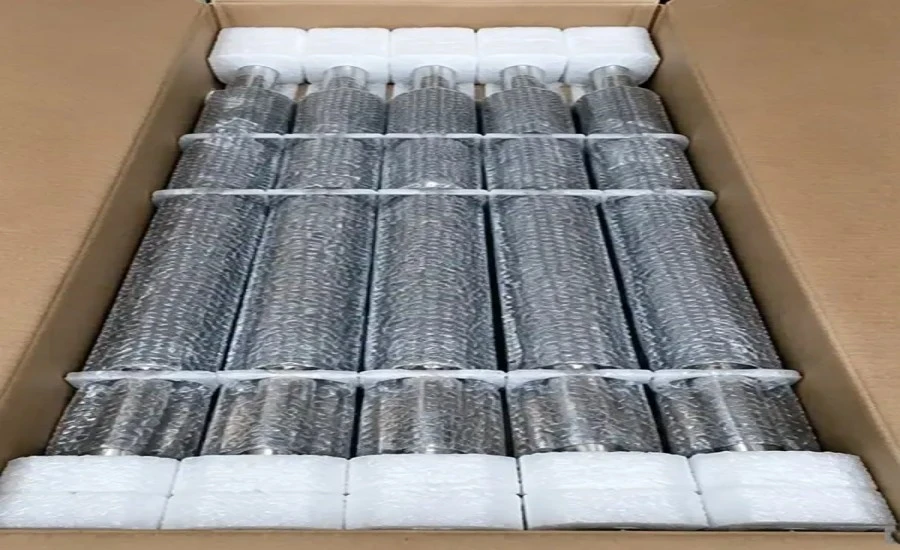
Technical Specifications of Cable Connected MMO Tubular Anodes
NAVI Titanium provides the following technical specification table as a reference for cable connected MMO tubular anodes. Actual dimensions and performance values depend on the groundbed design, electrolyte resistivity, coating formulation, current demand, and project service conditions. The figures below are indicative only, not guaranteed standard values.
|
Parameter |
Typical Reference / Custom Range |
|---|---|
|
Titanium Tube Diameter |
12–50 mm |
|
Anode Length |
500–3,000 mm; custom lengths available |
|
MMO Coating Thickness |
5–20 μm, subject to coating specification |
|
Effective Surface Area |
Approximately 0.019–0.471 m² per tube, depending on dimensions |
|
Rated Current Output |
Project-engineered; indicative 1–10 A per anode element |
|
Design Service Life |
20–30 years as a potential design target, subject to operating conditions |
|
Anode Weight |
Calculated according to tube dimensions, wall thickness, coating, and cable assembly |
Why Choose NAVI Titanium for MMO Tubular Anodes?
Vertically Integrated Manufacturing and Titanium Substrate Quality
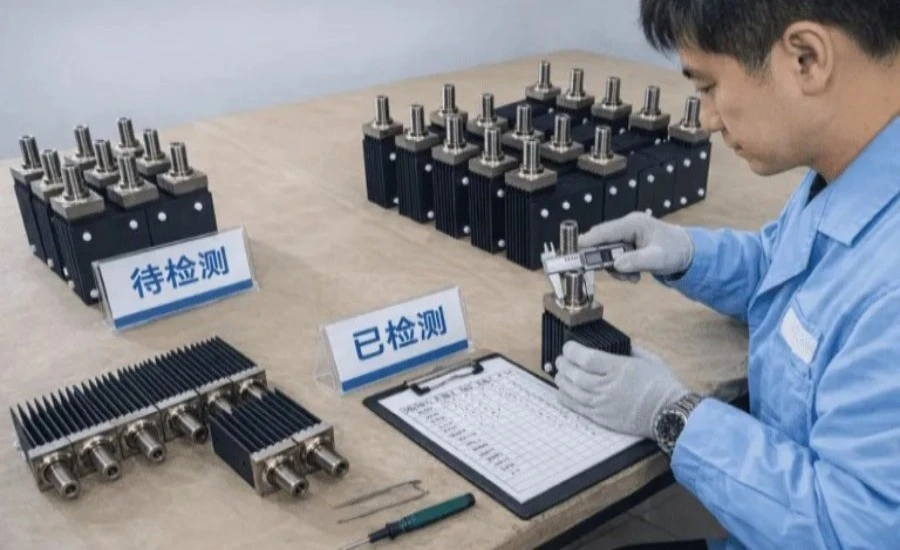
NAVI Titanium manages titanium substrate production and anode manufacturing through an integrated supply chain, giving buyers a direct point of contact for material and assembly requirements of the cable connected MMO tubular anode for ICCP systems. For these anodes, substrate quality begins with the specified titanium grade, tube dimensions, surface condition, and incoming material verification. Material preparation, machining, cleaning, coating operations, cable assembly, and final inspection are coordinated to maintain continuity between the approved drawing, production records, and finished anode configuration. Material identification and inspection documentation can be linked to the order, subject to the agreed traceability scope. For EPC contractors, corrosion engineering companies, and asset owners, access to the manufacturing source can simplify technical clarification when a project requires nonstandard dimensions. Customer specifications are reviewed before production, with inspection points, documentation, and acceptance criteria confirmed.
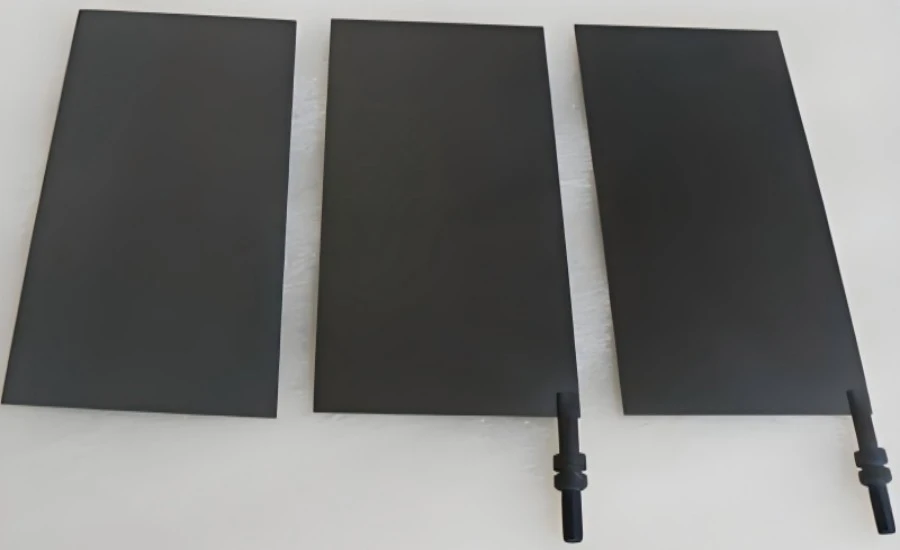
Factory-Sealed Cable Connections for Installation
NAVI Titanium supplies cable connected MMO tubular anodes with factory-installed lead cables and sealed connection assemblies configured for installation. The cable-to-anode interface is a critical part of an ICCP system because moisture ingress, poor contact, or unsuitable cable selection can interrupt electrical continuity. Cable conductor size, insulation type, length, termination, and sealing details are determined according to project requirements and the intended environment. Mechanical crimping, compression connections, sealing compounds, or other qualified assembly methods may be specified and verified during production. A factory-prepared assembly can reduce the need for field junction boxes and on-site cable termination. This can help installation teams manage fewer connection operations. Connection drawings and assembly details are provided before manufacture, allowing contractors to confirm routing, polarity identification, and cable interface requirements. Final installation must still follow the approved drawings, electrical procedures, and site-specific protection design.
Customized Anode Configurations for Project Requirements
NAVI Titanium offers project-based customization for the cable connected MMO tubular anode for ICCP systems. Customers can specify tube diameter, overall length, wall thickness, titanium grade, MMO coating system, coating loading, cable length, conductor size, insulation, and termination details. Anode strings, canistered assemblies, deep-anode arrangements, end fittings, mounting features, and connection accessories can also be reviewed. The appropriate coating chemistry depends on the intended anodic reaction and operating environment; therefore, the selection should be confirmed by the corrosion protection engineer rather than assumed from a product name. For international projects, metric or imperial dimensions can be reviewed and documentation aligned with the agreed technical specification and inspection plan. Customers may submit drawings, sketches, photographs, quantity estimates, and basic operating data for evaluation. Before production, the proposed configuration, cable interface, inspection scope, and delivery requirements are confirmed with the buyer.

Q1. What titanium grade and the coating is used for tubular anodes?
Tubular electrodes are generally made from ASTM B338 Grade 1 or Grade 2 titanium tubes, depending on the job requirements. The catalytic layer can use an iridium oxide and tantalum oxide-based formulation for suitable impressed current applications.
Q2. Can the tubular anodes operate in both soil and seawater?
Yes. Tubular anodes are supplied for buried pipeline groundbeds, storage tank protection, freshwater installations, and marine ICCP systems. However, the coating formulation, cable insulation, sealing materials, and installation configuration must be selected according to the environment.
Q3. How long do cable connected MMO tubular anodes last?
With 20–30 years potentially achievable under suitable design and operating conditions. Actual service life depends on coating loading, current density, electrolyte conditions, rectifier operation, and installation quality.
Q4. How should MMO tubular anodes be maintained or replaced?Periodic inspection is recommended of rectifier readings, anode current output, cable continuity, reference electrode measurements, and protected structure potentials. If anode performance deteriorates or electrical connections become damaged, qualified technicians should investigate the cause.
Q5. What quality documents can international buyers request?
Product-related quality documentation can be provided according to the purchase agreement, including material certificates, Certificate of Analysis (COA), dimensional inspection records, coating inspection results, and applicable electrical test reports. Documentation requirements can be specified during quotation.
Hot Tags: cable connected mmo tubular anode for iccp systems, China cable connected mmo tubular anode for iccp systems manufacturers, suppliers, factory