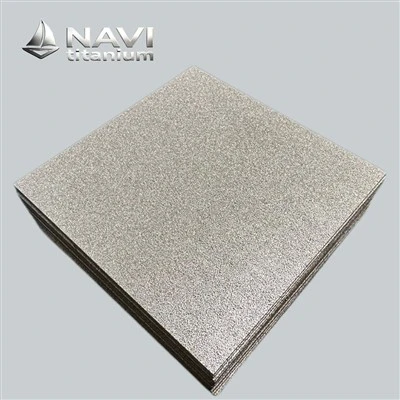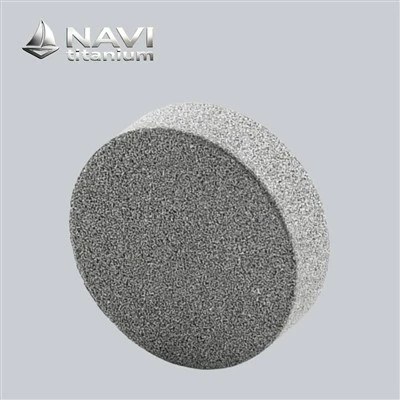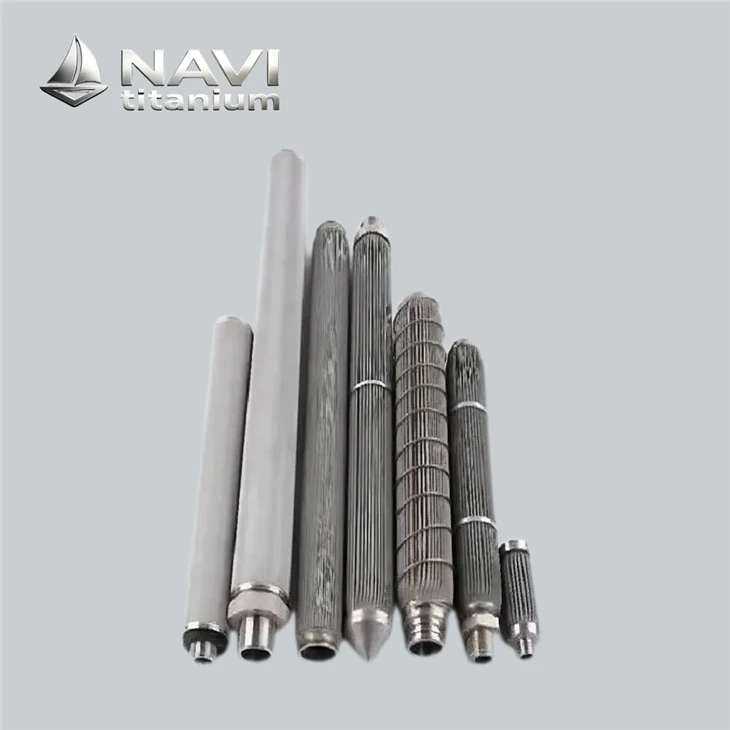
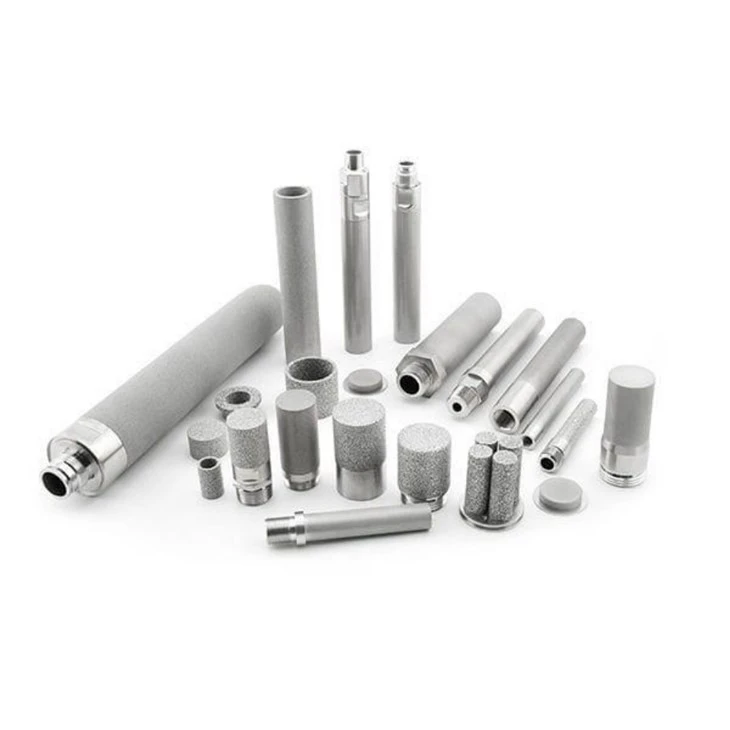
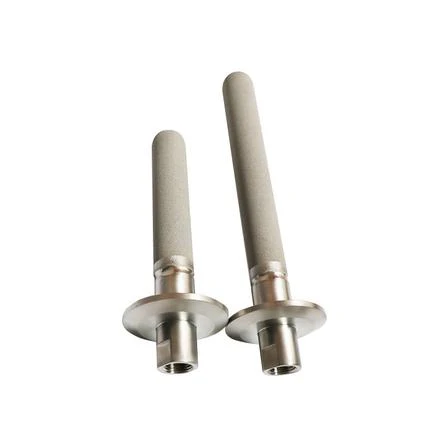
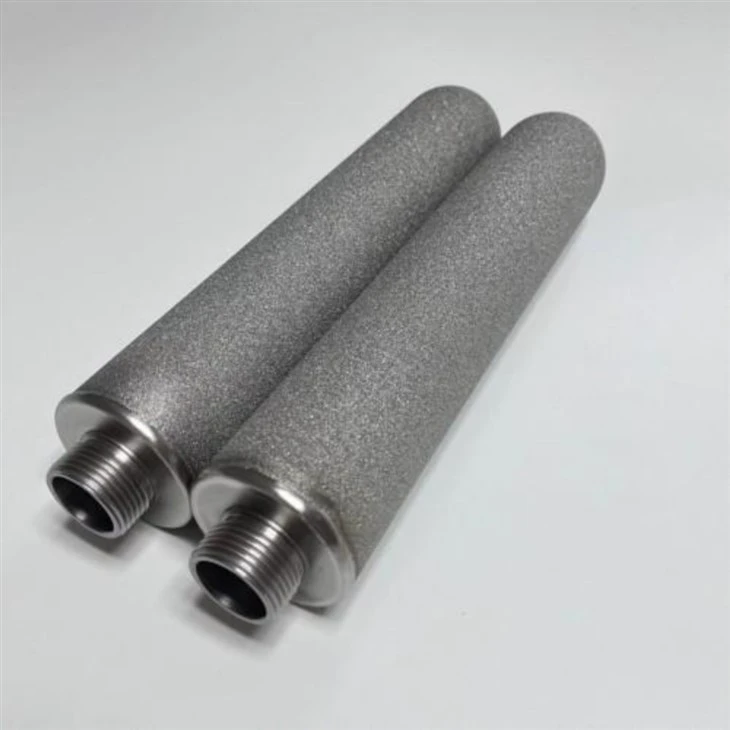
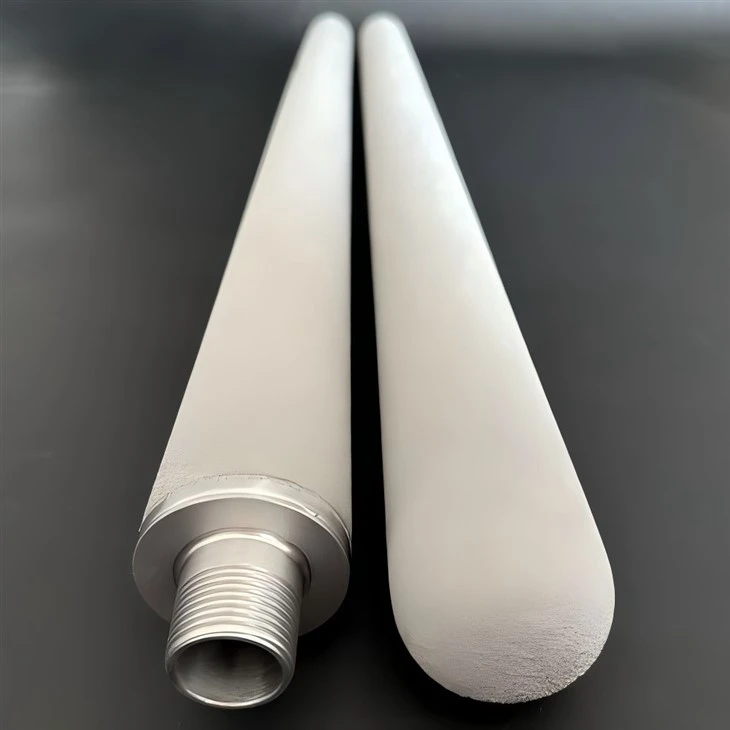
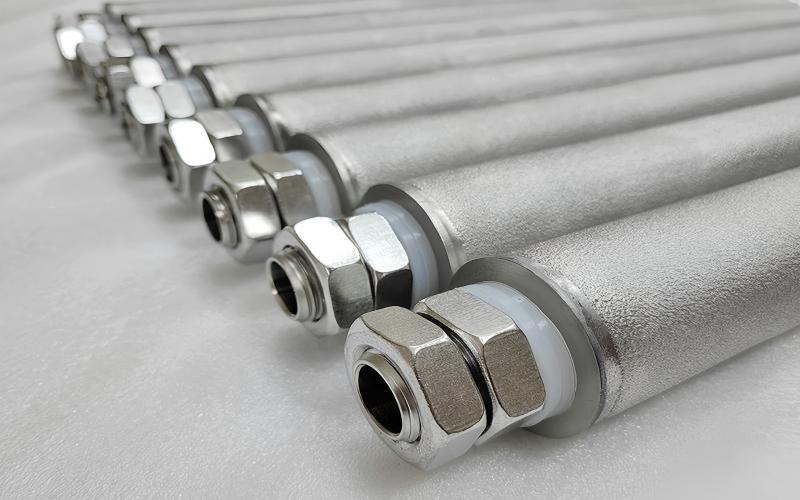
NAVI Titanium sintered powder filter cartridge is produced from carefully classified powder grades that are compacted and thermally consolidated under controlled conditions, creating a rigid permeable medium. This manufacturing route forms a continuous network of fine flow paths throughout the cartridge. As suspended particles move through the media, they are captured progressively within the available void volume rather than accumulating primarily at the outer face.
Solution of NAVI Titanium
NAVI Titanium builds these sintered powder filter as one bonded tube, so a backpulse has no seam to open and no fibre ends to carry downstream. Give us the differential window you clean at, not just a micron number: tube wall, grade and end fitting all follow from it, and pricing comes back against your housing length. Sizes and grades ordered most sit in the NAVI Titanium Sintered Metal Filter table below, indicative figures tightened to each confirmed order.
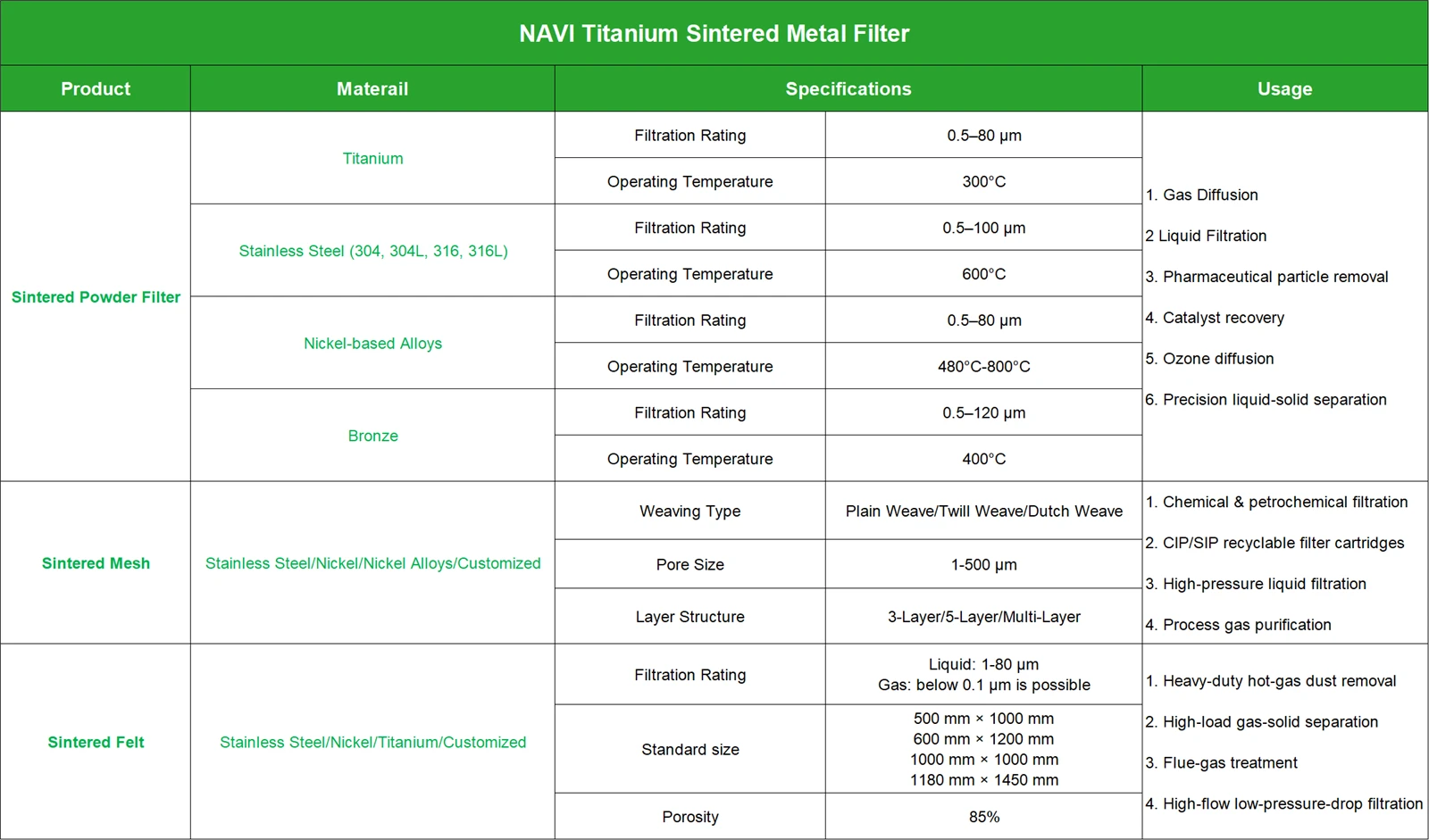


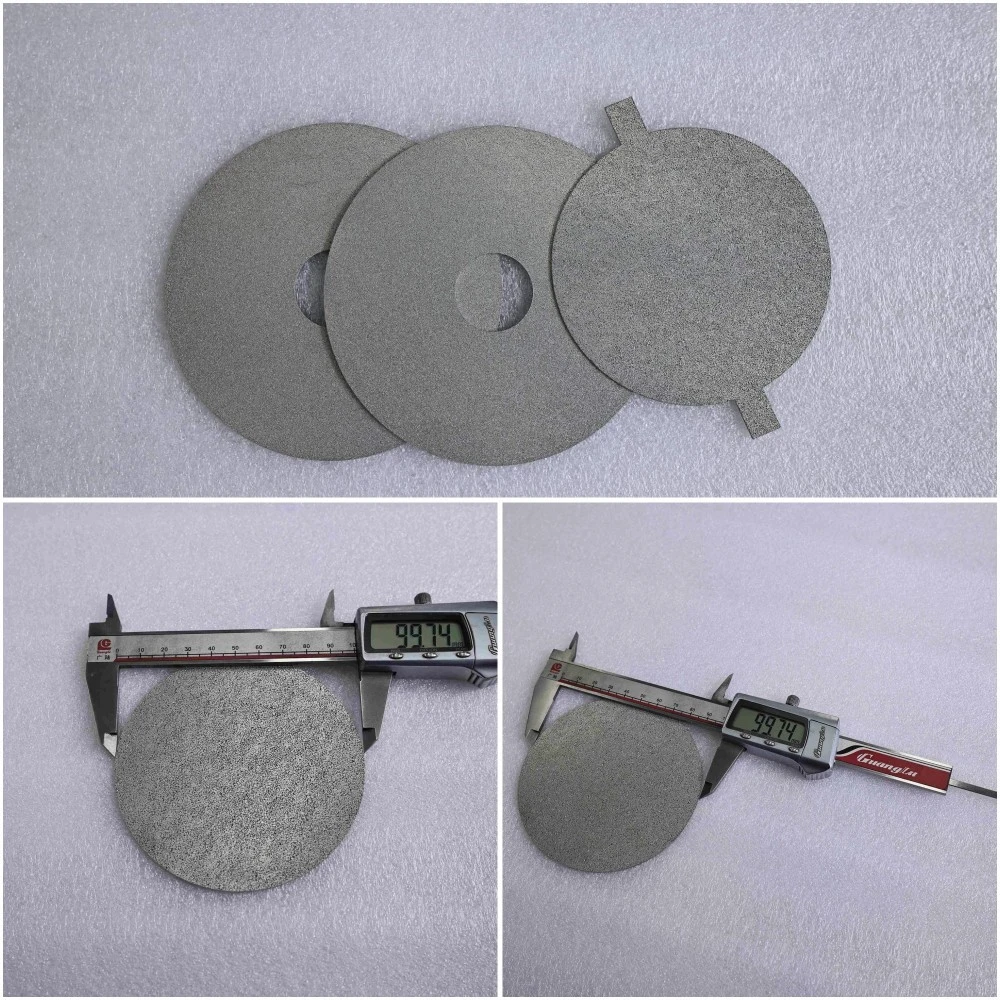
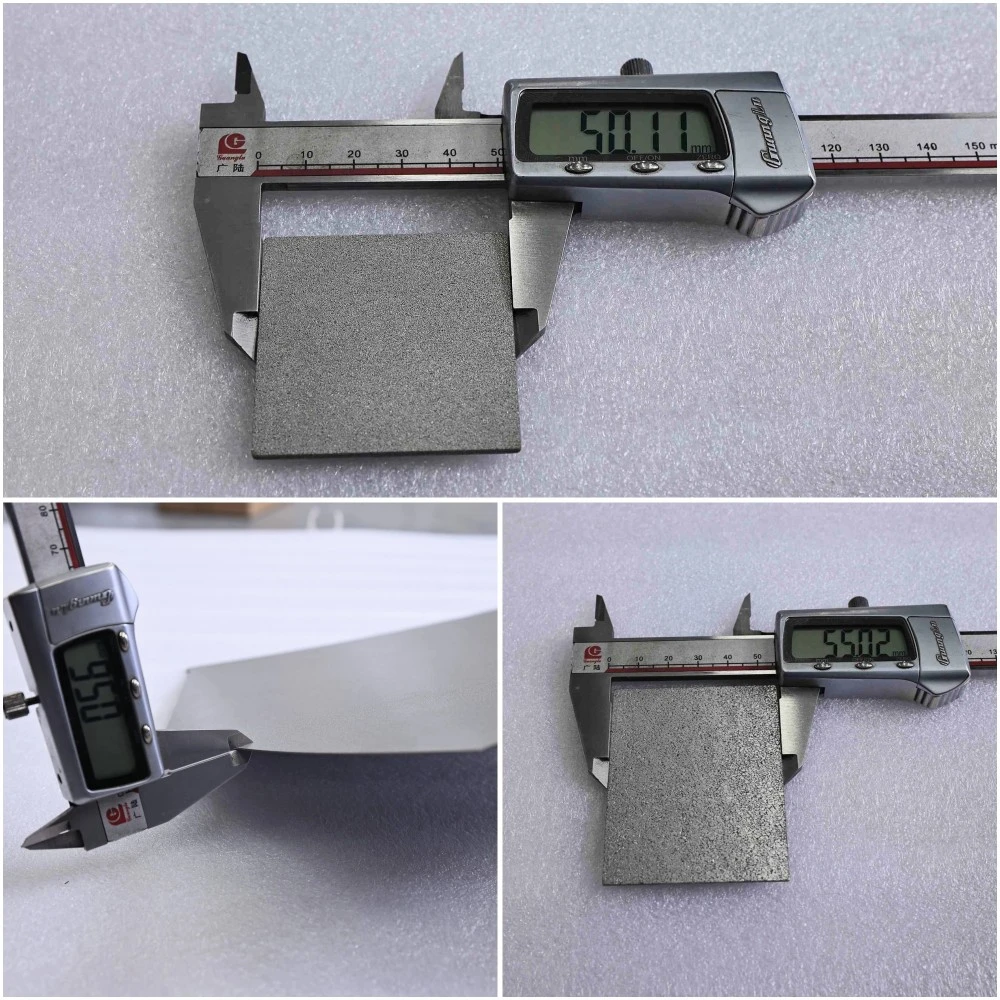
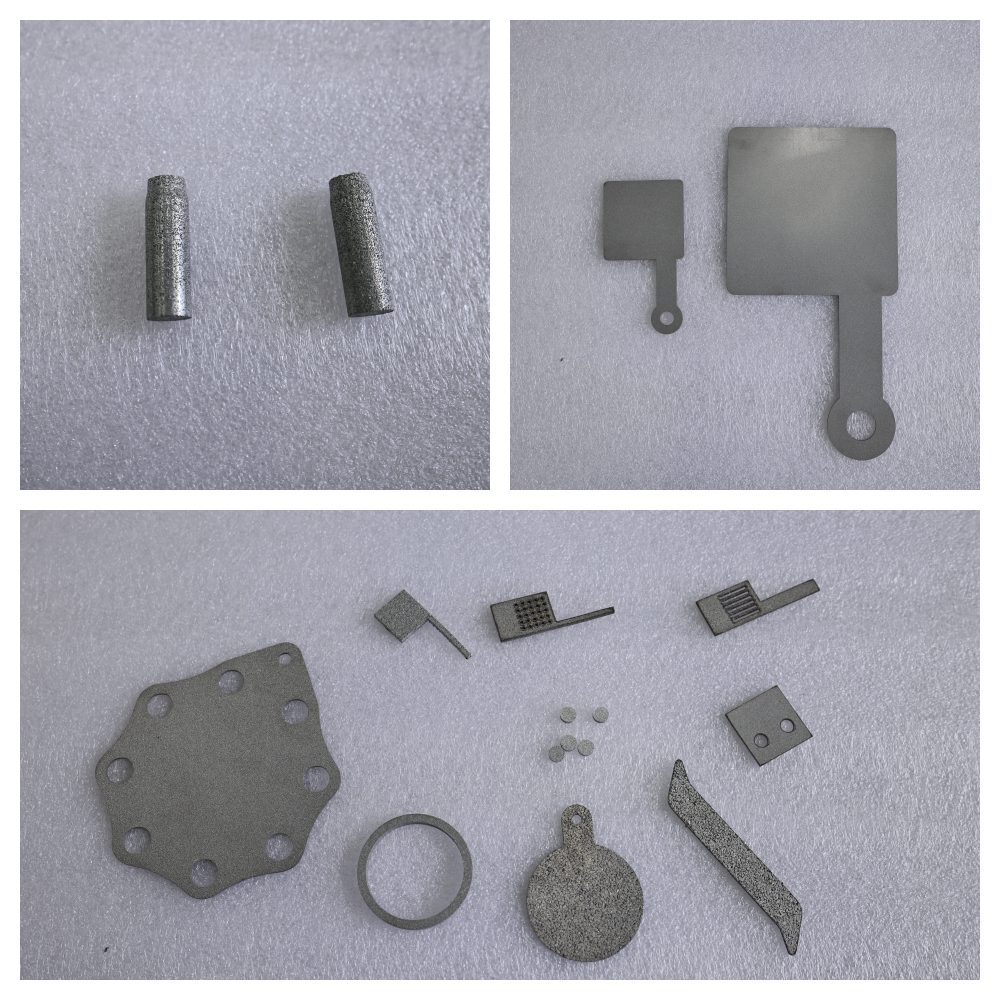
NAVI Titanium has developed specialized sintered filtration components for demanding fluid-handling environments, using controlled powder forming and thermal consolidation techniques to create interconnected pathways throughout the media. We provide tailored solutions in various grades, permeability ranges, sizes, configurations, and supporting projects.
Application
Energy Conversion Facilities and Moisture Control Assemblies
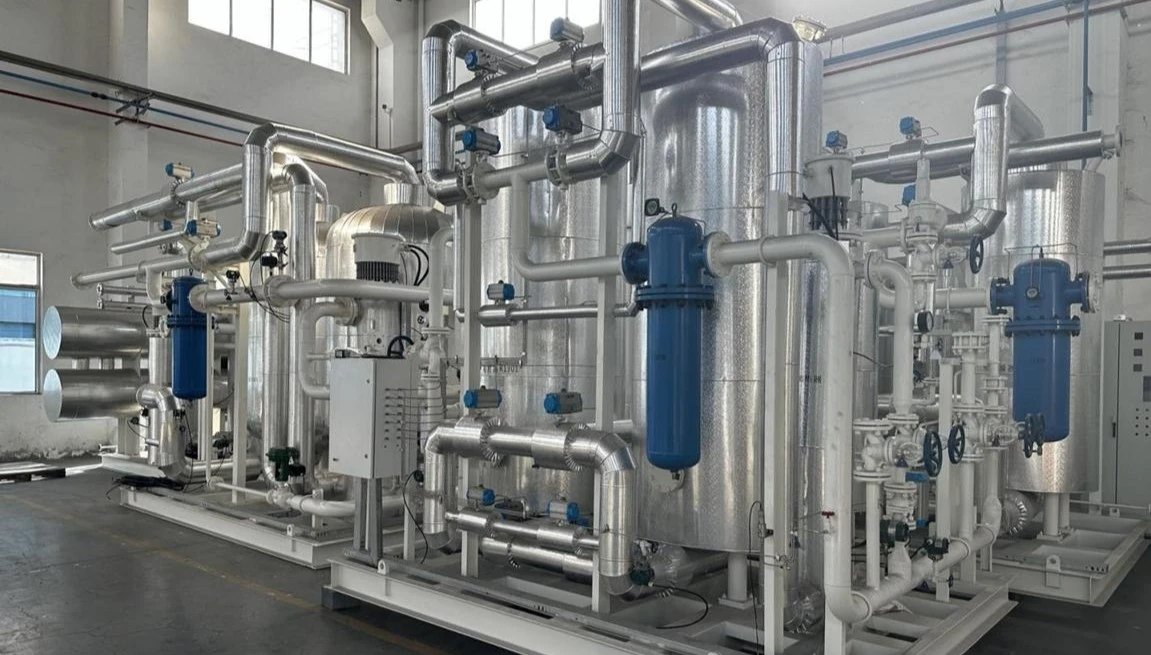
Energy conversion facilities require reliable management of fluid cleanliness, moisture levels, and suspended particles throughout multiple processing stages. Within purification units, compression stations, and circulation loops, porous alloy cartridges help retain fine debris originating from reaction streams, pipelines, valves, or rotating machinery. NAVI Titanium sintered powder filter cartridge are frequently selected for demanding duty cycles because their rigid construction tolerates continual loading without the deformation commonly associated with many non-metallic alternatives.
In addition to particle retention, these cartridges contribute to moisture-control assemblies handling condensed water, electrolyte residues, or trace impurities. Their uniform pore network guides gas or liquid movement evenly across the element, reducing the possibility of foreign matter reaching later process stages.

Electronic Device Fabrication and High-Cleanliness Media Distribution
Modern electronic manufacturing relies on extremely clean fluid delivery to protect sensitive manufacturing lines from trace foreign matter. Within reagent supply lines, chemical delivery units, and ultra-pure circulation loops, fine debris, polymer fragments, or residual deposits may influence product quality if not effectively removed.
NAVI Titanium sintered powder cartridges are widely incorporated as particle-capture elements because they remain mechanically robust when exposed to aggressive chemicals and demanding manufacturing environments. Compared with disposable polymer products, rigid powder media tolerate cleaning procedures and chemical exposure while preserving their original form. Fine-channel characteristics may be tailored for different fluid streams, including reactive chemicals, ultra-pure solvents, and specialty formulations requiring exceptionally clean transport.
Purchasing guide

Quality control (QC)
Our ISO 9001 system releases every sintered powder filter only after four readings are on file for its lot: permeability index, collapse pressure under external load, wall gauge, and weld-root penetration on each joint. Nothing is packed early. Press the button underneath to open the COA and read the values recorded for the lot we would release to you.

Manufacturing Process
Most cartridges do not fail in the wall. They fail at the weld root, or they collapse inward during a hard backpulse. Five gates below are built around those two risks; a lot only moves forward when the reading is written down.
Feedstock Lot Release
Apparent density and particle cut are measured before a single mandrel is filled. A lot outside the window is set aside instead of being averaged into the next one, because a blended lot gives a cartridge whose conductance drifts from the first shipment to the third.
Mandrel Fill and Isostatic Compaction
Powder is charged around a mandrel and compacted under equal pressure from all sides, which is what keeps wall section even along a long tube. Uneven density here shows up later as a soft band that deforms the first time the cartridge sees external pressure.
Atmosphere Sintering
Compacted tubes are consolidated in a controlled atmosphere under a logged ramp and dwell. Because the profile is recorded per load, a repeat order months later runs the same cycle rather than an operator's approximation of it.
End Fitting and Root Weld
This is the joint that decides service life. Tubes are straightened, ends are machined to the specified thread or flange, and the collar is welded with shielding on both faces. Root penetration is checked here, since a shallow root is what cracks under vibration.
Integrity Test and Sealed Packing
Every cartridge is tested for first-gas threshold, conductance and radial crush resistance, then rinsed, dried and sealed with the lot code on the bag. Dry, sealed packing matters more than it sounds: a cartridge shipped damp arrives already discoloured and already suspect.
Application
Catalyst Retention and Reaction Loop Media Control
Many catalytic reaction units require continuous handling of valuable solid materials within circulating process streams. During chemical synthesis, petrochemical conversion, and specialty compound production, catalysts may gradually generate fine fragments that need to be collected while preserving circulation stability.
Within reaction loops, sintered powder filter cartridge are often used to recover valuable catalyst particles and reduce the accumulation of unwanted solids. Catalyst handling also involves consideration of the retained material's commercial significance, physical characteristics, and potential for reuse.
Excessive flow resistance may restrict circulation, while insufficient retention can lead to catalyst loss and reduced utilization. A properly selected NAVI Titanium metallic porous element provides a balance between particle capture, flow resistance, and uniform movement of the process fluid.

Vacuum Processing and Space Simulation Chambers
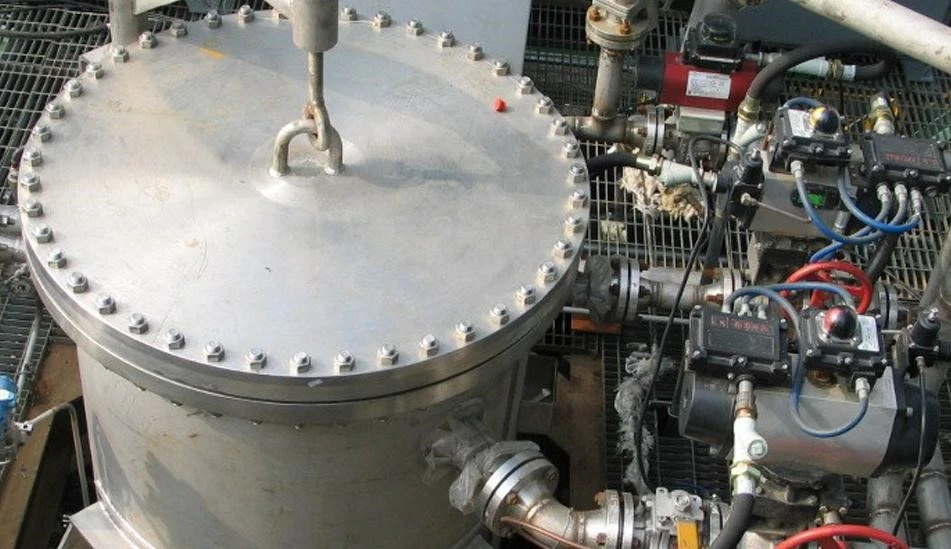
Vacuum environments require permeable elements capable of functioning without releasing foreign matter or generating secondary debris during extended use. In vacuum coating units, research chambers, analytical instruments, and space simulation facilities, powder-based elements assist with atmospheric purification, vent regulation, and protection of sensitive vacuum assemblies.
Many conventional permeable media may release fibers or undergo geometric changes during thermal cycling. NAVI Titanium powder cartridges are therefore preferred where foreign-matter control and geometric consistency are important.
Their continuous channel network allows uniform fluid transmission while limiting the transfer of unwanted substances between different chamber sections.
Molten Metal and High-Temperature Fluid Purification
High-temperature industries face demanding purification challenges associated with elevated heat, reactive environments, and suspended inclusions. In molten metal handling, powder metallurgy, and thermal treatment operations, many conventional filter materials may lose structural integrity during prolonged exposure to severe temperatures. Sintered powder filter are frequently used in specialized high-temperature applications where robust alloy structures are required. During molten metal processing or heated gas treatment, effective impurity control directly influences final product quality and reliability in later process stages.
Oxide fragments, metallic inclusions, and residual solids may alter alloy characteristics or interfere with subsequent processing operations. Different alloy compositions and pore arrangements can be selected according to thermal exposure and impurity loading.

Application Limitations and Design Boundaries
Selecting a Metallic Cartridge Beyond Micron Rating
A common misunderstanding is that a smaller micron rating always produces better results. In practice, cartridge performance is influenced by the interaction between fluid properties, particle shape, differential loading, and flow behavior, not by nominal opening size alone.
Highly viscous liquids may create excessive flow resistance even when the rated retention level appears appropriate, while streams containing deformable solids may behave differently from those carrying rigid particles. An overly restrictive element may shorten operating periods and increase servicing frequency without improving overall process performance.
NAVI Titanium effective cartridge selection usually considers particle size distribution, solids concentration, viscosity, and allowable flow resistance together. The porous alloy cartridge should be viewed as one part of a broader retention strategy rather than as an isolated screening element.
Understanding Operating Conditions That Influence Separation Capability
Although metallic porous elements perform well in many demanding environments, every retention technology has practical limits. Very high concentrations of suspended solids may accelerate blockage before the available pore volume is fully utilized. Adhesive polymers, gels, waxes, or biological deposits may gradually obstruct the pore network regardless of the selected retention grade. Cyclic differential loading can also alter the distribution of captured particles, leading to localized accumulation instead of uniform loading throughout the cartridge body. The physical behavior of solids is equally important. Soft particles may deform and pass through openings that would normally retain rigid fragments, while fibrous materials may bridge pore entrances and cause flow resistance to increase more rapidly than granular solids.
Sintered Powder Filter Cartridge vs Membrane Filter

Pressure Drop and Contaminant Loading Behavior
During service, resistance variation is an important consideration when comparing these two retention technologies. Membrane elements generally collect contaminants at the outer interface, which may cause resistance to rise rapidly when incoming media contains high concentrations of solids or adhesive substances. NAVI Titanium sintered powder filter cartridge distributes contaminant capture throughout the internal channel network, reducing deposit concentration in a single area. This depth-based retention structure allows resistance to increase more gradually under suitable working conditions. Engineers therefore evaluate not only initial retention accuracy but also long-term resistance changes, overall operating stability when selecting an appropriate metallic element.
Cleaning and Maintenance Considerations
Membrane assemblies often require carefully controlled cleaning procedures because their retention capability depends on maintaining the integrity of the thin barrier layer. NAVI Titanium metallic cartridges can generally be restored through methods such as reverse-flow cleaning, flushing, or chemical treatment, depending on the characteristics of the captured substances.
The selected cleaning approach is influenced by contaminant composition, thermal conditions, and specific project requirements. For applications involving repeated service cycles, cleaning potential and maintenance planning become important factors affecting lifecycle cost and component configuration.


Different Separation Mechanisms
Membrane filters rely on a thin selective barrier where suspended matter is retained primarily at the surface according to opening size. Porous alloy cartridges use a three-dimensional pore network that captures particles throughout the full body through depth-based retention.
This difference affects how each technology responds to particle loading, changes in flow resistance, and variations in process conditions. NAVI Titanium membrane filters are commonly used where highly selective surface retention is required, while metallic porous cartridges are often chosen when particle control, flow capacity, and long operating periods must be balanced.
NAVI Titanium Strict Export Packaging & Zero-Damage Assurance
NAVI Titanium adopts exclusive standardized export packaging procedures for all sintered powder filter cartridges to fully protect the precise micropore structure and finished surface. Each filter cartridge is individually sealed with dust-proof and moisture-proof PE film, equipped with customized anti-collision end caps to prevent extrusion deformation and scratch damage. Internal high-density shockproof foam fixes every single cartridge tightly to avoid friction and displacement during long-distance transportation. All packaging processes follow international export standards, effectively resisting extrusion, vibration, humidity and dust. This rigorous inner packaging solution completely avoids defective issues such as pore deformation and surface abrasion, ensuring 100% intact product appearance and original filtration performance upon arrival.
We provide graded outer packaging solutions based on order quantity and shipping scenarios to meet diverse global delivery demands. Small-batch and sample orders use thickened reinforced cartons with edge protection reinforcement, while bulk and ocean freight orders adopt fumigated solid wooden crates for overall reinforcement and compression resistance.
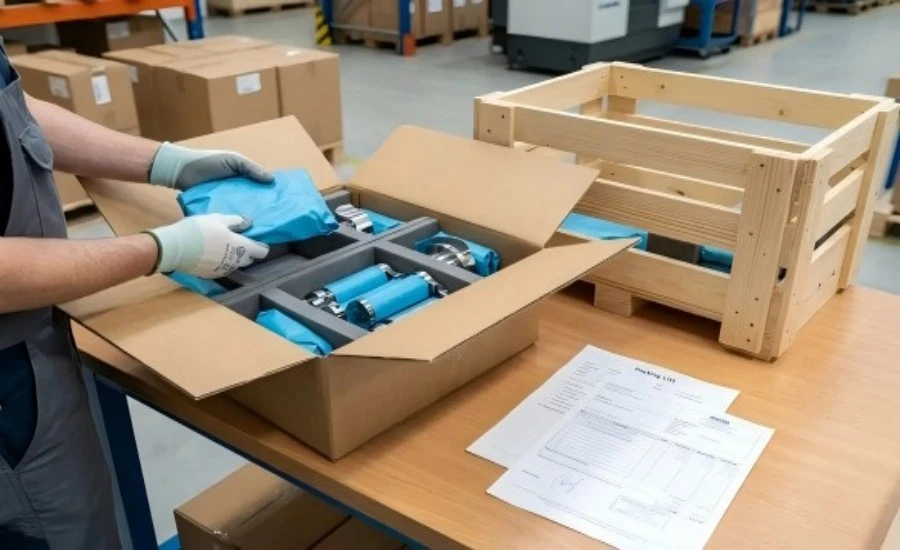

All packages are sealed and labeled with clear product specifications, batch numbers and shipping marks for convenient customs clearance and inventory checking. With scientific layered packaging structure, our products can withstand long-term sea freight, air freight and multi-times transshipment. This classified packaging system eliminates bulk damage risk and delivers stable and reliable packaging quality for global industrial clients. NAVI Titanium cooperates with mature global logistics providers to offer full-tracked, safe and efficient worldwide transportation services. We support flexible shipping methods including sea freight, air freight and express delivery, covering mainstream ports and destinations worldwide. Every shipment is equipped with complete shipping documents and quality certification files to ensure smooth customs clearance. Our professional logistics team arranges standardized loading and fixed container placement to prevent cargo shaking and collision. We provide real-time logistics tracking and after-sales cargo protection services. With reliable packaging and systematic shipping management, we guarantee damage-free delivery, greatly saving clients' replacement costs and procurement cycle risks.
Frequently Asked Questions
What is the best way to clean a cartridge without damaging it?
+
-
The cleaning method should match the retained material and the cartridge material. Backwashing, controlled fluid flushing, ultrasonic treatment, or other methods may be considered depending on the process. Abrasive tools and aggressive mechanical handling should generally be avoided because they can deform the cartridge or damage its connection area.
Can NAVI Titanium make a cartridge to match an existing imported part?
+
-
Yes. Customers can provide an existing cartridge, drawing, dimensions, or sample for evaluation. We can review the body dimensions, connection details, material selection, pore range, and other agreed specifications before proposing a replacement version. This can be useful when an original part has become difficult to source or when customers want a second supply option.
Can the cartridge be customized for a compact or space-limited device?
+
-
Yes. We can discuss customized dimensions, connection arrangements, material selection, and other customer-defined requirements. This is particularly useful when an existing device has limited installation space or when a standard cartridge does not match the available connection.
How does NAVI Titanium help customers reduce problems after delivery?
+
-
We focuses on more than supplying a matching part. Before production, the team can review drawings, operating conditions, material requirements, and inspection criteria with the customer. For repeat orders, previously confirmed specifications can be retained as a reference for subsequent batches.
What happens if we need technical support after receiving the order?
+
-
Customers can provide the batch reference, operating conditions, photographs, test data, or other relevant information when reporting an issue. We can use these details to determine whether the issue may be related to installation, process conditions, specification selection, or the supplied part.
Hot Tags: sintered powder filter cartridge, China sintered powder filter cartridge manufacturers, suppliers, factory, Sintered Air Filter, Sintered Metal Disc, Sintered Metal Powder, Sintered Metal Tube, Sintered Porous Metal Filter, Sintered Steel Filter