

There's one question that is asked over and over again when engineers and procurement professionals examine porous metal components for hydrogen electrolysis or industrial filtering systems: what is it that makes a filter high performing vs one that fails under pressure? The solution frequently begins at the powdered level, in particular, how sintered metal powder reacts when subjected to heat processing and how it translates directly into filter density, pore architecture and structural durability.
This article guides you through metallurgical mechanics of sintering activity, particle bonding and pore skeleton development – linking raw powder properties to completed filter performance your application needs.
How Does Sintered Metal Powder Sintering Activity Affect Filter Density?
Sintering activity is the reaction of metal powder particles with heat induced consolidation. Powders with greater surface energy, finer particle shape and lower oxide contamination sinter more aggressively, that is to say bind earlier, form necks quicker and consolidate at lower temperatures. This directly influences the ultimate density of a porous filter element.
Surface Energy and Thermal Responsiveness
Powdered metal sintered in a furnace. At high temperatures the atoms on the surface of the powder particles begin to migrate toward the sites of contact. This movement is driven by the lowering of surface energy. The powders synthesized by controlled atomization techniques provide spherical or near-spherical particles with increased surface area to volume ratio thereby improving the atomic mobility. This leads to a denser bonding network in the porous skeleton without external pressure.
This is well shown in high-purity titanium powder, in particular in 0A-grade material with minimal oxygen concentration. Oxygen pollution generates a passive oxide coating which inhibits atomic diffusion, stopping sintering activity and leading to weaker inter-particle interactions. Titanium powder with oxygen levels below around 0.13 wt% demonstrates demonstrably better neck development and skeletal density compared to powder with more oxygen, a connection demonstrated in powder metallurgy study from the Journal of Materials Science & Technology.
Particle Size and Densification Rate
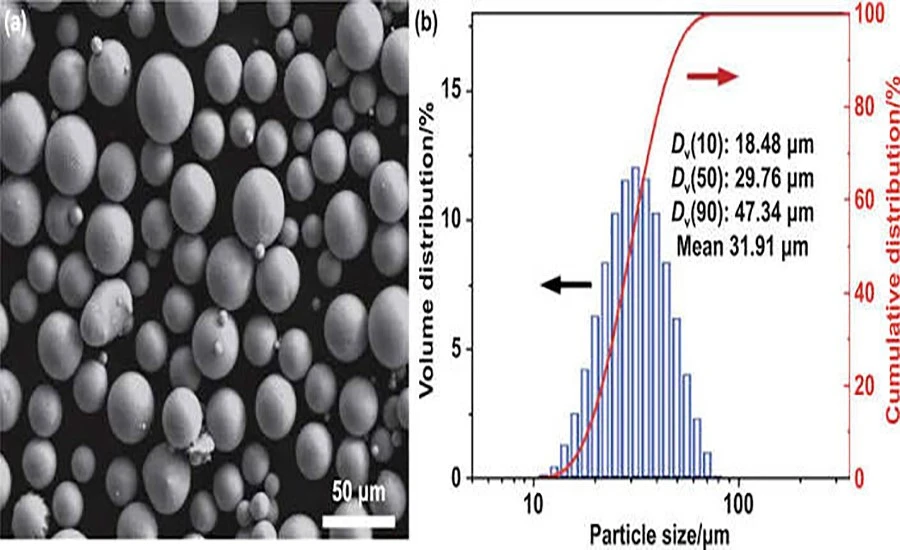
Particle size distribution is a dominating parameter on densification rate of a powder bed under sintering circumstances. Finer powders have higher surface contact area per unit volume and so accelerate densification. But in porous filter applications, densification that is too severe blocks down the linked void network which allows fluid flow – the very function the filter is there to do.
This dynamic is something sintered metal powder manufacturers, like NAVI Titanium, are used to and they mitigate it by using powder grades with median particle sizes optimized for the process – often in the range of 45 µm to 150 µm for filtration components – and by tuning sintering temperature profiles to achieve structural integrity without compromising target porosity levels of 30% to 50%.
Sintered Metal Powder Particle Bonding and Porous Skeleton Development
The porous skeleton is the architectural heart of every sintered filter element. Its shape, tortuosity and wall thickness jointly influence the mechanical strength, filtering efficiency and flow resistance. Understanding how these particles bind determines the structure of this skeleton, which illuminates the importance of powder in production.
Neck Formation Kinetics During Thermal Processing
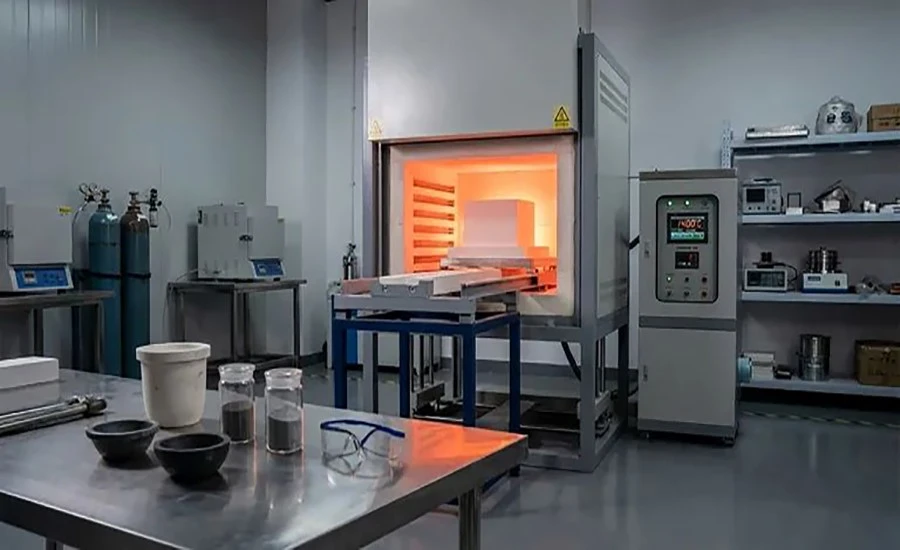
The points of contact between powder particles bond together by atomic diffusion to form a spreading "neck" of solidified material. The rate of growth of this neck is a function of temperature, hold duration, particle size and purity of the powder. In the case of titanium based systems neck development normally begins between 900 and 1100 °C. In this range the major diffusion mechanism changes from surface diffusion to volume diffusion with increasing temperature .
At lower temperatures, surface diffusion redistributes material about the particle surfaces without appreciably affecting the distance between particle centers, thereby maintaining the overall porosity while developing the initial binding strength. At increasing temperatures volume diffusion moves material from the interior of the particles into the neck areas and the centers of the particles approach each other, progressively diminishing the overall volume of pores. This transition is carefully controlled by experienced process engineers at plants like as NAVI Titanium, running sintering cycles at temperatures that provide enough neck geometry while maintaining the porous skeleton open and functional.
How Pore Connectivity Develops from Powder Architecture?
The connectedness of pores in a sintered filter, i.e. whether individual voids interconnect to form a continuous permeation channel, is largely dependent on the packing of powder particles prior to the onset of sintering. Irregular or angular particles of powder tend to form more random convoluted paths of pores channels, which enhances the particle interception but increases the pressure loss. Spherical powders pack more evenly, producing more direct pore channels with less resistance.
NAVI Titanium works with morphology based on the application requirements and selects powder forms matching the desired pore size range of 5 μm to 80 μm for its porous metal filter components. The accuracy of the selection of raw material here directly affects the flux needs of the completed filter element, which in PEM electrolysis applications involves steady water and gas movement over the porous substrate to provide stable electrochemical performance.
How Sintered Metal Powder Characteristics Influence Interparticle Neck Formation
The mechanical load-bearing capacity and the electrical conductivity of a sintered metal powder filter framework depend on the shape and integrity of inter-particle necks. Neck quality in PEM electrolysis systems, where the porous titanium substrate also serves as a current distributor, has electrochemical relevance as well as structural mechanics.
Higher oxygen concentration in titanium powder causes thicker oxide coatings on the particle surface. These coatings restrict atomic diffusion at the points of contact between particles, resulting in more narrow and more brittle necks. Research published in Powder Technology has shown that the oxygen concentration of titanium powder beyond 0.2 wt% causes noticeable decreases in sintered bond strength and increases in electrical resistance in porous titanium electrodes. Low oxygen, high purity powder such as the 0A-grade titanium utilized by NAVI Titanium, permits oxide free diffusion bonding which results in broader necks with increased conductivity and mechanical robustness.
Sintered Metal Powder Density Control Without Losing Functional Porosity
Therefore, powder characteristics and sintering cycles have to be carefully engineered to get the proper balance between skeletal density and open porosity. More dense increases the strength of the filter body, but may also close the holes that allow the filtering function.
Gradient Structures and Coarse-Fine Powder Compounding
A popular strategy is to mix powders with varied particle sizes, leading to a bimodal or graded pore structure. The fine powder occupies the space between the coarse particles, increasing the number of contact sites and densifying the skeleton locally. The macropore architecture defined by the arrangement of coarse particles is mostly maintained. This compound structure provides more structural strength than single-size powder compacts without a proportionate loss of permeability. This compounding logic is used to filter elements when the co-existence of mechanical robustness and flow capacity is critical, especially in high pressure industrial filtering situations.
What Determines the Strength of a Sintered Metal Powder Filter Structure?
The structural strength of a porous sintered component is not merely a function of the amount of material present, but rather reflects the quality, distribution and continuity of inter-particle connections across the filter body.
Batch Consistency and Its Role in Structural Reliability
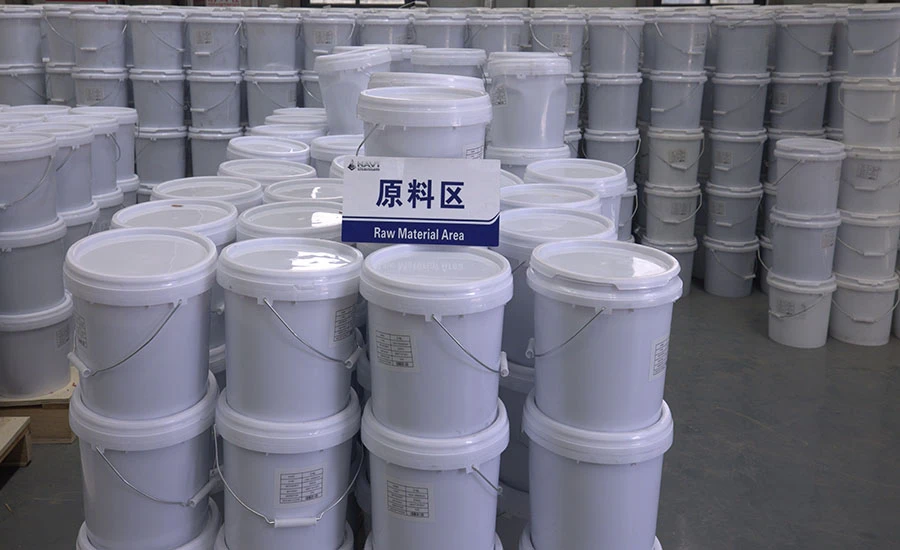
Differences in the powder batch lead to inconsistencies in the manufacturing of the sintered filter. Variations in median particle size, oxygen concentration or surface area across batches lead to differences in sintering behavior – creating filter elements with different pore sizes, densities and mechanical qualities even under similar process circumstances. Filter elements with consistent and repeatable performance are produced by manufacturers that closely monitor raw powder specifications and validate incoming batches against set standards. NAVI Titanium uses a rigorous entering inspection standard on all metal powder raw materials, to assure filter uniformity from batch to batch to meet the quality requirements of large-scale green hydrogen generation projects and semiconductor-grade filtering systems.
Material Composition and Structural Durability Across Operating Conditions
Material selection involves structural strength issues beyond ambient conditions. Grades of stainless steel, such as SS316L, are resistant to corrosion in mild acid and alkali conditions. Nickel-based alloys (Hastelloy family) retain structural integrity in harsh chemical environments. Titanium is the best substrate material for PEM electrolysis filter components due to the broad pH range stability of its oxide-passivated surface. NAVI Titanium engineers choose filter element materials based on these qualities, tailoring particle composition to the chemical, temperature and pressure conditions of each intended application.
Conclusion
The route from raw sintered metal powder to high performance filter element requires careful control of each step, from sintering activity to pore skeleton construction. Quality of neck development is governed by oxygen content. Particle size distribution affects the pore geometry and filtration accuracy. The gradation of powders governs the equilibrium between structural density and functional porosity. And batch consistency guaranties that all filter elements in a production run behave like the prototype. NAVI Titanium combines all these factors into a cohesive production system, delivering porous metal filter components that dependably work in the challenging conditions of hydrogen energy, industrial processing, and precision manufacturing.
FAQ
Q: What particle size range is typically used in sintered metal powder filter elements for PEM applications?
+
-
A: Titanium powder with a median particle size in the range of 45 μm to 150 μm is often utilized for PEM electrolysis applications, depending on the desired pore size and flow characteristics. Smaller pores and greater interception accuracy are obtained with finer powders whereas bigger pores and reduced pressure drop are obtained with coarser powders. NAVI Titanium selects powder grades that meet the filtration and permeability goals for each unique application.
Q: How does oxygen content in titanium powder affect filter performance?
+
-
A: In titanium powder, oxygen creates surface oxide layers that hinder atomic diffusion in the sintering process and diminish the development of inter-particle necks, hence enhancing electrical resistance. This is especially relevant for PEM electrolysis components with a porous titanium substrate which also acts as a current conductor, since excessive oxygen concentration decreases both structural strength and electrochemical efficiency. These effects are minimized and better filter performance is obtained with low oxygen, high purity 0A grade powders.
Q: Can sintered metal filter elements be customized for specific pore sizes and shapes?
+
-
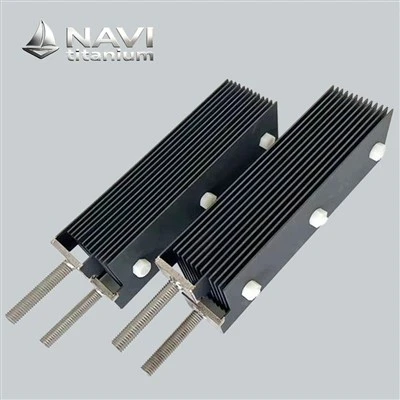
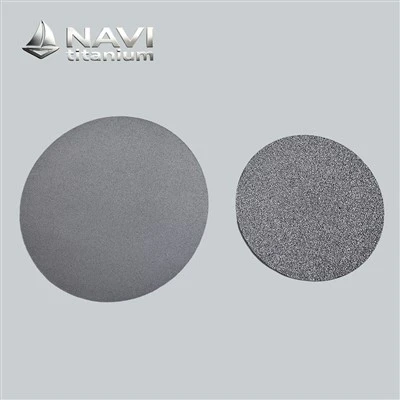
A: Yes. NAVI Titanium's porous metal filter elements are available with pore sizes from 5 μm to 80 μm and may be tailored in several configurations including disks, tubes, caps, bars and bespoke geometries. The selection of powders, the process of forming and the parameters of sintering may be combined to target pore size, % porosity and mechanical strength with precision for each application.
Partner with NAVI Titanium for Precision Sintered Metal Powder Filter Solutions
If your project demands reliable, high-purity porous metal filter components - whether for PEM electrolysis, semiconductor processing, pharmaceutical filtration, or industrial gas separation - NAVI Titanium delivers engineered solutions built from the powder level up. As an established sintered metal powder supplier with over 16 years of manufacturing experience since 2008, NAVI Titanium combines 0A-grade titanium powder expertise, precision sintering process control, and fully customized pore structures ranging from 5 μm to 80 μm to meet your exact specifications. From sample prototyping to large-scale batch production, every filter element undergoes rigorous quality verification for dimensional accuracy, pore consistency, and mechanical integrity.
Reach out to the NAVI Titanium technical team today to discuss your application requirements and receive a tailored product recommendation.
Contact us: sales@navititanium.com
References
1. German, R. M. Sintering: From Empirical Observations to Scientific Principles. Butterworth-Heinemann, 2014.
2. Liu, Y., & Luo, S. "Effect of Oxygen Content on the Sintering Behavior and Mechanical Properties of Porous Titanium." Journal of Materials Science & Technology, Vol. 29, No. 8, 2013, pp. 734–740.
3. Wen, C. E., Yamada, Y., & Hodgson, P. D. "Fabrication of Novel Porous Titanium with Controlled Porosity for Orthopedic and Filtration Applications." Materials Science and Engineering C, Vol. 26, No. 8, 2006, pp. 1439–1444.
4. Oh, I.-H., Nomura, N., Masahashi, N., & Hanada, S. "Mechanical Properties of Porous Titanium Compacts Prepared by Powder Sintering." Scripta Materialia, Vol. 49, No. 12, 2003, pp. 1197–1202.
5. Banhart, J. "Manufacture, Characterisation and Application of Cellular Metals and Metal Foams." Progress in Materials Science, Vol. 46, No. 6, 2001, pp. 559–632.
6. Ye, B., & Dunand, D. C. "Titanium Foams Produced by Solid-State Replication of NaCl Powders." Materials Science and Engineering A, Vol. 528, No. 2, 2010, pp. 691–697.