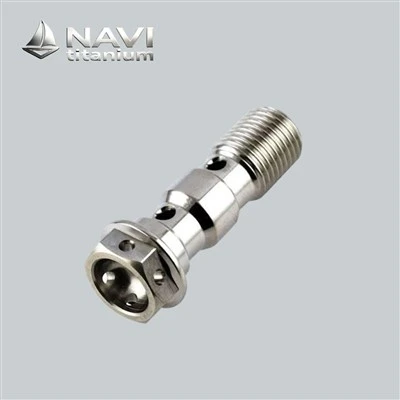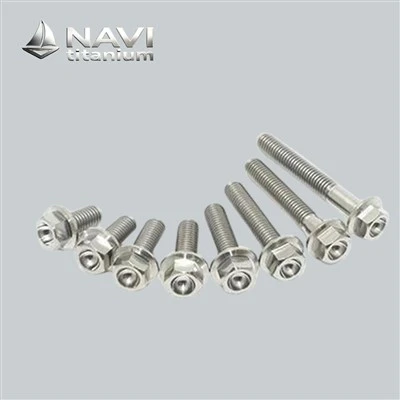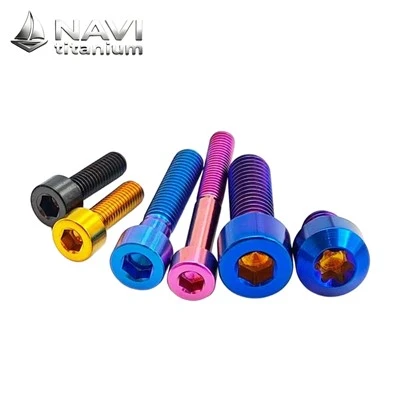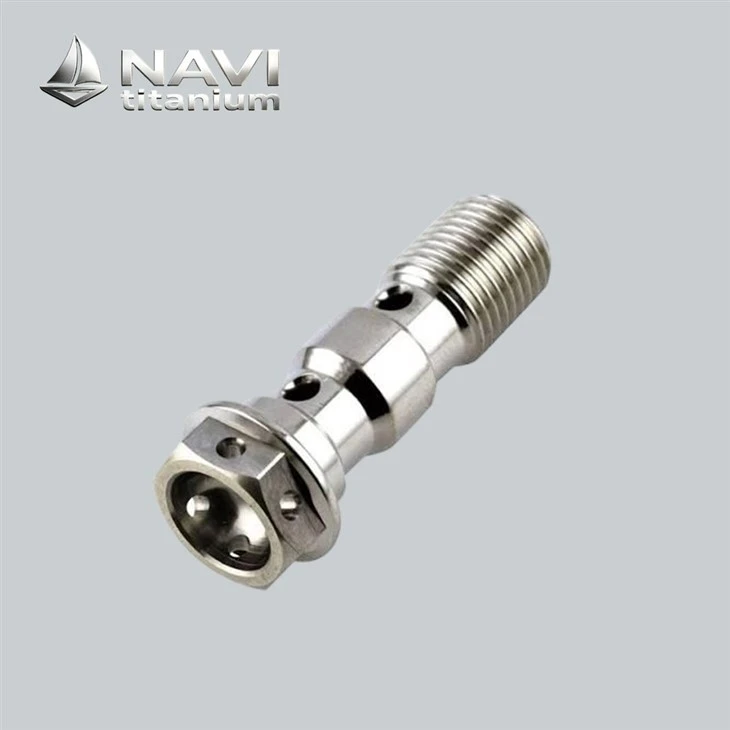
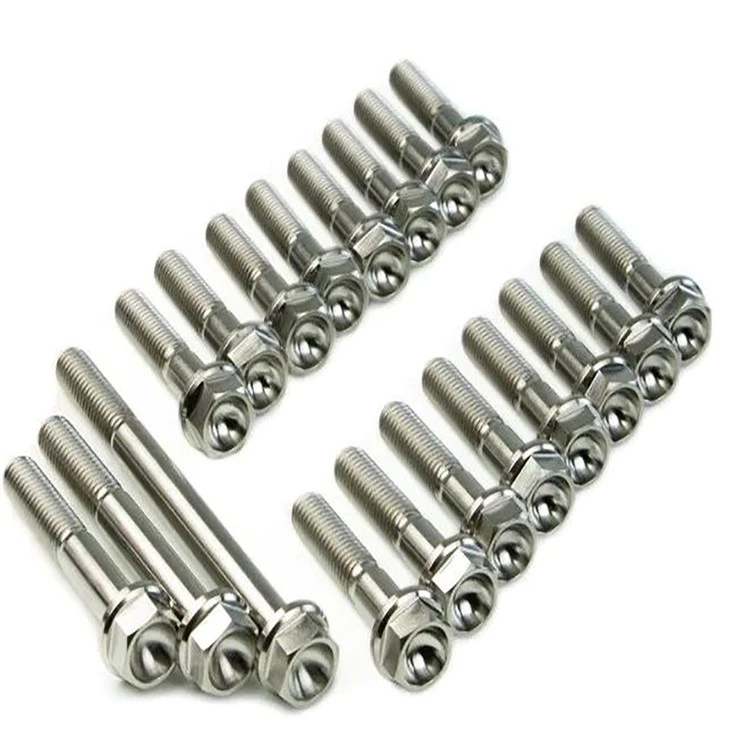
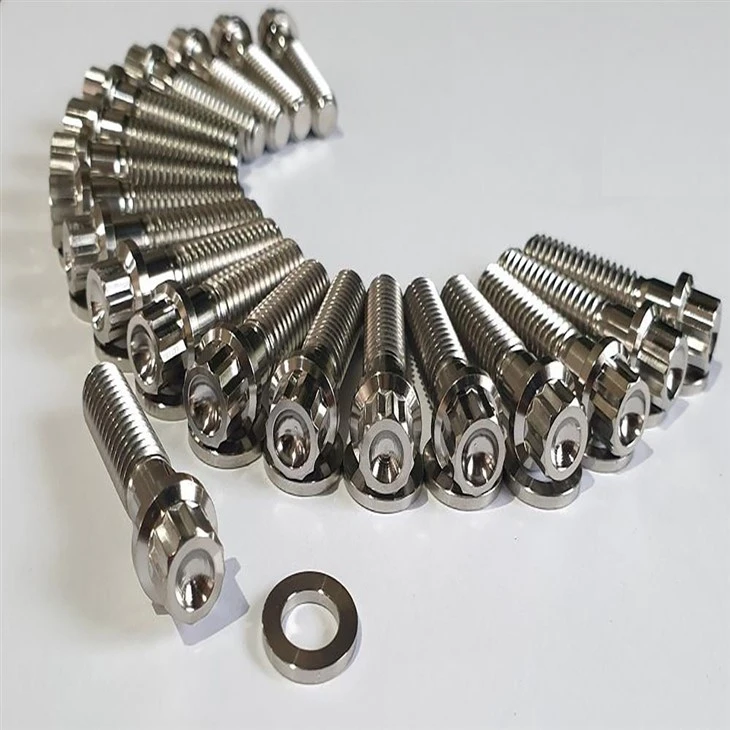
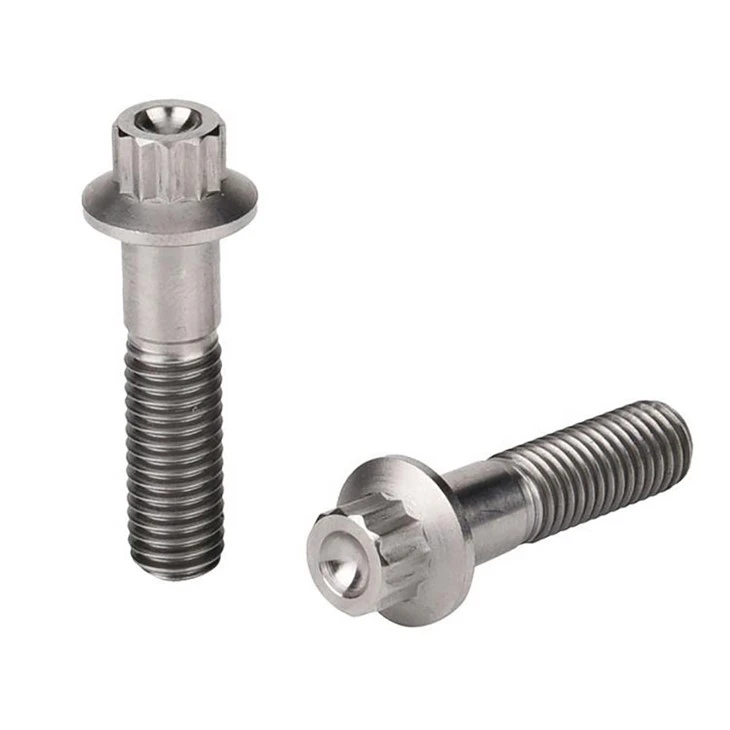
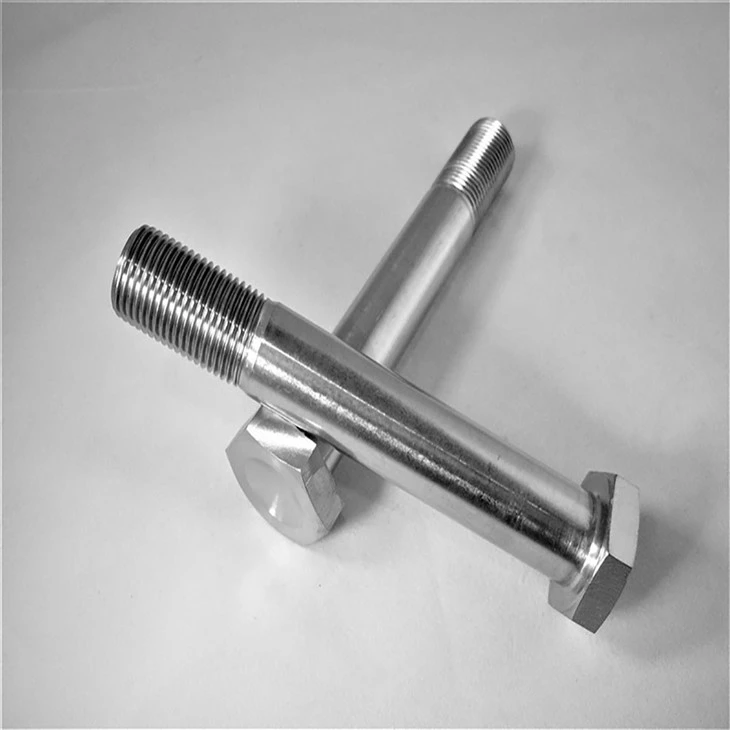
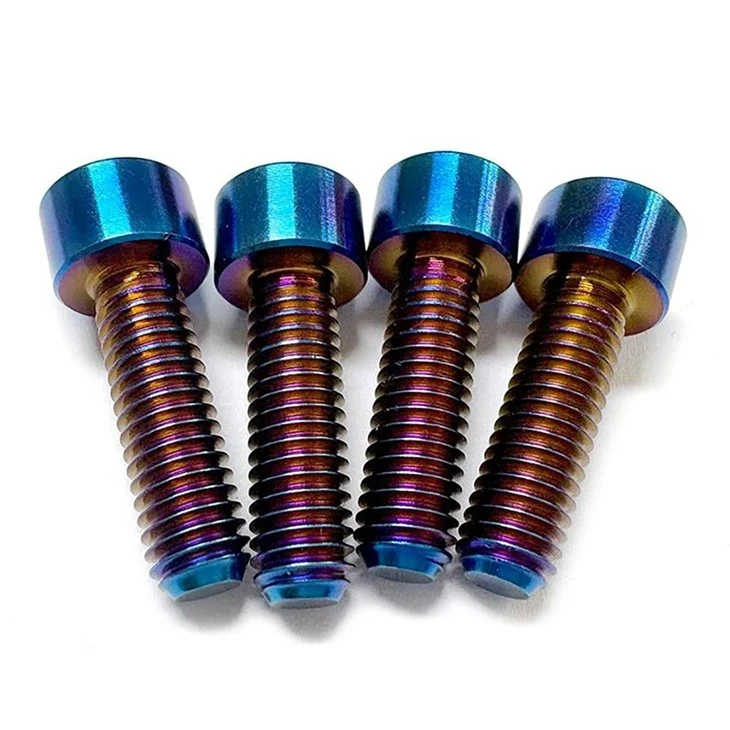
NAVI Titanium offers 6mm titanium bolts for motorcycle accessories and compatible assemblies, with product selection supported by clear technical communication. English documentation, batch traceability, and access to independent testing provide practical evidence for purchasing decisions. From initial enquiries to repeat orders, responsive assistance helps distributors, workshops, and specialist retailers manage sourcing with greater clarity, confidence, and continuity across their ongoing procurement activities.
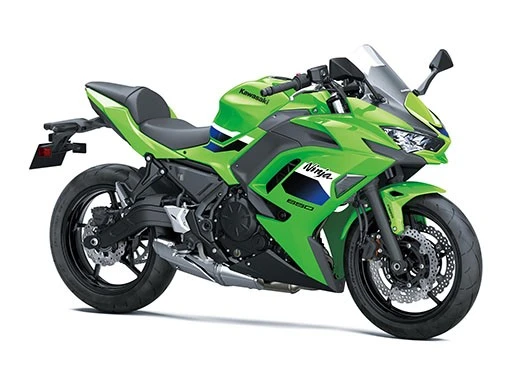

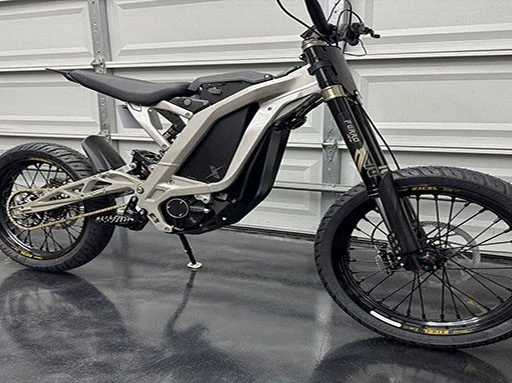
Solutions of NAVI Titanium
NAVI Titanium helps motorcycle workshops, distributors, and specialist retailers evaluate components for their purchasing needs. Our 6mm range connects compact motorcycle applications with clear product information, accessible technical communication, and documented batch records. International buyers can request English documentation and discuss independent testing options to support purchasing decisions.


NAVI Titanium presents 6mm components for motorcycle assemblies, where nominal diameter provides an initial reference for compatibility assessment. Engineering suitability depends on pitch, engagement depth, alloy properties, and joint loading.
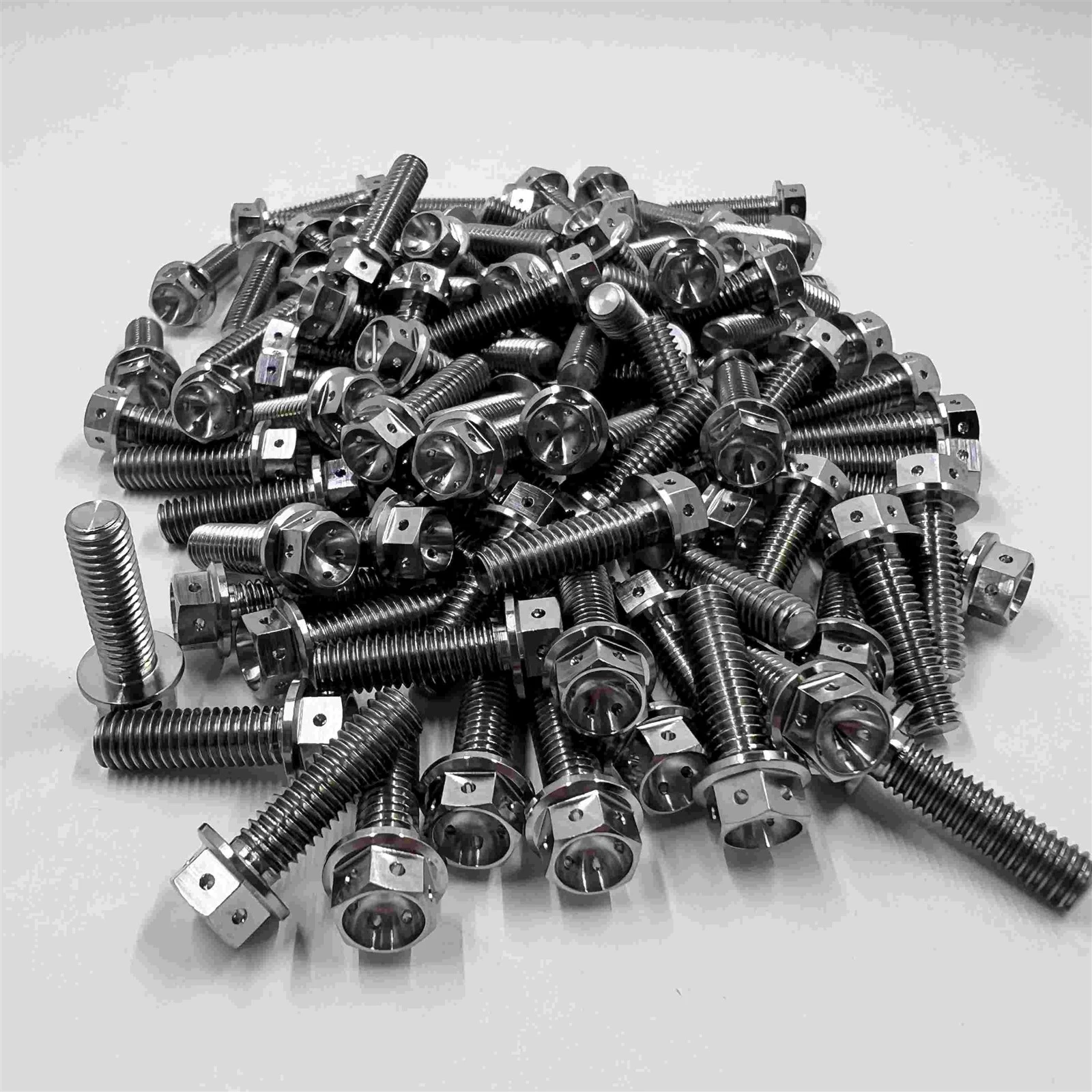
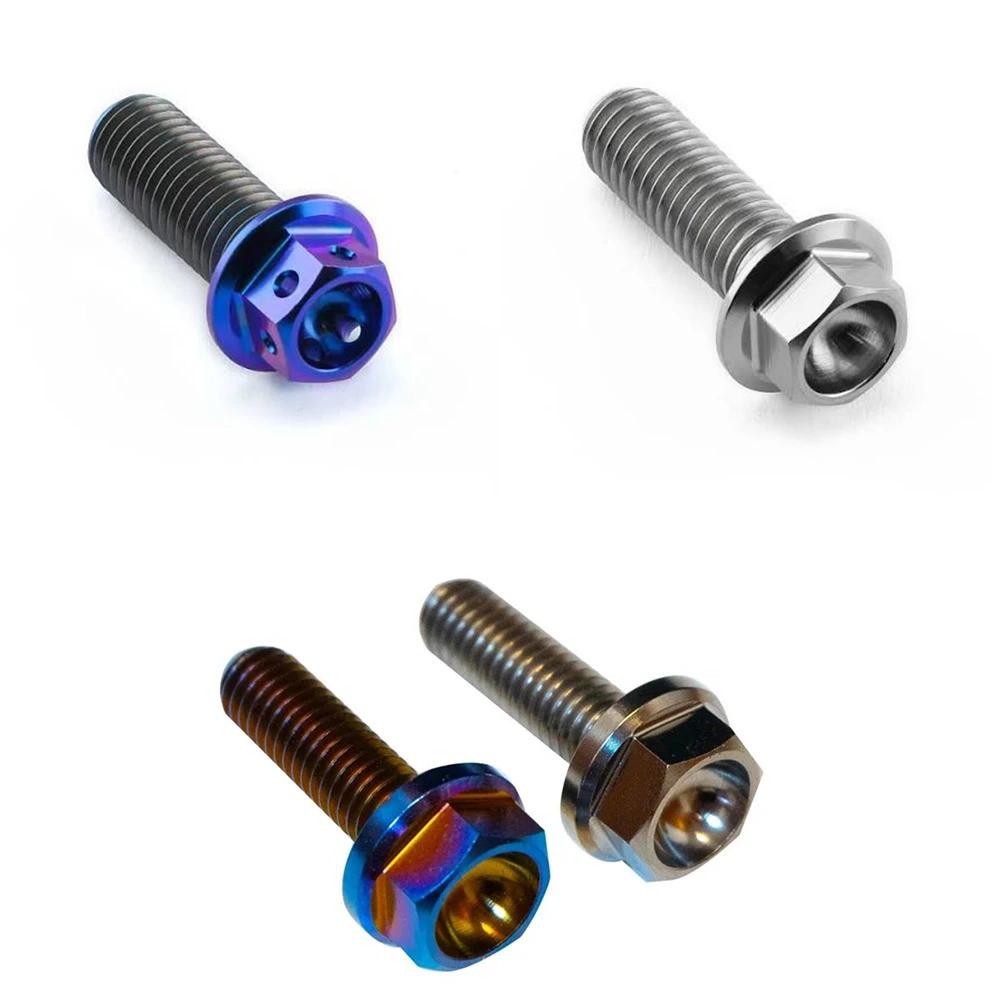
Application
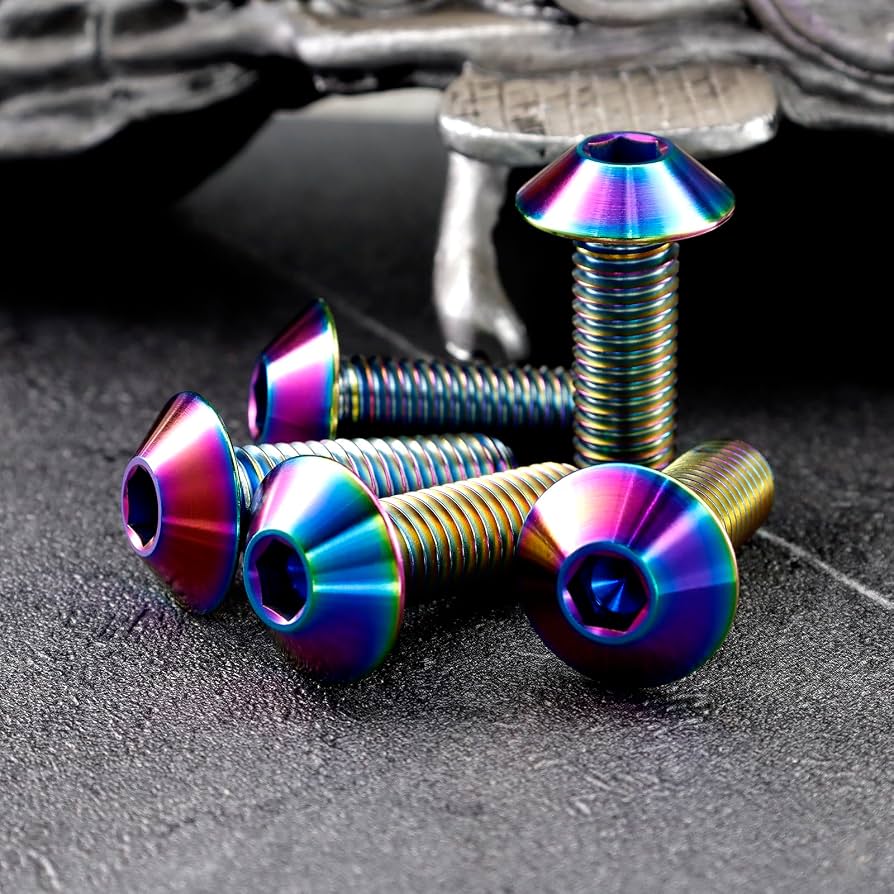
NAVI Titanium offers 6mm titanium bolts for motorcycle assemblies, with 6mm compatibility assessed alongside pitch, length, engagement depth, and joint loading to support appropriate component selection.
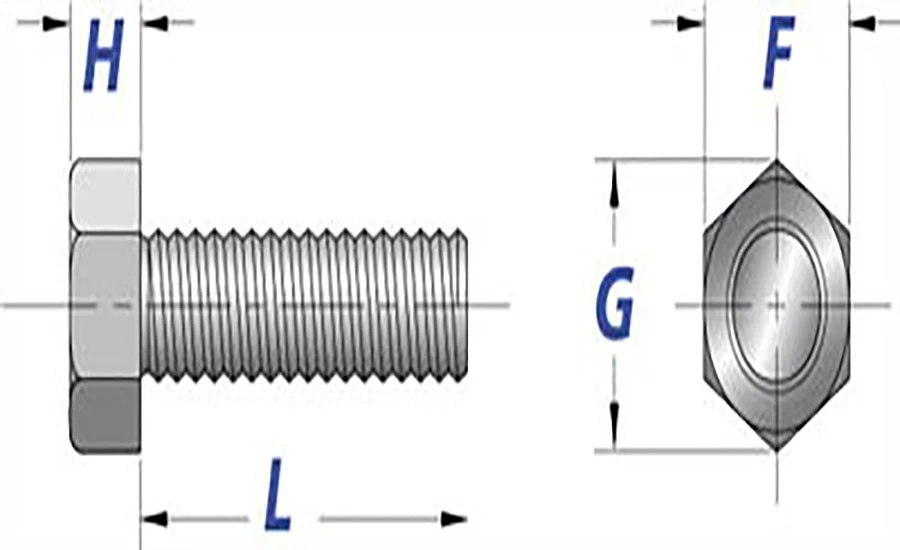
The 6 mm designation identifies the nominal major diameter of an 6mm metric screw, establishing a reference for compatibility with corresponding nuts and tapped mounting points. It does not describe overall length, head diameter, or tool engagement. For the common M6 × 1.0 configuration, the axial advance is 1.0 mm per complete revolution; alternative pitches must be identified separately to prevent mismatched engagement. Because production tolerances permit controlled variation, an actual diameter reading need not equal precisely 6.000 mm. This distinction is essential when comparing catalog entries or evaluating replacement components for motorcycle assemblies. Selection should therefore consider diameter together with pitch, tolerance class, effective engagement, and the applicable product standard. A 6 mm designation alone cannot establish interchangeability across different head styles or mounting arrangements. Clear specification supports accurate purchasing decisions by separating the nominal diameter from other functional measurements. For technical drawings and procurement schedules, presenting the designation as 6mm, followed by the verified pitch and length, provides a more complete identification for engineering review and assembly planning.
2. Engineering Compatibility for Motorcycle Assemblies

For motorcycle applications, a 6 mm nominal diameter provides an interface reference, while suitability depends on the complete joint design. Potential locations include fairing brackets, instrument supports, and selected accessory mounts, subject to confirmation against the original equipment specification. Diameter alone cannot establish allowable load, vibration resistance, or an appropriate tightening torque. These depend on alloy grade, mechanical properties, engagement depth, bearing contact, lubrication, and the strength of the receiving component. Length selection must accommodate the clamped stack and adequate engagement without bottoming in a blind hole or interfering with adjacent parts. Head profile and tool access also influence installation practicality, particularly around compact brackets and recessed mounting points. Where repeated vibration occurs, the retention method should follow an approved assembly procedure. Torque values intended for a different alloy or friction condition should never be transferred solely because both components carry an 6mm designation. A complete product listing should connect the 6 mm diameter with verified mechanical data and application guidance, enabling informed evaluation before installation on the intended motorcycle.
Purchasing guide
Quality control (QC)
For 6mm components, a nominal diameter of 6 mm establishes the reference for dimensional verification. NAVI Titanium records can confirm measured major diameter, pitch, and applicable tolerances against standards, while titanium bolt factory chemical and mechanical data support alloy identification and engineering evaluation.

Manufacturing Process
Production of 6mm components begins with certified alloy bar, followed by precision machining to establish the head profile, shank diameter, and specified length. The nominal 6 mm designation refers to the external thread's major diameter; its permitted limits depend on the selected tolerance class. For the common M6 × 1.0 configuration, a 1.0 mm pitch governs axial advance per revolution. Thread rolling or cutting is selected according to the approved manufacturing route, with process allowances calculated to achieve the specified crest and root profile. Controlled root radii and smooth transitions beneath the head help reduce stress concentration. Deburring, cleaning, and calibrated gauging then verify engagement compatibility and conformity with the approved drawing.
6mm Contact and Length Control
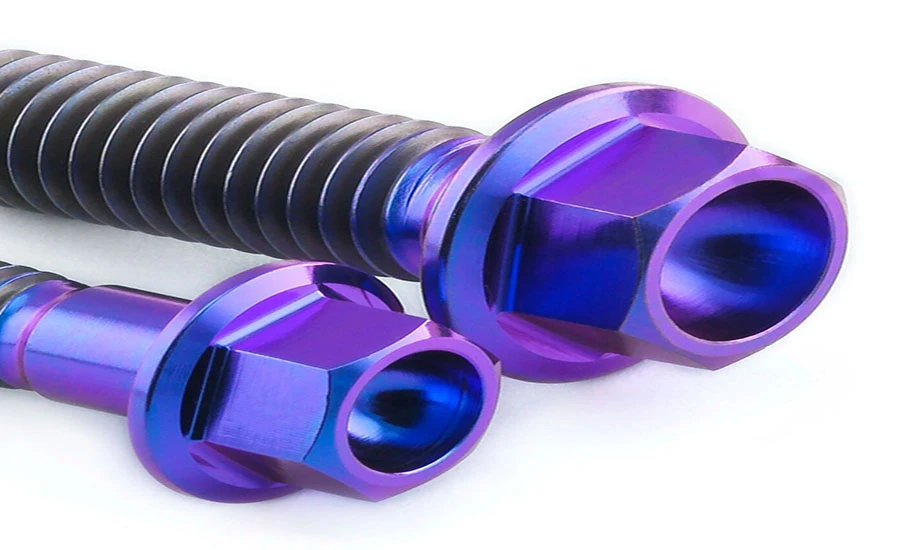
For 6mm components, the contact face beneath the head influences how tightening force transfers into a washer or mounting seat. Buyers should evaluate flatness, edge cleanliness, and bearing diameter together, because the nominal 6 mm designation alone does not establish seating compatibility. A flat bearing face promotes consistent contact, while residual burrs can create local high spots, mark adjacent parts, or interfere with stable seating. Where a washer is used, its opening must clear the shank transition, and its supporting area must suit the head profile. Recessed seats also need sufficient clearance around the head and its underside radius. NAVI Titanium evidence includes an approved drawing, stated flatness limits where applicable, and acceptance criteria for burr removal. For motorcycle brackets and accessory mounts, these details help buyers compare alternatives beyond appearance. Presenting verified bearing measurements alongside 6mm identification gives distributors and workshop purchasers a clearer basis for checking washer compatibility, assessing seating conditions, and selecting components for the intended joint without relying on nominal diameter as the only selection criterion.
Clear Length Identification
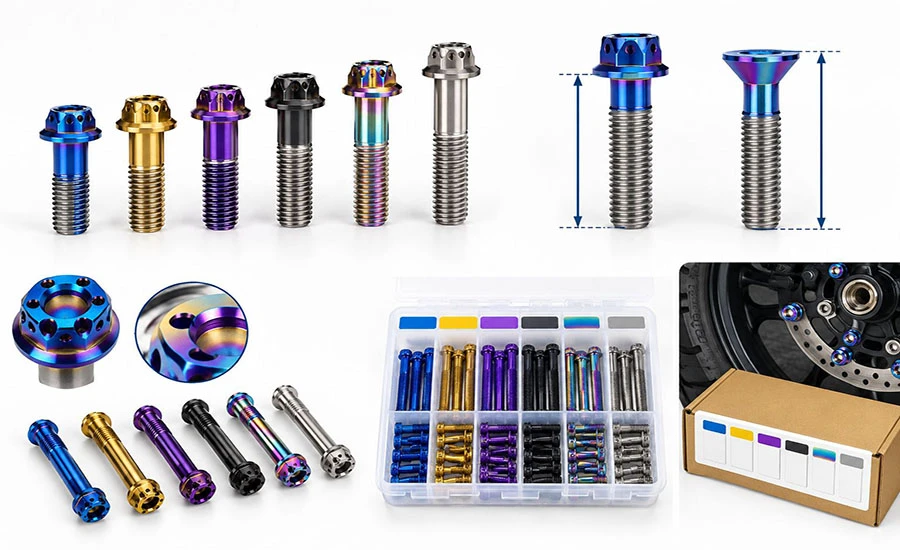
Within an 6mm assortment, adjacent lengths can look almost identical, particularly when the head style and finish are shared. Clear identification therefore helps purchasers reduce selection errors during receiving, inventory allocation, and workshop issue. Length references should follow the applicable head convention: measurement generally starts beneath a protruding head, whereas countersunk designs commonly include the head in the stated length. Buyers benefit from prominent length values, distinct stock codes, and separated storage positions for closely spaced options such as 20 mm and 22 mm. Labels should pair 6mm with the verified length rather than use diameter alone. Where colour cues are adopted, printed values should remain the primary reference, since lighting and finish variation can affect recognition. Order schedules, picking records, and delivery documents should repeat the same identifiers. For motorcycle service teams, this approach supports accurate replenishment and helps prevent excessive projection, inadequate engagement, or bottoming in blind holes. A comparison table can connect every available length with its matching code, measurement convention, and intended purchasing reference for clarity.
6mm Procurement Specifications
A complete 6mm designation helps purchasing teams identify the intended component before quotation, order approval, and inventory allocation. In the example M6 × 1.0 × 20 mm, 6mm indicates a nominal major diameter of 6 mm, 1.0 identifies the pitch in millimetres, and 20 mm states the nominal length. These values should appear in separate catalogue fields as well as a consistent combined description, allowing buyers to compare offers without interpreting incomplete shorthand. Length must follow the applicable head convention, since protruding heads and countersunk designs use different measurement references. For motorcycle distributors and maintenance contractors, head style, drive type, alloy grade, and tolerance class should accompany the designation where relevant. Repeating the same specification across quotations, purchase orders, drawings, and stock records reduces ambiguity between commercially similar entries. A dedicated stock code for every verified combination also supports repeat purchasing and reconciliation. NAVI Titanium documentation gives procurement personnel a practical basis for checking compatibility while keeping diameter, pitch, and length clearly distinguishable throughout internal reviews and subsequent supplier communications.

Pitch Options

For 6mm purchasing, the conventional coarse pitch is 1.0 mm, meaning axial advance equals 1.0 mm during one complete revolution in a matching connection. Buyers should see this value explicitly rather than infer it from the nominal 6 mm diameter. Any alternative pitch should occupy a separate catalogue entry, carry a distinct stock code, and be confirmed against the receiving component before order release. A finer pitch cannot be treated as interchangeable with the conventional option merely because both share an 6mm designation. Incorrect pairing can cause resistance during installation, damage the mating features, or prevent adequate engagement. For motorcycle wholesalers and workshop networks, quotation templates should therefore include a mandatory pitch field and flag deviations from the standard offering. Supplier acknowledgements should repeat the selected value, while warehouse labels should preserve the same distinction. Where original equipment information is incomplete, buyers should obtain technical confirmation before selecting an alternative. Clear pitch identification supports accurate sourcing, reliable replenishment, and consistent communication across procurement, inventory management, and service operations involving motorcycles.
6mm Selection and Compatibility
Selecting 6mm titanium bolts begins with measuring the original component rather than assuming interchangeability from diameter alone. NAVI Titanium recommends recording major diameter, pitch, length, head profile, and seating configuration against the approved drawing. Identical 6mm designations can conceal differences in head diameter, shank proportions, and engagement length. Measurements should distinguish overall reach from usable engagement, especially where washers, recessed seats, or plain shank sections alter the installed relationship.
| Check |
|
| Original component | Confirm diameter, pitch, length, head profile, and seat using instruments. |
| 6mm variants | Compare head diameter, head height, and engaging length; nominal diameter cannot establish equivalence. |
| Blind holes | Verify usable depth and tip clearance; exclude incomplete internal grooves from effective engagement. |
| Rear clearance | Check projection against adjacent parts throughout the full movement range. |
| Washer thickness | Recalculate engagement after adding washers; preserve adequate purchase without causing bottoming. |
| Countersunk seats | Match included angle, head diameter, and recess depth to prevent edge loading. |
Confirm every interface before substitution to reduce purchasing errors and support motorcycle assembly.
FAQ
1. How can engineering support help confirm 6mm compatibility?
-
Compatibility assessment should compare the original component's diameter, pitch, length, head profile, and seating arrangement with the proposed replacement.
2. How does the production route affect performance in vibration-prone locations?
-
Machining accuracy, underhead transitions, burr removal, and the method used to create the helical profile can influence seating consistency and fatigue behaviour. For repeatedly loaded joints, request evidence relevant to the selected production route and alloy grade.
3. Which alloy properties matter when selecting 6mm components for motorcycle use?
-
Evaluate proof strength, fatigue behaviour, elastic modulus, corrosion compatibility, and susceptibility to galling. A stronger alloy does not automatically provide a suitable replacement, particularly when engaging an aluminium housing.
4. What should a technical parameter database include for accurate replacement selection?
-
Useful records include nominal diameter, pitch, length, head diameter, head height, drive type, engagement length, and seating angle where applicable. Application records should also identify washer thickness, usable blind-hole depth, and rear clearance.
5. How can manufacturing records support repeat orders for workshop networks?
-
A manufacturing database can link revision-controlled drawings with alloy certification, machining routes, gauging results, and relevant mechanical test reports.
Hot Tags: 6mm titanium bolts, China 6mm titanium bolts manufacturers, suppliers, factory