


A titanium anode for water softening device is an electrochemical electrode used in water-treatment equipment where controlled electrode reactions contribute to the overall softening process. It generally consists of a titanium base with a catalytic coating selected for the intended electrochemical conditions. The exact substrate grade, coating composition, active area and connection design depend on the system requirements.
In common electrochemical precipitation softening systems, hardness removal is mainly associated with precipitation reactions near the cathode. The titanium anode participates in complementary oxidation reactions rather than directly adsorbing calcium and magnesium ions. Therefore, anode selection must consider the complete electrode assembly, water chemistry and operating conditions instead of evaluating the anode as an independent softening unit.

1. When Is This Electrode Suitable for Your Equipment?
This electrode type is worth evaluating when an equipment manufacturer is developing an electrochemical softening module, a system integrator is matching electrodes with an existing reactor, or a maintenance contractor needs a replacement for an installed unit. Industrial users may also assess it for circulating-water treatment where hardness control, maintenance intervals and operating costs are important.
It should not be confused with a conventional ion-exchange resin softener, whose principal hardness-removal mechanism is different. An auxiliary disinfection electrode may also require a different coating and operating specification. Confirm the intended reaction and equipment design before requesting a quotation.
2. Water Quality and Operating Conditions for Selection
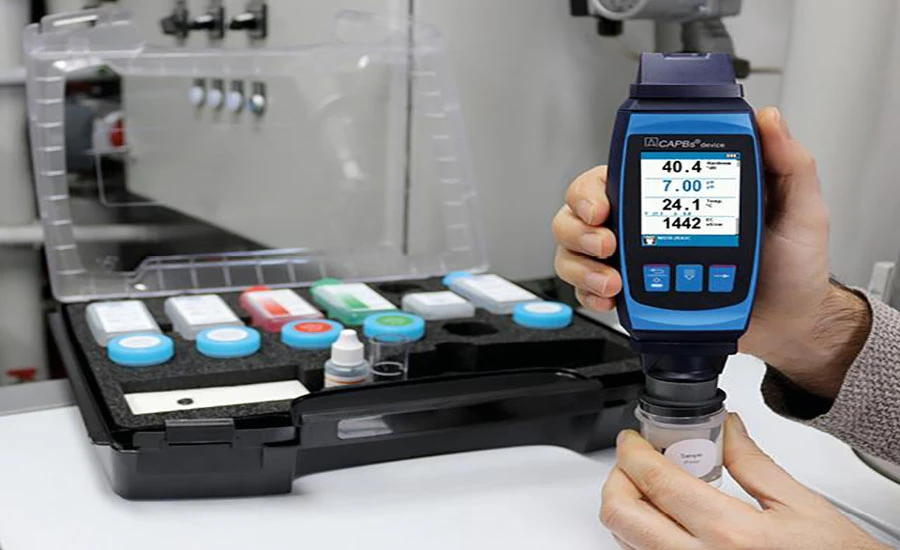
Water chemistry affects electrode reactions, scale formation and maintenance requirements. Buyers should provide total hardness, calcium hardness, magnesium concentration, pH, conductivity, alkalinity, chloride, sulfate and total dissolved solids where available. Suspended solids, iron, manganese, silica, oil and organic contaminants may also influence system performance.
For a titanium anode for water softening device, operating information is equally important: water temperature, flow rate, pressure, continuous or intermittent operation, power supply and target outlet hardness. A municipal-water application may differ substantially from a groundwater or recirculating-water system. A recent water analysis and the intended treatment target offer a more reliable basis for selection than hardness alone.
| Selection factor | Information to confirm | Why it matters |
| Water chemistry | Hardness, pH, conductivity, alkalinity, chloride | Establishes the operating environment |
| Water source | Municipal, groundwater, circulating or mixed supply | Identifies possible changes in water composition |
| Operating conditions | Temperature, flow, pressure, duty cycle | Defines the expected service conditions |
| Treatment target | Outlet hardness, flow capacity, maintenance interval | Establishes measurable acceptance criteria |
| Existing equipment | Reactor drawing, power-supply data, electrode photos | Reduces compatibility uncertainty |
3. Common Forms and Equipment Compatibility
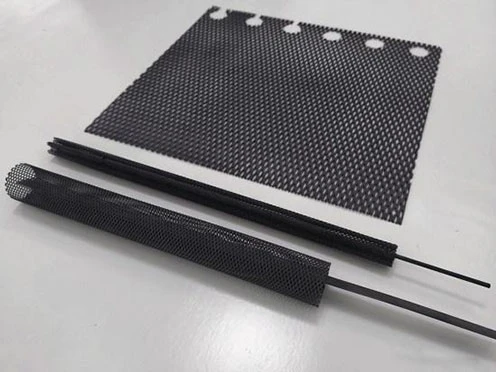
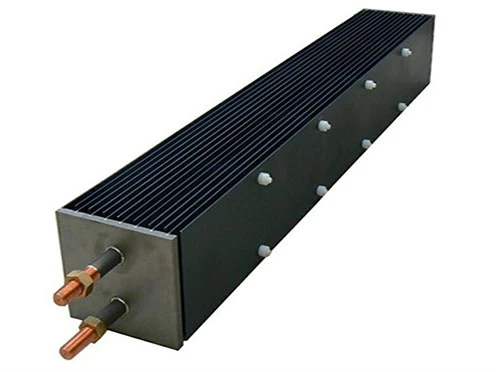
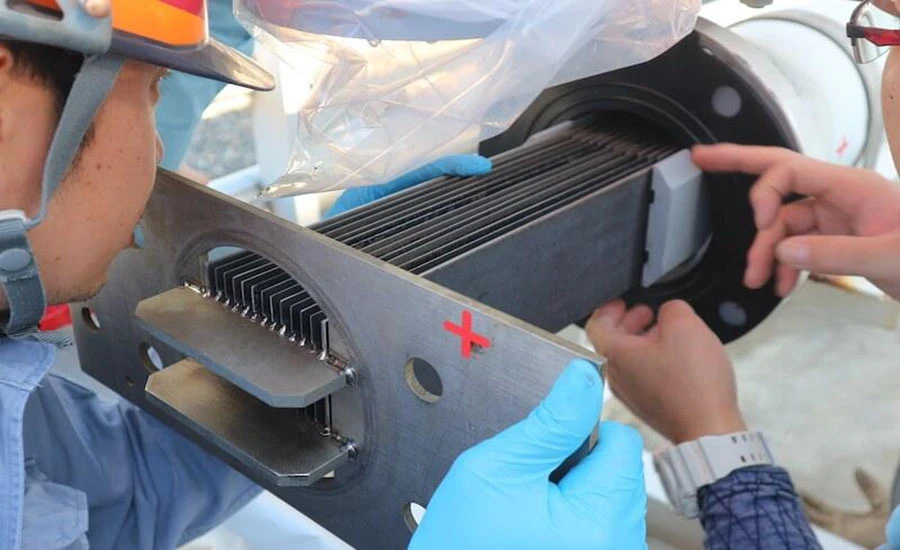
Plate, mesh and tubular configurations may be considered according to the equipment design and the supplier's actual manufacturing range. Plate electrodes require checks on flatness, thickness and hole positions. Mesh designs need defined mesh openings, open-area ratio, frame dimensions and support points. Tubular designs require confirmation of diameter, straightness, end connections and the intended active surface.
Compatibility extends beyond the electrode's overall dimensions. Buyers should confirm immersion depth, coated area, inactive connection zones, electrode quantity, spacing, insulation and water-flow direction. The available extraction path and maintenance opening should also be checked so that replacement can be completed without unnecessary dismantling.
NAVI Titanium can assess drawing-based requirements for titanium anodes, including dimensions, active-area boundaries and connection details, subject to the available process and agreed technical specifications. Providing photographs of the existing electrode alongside a dimensioned drawing can reduce uncertainty during replacement procurement.
4. Substrate, Coating and Electrical Connections
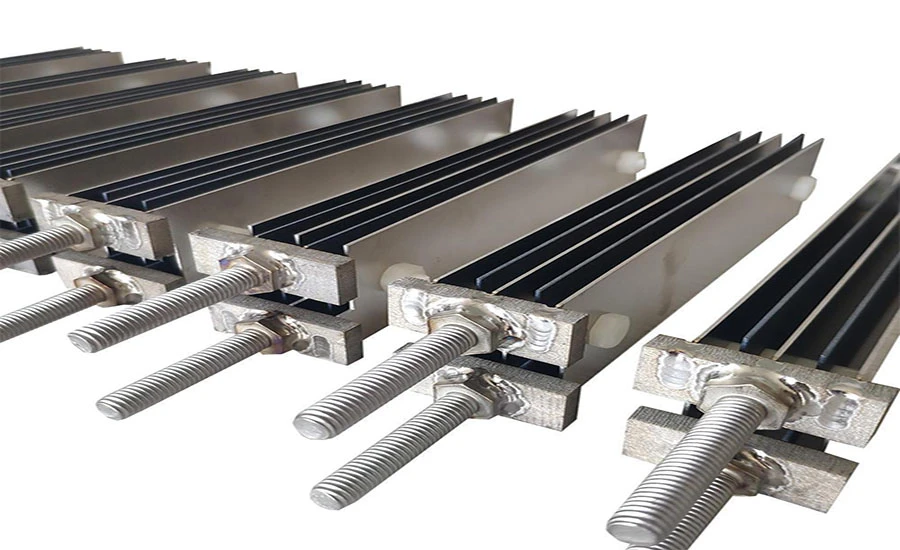
The substrate grade and coating system should be selected according to the intended electrode reaction, electrolyte composition, current density and cleaning procedure. Procurement specifications for a titanium anode for water softening device should identify the titanium grade, applicable material standard, coating type and required coating coverage. Single-sided, double-sided and locally coated configurations may require different installation arrangements.
Electrical compatibility also needs explicit verification. Confirm the rated current, allowable operating range, effective area used for current-density calculations and the connection interface. Electrode test voltage must not be confused with the operating voltage of the complete reactor. Constant-current, constant-voltage or pulsed operation should be reviewed against the electrode specification rather than assumed compatible.
| Specification | Details to confirm before ordering |
| Titanium base | Grade, material standard and certificate availability |
| Coating | Catalytic composition and intended reaction |
| Active area | Coated faces, immersion depth and inactive zones |
| Electrical rating | Current, current density and operating conditions |
| Connection | Terminal, conductive rod, connector plate or threaded interface |
| Traceability | Product identification and corresponding inspection records |
5. Cleaning, Polarity Reversal and Service Life
Cleaning requirements depend on scale composition, coating chemistry and the electrode assembly. Before ordering, confirm whether maintenance will involve manual cleaning, online cleaning or removal of the electrode module. Any cleaning agent should have an agreed concentration, contact time and rinsing procedure. Abrasive tools or unapproved chemicals may damage the active surface.
Polarity reversal must be treated as a separate technical requirement. A coating suitable for unidirectional operation should not automatically be considered suitable for frequent reversal. The permitted reversal sequence, cycle frequency and durability should be confirmed and validated under representative operating conditions.
Service-life estimates are meaningful only when linked to water quality, current density, daily operating hours, cleaning frequency and reversal practices. Track voltage increases, coating condition and changes in system performance to establish a replacement threshold. Recoating may be worth assessing for certain used electrodes, but feasibility depends on the condition of the titanium base, connection areas and remaining coating.
6. Quality Control, Packaging and Delivery
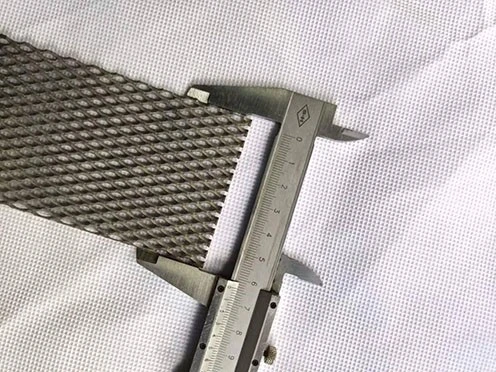
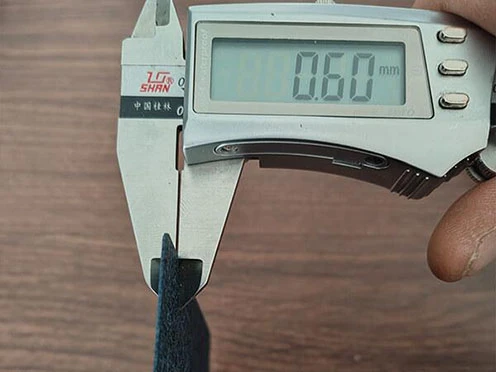
Before shipment, verify the drawing revision, model, quantity, overall dimensions, mounting-hole positions and electrical interfaces against the approved order. Inspection of a titanium anode for water softening device should also cover the active-area boundaries, coating appearance, edges, welds, connections and relevant flatness or straightness requirements. Agreed electrical or performance tests should be recorded against the applicable acceptance criteria.
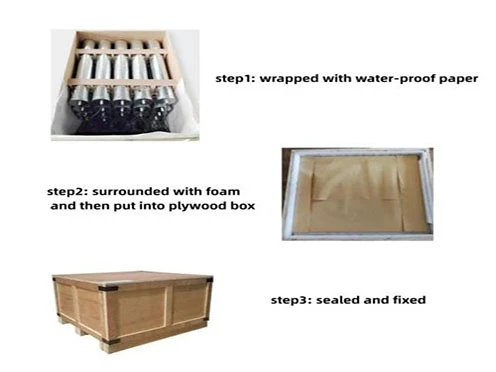
Coated electrodes need packaging that limits abrasion, impact and contact between individual parts. Protective separators, suitable internal supports and stable outer cartons can reduce movement during handling and transit. Packaging should preserve access to identification labels and prevent small accessories from being mixed with different electrode models.
| Procurement checkpoint | Recommended verification |
| Before production | Approved drawing, coating specification and connection details |
| Before dispatch | Dimensions, surface condition and agreed test results |
| Documentation | Material certificate, inspection report and certificate of conformity, as applicable |
| Packaging | Surface protection, separation, immobilization and model labels |
| After receipt | Quantity, transit damage, identification and dimensional conformity |
7. RFQ Checklist: Information to Send Your Supplier
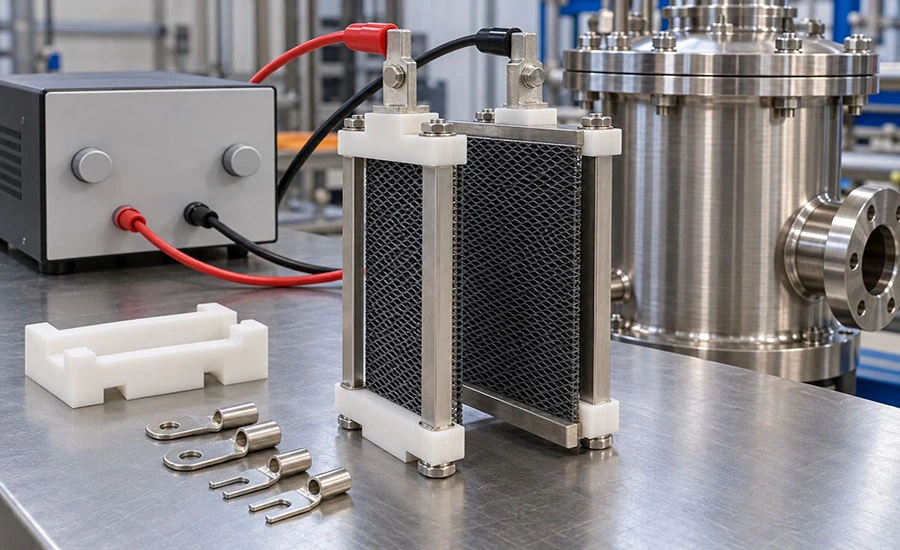
A complete inquiry allows suppliers to assess technical compatibility before quoting. For a replacement project, include the original part number or photographs showing the electrode and its connections. For new equipment, provide the reactor drawing and intended operating conditions.
When contacting NAVI Titanium, prepare the following information wherever available:
- Application and target water-softening process.
- Water analysis, inlet hardness and target outlet hardness.
- Flow rate, temperature, pressure and operating schedule.
- Power-supply parameters, current and intended electrode reaction.
- Electrode dimensions, active area, spacing and connection method.
- Required coating specification and cleaning or reversal conditions.
- Quantity, sample requirements, inspection documents and delivery schedule.
These details establish a clearer basis for technical review, sample approval and repeat purchasing. Final specifications should be confirmed against the actual equipment and validated operating conditions before production begins.



