


Electric dirt motorcycles have changed the way riders think about off-road performance. With fast torque delivery, almost-silent motors and tiny powertrains, these machines need gear that can keep up. One enhancement that's gradually gained popularity among e-dirt bike aficionados is the replacement of the stock fasteners with titanium bolts. That seems like a tiny thing, but there's more thinking behind it than most riders would guess.
What Makes Electric Dirt Bikes Different for a Titanium Bolt Upgrade?
The Role of Weight in an Electric Powertrain
Electric dirt motorcycles include engine assemblies and battery packs that put concentrated mass in certain areas. Unlike combustion engines, e-bike drivetrains have a low and centralized weight distribution of mechanical components. Every gram you save at the extremities – bodywork, suspension mounts, wheel assemblies – has a proportionately higher effect on the bike's handling.
A titanium bolt is around 40 to 45 percent lighter than a similar steel fastener, but has the tensile strength for most motorbike attachment places. Real, verifiable weight savings may be had by replacing dozens of steel bolts on fairings, footpeg brackets and axle hardware with other fasteners.
Corrosion Resistance in Trail Conditions
Fasteners for trail riding are subject to dirt, standing water, road salt residue and frequent temperature changes. Steel hardware can corrode over time and seized fasteners are a regular headache in maintenance.
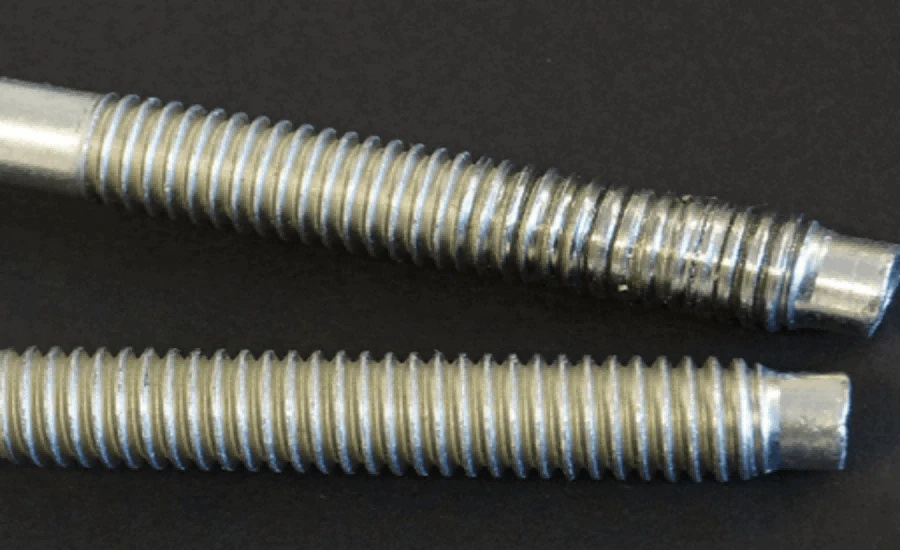
Titanium has a naturally occurring oxide film that offers reliable corrosion resistance over a broad variety of environmental conditions and little danger of surface deterioration at threaded joints. For riders who routinely take their motorcycles across challenging terrain, increased resilience means less maintenance and a longer service life for each fastening point.
Unsprung Weight and Why a Titanium Bolt Matters There
Understanding Unsprung Mass on a Dirt Bike
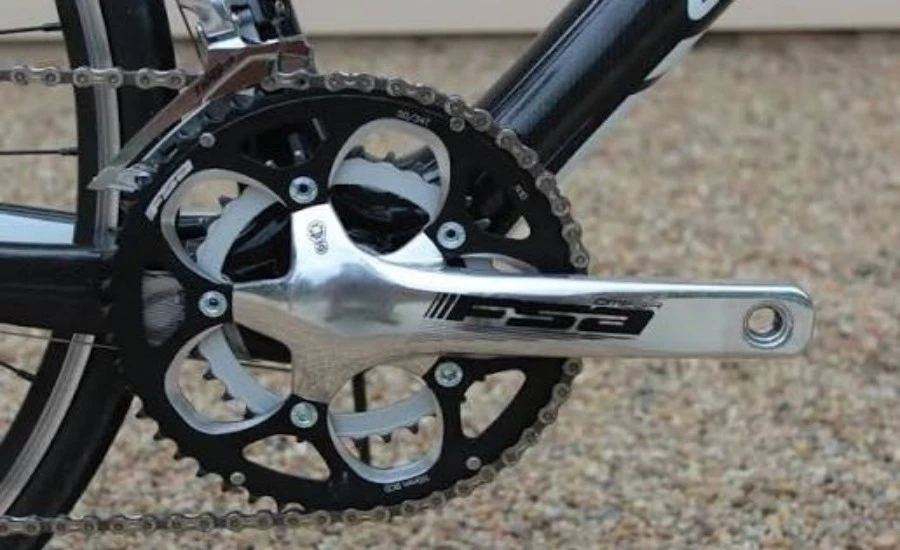
Unsprung weight is the weight not supported by the suspension. This consists of the wheels, the brake assemblies, the axles and the hardware that holds it all together. The larger the unsprung mass, the more energy the suspension must expend to regulate it, hence this is of great interest to suspension engineers, and to performance riders. Excessive unsprung mass over uneven terrain means the tire does not follow the contour of the ground as closely, which directly impacts traction and rider confidence.
One of the best methods to enhance suspension responsiveness without changing spring rates or damping settings is to reduce unsprung weight. Replacing the steel fasteners at the wheel hubs, brake caliper mounts and axle pinch points with a titanium bolt decreases unsprung mass most at the spots where it most affects suspension behavior.
Where Titanium Fasteners Have the Greatest Effect?
The advantage of lightweight fasteners is greatest at wheel hubs, sprocket carriers, rotor mounts, and suspension linkage components. These are at or near the borders of the unsprung area. For example, a titanium fastener utilized at a rotor mount is located on the outside edge of the wheel assembly where rotational mass is also a consideration. If you are more into suspension feel and cornering accuracy, you will tend to target those particular areas for titanium enhancements, rather than making across-the-board adjustments to the whole bike.
How a Titanium Bolt Affects Acceleration Feel on an E-Dirt Bike
Rotational Mass and Electric Torque
An electric motor produces its maximum torque from a standstill, therefore the powertrain is more sensitive to changes in rotating mass than a gasoline engine at low rpm. The lower the mass to spin -- sprockets, rotors, wheel assemblies -- the less time it takes for those components to accelerate. This decrease in spinning mass is due to a titanium bolt utilized throughout the wheel and drivetrain gear. The combined impact may result in a noticeably snappier throttle response that experienced riders can feel in tight technical parts and snappy acceleration zones.
Stiffness Retention at Fastening Points
Common steel grades are replaced with titanium alloys (such as Gr5 (Ti-6Al-4V)) in conventional fasteners, providing a good mix of lower density and preserved rigidity. That is to say, replacing a steel bolt with a titanium one does not induce undesirable flex in key joints.
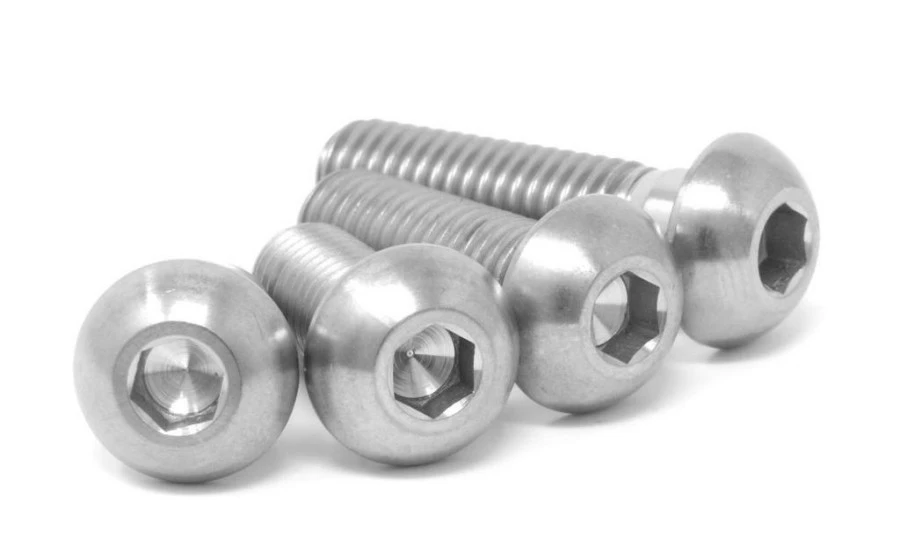
For e-dirt bike riders that go hard in the bumpy stuff or race events where structural consistency counts, this happy medium of low weight and enough stiffness is a real-world benefit, rather than a marketing boast.
Titanium Bolt Sizes Fitted to Surron, Talaria and Super73 Models
Common Thread Specifications Across E-Bike Platforms
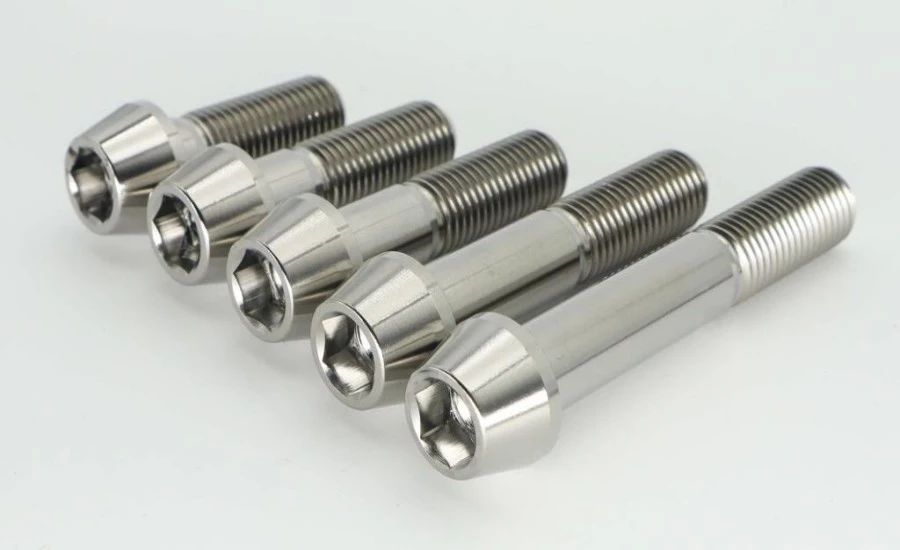
Metric fasteners are used in all of the assemblies of electric dirt bikes and popular e-bike platforms. Most often you see these platforms in M5, M6, M8 and M10 sizes on body panels, engine mounts, suspension linkages and axle hardware. M6 x 1.0 fasteners abound at fairing and bracket sites, while M8 x 1.25 hardware is ubiquitous at footpeg assemblies and chassis connection points. M10 in either 1.25 or 1.5 pitch takes heavier load mounting points such as swingarm pivots and certain suspension joints.
A titanium bolt made to these thread requirements is an easy upgrade for riders and workshop techs as it fits into existing threaded holes without any modification needed.
Matching Grade to Application
Not all attachment points on an electric dirt bike need the same quality of material.
Gr2 commercially pure titanium is a good choice for lesser stress areas such as body panels, guards and cosmetic components where corrosion resistance and weight reduction are the major priorities. Gr5 titanium alloy is used for greater load places like as footpeg mounts, motor brackets and suspension hardware where a measure of mechanical strength is also a consideration. Using the right grade for each application will ensure the fastener functions reliably during the service life of the component.
Which Parts to Replace With a Titanium Bolt First on an E-Dirt Bike
High-Impact Starting Points
First-time titanium upgrade riders commonly question where to start. The answer is dependent on riding style but there are few spots that always provide the most obvious return. At the top of the list are brake caliper mounting bolts, rotor bolts and axle hardware, since they minimize unsprung and rotational mass simultaneously. Next up are the footpeg bracket fasteners, as they are distant from the center of mass and add to the peripheral weight. Body panel hardware like fairing bolts and guard mounts are cosmetically and marginally weight-wise beneficial with little mechanical complexity.
Building a Consistent Fastener Set
Many riders take titanium improvements in stages, changing fasteners one area at a time rather than all at once. Starting with the wheel and brake assembly and proceeding outward to suspension linkage hardware and body panels enables riders to assess the alterations in a systematic way.
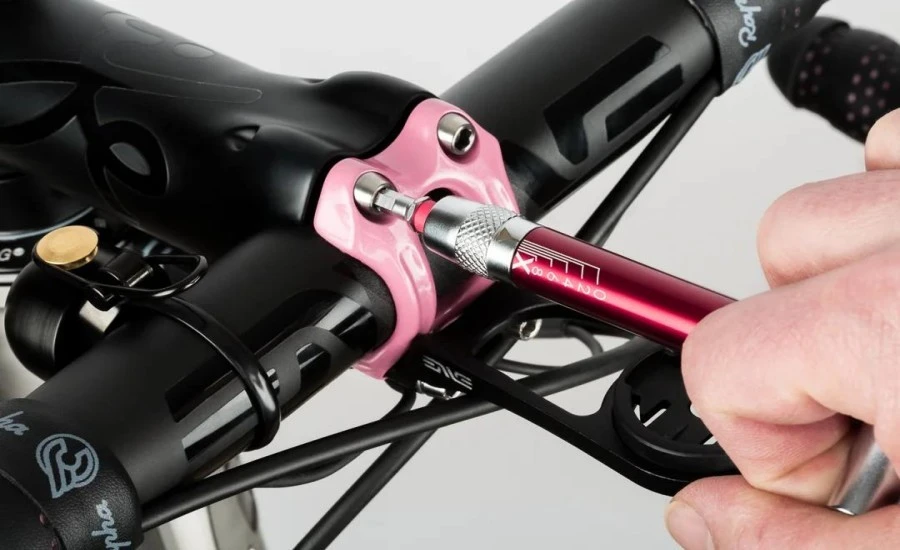
This means that if you have a titanium bolt, you need to use titanium nuts and washers as well . All this is to build a uniform fastener system that will make future maintenance easier and guaranty thread compatibility across the assembly .
Conclusion
Mass management, suspension responsiveness and hardware longevity are all the focus of electric dirt motorcycles, which makes titanium fastener modifications a perfect match. Lower unsprung and rotating weight increases the performance of the suspension and the response of the drive train. It resists corrosion for a longer service life under harsh riding conditions. This is why titanium bolt improvements have become a typical consideration for e-dirt bike riders who wish to squeeze more out of their machine without changing essential parts.
FAQ
1. Q: Does a titanium bolt require a different torque specification than a steel bolt of the same size?
+
-
A: Torque values for titanium fasteners must be modified from steel fasteners of the same thread size. Titanium has a lower elastic modulus, and is prone to galling at threads. Proper lubrication and adherence to the grade-specific torque recommendations for titanium hardware are vital to successful installation.
2. Q: Which titanium grade is most suitable for electric dirt bike suspension hardware?
+
-
A: On electric dirt motorcycles, Gr5 titanium alloy (Ti-6Al-4V) is common to suspension neighboring and greater stress attaching places. Its profile of tensile strength makes it suitable for situations where mechanical loading is a consideration as well as weight reduction.
3. Q: Can titanium fasteners be used alongside existing steel nuts and threaded inserts?
+
-
A: Most of the time, titanium bolts will thread into steel threaded holes and steel nuts. Use titanium nuts and washers as a matched set, when practical, to ensure thread compatibility and minimize potential for galvanic contact in damp or corrosive circumstances.
Get Your Titanium Bolt Quote from NAVI Titanium
NAVI Titanium is an established titanium bolt supplier based in Baoji, China - the recognized center of titanium production. With ISO 9001 certified manufacturing, precision CNC machining capability, and a full range of grades from Gr1 through Gr23, NAVI Titanium delivers fasteners built to your exact thread specification, length, head configuration, and surface finish. Whether you need a small sample batch or a full production run, our engineering team reviews every order for dimensional accuracy and material conformity before shipment. Reach out today to discuss your e-dirt bike fastener requirements and receive a tailored quotation.
📧 Contact us: sales@navititanium.com
References
1. Lutjering, G., & Williams, J. C. (2007). Titanium (2nd ed.). Springer-Verlag Berlin Heidelberg.
2. Boyer, R., Welsch, G., & Collings, E. W. (Eds.). (1994). Materials Properties Handbook: Titanium Alloys. ASM International.
3. ASTM International. (2021). ASTM B348: Standard Specification for Titanium and Titanium Alloy Bars and Billets. ASTM International.
4. Rack, H. J., & Qazi, J. I. (2006). Titanium alloys for biomedical applications. Materials Science and Engineering: C, 26(8), 1269–1277.
5. Dixon, J. R. (2000). Engineering Design: Invention, Analysis and Decision Making. Pearson Education.
6. Society of Automotive Engineers. (2019). SAE J429: Mechanical and Material Requirements for Externally Threaded Fasteners. SAE International.



