

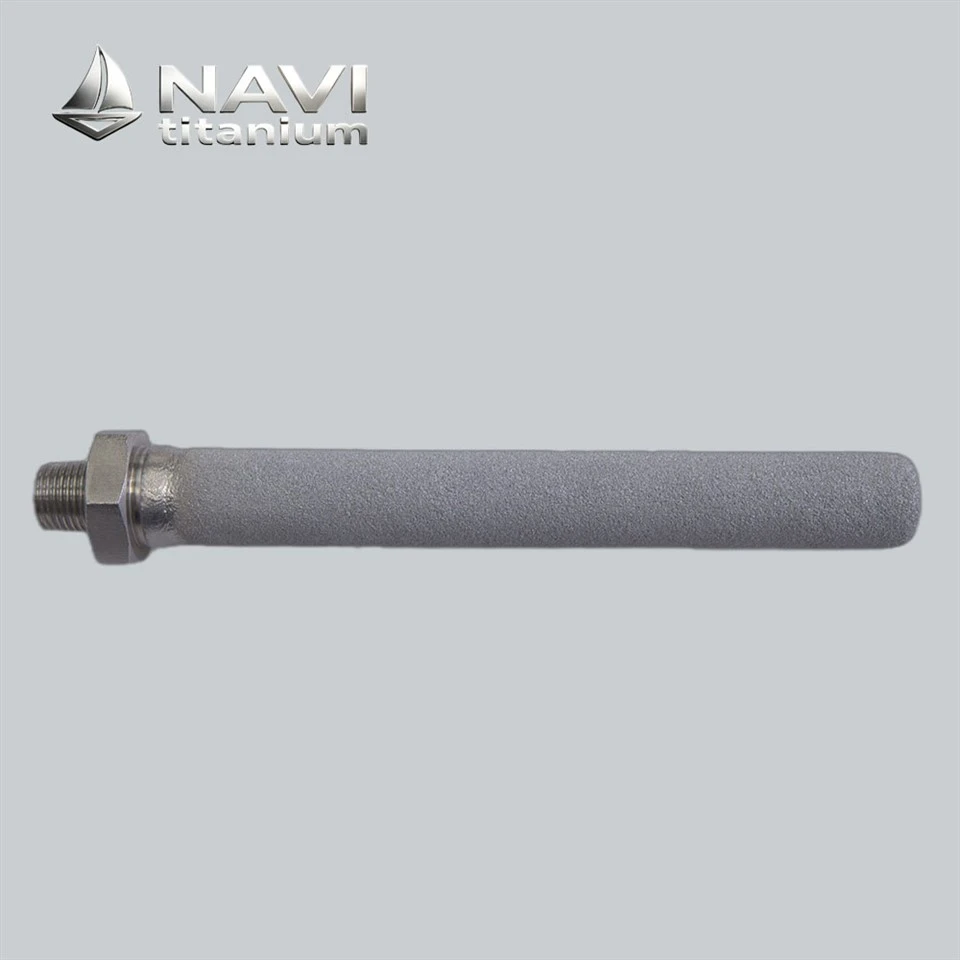
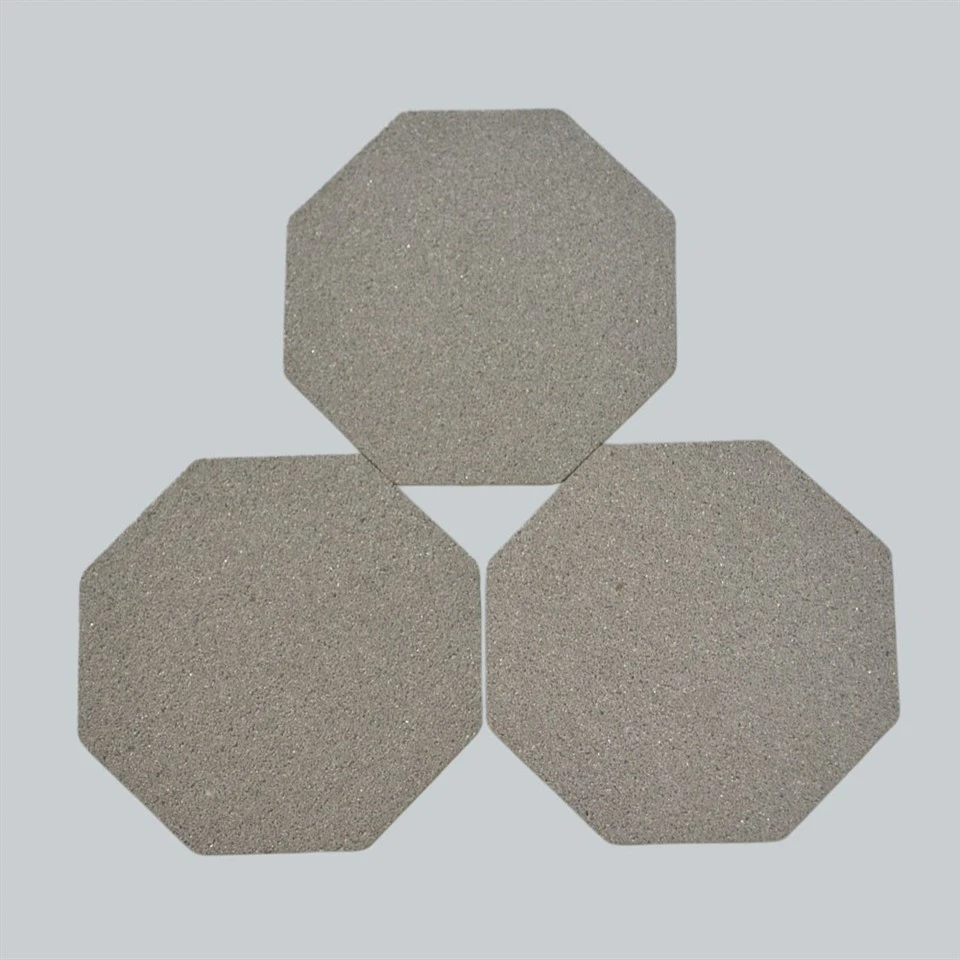
NAVI Titanium defines the pharmaceutical industry medical grade sintered metal stainless steel filter for the pharmaceutical industry as a 316L body whose wall retains particles inside a connected voids network, not on a surface skin. NAVI Titanium treats that body as a validated asset rather than a consumable: one qualified element is cleaned, steam-sterilised and integrity-tested again instead of discarded, moving recurring spend to documented equipment with a serial record. Grades reproduce the qualified geometry from your drawing, so an alternative supplier does not force an additional fresh validation package, and shipments carry papers with the freshly shipped goods, not weeks later.
Solution of NAVI Titanium
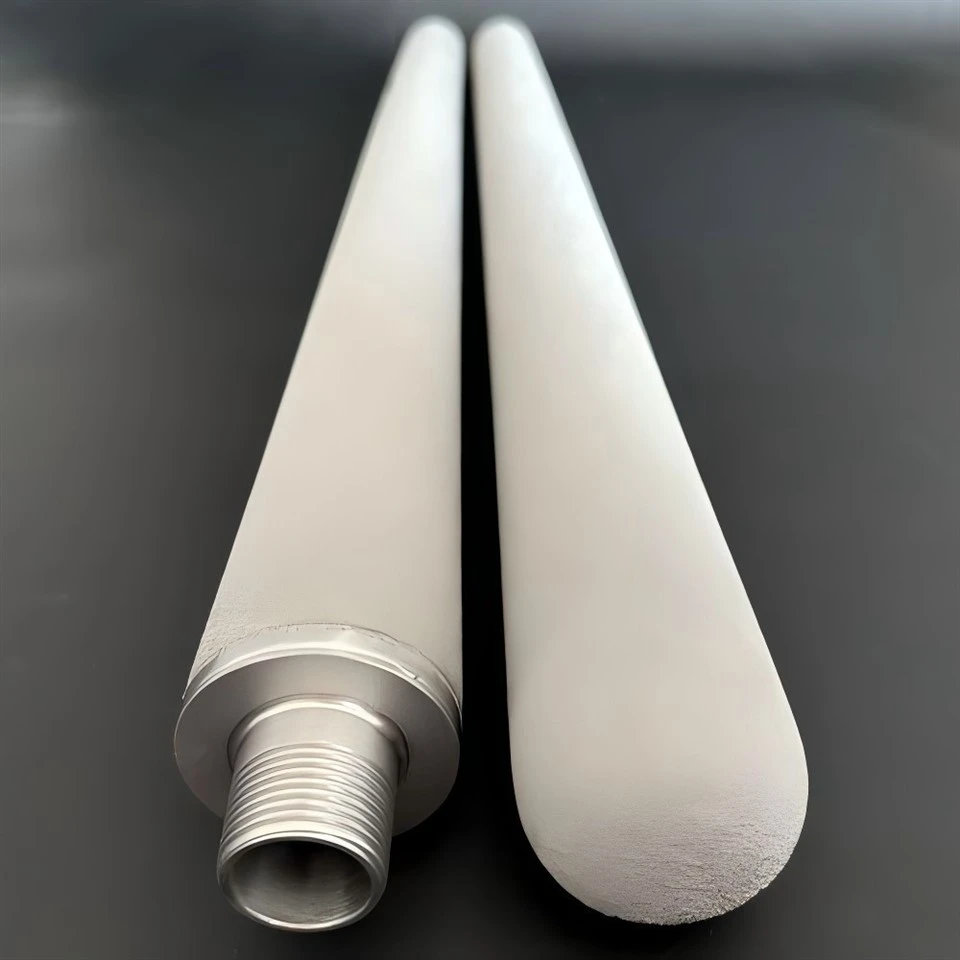
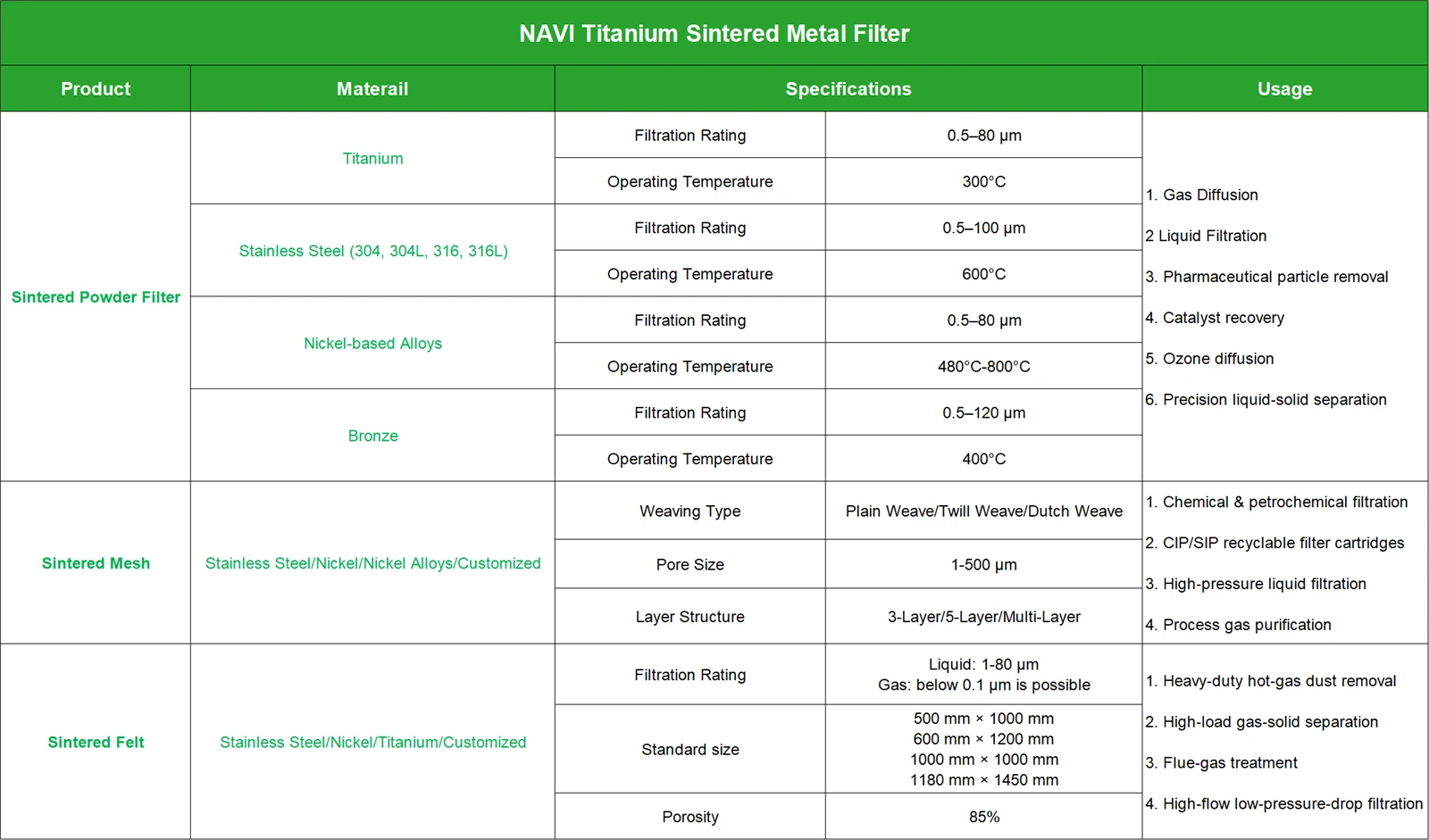
For pharmaceutical duty, NAVI Titanium makes these porous bodies from gas-atomised 316L feedstock consolidated under a recorded vacuum cycle, particles bonded where they touch, with no binder phase, no free fibre and no joint that can part under pressure. It serves precision filtration, electrochemistry, biomedical processing and high-temperature fluid separation, shrugs off acid and alkali attack, and presents a biocompatible contact surface. Voids stay evenly distributed inside a controlled window, which is why retention, air permeability and throughput can be set against your duty rather than taken from a catalogue. Where process chemistry rules 316L out, titanium and nickel alloys are sintered on the same line.


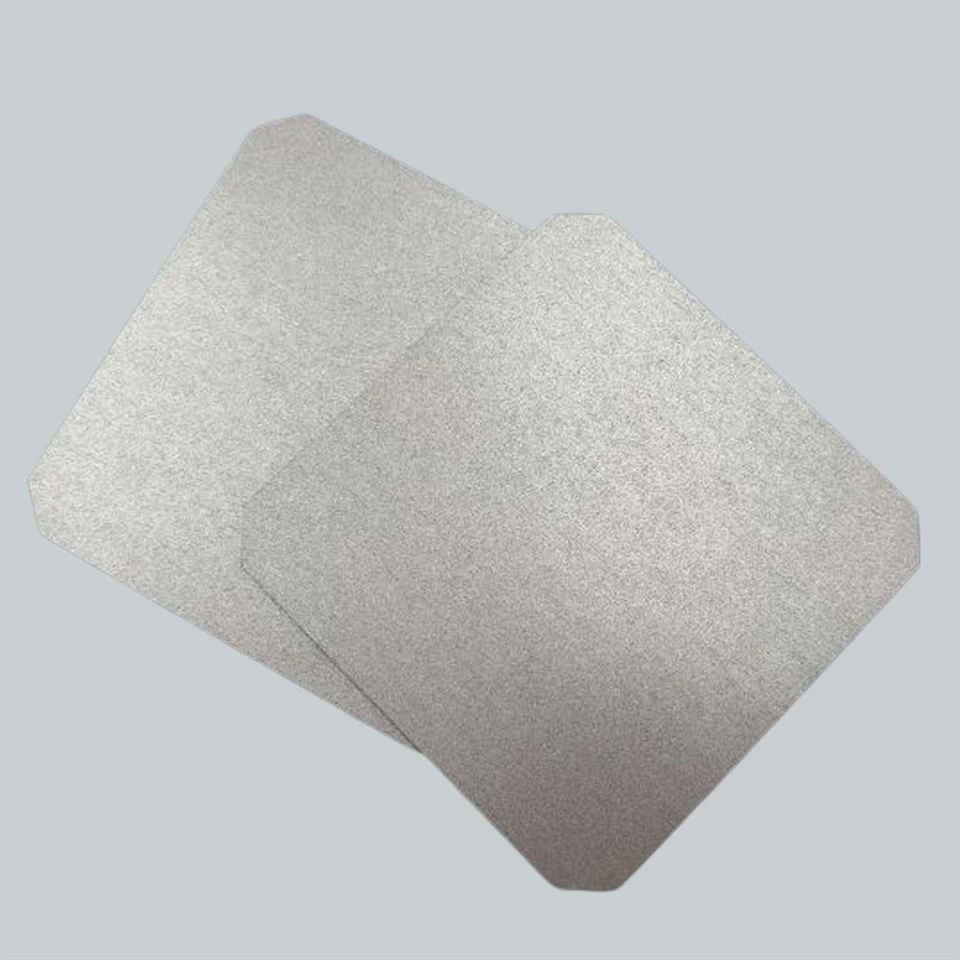
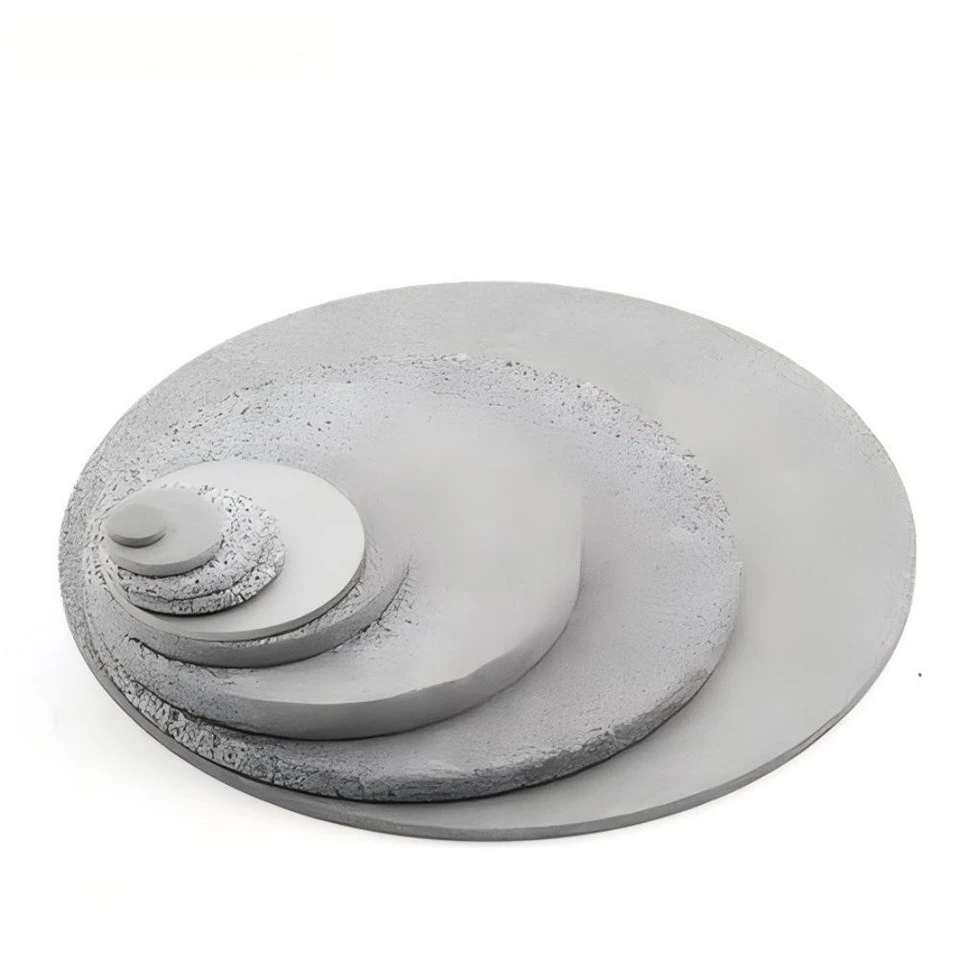
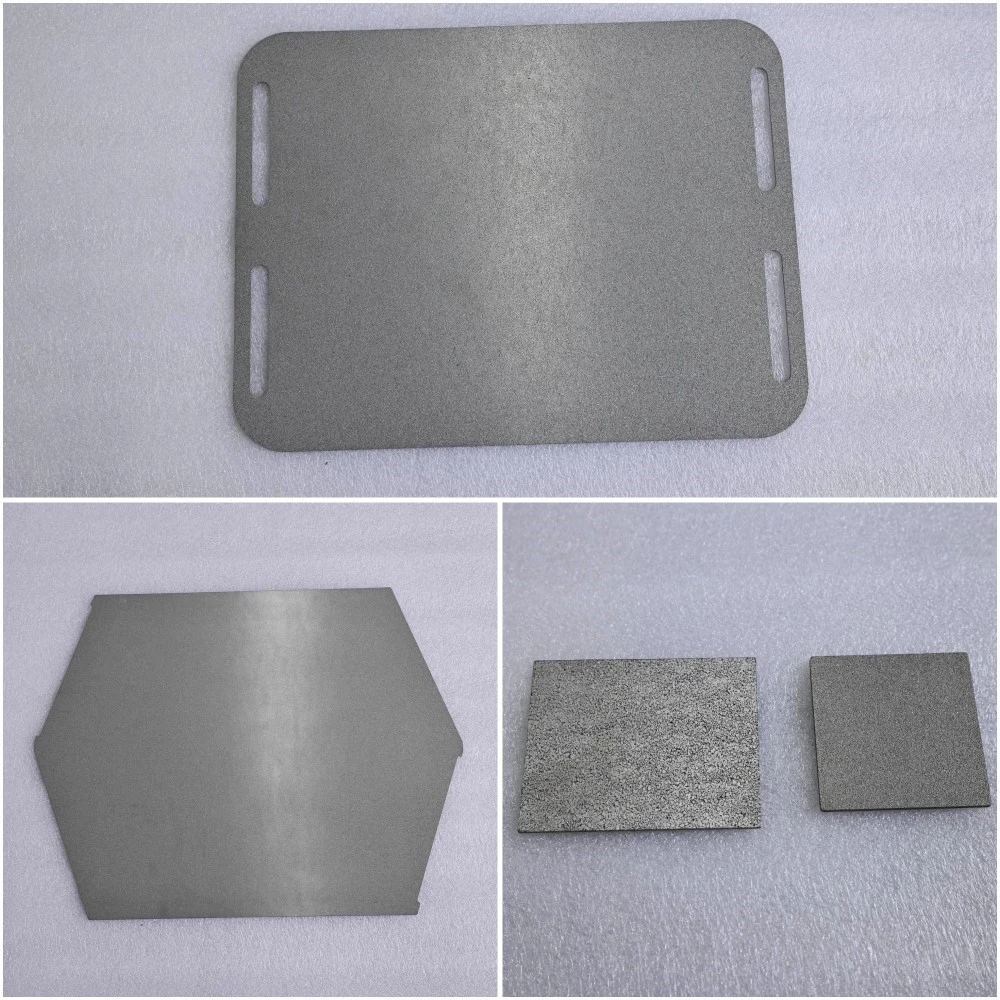
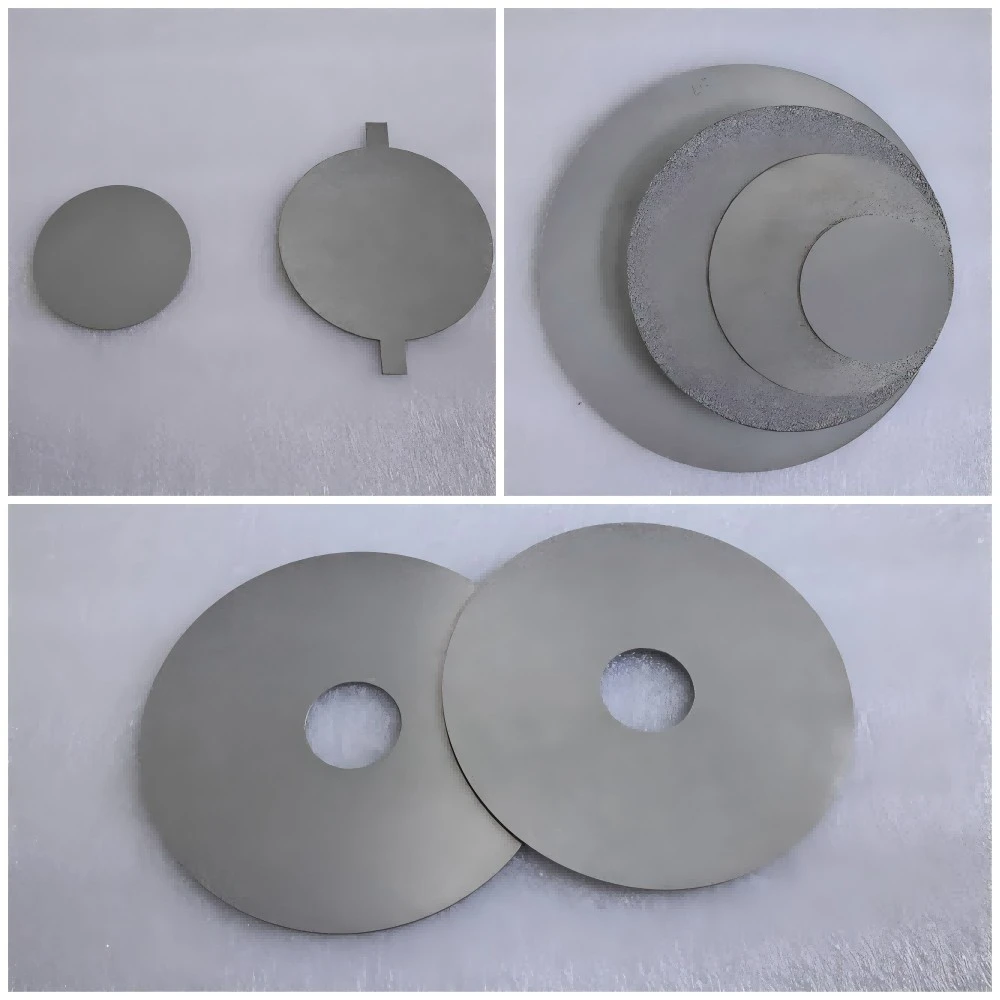
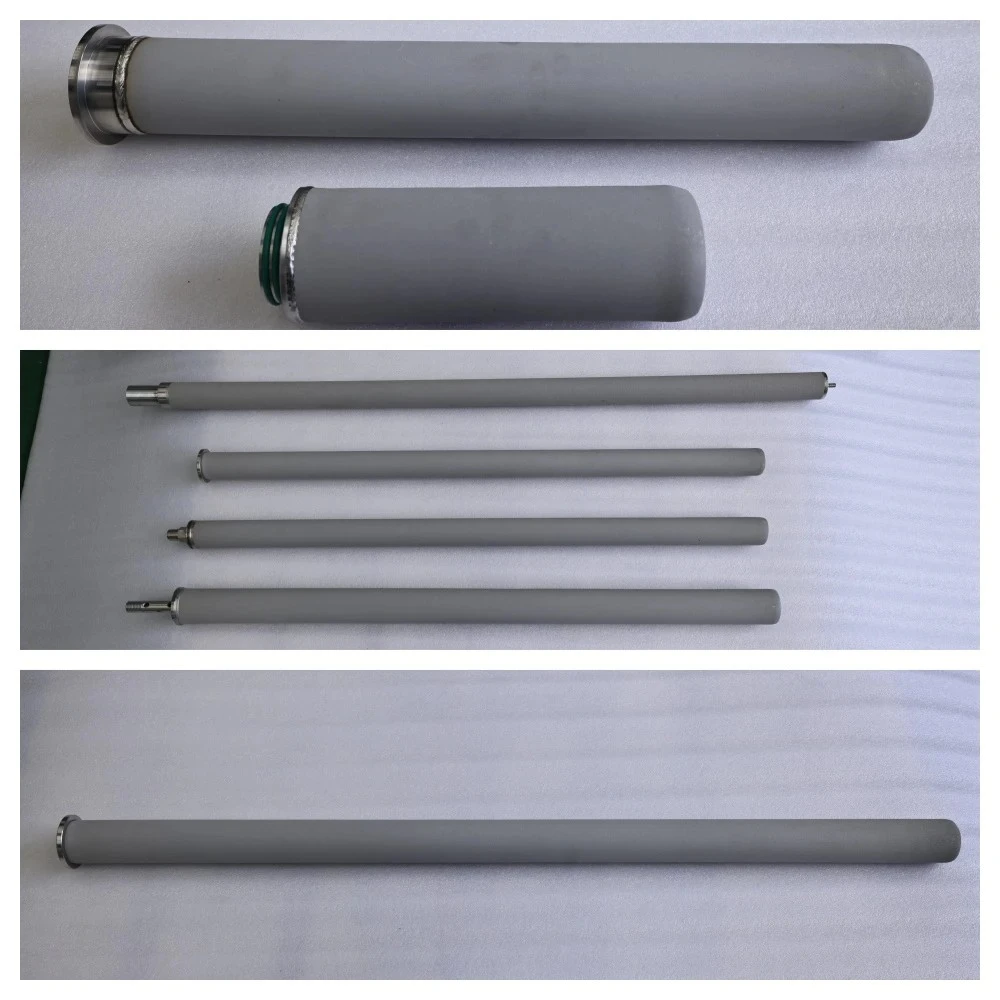
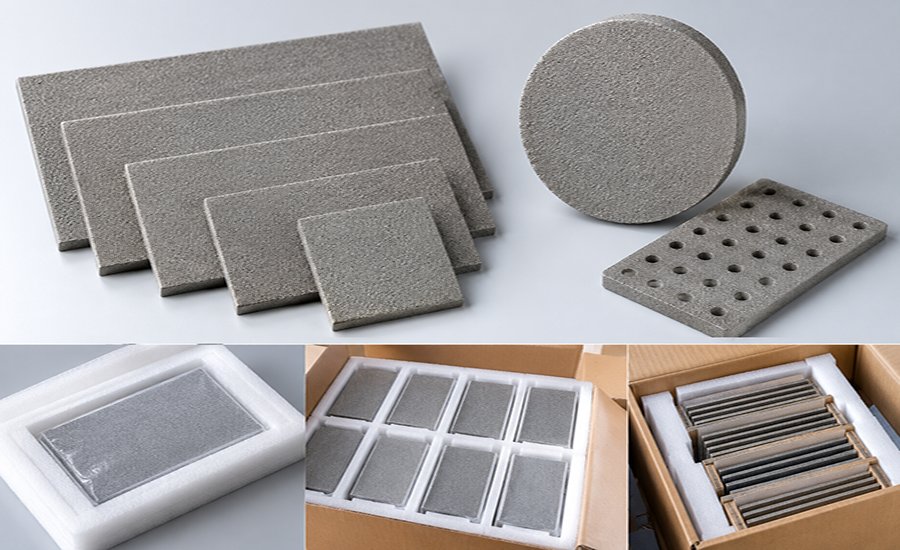
Geometries cover straight tubes, closed-dome candles, stepped and multi-diameter bodies, cones, discs, rings, plates and flat panels, with ends finished as 222 or 226 bayonet, DOE gasket, sanitary clamp, threaded boss or weld-in spigot. Anything outside that list is cut to print: send a STEP file or a sample, and the profile, wall and seat are reproduced rather than approximated.
Application
Inside a GMP suite a filter is judged by what it does after cleaning and re-test, not by first retention. Two issues decide whether a medium stays on the line: disposable layers that cannot survive dry-heat depyrogenation at 250 °C and lock the plant into single-shot use, and alloys that release ions into iron-sensitive APIs. The grades below address both.
Sterile Gas in and Off-gas Venting of Fermenters
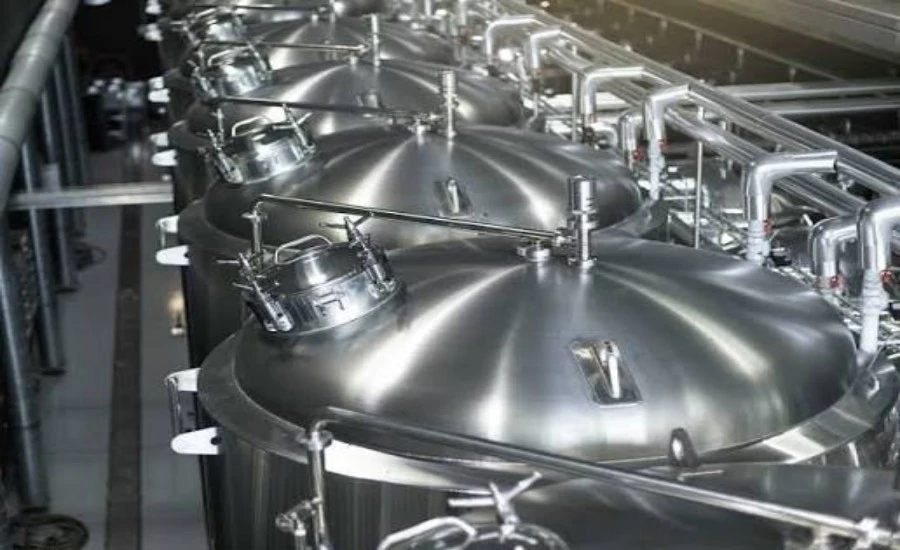
Sterile air is the largest single gas stream in most fermentation suites, and it is most often filtered with media chosen for the wrong reason. A bioreactor running one vvm through a ten cubic metre vessel relies on our pharmaceutical industry medical grade sintered metal stainless steel filter inlet filter that survives repeated SIP at 134 °C without losing pore shape, and a vent filter that stays dry over a fifteen-day campaign. Polymer cartridges do one cycle and then delaminate as condensate collects at the membrane interface; a sintered 316L body neither sheds nor collapses, and it is dried, integrity-tested and returned to service. Where broth foams, the vent sees caustic carryover that metal tolerates and a hydrophobic membrane does not. Send us vessel volume, air demand in vvm, sterilisation temperature and cycle count between cleaning, and NAVI Titanium sizes the grade, wall and end seat to duty, then quotes against a drawing your validation team can review and sign.
Solvent-based API Mother Liquor Polishing and Catalyst-fines Recovery
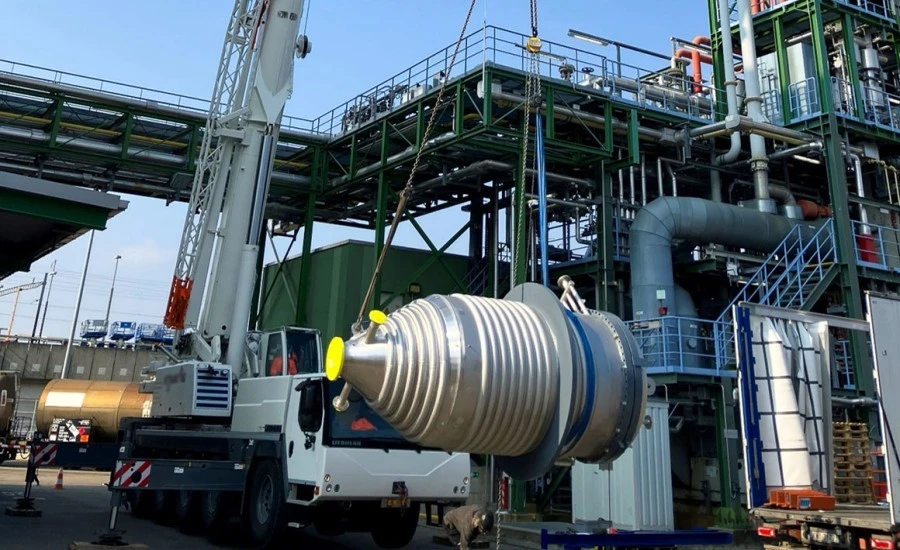
Carbon and catalyst fines are the last thing standing between an API crystallisation step and a release test, and they are why most depth media get changed mid-campaign: a single cartridge loaded with fines blinds early, and changing it means breaking a closed system, re-establishing the cleaning record and re-sampling the entire batch. A sintered 316L element holds fines inside its wall, takes hot solvent-based mother liquors at temperature, and is regenerated by backwash, ultrasonic bath or solvent flush rather than replaced.
One honest limit to note: some actives are catalysed by trace iron ions, and in high-chloride or low-pH streams the passive layer on 316L is not strictly permanent. Where that applies NAVI Titanium recommends a titanium or nickel alloy element, and we will say so on the quotation rather than after the next audit. Cleaning verification is by TOC swab recovery on the element, not by supplier declaration.
Purchasing guide

Quality control (QC)
Every medical grade element from NAVI Titanium clears an ISO 9001 release procedure only after alloy identity, retention class, bubble-point corridor, rinse-water conductivity, TOC swab recovery and surface roughness are filed against its batch code. Appearance releases nothing. Click the button below to open the full COA now and read the values recorded for the batch held against your order.

Manufacturing Process
Six qualifications decide whether this pharmaceutical industry medical grade sintered metal stainless steel filter element is acceptable in a GMP suite. Each is signed in the batch record before the next begins, and each one has a failure mode behind it that your validation team would otherwise have to write around. The numbering is deliberate: the further the element travels, the more the next qualification has to protect.
Incoming Powder and Melt Identity
The powder arrives with a mill certificate, and we verify chromium, nickel, molybdenum and carbon in-house before a gram is loaded. Where carbon drifts above the L grade ceiling, intergranular corrosion waits inside the weld zone after joining.
Particle cut is set to the retention band the order specifies, so a different shipment cannot quietly change the bubble point of a validation that was filed six months ago.
Forming and Green-body Geometry
Long thin-walled tubes are cold isostatic pressed because die pressing alone leaves a density gradient that later shows as a bend or a thin band. Discs and plates are uniaxial pressed with controlled mass per shot, and the green body is checked for concentricity before it goes near a furnace. Eccentricity cannot be corrected after consolidation.

Vacuum Cycle and Plateau
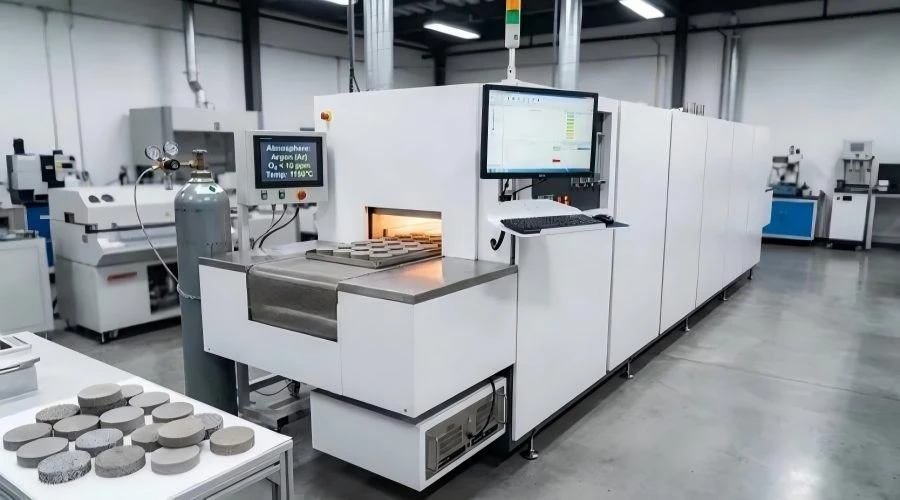
Consolidation is run under a logged temperature, dwell and vacuum profile. The plateau decides how far necks grow between grains, which sets the trade between strength and permeability for the rest of the element's life. Loads travel on a rack that lets the same lot be reconstructed from one number, so any later enquiry about a deployed element leads back to its plateau and its curve.
Joining and Crevice-free Welds
End caps and bosses are joined by TIG with argon shielding, then the joint zone is treated rather than left as-welded. Passivation follows the grinding step, not the welding step, because a smear across a pore mouth is worse than the untouched surface beneath it. Penetration is examined on sectioned samples taken from the same lot, and the seam is checked for crevices that hold cleaning agent and breed rouge.
Surface Finish and Rouge Control
Electropolishing drops the surface roughness below the level where proteins stick or rouge takes hold, then ASTM A967 passivation restores the chromium-rich layer that washing agents stripped. Mechanical polishing is reserved for utility-side duty; product-contact surfaces of the pharmaceutical industry medical grade sintered metal stainless steel filter stay electro-polished. A final rinse under conductivity-monitored water sets the release point for the next qualification.
Release Readings Filed Against the Batch
A cartridge is released only when the bubble point sits in the corridor the order specified, the clean differential loss matches the baseline card, the shed-count read on the final rinse is below the limit, the surface roughness record is filed, and the papers are matched to the lot code. Any reading outside the corridor holds the lot; it does not ship under a commitment to follow.
Technical Data
Buyers spec a pharma element on micron, then ask whether it can be validated twenty times without rebuilding the package. The tables below compare what each medium proves at cleaning validation, then the surface finish the same line is audited against. Every figure is indicative only; the numbers NAVI Titanium sign against are those on the COA for the batch.
What Each Medium Lets You Prove at Cleaning Validation (Reference Only)
|
Consideration |
Sintered 316L |
PP melt-blown |
PTFE pleated |
Woven SS mesh |
|
Dry-heat depyrogenation at 250 °C |
Yes, repeated |
No, material sheds |
Partial, membrane distortion |
Yes, but lint gap shifts |
|
Swab-and-rinse TOC recovery |
Yes, repeatable |
Not meaningful after first |
Difficult, surface folds trap residue |
Yes, but lint gap holds residue |
|
Cleaning agents tolerated |
Alkaline, acidic (no chlorides), peroxide |
Mild alkaline only |
Wide, but binder swelling |
Alkaline, acidic (no chlorides) |
|
Steam cycles before integrity review |
High, logged per cycle |
One cycle, then discard |
Five to ten cycles |
High, but red-rust risk |
|
Cleaning validation effort on a repeat run |
Low, baseline carried |
Re-baseline every batch |
Re-baseline every batch |
Medium, geometry hygiene check |
|
Extractables and leachables file |
Narrow, metal oxides only |
Broad, oligomers and slip agents |
Broad, fluoropolymer oligomers |
Narrow, metallic oxides |
|
Rouge risk on vent service |
Low with electropolish + passivation |
Not applicable |
Not applicable |
Medium to high |
|
Comparison index, cost per validated batch (cartridge only) |
1.0 baseline |
0.4 to 0.6 |
0.9 to 1.3 |
0.7 to 0.9 |
Repeat Orders & Auditor-Friendly Documentation
Underneath every quotation sits a question a buyer does not ask the first time: who else is running this on which line, what did the auditor find, and what do they say back when the campaign is over. NAVI Titanium keeps that answer in writing rather than in a brochure.
Repeat Orders From a Validated Production Line
An injectables manufacturer in Western Europe / March 2025, a mid-scale sterile injectable manufacturer replaced disposable PTFE cartridges on its sterile vent line with 316L sintered elements after three rejected batches in two quarters. NAVI Titanium reproduced the seat and end fitting from the qualified drawing, supplied three validation lots sized to the campaign, and matched the bubble point the QA team had already filed. Two qualifications and thirty-three campaigns later, repeat orders are logged against the same element code, and the cleaning validation carries forward without re-baselining.
What an Audit Actually Sees
NAVI Titanium opens the inspection room during audit, and most of the conversation settles inside it. The exhibits on the bench are the same documents the COA points to: the powder mill certificate, the in-house PMI reading, the vacuum cycle log, the bubble point record, the electropolishing and passivation records, the integrity baseline, and the batch-coded lot history.
The bench is set up to let an auditor trace one release number back through every step, in the order the standard expects, on the day of the visit.
In Buyers' Own Words
A QA manager from a North America bioprocess facility wrote that "the same pharmaceutical industry medical grade sintered metal stainless steel filter element code ran eight validation lots without re-baselining; we now buy on bubble point corridor, not on a part number."
A validation engineer at a Southeast Asia generic-API plant reported that "the document pack slotted straight into our IQ and OQ file without rework."
A maintenance supervisor on a Central Europe injectable line confirmed that "what sold the second order was the lot-coded baseline card that let us predict when to change an element before the batch did."
FAQ
How many steam cycles can one element take before we have to re-qualify it?
+
-
How many steam cycles can one element take before we have to re-qualify it?
What extractables and leachables data can you put behind a product-contact surface?
+
-
Every product-contact element ships with the EN 10204 3.1 mill certificate, the powder lot history and the finished-surface passivation record. Where the project requires it, NAVI Titanium supplies metal-release data from an ISO 17025 third-party lab against the recovery conditions set by USP <88> Class VI, ISO 10993 and the FDA 21 CFR 211.65 framework, run on a sample taken from the same production lot that will ship.
Which surface finish do we need to order for the bioprocess side?
+
-
Order electropolishing plus ASTM A967 nitric passivation for any side that touches a sterile product, a sterile barrier or a vent filter where residue would alter the balance of the next fermentation. Mechanical polishing on its own is reserved for utility-side duty, where the rougher surface is acceptable and the smear risk is not.
Can you copy an element we already qualified so we do not have to re-validate?
+
-
Yes, and this is the most common job NAVI Titanium takes on. Send one used element and the bubble point the QA file carries, or send the qualified drawing, and the geometry is reproduced on the same tooling route with the same powder source where it is still available. The first lot is sized to your validation cycle (typically three to five elements), with the bubble point corridor held to your reading so the new element drops into the same IQ and OQ document.
How should we store and handle elements between campaigns, and what documents travel with the shipment?
+
-
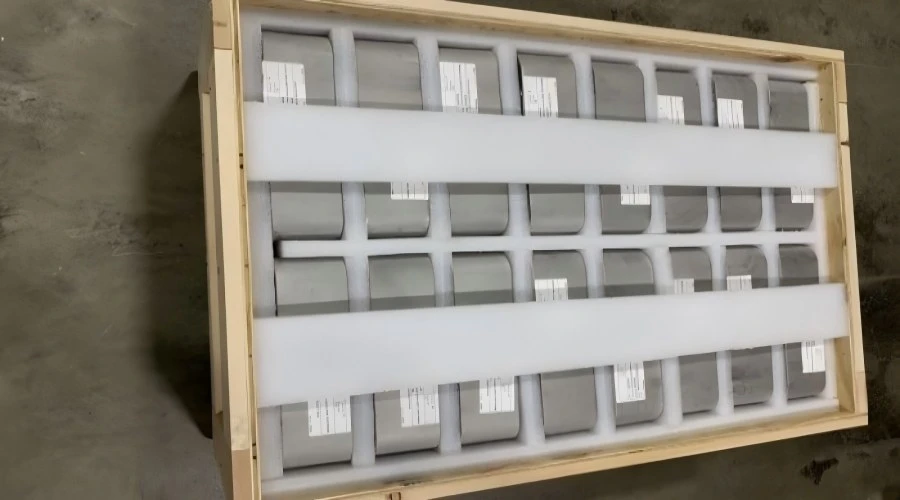
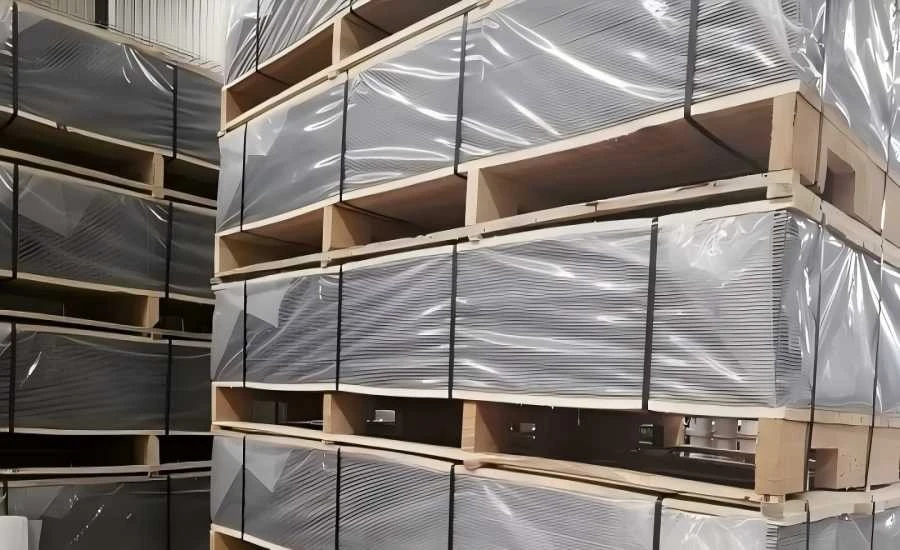
Elements are sealed in double polyethylene with a desiccant, boxed against shock and humidity indicator cards, and held in a dry-room before dispatch. Carton and outer crate carry the lot code, the heat number, the bubble point corridor and the storage window. The shipment with the goods carries the COA, the EN 10204 3.1 mill certificate, the surface finish record, the integrity baseline and the NAVI Titanium packing list; the same documents go to the email address on file within the same working day.
Hot Tags: pharmaceutical industry medical grade sintered metal stainless steel filter, China pharmaceutical industry medical grade sintered metal stainless steel filter manufacturers, suppliers, factory


