

The global transition toward clean energy has positioned hydrogen production at the forefront of sustainable technology development. Among the various methods available, Proton Exchange Membrane (PEM) water electrolysis stands out for its efficiency and scalability. At the heart of this technology lies a critical component that often determines system reliability and longevity: sintered metal powder filter elements. Understanding how specialized titanium powder transforms filtration performance can help engineers and procurement specialists make informed decisions that directly impact operational efficiency.
Modern PEM electrolysis systems demand filter elements capable of withstanding harsh electrochemical environments while maintaining precise filtration accuracy. The selection of appropriate titanium sintered metal powder becomes paramount in achieving these objectives. This material choice influences everything from conductivity and corrosion resistance to long-term durability under demanding operational conditions.

1.Specification
Product name: Sintered Metal Powder
Internal Code: NAVI-2-002
Brand: NAVI Titanium®
General Shapes: Round, disc, sheet, tube, round, bar, cap or customization
Raw materials:
(1)Titanium---0A grade pure powder
(2)Stainless steel---/SS304/SS316/SS316L etc.
(3)Nickel---Nickel base alloys/MONEL/INCONEL/Hastelloy(C22/C276)
Advanced fields of NAVI: PEM, semiconductor & electronics, pharmaceuticals etc.
2.Purchasing guide
(1)Process
NAVI Titanium(since 2008) can process according to your design drawings
(2)Sample
Effective, economic, high quality
Only take the basic cost of molds for custom product, Sintering together for sample orders, Zero unqualified
(3)Technology support
Professional one-for-one service, welcome to contact us
How Does Titanium Sintered Metal Powder Improve PEM Filter Element Performance?
The overall energy efficiency of hydrogen production is directly related to how well the filter elements in PEM systems conduct electricity. During the sintering process, high-purity titanium powder with a controlled oxygen content forms metallic links that make it easier for electrons to move through the porous structure. According to research, lowering the oxygen level to below 0.15% can make conductivity up to 40% better than with standard-grade powders. This improvement means that less power is needed for electrolysis, which lowers the system's operating costs over its lifetime.
When special titanium powder is heated and sintered, it forms a crystalline structure that lets current flow continuously. Normal materials can form insulating oxide layers over time, but titanium that has been properly made keeps its conductive qualities even after being exposed to the acidic conditions common in PEM cells for a long time. This steadiness makes sure that the material always works well without breaking down in the ways that other materials do.

Superior Corrosion Resistance in Acidic Environments

PEM electrolyzers use polymer membranes that are very acidic, which makes the chemical environment harsh and hard for many filter materials to work in. Titanium sintered metal powder that is purer than 99.7% forms a passive oxide layer that fixes itself when it gets harmed, keeping it safe from corrosion all the time. Titanium is a great material for long-term use in hydrogen generation systems because this protective mechanism works well in a pH range of 0 to 14.
The way particles of different sizes are distributed in the sintered structure also affects how it corrodes. Finer powder grades make the pore structures more uniform and the surface less rough, which is where corrosive attack usually starts. Studies have shown that filter elements made from optimized powder blends have rust rates of less than 0.001 mm per year, which means they can be used continuously for more than 80,000 hours.
The three-dimensional network made by sintered titanium particles creates pore channels that can be carefully managed, which is necessary for gas-liquid separation to work well. When water is electrolyzed, the hydrogen and oxygen gases that are released must be separated from the liquid phase without flooding or building up pressure. The best mix between gas permeability and water absorption is found in pores that are 5 to 80 micrometers in size.
Creating gradient pore structures through smart powder blending gives even more performance benefits. Coarser powder layers help move gases quickly away from reaction sites, while finer layers close to the membrane interface provide precise filtration that keeps particles from getting into the fluid. Customized sintered metal powder formulas make this layered method possible, which improves both the efficiency of separation and the dynamic strength.

Titanium Sintered Metal Powder Characteristics for Porous Metal Filter Manufacturing

Powder clarity is the first thing that makes a filter work so well. Titanium powder contains trace elements and impurities that can make the sintered structure weak or speed up electrochemical reactions that aren't wanted. Contaminants like iron, carbon, and salt are kept below 100 parts per million in high-purity formulas, which lowers these risks. This strict quality control makes sure that the porous metal filter stays together even when the temperature and pressure change.
Powder uniformity from batch to batch is a big part of how consistent the manufacturing process is. Changes in the chemical make-up or physical features can cause changes in the size, the way pores are distributed, or the mechanical qualities. Leading makers use strict testing methods to make sure that powder specifications are met before production. This makes sure that every filter element meets the high performance standards needed for important hydrogen energy uses.
One of the most important ways to change how well a filter works is to control how the particle sizes are spread out. Broader distributions can improve mechanical strength and fluid permeability, while narrower distributions make uniform pore networks that are great for uses that need exact filter rates. Titanium powder is divided into specific size parts, usually between 10 and 150 micrometers, using advanced classification methods. This lets engineers make filters with known properties.
Titanium particles behave very differently when they sinter depending on their size. Smaller particles have more surface energy, which makes the bonds between them stronger at lower temperatures but could lower the end permeability. Larger particles need higher sintering temperatures, but they keep their open pore structures, which make them better for high-flow applications. By mixing powders of different sizes, producers can get performance benefits that aren't possible with powders of just one size.

Morphology and Flow Characteristics

The shape of the particles affects both the packing density during compression and the pore geometry that forms after sintering. When titanium powder is atomized using gas, the particles that are shaped as spheres pack more evenly than those that are not spheres. This makes isotropic hole structures that have the same filtration properties in all directions. This evenness is very useful in filtering situations where the flow direction can change or where the pressure drop must be the same across the element.
Even though angular or irregular particles might make mechanical fitting better, they can also make torturous pore paths that make it harder for fluid to move. You can choose between different morphologies based on whether the application values mechanical strength, flow capacity, or filtration efficiency. Powder morphologies are chosen by experienced sintered metal filter manufacturers after a thorough analysis of operational needs and performance priorities.
Why Titanium Powder Is Preferred for Sintered Filter Elements in PEM Systems
When selecting materials for PEM electrolyser components, you must consider chemical stability, electrical conductivity, mechanical strength, and cost. Titanium powder is suitable for crucial filtering operations since its special qualities make it simpler to operate in hydrogen-producing conditions.
Titanium's electrochemical nobility prevents side reactions that may impair electrolysis or pollute hydrogen. Titanium doesn't react with PEM cell voltage ranges like nickel-based choices, letting ions in. The filter element is stable and solely functions as a physical barrier and current carrier, adding no chemicals.
The lighter titanium is suitable for use that requires reducing system bulk. Because titanium has 60% the density of nickel-based alloys, stacks are lighter without losing structural integrity. Mobile or portable hydrogen-generating systems benefit from weight reduction since it affects their utilisation.
Titanium Sintered Metal Powder Structure Design for Stable Gas and Water Transport
Sintered porous metal filter elements' performance in PEM electrolysers' complex two-phase flow circumstances depends on their small structure and sintered metal powder. To design structures that rapidly remove gases and maintain liquid saturation at the catalyst layer, you must understand powder sintering dynamics and fluid mechanics.
Gradient porosity designs leverage powder choice and processing parameters to vary local pore characteristics. A conventional gradient structure may comprise a coarse support layer with 40–50% porosity to make it solid, an intermediate layer with 30–40% to balance transport characteristics, and a fine functional layer with 20–30% to ensure exact filtering. This design prevents gas bubbles from increasing electrical resistance and ensures reaction sites have water.
Transport also depends on pore connectivity. Isolated holes increase volume but don't allow fluids through. Titanium particles near each other "neck up," connecting them and creating pore networks that span the filter thickness under ideal sintering conditions. To achieve the necessary connection without making the material excessively thick, which would impair its porosity, temperature, time, and weather must be carefully regulated.
Advanced Titanium Sintered Metal Powder Applications in Hydrogen Electrolysis Filters
Sintered titanium metal powder exceeds filtering. It also makes adaptable parts. PEM systems need more gas, current, and water filters. Higher volumetric power density in simpler stacks.
Gas-releasing sintered titanium current collectors distribute power evenly across membrane electrode assemblies. More porosity reduces electrical resistance and increases gas penetration. Platinum plating and hydrophilic modifications reduce sintered structure contact resistance and water flow.
New sintered titanium applications need thermal control. Strong thermal conductivity in the metal network eliminates heat from high-rate electrolysis. Manages operating temperature. Temperature complements filter and current. Advanced powder metallurgy system component manufacture.The hydrogen industry requires filter components with larger active surfaces and processing rates as facilities increase.
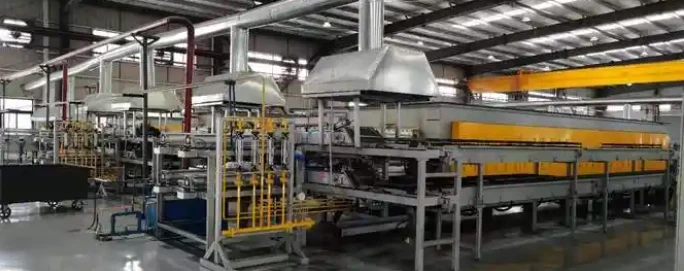
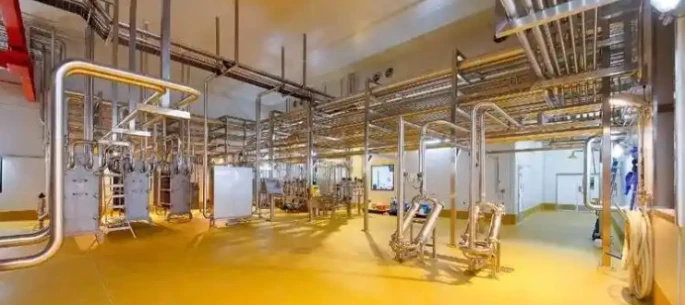
Titanium sintering makes large, high-quality pieces. Megawatt-scale electrolyser systems may use components with pressure drop target widths and active surfaces over one square metre.
Minimal component replacement promotes green hydrogen. Best continuous-duty sintered metal particle filter components last five years. Titanium component recycling and prolonged life boost lifetime cost projections and PEM technology use.
Non-destructive testing verifies structural integrity of sintered titanium filter elements without affecting operation. Bubble point and electrical resistance tests assess conductivity and hole size. Before electrolyser usage, these quality controls verify filter elements meet performance specifications.
Conclusion
It's impossible to say enough about how important titanium sintered metal powder is to the progress of PEM water electrolysis technology. The choice of material, the properties of the powder, and the form of the structure all affect how well filter elements work in current hydrogen production systems. High-purity, low-oxygen titanium formulations offer the long-term reliability needed for rust resistance and electrical conductivity. Engineered particle size distributions allow precise control over hole structures that improve gas-liquid separation.
As the hydrogen economy grows and output levels rise, the efficiency benefits of using specialized sintered titanium parts will become more valuable. When engineers and procurement specialists know how powder qualities affect filter performance, they can make smart choices that lower costs, make tools last longer, and make the whole system work better. As advanced powder metallurgy techniques keep getting better, they will be able to support the next generation of high-performance electrolysis systems.
FAQ
1. What makes titanium sintered metal powder superior to stainless steel for PEM applications?
+
-
Titanium is much more resistant to rust in the acidic conditions that are common in PEM electrolyzers. It also keeps its structure and conductivity over long periods of time. When titanium is damaged, the passive oxide layer that forms on it heals itself. This gives titanium long-lasting protection that stainless steel can't match in the same circumstances. Titanium's lower density also makes the system lighter, and its electrochemical stability stops ions from leaching, which could contaminate hydrogen output or hurt membrane performance.
2. How does powder particle size distribution affect filter element performance?
+
-
The pore structure of the finished filter element is directly related to the spread of particle sizes. More even pore sizes are made by narrower distributions, which gives accurate filtration scores and reliable pressure drop characteristics. Gradient structures that improve both mechanical strength and fluid transport properties can be made by spreading out or strategically mixing different size fractions. Manufacturers can change how well filters work to meet specific flow rates, pressure conditions, and filtration needs by choosing the right particle size ranges.
3. What quality indicators should buyers evaluate when selecting sintered metal powder suppliers?
+
-
Why is titanium sintered metal powder better for PEM uses than stainless steel? Some important quality factors are the amount of oxygen, carbon, and iron in the powder, the stability of the particle size distribution, the regularity of the morphology, and the ability to repeat batches. Suppliers you can trust give you thorough analytical certifications that list the chemical makeup and physical properties of each powder lot. A supplier's manufacturing skills, such as quality control systems, testing protocols, and traceability processes, can also show if they can regularly provide materials that are good for high-demand hydrogen energy uses.
Partner with NAVI Titanium for Superior Sintered Metal Powder Solutions
Looking for a dependable sintered metal powder supplier that knows how to meet the specific needs of PEM electrolysis applications? NAVI Titanium Metal Technology Co., Ltd. makes hydrogen energy filter elements out of high-purity, low-oxygen titanium powder formulations that are their specialty. Our custom powder systems create even hole structures, stable conductivity, and high rust resistance, which makes filters last longer and costs less to run. With strict quality control, consistent batches, and technical support for large-scale green hydrogen projects, NAVI Titanium makes it possible for electrolysis systems to work reliably and efficiently. Email our sales team at Sales@ntitanium.com right now to talk about how our advanced sintered metal powder options can help you reach your hydrogen production goals and improve the performance of your PEM filter.
References
1. Carmo, M., Fritz, D.L., Mergel, J., and Stolten, D. (2013). "A Comprehensive Review on PEM Water Electrolysis." International Journal of Hydrogen Energy, 38(12), 4901-4934.
2. Grigoriev, S.A., Fateev, V.N., Bessarabov, D.G., and Millet, P. (2020). "Current Status, Research Trends, and Challenges in Water Electrolysis Science and Technology." International Journal of Hydrogen Energy, 45(49), 26036-26058.
3. Lettenmeier, P., Wang, R., Abouatallah, R., Helmly, S., Morawietz, T., Hiesgen, R., Kolb, S., Burggraf, F., Kallo, J., Gago, A.S., and Friedrich, K.A. (2016). "Durable Membrane Electrode Assemblies for Proton Exchange Membrane Electrolyzer Systems Operating at High Current Densities." Electrochimica Acta, 210, 502-511.
4. Schalenbach, M., Tjarks, G., Carmo, M., Lueke, W., Mueller, M., and Stolten, D. (2016). "Acidic or Alkaline? Towards a New Perspective on the Efficiency of Water Electrolysis." Journal of The Electrochemical Society, 163(11), F3197-F3208.
5. Sun, S., Shao, Z., Yu, H., Li, G., and Yi, B. (2014). "Investigations on Degradation of the Long-Term Proton Exchange Membrane Water Electrolysis Stack." Journal of Power Sources, 267, 515-520.
6. Wang, L., Chen, M., Küngas, R., Lin, T.E., Diethelm, S., Maréchal, F., and Van herle, J. (2019). "Power-to-Fuels via Solid-Oxide Electrolyzer: Operating Window and Techno-Economics." Renewable and Sustainable Energy Reviews, 110, 174-187.



