


When a standard fastener just won't do, a drawing-based titanium bolt opens up a range of possibilities. Whether you're building a lightweight motorcycle assembly, a precision chemical processing component, or a custom aerospace bracket, the ability to machine a bolt to your exact specification changes everything. This page describes how NAVI Titanium takes a client sketch, or even a physical sample, and converts it into an inspected, finished titanium bolt ready for production.
What to Include in a Titanium Bolt Drawing
A good custom fastener job begins with an accurate sketch. The better you sketch, the smoother the manufacturing road. Inadequate information at this step may interrupt the review cycle and impact dimensional accuracy down the line.
Dimensional and Thread Specifications
Your design should show the nominal diameter, overall length, thread diameter, pitch and thread standard (metric or inch). Some of the most often required combinations for motorcycle applications are M6 × 1.0 and M8 × 1.25, although NAVI Titanium manufactures bolts from M4 to M12 and beyond. Note shank length, threaded length and shoulder measurements. If your application needs for a fine pitch thread, then say so specifically -- coarse and fine pitch bolts are not interchangeable in the field.
Head Configuration, Drive Type, and Tolerances
The head design, beyond the shank, has substantial useful weight. Specify the head type (hex, socket head, button head, countersunk, or custom profile) and drive recess shape and any chamfer or radius requirements. All key features should have dimensional tolerances specified. * whether you want a surface treatment, tell us whether you want a machined surface, polished finish, bead-blasted texture, or titanium anodizing.
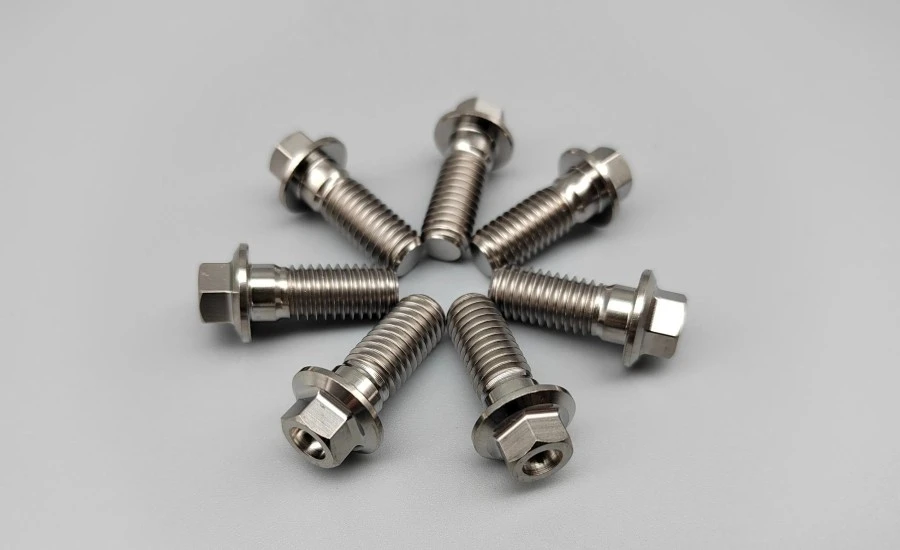
The material grade is also included on the drawing: Gr1, Gr2, Gr5, Gr9 and Gr23 are typical possibilities, each with distinct strength to weight ratios and corrosion resistance properties.
Drawing Review Before a Custom Titanium Bolt Is Machined
Submitting a drawing doesn't immediately trigger production. Before NAVI Titanium cuts a single blank, a technical review validates the design against machining feasibility and material behavior.
Feasibility and Material Assessment
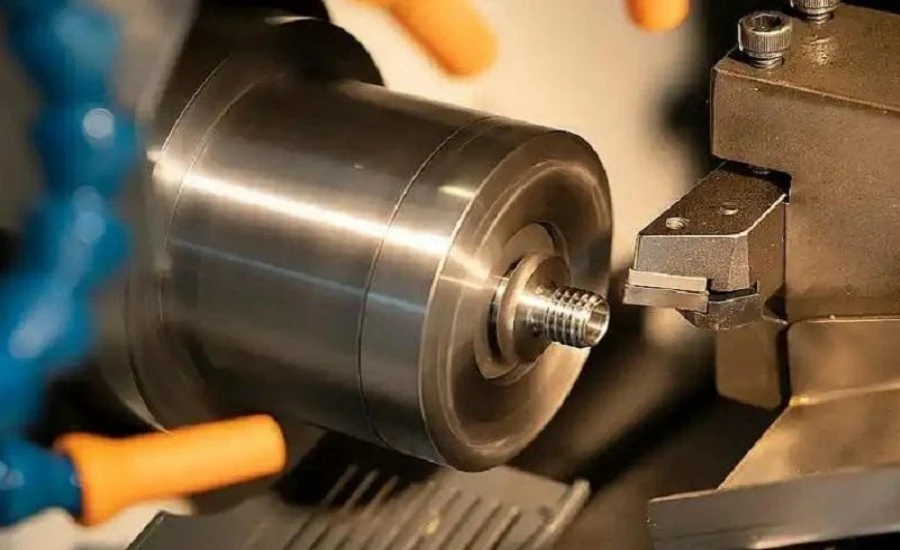
Titanium responds differently than steel when CNC machined. It produces greater heat at the cutting zone, has a propensity to bounce back a little under tool pressure and may gall if thread tolerances are not well controlled. NAVI Titanium's technical team examines each design for peculiarities that may necessitate altered cutting procedures – deep thread relief grooves, extremely thin shanks or odd head geometries are popular examples. The evaluation also validates that the grade assigned is suitable. A client needing Gr23 for a lightweight motorbike bracket, for instance, learns about the weldability and fatigue characteristics of the grade before committing to a complete production run.
Clarification and Drawing Confirmation
If a dimension is unclear, or a tolerance is incompatible with another feature, NAVI Titanium reaches out to the client prior to starting the machining process.
This discussion, including thread specs, head sizes, tolerance stack-ups, surface requirements, resulting in a verified design that both sides agree on. Only after such confirmation can the manufacturing order go forward. This procedure is worth the time it takes: a specification conflict found on the drawing board costs a lot less than fixing a finished batch.
How NAVI Titanium Matches a Custom Titanium Bolt to Your Sample?
The procedure is a little different when a consumer provides an actual sample instead of an official design. The sample is the dimensional reference and NAVI Titanium reverse designs the main specs out of it.
Dimensional Capture From a Physical Sample
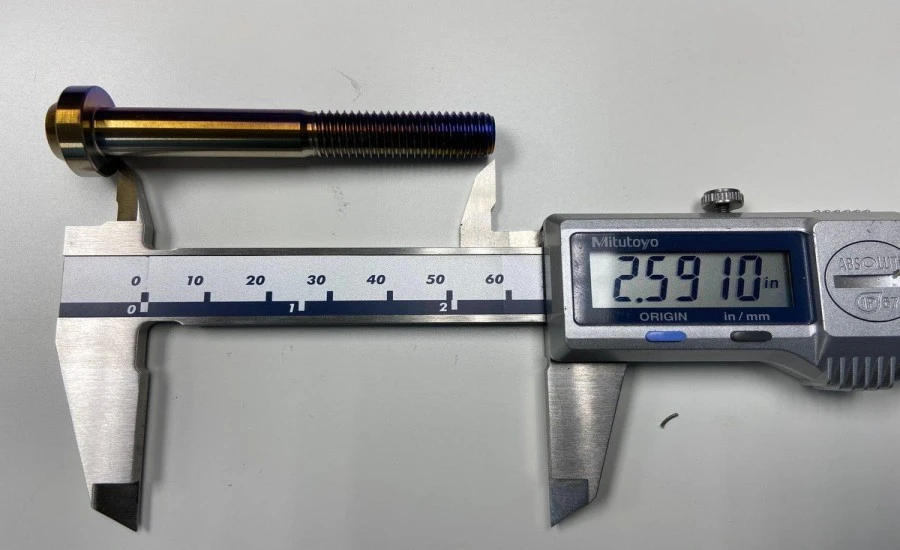
The sample titanium bolt is measured using calibrated tools to record the diameter, thread pitch, length, head dimensions, driving geometry and any chamfers or radii. Thread gages check thread standard and fit class. The team also observes the texture category in which the original surface finish is apparent and mimics it in the manufacturing plan. It creates a functioning specification sheet which is like a drawing and goes into the same technical review procedure.
Grade Identification and Production Planning
If the material quality of the sample is unclear, NAVI Titanium may evaluate the sample and suggest a comparable or suitable titanium grade for manufacturing. This is especially helpful for providers of after-market motorcycle components who get samples from their assembly partners who do not have comprehensive material data. Once the grade is verified and the specification sheet certified, manufacturing continues with the same quality controls as for orders based on drawings.
Inspection Records Supplied With a Custom Titanium Bolt
The final titanium bolt comes with documentation, not simply packing. Traceability is an integral part of NAVI Titanium's ISO 9001 certified manufacturing process, from receipt of raw materials to final inspection.
Incoming Material and In-Process Checks
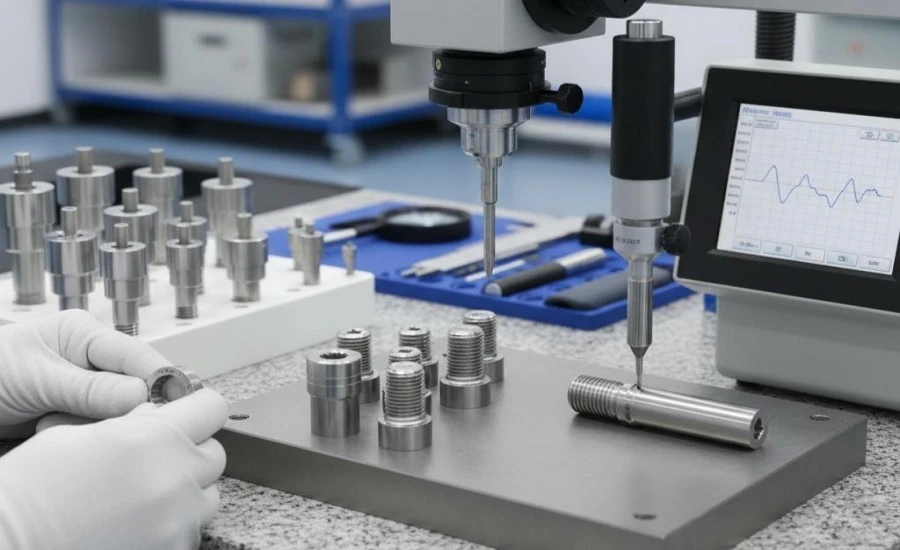
Any titanium bar or rod that comes in is tested for grade, dimensions and surface condition before any machining is done. Each batch has a material identification tag which follows it through the processes of cutting, turning, head machining and thread manufacture. Dimensional checks at critical points in the process detect deviations before they spread through the remainder of the sequence.
Final Inspection and Conformity Records
The last inspection after deburring and surface finishing includes a thread gage check, dimensional measurement against the verified drawing, surface condition evaluation and a visual check for machining faults. on-conforming parts are rejected and not sent to clients. The inspection records accompany each delivery and offer the client a documented foundation for incoming quality verification on their end – helpful for both individual project builds and recurrent manufacturing cycles.
How NAVI Titanium Handles Titanium Bolt Orders From Sample to Production?
Going from a prototype piece to a repeatable production batch is not as simple as repeating the same machining techniques. Controlled parameters, solid tooling, and a specified process route are needed for consistency in a production run.
Prototype Validation and Process Lock
When a client asks for a sample batch before proceeding with full production, NAVI Titanium manufactures a small amount to the confirmed specification and presents them for customer approval. Feedback from this stage – fit, finish, thread engagement or head clearance – is considered before process parameters are locked for volume production. This certification procedure is especially useful for motorcycle component makers launching a new titanium bolt set across a range of models.
Repeat Orders and Dimensional Consistency
Once the method is established and recorded, we generate the same dimensional output on repeat orders. Thread pitch, head shape, tolerances, surface finish are batch to batch constant. This interchangeability is beneficial for customers that sell aftermarket fastener kits or who have parts in inventory, since it reduces variations in assembly in the field.
Conclusion
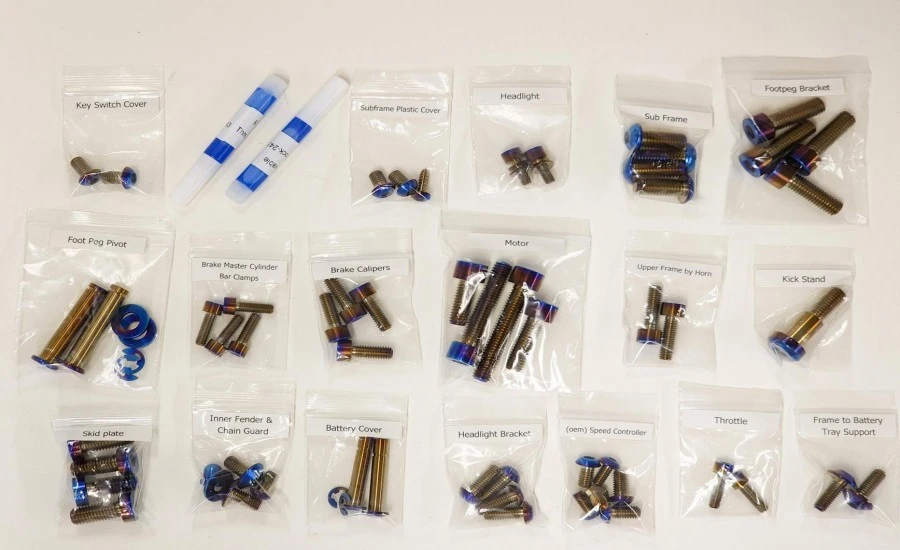
It is an organized procedure for customizing a titanium bolt to a design or sample and preparing pays. Clear drawings, verified specifications, validated prototypes and recorded inspections are the procedures that take a design idea to a dependable, completed fastener. This journey from initial specification review to final delivery is supported by NAVI Titanium, with a blend of CNC machining accuracy, ISO 9001 quality standards and material traceability.
FAQ
1. Q: Can NAVI Titanium machine a titanium bolt from a sample without a formal drawing?
+
-
A: Yes. In the case of a physical sample, the NAVI Titanium team assesses all important parameters, defines the thread standard and prepares a functional specification sheet. This sheet then goes through the same technical review procedure as a formal drawing and then manufacturing continues when the client agrees with the specs specified.
2. Q: Which titanium grades are available for custom bolt orders?
+
-
A: NAVI Titanium machines bolts in Gr1, Gr2, Gr3, Gr4, Gr5, Gr7, Gr9, Gr12 and Gr23. The grade selection is based on the needed combination of strength, weight and corrosion resistance for the application. The technical staff may advise on grade appropriateness during the drawing review stage.
3. Q: What surface finishes can be applied to a custom titanium bolt?
+
-
A: We may provide a machined, polished, bead blasted or anodized surface finish. The correct finish for a particular application is based on environmental and cosmetic considerations. Surface finish details should be shown on the design or addressed in the technical review before manufacturing is confirmed.
Get Your Custom Titanium Bolt Quote From NAVI Titanium
NAVI Titanium is an experienced titanium bolt provider located in China's Baoji High-tech Zone – the core of the Chinese titanium industry. NAVI Titanium's CNC machining capabilities from Gr1 to Gr23, a proven ISO 9001 quality system and a technical staff that examines every design before production starts, guaranties unique titanium fasteners that suit genuine engineering needs. Whether you need a single prototype or a large production batch, the team is ready to review your drawing, confirm specifications, and provide a detailed quotation. Reach out directly at sales@navititanium.com and let's get your project started.
References
1. ASTM International. Standard Specification for Titanium and Titanium Alloy Strip, Sheet, and Plate (ASTM B265). ASTM International, West Conshohocken, PA.
2. Boyer, R., Welsch, G., & Collings, E. W. Materials Properties Handbook: Titanium Alloys. ASM International, Materials Park, OH, 1994.
3. International Organization for Standardization. ISO 9001: Quality Management Systems - Requirements. ISO, Geneva, Switzerland, 2015.
4. Donachie, M. J. Titanium: A Technical Guide, 2nd ed. ASM International, Materials Park, OH, 2000.
5. ASTM International. Standard Specification for Titanium and Titanium Alloy Bolts and Screws (ASTM F467 / F468). ASTM International, West Conshohocken, PA.
6. Leyens, C., & Peters, M. (Eds.). Titanium and Titanium Alloys: Fundamentals and Applications. Wiley-VCH Verlag, Weinheim, Germany, 2003.



