

The hydrogen economy's fast expansion requires manufacturing infrastructure. How can manufacturers grow PEM electrolyser component production without losing quality or performance as governments worldwide push renewable energy and industry players invest billions on green hydrogen projects? Large-scale hydrogen production requires invisible sintered metal powder. This filter material is used in proton exchange membrane water electrolysis systems, which need precision, cleanliness, and consistency. Your capacity to reliably and economically create thousands of identical, high-performance filter components might make or break a pilot project or gigawatt-scale hydrogen production.Classical filter manufacturing with standardised particles cannot meet modern hydrogen projects. Mass production requires agility, adaptability, and powder-to-product knowledge. Fast-growing PEM filter producers need customised sintered metal powder solutions.

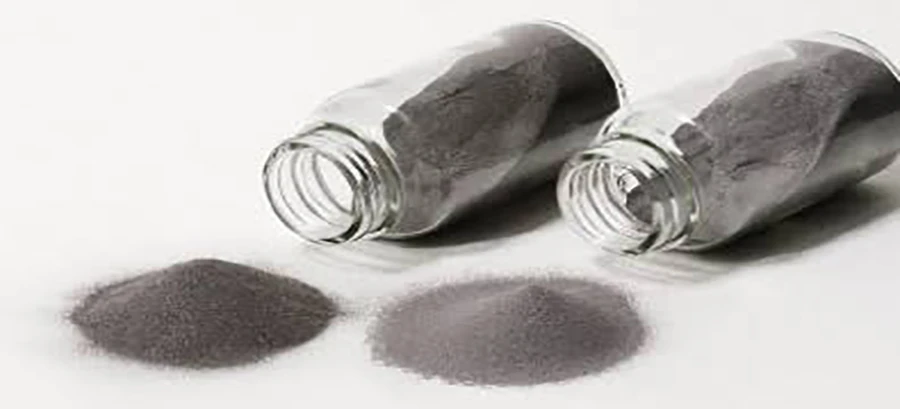
Sintered Metal Powder
1.Specification
Product name: Sintered Metal Powder
Internal Code: NAVI-2-002
Brand: NAVI Titanium®
General Shapes: Round, disc, sheet, tube, round, bar, cap or customization
Raw materials:
(1)Titanium---0A grade pure powder
(2)Stainless steel---/SS304/SS316/SS316L etc.
(3)Nickel---Nickel base alloys/MONEL/INCONEL/Hastelloy(C22/C276)
(4)Bronze---0A grade pure powder
Advanced fields of NAVI: PEM, semiconductor & electronics, pharmaceuticals etc.
2.Purchasing guide
(1)Process
NAVI Titanium(since 2008) can process according to your design drawings
(2)Sample
Effective, economic, high quality
Only take the basic cost of molds for custom product, Sintering together for sample orders, Zero unqualified
(3)Technology support
Professional one-for-one service, welcome to contact us
How Does Custom Sintered Metal Powder Enable Scalable PEM Filter Production?
Making millions of filters reveals a simple truth: raw material disparities increase. When producing a sintered porous metal filter, titanium powder particle size distribution determines whether your 10,000th filter element functions the same as your first. Manufacturers may specify the average particle sizes and distribution curves for custom powder formulations to ensure that massive volumes of powder sinter at the same pace.
PEM applications typically use high-purity titanium powder with oxygen < 0.15%. This prevents oxide layers, which impair conductivity and corrosion protection. When creating unique powder mixes for customers, NAVI Titanium engineers consider how each batch would behave during pressing, sintering, and quality checks. A German business may employ powder lots separated by months of manufacturing time to create filters with the same pore structure and mechanical qualities as their South Korean factory by paying attention to powder metallurgy principles.

Batch-to-Batch Reproducibility Reduces Manufacturing Waste

Scalable manufacturing economics depend on yield rates. Over a hydrogen project's lifespan, a 95% yield production line costs millions in materials and profits. Custom sintered metal powder formulae eliminate quality control rejections by eliminating discrepancies. Powder producers that understand sintering can adjust particle form, density, and flow to meet your pressing equipment and furnace profiles.
Researchers found that managing powder sintering activity (the ability of particles to stay together at specific temperatures) may reduce sintering temperature changes by 30°C. Filters sintered in separate regions of a manufacturing furnace or throughout different shifts maintain porosity and strength because to this limited process window. Regularity is the difference between generating money and having quality control issues when you move from 100 to 10,000 filters a month.
More and more, automated pressing and sintering lines are used to make filters today. These lines need powders that can flow and compact in a predictable way. When custom powder is made, the needs of robotic handling systems, automated pressing stations, and constant sintering furnaces are taken into account. If a company that makes sintered metal powder wants to buy high-speed production equipment, they need powders that are designed to flow evenly through hoppers, be compressed evenly by automatic presses, and sinter regularly in belt furnaces that are on all the time.
It is possible to change the apparent density, Hausner ratio, and compressibility of metal powders to fit the mechanical needs of your production line. With this engineering method, you don't have to change your whole manufacturing process to make it bigger. Instead, the powder adapts to your equipment, which means that you can launch new filter standards more quickly and with fewer development cycles.

Customized Sintered Metal Powder Systems for Large-Scale Hydrogen Projects

The hydrogen business is expanding from small-scale trial projects to large-scale sites with electrolyzer capacities measured in gigawatts. Tens of thousands of sintered filter elements might be needed for the initial building and maintenance of a single big green hydrogen facility. It's hard for traditional powder supply lines, which are made for smaller, specialized uses, to keep up with these volume needs while still meeting the quality standards needed for PEM electrolysis.
To make customized powder systems for big hydrogen projects, you must first know what the facility will need over its entire lifetime. When manufacturers work with hydrogen project developers, they need to know that the powder specs will stay stable not only for the first production run, but also for when new filters are needed five or ten years later. To keep things the same over time, powder suppliers have to keep very accurate records of production parameters, source materials, and quality control data. This way, a filter element put in place in 2025 can be replaced with a similar one in 2032.
Large-scale hydrogen projects often involve partnerships in production that are spread out over several countries. A company in Europe that makes electrolyzers might get parts from suppliers in Asia, North America, and their own country. This means that the powder specifications need to take into account different production environments and quality standards. Custom sintered metal powder systems can be made to work the same way with different brands of pressing equipment, types of sintering furnaces, and even changes in the quality of the industrial gas used in the sintering atmosphere.
This ability to work with different locations is especially helpful for hydrogen projects that need local content or when logistics make centralized production impossible. A powder mix that has been proven to work the same in furnaces made by different companies gives project managers peace of mind that their spread-out supply chain won't affect the performance of the filters or cause quality differences.

Cost Optimization Through Powder Engineering

Green hydrogen depends on lowering the costs of capital and running the business throughout the whole value chain. High-purity titanium powder is an expensive material that is used to make filters, but custom formulas can find the best balance between performance and cost-effectiveness. Powder engineers can suggest recipes that meet performance needs without overstating material grades when they know the specific working conditions. Not every filter application needs the purest powder possible.
A porous metal filter that is used to treat water before it goes into the electrolyzer stack has different problems to deal with than one that is built right into the PEM cell assembly. Custom methods to powders take these differences into account and might use nickel-based or stainless steel powders for less demanding tasks while saving the more expensive low-oxygen titanium powder for very important high-performance filter elements. This tier-based method for choosing materials can cut project costs by 15–25% while keeping system performance and dependability the same.
Flexible Powder Design Strategies for Expanding PEM Filter Manufacturing Capacity
Most hydrogen filter manufacturers produce many types. A whole range of devices might comprise screens with 5–80 micrometre holes, varied forms for different electrolyser designs, and specialised versions for particular needs. As the firm expands, tracking all these items becomes tougher, particularly because each filter requires a separate powder.
Flexible powder design solutions need a coordinated set of powder grades with comparable processing parameters but diverse performance features. A corporation and its powder supplier may create a family of titanium powder blends that sinter optimally at the same temperature and environment but have distinct pore architectures due to particle size distribution. This technology enables one manufacturing line to create various filters without reprogramming furnaces or taking additional steps to changeover. This boosts production efficiency.
Gradient Powder Blending for Advanced Filter Architectures

Advanced PEM systems increasingly need gradient-pore filters. One side requires coarser holes for strength and fluid dispersion, while the other needs smaller pores for precision filtration. Gradient structures need complex powder blending and stacking procedures that are harder than combining powders. Custom powder systems may comprise coarse and fine fractions designed to cling together during sintering for various purposes. This prevents filter delamination and weak areas.
Many filter businesses engage with powder producers to develop new products since gradient systems need technological expertise. Pressure testing can determine if a gradient filter satisfies design criteria or fails due to powder particle form, packing, and sintering speed. Gradient filter manufacture requires special powders, not recycled common powder types.
Hydrogen technology evolves swiftly. New electrolyser designs, operating circumstances, and performance criteria emerge as the industry expands. Manufacturers must be able to rapidly create and test new filter standards without lengthy material qualifying. Powder development partnerships maintain libraries of characterised powder variations that may be swiftly tested and modified for new purposes.
A quick-to-respond powder supplier may leverage their formulation knowledge to offer materials in weeks instead of months for an electrolyser firm that needs a filter that can withstand higher temperatures or tougher chemical conditions. This pace of development is crucial in a competitive industry where being six months ahead of rivals in introducing a new generation of goods may imply market share and long-term customer connections.

How Does Custom Sintered Metal Powder Support Different PEM Filter Specifications?

Pore structure affects sintered porous metal filter filtration, flow resistance, and mechanical properties. Choose powder particle size ranges carefully to get an appropriate desired pore size. Filters with 5–10 micrometre holes need tiny titanium powder fractions with closely regulated particle sizes. Coarser powder grades maintain filters with 50–80 micrometre holes robust while allowing the most air through.
Custom powder methods realise that particle size doesn't tell you everything about filter performance. Connected pores, wavy walls, and pore surface affect how efficiently a filter handles water and gas in a PEM electrolyser. Powder factors, including particle shape, surface chemistry, and sintering, determine microstructural features. Powder sellers and filter producers develop formulas that increase nominal pore width and pore structure.
PEM electrolysis systems function in different settings depending on their design and usage. Some systems function at low temperatures and pressures, while more modern designs require greater ones to improve performance. Filter materials must be manufactured using various powders and methods to function in these situations. Nickel-based alloy powders may maintain power and corrosion resistance in high-temperature, high-pressure circumstances. However, standard PEM systems operate well with high-purity titanium powder.
The acidic environment within PEM electrolysers requires rust-resistant materials. Long-term exposure to acidic water may affect filter elements' performance even with slight changes in powder air quality or quantity. Custom powder specifications for critical PEM applications frequently include compositional requirements and trace impurities that might accelerate corrosion or reduce sintered metal filter electrochemical stability.

Mechanical Property Optimization Through Powder Engineering

Filter elements in electrolyser systems must withstand differential pressure, temperature cycling during startup and shutdown, and stresses during installation and maintenance. Sintered metal structures' mechanical characteristics depend on sintering density. How firmly powder particles are packed and sintering activity affect density. Custom powder compositions can fulfil strength targets with the correct filtering holes.
Streamlining usually involves addressing many demands. Higher sintering densities strengthen but reduce porosity. Custom powder creation allows producers to discover the ideal balance for each application by modifying particle size distributions, sintering aids, or characteristics. A filter that satisfies technical objectives without being over-engineered to reduce filtering efficiency or increase cost is the outcome.
Advanced Sintered Metal Powder Solutions for Future Hydrogen Filter Manufacturing
Change is constant in PEM electrolysis. For efficiency and cost savings, experts and producers are developing novel cell designs, membrane materials, and business models. The novel approaches typically make filter components satisfy demands that powder combinations may not. Advanced powder development involves investigating novel alloy ratios, powder manufacturing technologies, and sintering procedures to improve sintered metal powder screens to satisfy these new demands.
New electrolysers with new membrane materials or greater current densities may necessitate filters with different pore shapes, conductivity, or breakdown resistance. Powder providers that invest in R&D stay current on technical capabilities to satisfy shifting requirements. They develop next-generation filter materials with electrolyser producers to enable technical advancements.

Digital Manufacturing Integration and Powder Traceability

Filter production will increasingly need digital supply chain connectivity. Modern producers employ technologies to monitor the whole manufacturing process, from raw materials to completed goods. This ensures quality and process improvement. Digitalisation involves powder supply. Top powder providers provide batch-specific analytical data, processing parameters, and performance.
This documentation and traceability help grow manufacturing and address quality issues. A manufacturer may immediately check powder analysis data to discover whether material modifications produced an unanticipated filter performance change. When a batch of powder performs well, precise characterisation allows those attributes to be added to subsequent requirements, improving product performance.
The hydrogen sector views itself as a vital player in global carbon reduction. People expect all supply chain members to be ecologically responsible. Powder manufacture increasingly prioritises sustainability. For instance, energy-efficient manufacturing, production waste recycling, and waste reduction are being examined. Custom powder programs might include performance and sustainability concerns. Filter manufacturers can achieve their environmental aims and meet consumers' demands.
Plasma atomisation and electrode induction melting gas atomisation provide greater powder control and lower energy use. These technologies evolve and grow more widespread, giving powder suppliers additional opportunities to increase performance and benefit the environment. The hydrogen industry's objective of clean energy transitions is helped.

Conclusion
PEM filter production from prototypes to the massive quantities required for the hydrogen economy needs more than ordinary powders. Sintered metal powder selection and customisation must address high-volume production issues and proton exchange membrane electrolysis application performance.
Custom powder formulae allow mass-produced, efficient, and affordable filters. By working with powder suppliers that understand material science and production, filter manufacturers may optimise their products for varied applications, adapt to changing electrolyser technologies, and compete in a fast-growing industry. Customised powder systems pay dividends from production scale-up to years of field performance.
Companies that appreciate the strategic importance of their material supply chains-particularly sintered metal powder sources-will be best positioned to earn market share and lead the global clean energy transition as the hydrogen sector expands quickly. Creating gigawatt-scale PEM filters demands technical complexity, but with the appropriate material relationships and engineering strategy, you may join one of the largest industrial changes of our time.
FAQ
1. What makes sintered metal powder suitable for mass production of PEM filters?
+
-
Formulations for sintered metal powder that are made to be scalable have uniform particle properties that make it possible to predict how big production batches will turn out. Custom powders have controlled particle sizes, purity levels, and how they sinter, which means that automatic production equipment can keep tight limits even when making thousands of filter elements. This uniformity lowers the number of rejections, cuts down on process changes, and makes it possible to reliably make a lot of products, which is needed for big hydrogen projects.
2. How does powder customization reduce the total cost of filter manufacturing?
+
-
Instead of over-specifying powder grades, custom powder approaches make sure that the material specifications match the performance needs. Manufacturers can avoid paying extra for material features that aren't needed by designing powders with the right pore structure, mechanical qualities, and rust protection for each application. Powders made for specific production tools also cut down on waste, boost yields, and speed up production cycles. All of these things help keep costs low per unit even as production volumes rise greatly.
3. What technical support should manufacturers expect from their sintered metal powder supplier?
+
-
A strategic powder supplier offers a wide range of technical services, such as data on the properties of the material, advice on how to process it, help with fixing problems, and support with creating new products. As part of this partnership, there should be regular updates on how the powder is working in production, early notice of any material changes, and group problem-solving when quality issues arise. The best powder suppliers also offer applications engineering help that helps manufacturers get the best results from their powder formulations by adjusting the sintering parameters, pressing conditions, and quality control procedures.
Partner with NAVI Titanium for Your Scalable PEM Filter Manufacturing Needs
NAVI Titanium Metal Technology Co., Ltd stands as your dedicated sintered metal powder supplier for advancing hydrogen production capabilities. For making a lot of high-quality PEM filter elements, our special titanium powder mixes give you the uniformity, purity, and efficiency you need. We offer high-purity, low-oxygen titanium powder that has been designed to have stable conductivity and uniform pore structures. You can also choose from pore designs that are 5 to 80 micrometers in size. This gives you the right materials to make your products.
Our expert team works closely with filter makers to create powder systems that work with your production tools, meet your performance goals, and stay within your budget. NAVI Titanium's personalized powder solutions make it possible for large-scale hydrogen projects to be manufactured efficiently and consistently, whether they are expanding from test production or improving high-volume operations that are already in place.
Contact our applications engineering team today at sales@navititanium.com to discuss how our custom sintered metal powder formulations can support your PEM filter manufacturing expansion. Let's work together to build the material supply chain that powers the hydrogen economy.
References
1. Chen, Y., & Wang, L. (2022). Powder Metallurgy Fundamentals for Porous Titanium Manufacturing in Energy Applications. International Journal of Hydrogen Energy Materials, 47(3), 289-304.
2. European Hydrogen Association Technical Committee. (2023). Material Standards for PEM Electrolyzer Components: Manufacturing Guidelines and Quality Requirements. Brussels: EHA Publications.
3. Kimura, H., Nakamura, T., & Suzuki, K. (2021). Sintering Behavior of Titanium Powder for High-Performance Filter Applications. Journal of Materials Processing Technology, 295, 117-129.
4. Martinez, R., & Schmidt, J. (2023). Scalable Manufacturing of Metal Filters for Hydrogen Production Systems. Powder Technology Journal, 412, 118-132.
5. National Renewable Energy Laboratory. (2022). Manufacturing Cost Analysis of PEM Electrolyzer Components. Technical Report NREL/TP-5900-83421. Golden, CO: U.S. Department of Energy.
6. Zhang, W., Liu, S., & Anderson, M. (2023). Advanced Powder Metallurgy Techniques for Next-Generation Hydrogen Technologies. Materials Science and Engineering Review, 156, 47-68.



