

When it comes to electrochemical water treatment and disinfection systems, the quality of your electrode material determines everything-from energy efficiency to operational lifespan. The titanium anode rod has emerged as the cornerstone of modern sodium hypochlorite generation, swimming pool sanitation, and industrial wastewater treatment. However, not all titanium anodes are created equal. The foundation of superior performance lies in high-purity titanium substrates and advanced coating technologies that transform ordinary metal into a powerful electrochemical catalyst.
Understanding why high-grade titanium substrates matter, how surface modification enhances performance, and what makes multi-layer coatings essential can help facility managers and engineers make informed decisions. This knowledge becomes particularly valuable when selecting electrodes for continuous operation environments where downtime translates directly into lost productivity and increased costs.

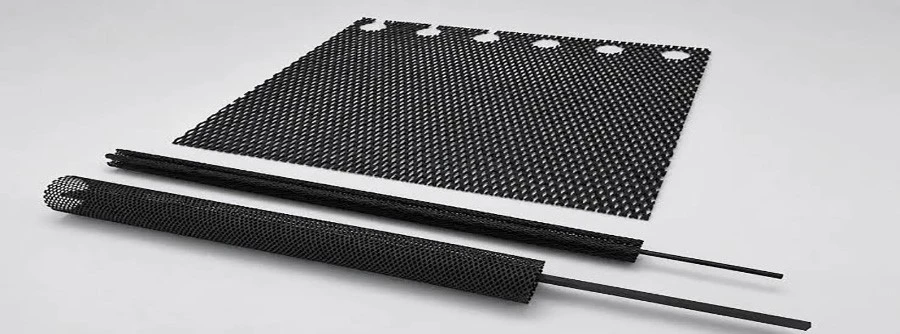
Titanium Anode Rod
1.Specification
General Shapes: Plate, Rod, Mesh, Tube or customization
Coating: The classical formula of IrO2-Ta2O5, Ru-Ir, Pt, or customization
Electrochemical reaction: Oxygen/Chlorine/Hydrogen evolution reaction
Internal Code: NAVI-1-011
Brand: NAVI Titanium®
Basic Material: Pure Titanium Gr1
Advanced fields of NAVI: PEM, PCB, wastwater treatment etc.
2.Purchasing guide
(1)Process
NAVI Titanium(since 2008) can process according to your design drawings
(2)Free sample
NAVI Titanium supply free sample for general specifications
(3)Technology support
Professional one-for-one service, design free, welcome to contact us
What Makes High Purity Titanium Substrate Essential for Titanium Anode Rod Performance?
High purity titanium has special properties that make it stand out in electrochemical settings. The titanium substrate does more than just hold the structure together; it also acts as an electrical conductor and a corrosion barrier when electrolysis conditions are harsh. High-purity titanium (usually Grade 1 or Grade 2) is very resistant to chloride ion attack, which is important for using sodium hypochlorite for electrolysis. Titanium doesn't form a steady passive oxide layer like graphite, stainless steel, iron, or copper. Instead, it forms a catalytic coating that guards the base metal while keeping the electrical conductivity.
According to research from electrical engineering studies, titanium doesn't rust because it can keep its shape in pH ranges from 2 to 12 and is also resistant to oxidizing conditions with active chlorine species. This stability makes sure that the titanium anode rod keeps working the same way for a long time, even when it's being used 24 hours a day, which is usual in water treatment plants for cities.

Why Substrate Purity Directly Impacts Coating Adhesion and Longevity

The purity of titanium substrates has a big effect on how well the metal surface and catalytic layers stick together. Impurities like iron, carbon, and air can make tiny differences that make it hard for the coating to stick. When ruthenium-iridium or platinum-based coatings are put on dirty surfaces, there is a much higher chance that they will come off too soon.
Several advanced pretreatment steps are used on high-purity titanium, such as mechanical abrasion, chemical etching, and thermal conditioning. These steps make the surface texture better and more uneven, which helps the catalytic layer stick together chemically and mechanically. The end result is a titanium anode rod with a coating adhesion strength greater than 15 MPa. This makes sure that the electrode keeps its electrochemical activity for as long as it is used.
Even though graphite anodes are cheaper at first, they fail quickly in chlorine evolution applications because they are easily oxidized and worn down. Chloride-rich electrolytes cause pitting corrosion and passivation in stainless steel, which raises the voltage and wastes energy. Copper and iron surfaces rust quickly, polluting the electrolyte and making waste products that hurt the quality of the water.
Titanium is the only material that can be used as a base for professional-grade electrolytic systems because it keeps its shape even when temperatures change and when it is under mechanical stress. The material keeps its mechanical features at temperatures ranging from -20°C to 80°C. This means that it can be used in outdoor projects during all four seasons without losing its strength.

Advanced Surface Modification Technology for Titanium Anode Rod in Electrochemical Applications

First, the surface is carefully cleaned to get rid of organic contaminants. Next, controlled etching is used to make microscopic features on the surface. Advanced makers use multiple stages of acid treatments with mixes of hydrofluoric and nitric acid that are carefully measured to get surface roughness values between 3 and 8 micrometers. This particular range makes the best touch area for covering application while keeping the surface from being too rough, which could trap dirt.
Thermal pretreatment at temperatures between 400°C and 600°C gets rid of hydrogen embrittlement and eases any stresses that are still there from the manufacturing process. This step also helps a uniform oxide layer form. This layer acts as a transition zone between the metal substrate and the catalytic coating, lowering the stress at the interface during electrochemical operation by a large amount.
Modern titanium anode rods employ gradient coating. This method prevents microcracks, coating delamination, substrate passivation, and chloride ion penetration. Modern coating technologies provide many layers with changing compositions.
Tantalum and niobium valve metals are present in greater proportions in the deepest stratum. These metals bind and prevent diffusion. The intermediate layers include mixed metal oxides with enough ruthenium and iridium for chlorine production. The top layer was given more iridium to resist wear from electrolysis' powerful oxidising species.
This architectural technique distributes thermal and mechanical stressors across surfaces. This prevents catastrophic coating breakdown from stress accumulation. Field experiments demonstrate gradient-coated electrodes retain over 90% of their catalytic activity over 50,000 hours in high-chloride environments.

Interface Catalysis Optimization for Reduced Energy Consumption
The point where the titanium substrate meets the catalytic coating is the critical zone where electrons move. Controlled oxidation and selective doping with conductive metal oxides can be used to improve this contact. This lowers the electrical resistance and overpotential needed for chlorine evolution processes.
When compared to regular coats, advanced interface engineering can lower cell voltage by 0.2 to 0.4 volts. This can save 8 to 15 percent of energy, based on how the system is designed. This drop in voltage can save between 1,500 and 3,000 kWh per electrode assembly per year for a medium-sized sodium hypochlorite plant that makes 1000 g/h of chlorine.
How Multi-Layer Coatings Improve the Chlorine Evolution Efficiency of Titanium Anode Rod
Single-metal coatings, like pure ruthenium dioxide, work well at first, but they break down quickly in chloride solutions when they are anodized. Adding iridium oxide has a synergistic effect that keeps the catalytic sites active and makes the structure more stable. Ruthenium plays a big role in chlorine evolution by creating intermediate chlorine-containing surface species. Iridium, on the other hand, makes structures stable and protects them from erosion.
The best ruthenium-to-iridium ratio changes depending on the conditions of use. For making sodium hypochlorite, the most common ratios are 60:40 to 70:30. This mix of chemicals makes sure that the titanium anode rod keeps its chlorine evolution rate above 95% for the whole time it's working, preventing the production of oxygen that isn't needed.

Reducing Overpotential and Stabilizing Long-Term Production Capacity

Overpotential, or extra voltage above what is needed by thermodynamics, is energy that is lost because it is turned into heat instead of useful electrochemical processes. Multi-layer coating designs reduce overpotential in a number of ways, including by increasing the surface area through nanostructured oxide forms, making sure that the crystals are arranged in a way that makes chlorine absorption easier, and controlling the porosity so that reactants can easily reach active sites.
Electrochemical impedance spectroscopy studies show that well-designed multi-layer coatings lower the resistance to charge transfer by 30–45% compared to single-layer options. This means lower working voltages and more steady current distribution across the electrode surface. This keeps the coating from getting too hot in one place, which speeds up the wear and tear process.
The coating layer on the outside mostly acts as a wall to keep electrolyte flow and chemical attacks from oxidizing species from wearing away the material. Higher amounts of iridium in this layer make the surface harder, more resistant to wear, and able to keep its shape. Small amounts of tantalum or tin oxides are added to some more modern formulas to make them even more resistant to erosion.
An accelerated life test in the lab that mimics continuous operation at high current densities shows that multi-layer coated titanium anode rods keep working for 60,000 to 80,000 hours, which is about 8 to 10 years of continuous service. This is three to five times better than regular single-layer electrodes, and it makes the cost of making chlorine over its entire lifecycle much lower.

Titanium Anode Rod Applications in Water Treatment, Swimming Pool Disinfection, and Sodium Hypochlorite Systems

Municipal wastewater treatment facilities are increasingly adopting electrochemical methods to remove difficult organic contaminants and clean runoff before delivering it to the sewers. Titanium anode rods oxidise in these systems. It breaks down complicated organic compounds that can't be handled physiologically with hydroxyl radicals and active chlorine species.
Because organic chemicals are converted directly into carbon dioxide and water instead of hardening, electrochemical advanced oxidation reduces sludge generation by 20–35%. This gain is crucial for locations with increased disposal costs and stricter sludge standards.
Correctly designed titanium anodes have a high oxidation rate that may clear pharmaceutical residues, industrial colours, and hormone-altering substances. This treatment technique can maintain constant levels of 200-800 A/m², making it suitable for locations processing 5,000-500,000 cubic meters of garbage daily.
Commercial pools, water parks, and other aquatic facilities must be disinfected regularly to maintain chlorine levels and reduce chemical handling and storage. Making sodium hypochlorite on-site using titanium anode rod electrolytic cells is better than supplying chlorine gas or bulk hypochlorite.
These devices employ electricity to convert weak salt solutions (3–5 g/L sodium chloride) into 0.6%–0.8% sodium hypochlorite. This is automatically added to pool circulation. The advantages include fewer chemical delivery trucks on the building grounds, reduced risk from storing harmful products, and more consistent chlorine levels due to automated and demand-matched manufacturing.
Standard 500,000-liter commercial pools need 100–150 g/h of chlorine output. Titanium anode assemblies of the correct size that operate 8 to 12 hours a day may supply this demand while utilising just 3.5 to 4.2 kWh per kilogram of chlorine generated, making operating costs comparable to supplied chemicals.

Industrial Circulating Water and Cooling Tower Biofouling Control

Industrial cooling systems constantly battle biological development, scale formation, and corrosion. Low chlorine levels from titanium anode rod electrochlorination systems prevent bacterial growth without pH shifts or solid residues.
Since titanium doesn't rust, it's ideal for cooling water when high chloride levels from evaporation would damage other electrode materials. Systems can handle freshwater and saltwater with chloride levels of 10,000 mg/L.
Electrochlorination biofouling control takes 0.5–1.5 kWh per cubic metre of circulating cooling water. This is less than chemical treatment programs due to lifetime expenses of handling, storing, and disposing.
Why Ruthenium-Iridium Coated Titanium Anode Rods Are Preferred for Long-Term Electrolysis Operation
Sodium hypochlorite manufacturing is one of the toughest electrochemical conditions. Its high chloride content, acidic conditions, and anodic polarisation accelerate coating disintegration. Ruthenium-iridium mixed oxide coatings are stable in these settings due to their collaborative processes.
Ruthenium is the major catalyst for chlorine evolution, whereas iridium stabilises the coating and slows ruthenium dissolution. The mixed oxide solidifies as a solid solution with shared crystal lattice structures that distribute mechanical stress and prevent corrosion. Because of this, the titanium anode rod works effectively in liquids with 20–100 g/L chloride ions and pH 7–9.
Effective ruthenium-iridium coatings lose less than 2% of their mass after 10,000 hours of operation, as shown by accelerated testing techniques using electrodes in salty solutions at 10,000 A/m² current density. This stability ensures the electrode works consistently throughout time.

Performance Advantages in Continuous 24-Hour Operation Cycles

Many water treatment and sanitation operations must work 24/7 to maintain system capacity and water quality. Unlike graphite or lead dioxide electrodes, ruthenium-iridium coated titanium anodes may be used for years without losing performance.
Mixed metal oxide surfaces are thermally stable, allowing for prolonged usage at current levels between 500 and 2000 A/m² without overheating or wearing out. At temperatures from 10°C to 60°C, the coating remains crystalline and catalytic. It can endure year-round water temperature variations without changing its settings.
Electrodes in municipal water treatment facilities utilising 2000 g/h sodium hypochlorite generators last over 8 years before replacement. This extends their lifespan, reducing maintenance work, system downtime, and construction cost uncertainty.
From 50 g/h swimming pool systems to 5000 g/h municipal installations, chlorine generation varies by usage. To maximise efficiency and longevity, coating formulas may be optimised for specific operating current densities for each capacity range.
In lesser capacity systems, current values typically range from 200 to 500 A/m². For maximum catalytic activity and low cell voltage, covering formulations with 70–80% ruthenium are best. Higher capacity systems (1000-2000 A/m²) are more stable with 30-40% more iridium, preventing wear acceleration at high current levels.
This optimisation ensures that each titanium anode rod has the optimum energy efficiency, operational stability, and service life for its purpose, offering system administrators the best return on their investment.

Conclusion
High-purity titanium surfaces and enhanced multi-layer ruthenium-iridium coatings provide reliable, energy-efficient electrochemical water treatment and purification systems. Titanium's corrosion resistance, stability, and electrical conductivity make it the sole base material for sodium hypochlorite and advanced oxidation processes.
Surface modification and gradient coating topologies solve the primary constraints of prior electrode designs. This allows electrodes to last 8–10 years. 20–40% less energy than standard procedures. This pays for decent electrodes and saves money over time.
Electrochemical treatment will grow more prevalent as water treatment laws tighten, and locations reduce chemical exposure. High-quality titanium anode rods from experienced manufacturers ensure that the system will perform properly, fulfil water quality regulations, and be cost-effective.
FAQ
1. How long does a titanium anode rod coated with ruthenium and iridium usually last in the process of making sodium hypochlorite?
+
-
Titanium anode rods coated with ruthenium-iridium typically have a service life of 8 to 10 years if they are used in the right way, with the right amount of current and the right kind of electrolyte. This lifespan is based on the device working at current levels of 500 to 1500 A/m² in liquids with 20 to 100 g/L of chloride ions and a pH of 7 to 9. Electrolyte temperature, current density consistency, and the presence of contaminating ions like fluoride or sulfate can all make or break the service life.
2. How does the amount of energy used by titanium anode systems compare to the old ways of making chlorine?
+
-
Depending on the cell design and working conditions, modern titanium anode rod systems with improved ruthenium-iridium coatings usually use 3.2 to 4.5 kWh per kilogram of chlorine that can be used. This is 20–40% less energy than older electrode technologies, and it's also less energy than the sodium hypochlorite itself, when you take into account the energy used for transportation and production. The benefit of using less energy is more noticeable in bigger sites, where better cell geometries and electrolyte control further lower specific energy use.
3. Are titanium anode rods safe to use in seawater to clean and prevent fouling?
+
-
Because titanium is so resistant to chloride-induced corrosion, titanium anode rods are perfect for electrolysis uses in seawater. The naturally occurring chloride in seawater means that salt is not needed. This makes electrochlorination systems very cost-effective for marine uses like treating ballast water, cooling seawater, and keeping aquaculture clean. It is possible to change the ruthenium-iridium coating recipe to work with seawater's higher chloride concentration and bromide ions, which both take part in similar electrochemical processes that create mixed halogen disinfectants.
Ready to Upgrade Your Water Treatment System with Advanced Titanium Anode Rod Technology?
NAVI Titanium makes high-quality titanium anode rods that are coated with ruthenium and iridium and are made to work in settings with a lot of salt, strong oxidation, and constant electrolysis. Our gradient coating technology and improved substrate pretreatment processes use as little as 3.2 to 3.8 kWh of energy per kilogram of available chlorine. This cuts your system's operating costs by 10 to 25 percent and increases the electrode's useful life to 8 to 10 years. Our complete line of titanium anode solutions gives you the dependability and performance you need, whether you're running a 50 g/h swimming pool system or a 5000 g/h municipal water treatment plant.
Get in touch with our technical team right away to talk about your needs and find out how NAVI Titanium's advanced electrode technology can help you treat water better. As a reliable provider of titanium anode rods, we offer full technical support from the planning of the system through to its installation and start-up.
Email us at sales@navititanium.com for full product details, help with application engineering, and quotes that are made just for your project.
References
1. Chen, G. "Electrochemical Technologies in Wastewater Treatment." Separation and Purification Technology, Vol. 38, 2004, pp. 11-41.
2. Comninellis, C. and Chen, G. "Electrochemistry for the Environment." Springer Science, 2010, pp. 245-289.
3. Martínez-Huitle, C.A. and Ferro, S. "Electrochemical Oxidation of Organic Pollutants for Wastewater Treatment: Direct and Indirect Processes." Chemical Society Reviews, Vol. 35, 2006, pp. 1324-1340.
4. Trasatti, S. "Electrocatalysis: Understanding the Success of DSA." Electrochimica Acta, Vol. 45, 2000, pp. 2377-2385.
5. Panizza, M. and Cerisola, G. "Direct and Mediated Anodic Oxidation of Organic Pollutants." Chemical Reviews, Vol. 109, 2009, pp. 6541-6569.
6. Bergmann, M.E.H. "Drinking Water Disinfection by In-Line Electrolysis: Product and Inorganic By-Product Formation." Electrochemistry for the Environment, Springer, 2010, pp. 163-204.



