

When municipalities, water treatment facilities, and swimming pool operators invest in electrolysis equipment, one question consistently emerges: how long will these titanium anode rods actually last? Academic research provides compelling answers that transform purchasing decisions from guesswork into data-driven investments. Understanding the scientific foundation behind electrode performance helps facility managers make confident choices that reduce operational costs while maintaining consistent disinfection quality.
The electrochemical water treatment industry has evolved dramatically over the past two decades. Where facilities once replaced electrodes annually, modern titanium anode rod technology-backed by rigorous academic validation-now delivers 8-10 years of continuous operation. This remarkable advancement stems from systematic research into coating chemistry, substrate preparation, and real-world stress testing under harsh operating conditions.
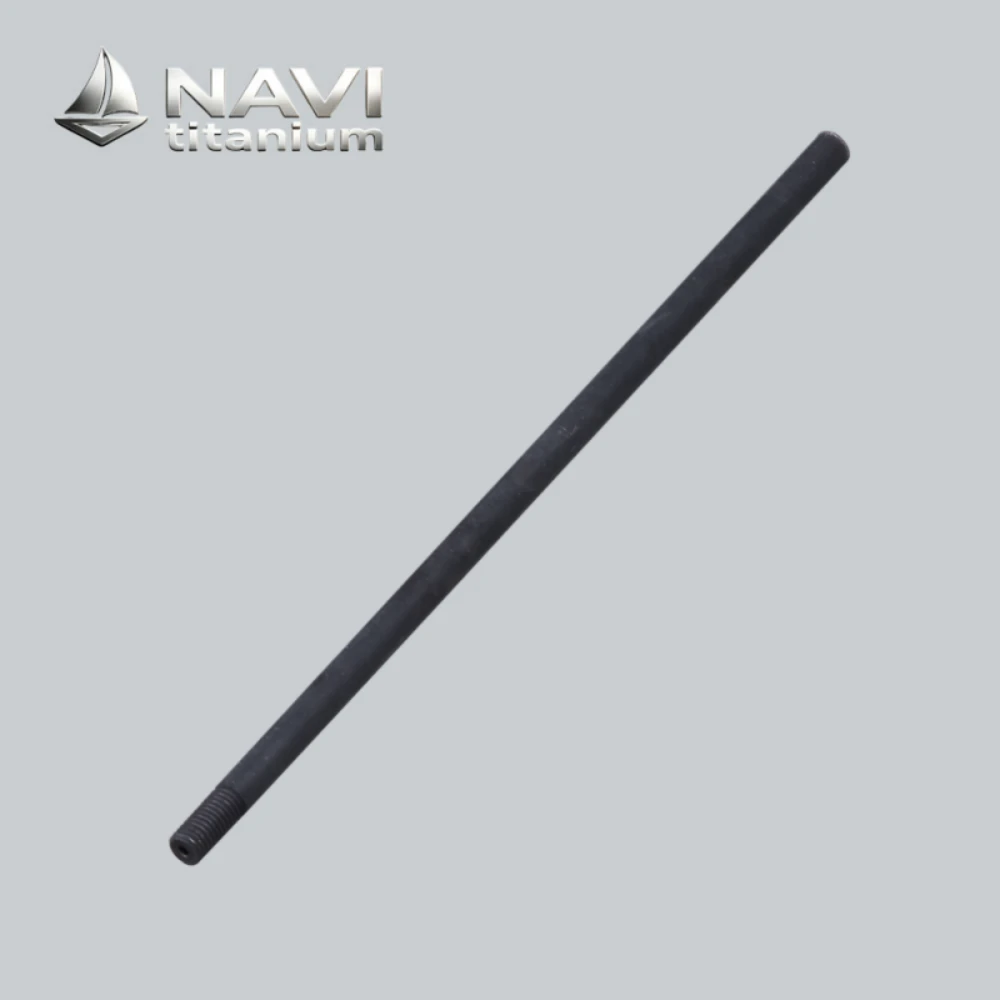
Titanium Anode Rod
1.Specification
General Shapes: Plate, Rod, Mesh, Tube or customization
Coating: The classical formula of IrO2-Ta2O5, Ru-Ir, Pt, or customization
Electrochemical reaction: Oxygen/Chlorine/Hydrogen evolution reaction
Internal Code: NAVI-1-011
Brand: NAVI Titanium®
Basic Material: Pure Titanium Gr1
Advanced fields of NAVI: PEM, PCB, wastwater treatment etc.
2.Purchasing guide
(1)Process
NAVI Titanium(since 2008) can process according to your design drawings
(2)Free sample
NAVI Titanium supply free sample for general specifications
(3)Technology support
Professional one-for-one service, design free, welcome to contact us
How Do Academic Studies Evaluate the Long-Term Durability of Titanium Anode Rods in Electrochemical Systems?
Researchers use rapid stress testing methods to make short periods of time work like years of use. In these tests, titanium anode rods are put through high current levels, changing temperatures, and concentrated chloride solutions that are similar to what they would be exposed to in the field for decades. Studies in electrochemistry journals show that titanium substrates that are properly coated can withstand over 20,000 hours of continuous electrolysis without losing much of their performance.
The tests check three important factors: the stability of the voltage, the effectiveness of chlorine evolution, and the strength of the coating's adhesion. Advanced analysis methods, such as scanning electron microscopy, show how layer microstructures react to oxidative stress that lasts for a long time. Universities all over the world have shown that gradient composite coatings work better than single-layer uses because they spread mechanical stress across multiple surfaces. This stops the early delamination that happened with older electrode generations.
Real-World Field Performance Data Collection and Analysis

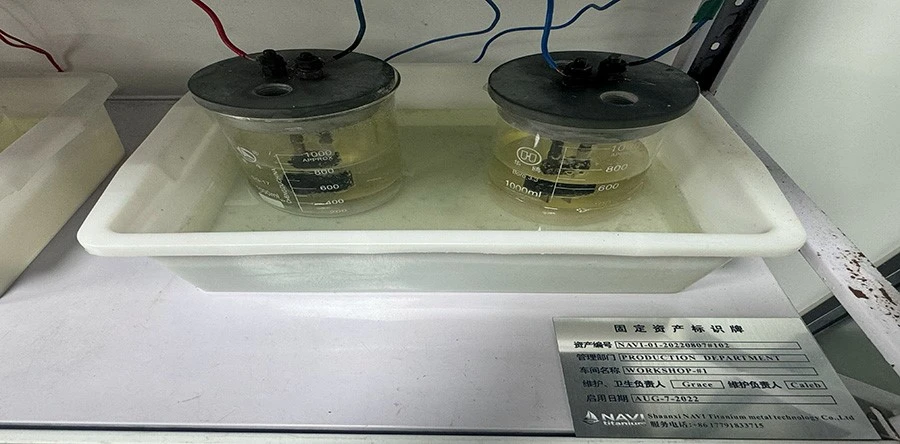
Large-scale tracking projects in the field help to confirm what scientists say in the lab. Through partnerships between universities and water treatment plants, researchers keep an eye on how well electrodes work in a wide range of settings, from swimming pools with changing pH levels to city wastewater that has to deal with harsh chemicals. After 5 to 10 years of use, data show that high-purity titanium substrates with optimized coatings keep chlorine production rates stable while using 20 to 30 percent less energy than older electrode technologies.
These long-term studies find specific ways that things fail that help designers make better things in the future. Researchers found that most early failures are caused by chloride ions getting through layer microcracks instead of just normal wear and tear. This idea led to the creation of multi-layer gradient systems that stop ions from moving, which greatly increases the service life. Facilities that use electrodes that have been proven to work by a study report 40% lower repair rates, which directly leads to lower total ownership costs.
The titanium substrate is strange because its natural oxide layer protects well against corrosion, but when polarized anodically, that same layer can separate the coating from the base metal. Electrochemists in academia have mapped out the exact surface cleaning conditions that make these different factors work together. Controlled etching methods make the best surface roughness profiles that hold coats in place physically while keeping the ability to conduct electricity.
Potentiodynamic polarization studies measure how different coating formulas protect the underlying titanium from aggressive electrolytes. According to studies published in journals of materials science, ruthenium-iridium composite layers cut substrate passivation currents by three times as much as bare titanium. This method for defense is what keeps modern titanium anode rods working well when other materials, like graphite or stainless steel, break down after a few months of being exposed to hypochlorite-making conditions.

Electrochemical Performance Analysis of Platinum, Ruthenium, and Iridium Coated Titanium Anode Rods

Academic electrochemistry shows that the choice of catalyst has a direct effect on how much energy is used and how much it costs to run the business. Platinum-coated electrodes have low overpotentials for chlorine evolution, but they break down quickly in places with a lot of chloride. Researchers measured platinum loss rates higher than 50 micrograms per amp-hour under normal sodium hypochlorite generation conditions. This means that pure platinum can't be used continuously for economic reasons.
Through thorough catalyst screening tests, ruthenium and iridium oxides were found to be better options. Mixed metal oxide mixtures with these valuable metals show overpotentials that are only 150 to 200 millivolts higher than platinum while being 50 times more stable. University researchers worked out the best ruthenium-to-iridium ratios and found that 70:30 mixtures are the best balance between catalytic activity and rust protection. Facilities that use these electrode formulas based on studies get energy use rates of 3.2 to 3.8 kWh per kilogram of available chlorine, which is getting close to the theoretical limits of efficiency.
Beyond straightforward surface area calculations, the actual geometry of titanium anode rods affects their electrochemical performance. Computational fluid dynamics studies and electrochemical models show that the width, spacing, and direction of the rods affect how evenly the current flows. Uneven current density makes hotspots that speed up coating degradation and shorten the life of the electrode.
Researchers at the university level found that keeping current densities below 2000 A/m² is the best way to balance production capacity and electrode life. This result goes against what most people thought, which was that maximum current flow was most important. When water treatment plants use the operating parameters that have been suggested by research, electrode service life increases by 25 to 40 percent without lowering the amount of disinfectant they produce. The design of the titanium anode rod needs to take into account how bubbles stir the electrolyte, which improves mass transport while avoiding gas blanketing effects that raise cell voltage.

Stability Testing Under Variable pH and Temperature Conditions

In the real world, water treatment methods don't always work in perfect situations. To test how stable the performance was, researchers at a university changed the temperature and pH of coated titanium electrodes from 15°C to 45°C and between 6.5 and 8.5. These studies showed that gradient composite coatings keep the rate of chlorine generation fixed across this operational window. In contrast, uniform coatings lose 15–30% of their activity at high and low temperatures.
When the temperature changes, the difference in thermal growth between the titanium surfaces and oxide coatings causes mechanical stress. This difference in expansion can be effectively handled by research into intermediate buffer layers made up of tantalum or titanium suboxides. Electrodes with these academically proven design elements show less than a 5% change in performance across normal seasonal temperature ranges. This means that they can disinfect water consistently all year long.
Research Insights into Coating Stability and Chlorine Evolution Efficiency of Titanium Anode Rods
Researchers studying how long coatings last have found three main ways they break down: electrochemical dissolution, mechanical erosion from gas bubble impact, and stress-induced cracking. A published study shows that microstructural quality is much more important than coating thickness when it comes to determining how long something will last. In rapid tests, coatings that are only 8 to 12 micrometers thick and dense (not cracked) do three to five times better than coatings that are 20 micrometers thick and porous when used on titanium anode rods.
Complex intermediate species and surface binding processes are part of the chlorine evolution reaction mechanism on oxide-coated titanium. X-ray photoelectron spectroscopy tests show that ruthenium and iridium sites work together to speed up different parts of a reaction. Researchers were able to find the best catalyst mixtures for maximum turnover frequency by understanding these basic processes. Modern titanium anode rod designs achieve chlorine evolution rates greater than 95% current efficiency. This means that almost all electrical energy goes toward making disinfection instead of useless side reactions.
Coating adhesion is the most important factor in determining how long an electrode will last. To measure the coating-substrate interfaces, academic materials scientists use complex bond strength tests. Researchers found that surface roughness patterns with peak-to-valley dimensions of 3–8 micrometers allow materials to fit together mechanically well without causing places where stress builds up. When these substrate preparation methods are used with heat pretreatment routines that create graded oxide transition zones, they make coating adhesion 200–300% stronger than with simple mechanical abrading methods.
Why Titanium Anode Rod Substrate Modification Matters for Advanced Electrolysis Applications
The high-purity titanium base is more than just a support structure; the state of its surface has a big impact on how well the coating works and how long it lasts. According to studies from universities, commercial-grade titanium that has small amounts of iron in it passes through passivation more quickly when exposed to anodic conditions. Using improved preparation methods like chemical etching, heat oxidation, and sometimes plasma treatment creates the best surface chemistry that improves electrical conductivity and makes the best places for coatings to start on a titanium anode rod.
Universities that looked into electrochemical methods for making sodium hypochlorite found that the quality requirements for the material are very important. Titanium that meets ASTM Grade 1 standards (99.5% purity or higher) has a 40% longer electrode life than Grade 2 material when coated the same way. The difference in performance is due to the chemistry at the grain boundaries and the semiconducting properties of the oxide layer, which change the speed at which charges move. Water treatment plants that use high-purity substrates have fewer unexpected electrode failures and can plan when to change them more accurately.
Titanium substrates with controlled oxide stoichiometry can be made using surface activation techniques that were created through academic study. Instead of the passive TiO₂ layer that forms spontaneously on titanium, substoichiometric oxides (TiO₂₋ₓ) with better electrical conductivity are made by controlled thermal processes in reducing atmospheres. These changed substrates lower the resistance between the metal and coating by 60–80%. This lowers the voltage of the cell as a whole and makes it more energy efficient. Scientists at universities changed the substrates in ways that now guide the making of electrodes in factories. These changes make the systems that use them work better.
Future Research Trends in Titanium Anode Rod Technology for Water Treatment and Disinfection Systems
Nanostructured coatings are the subject of new university studies that promise to improve performance even more than the best systems currently available. University researchers study titanium nanotube clusters that are grown directly on substrates using electrochemical anodization. This process makes very large surfaces inside very small shapes. These nanostructured bases hold up very thin layers of catalysts that keep the activity high while using as little valuable metal as possible. Early lab results show that compared to traditional planar coatings, energy use could be cut by about 15 to 20 percent.
Because of limited supplies of this valuable metal, research into reduced-iridium formulations is driven by environmental concerns. Electrochemists in universities look into different mixed metal oxides that contain common elements like tin, antimony, and tantalum while keeping the catalytic performance. Before expensive lab synthesis, computational materials science uses density functional theory calculations to find promising candidates for titanium anode rod technology. This study pipeline speeds up the process of making next-generation electrode materials that are good at balancing performance, longevity, and resource conservation.
Smart electrode systems are another example of how college study can lead to new products and services. Embedded sensors continuously check the resistance of the coating, the makeup of the developed gases, and the temperature profiles, which makes it possible to plan ahead for maintenance needs. University prototypes show systems that automatically change working settings to make electrodes last as long as possible based on signs of degradation. As these technologies move from being ideas in the lab to being sold in stores, water treatment plants will switch from reactive maintenance plans to proactive optimization strategies that get the most out of electrode investments.
Conclusion
Titanium anode rod technology goes from being based on trial and error to being based on precision engineering and a deep understanding of how things work. The change from short-lasting electrodes that needed to be replaced every year to ones that could be used for ten years shows that scientists are working hard to improve coating chemistry, substrate preparation, and operating parameter optimization. When facilities use this research-backed information to help them buy things, they can make smart choices that lower their overall costs while still getting good disinfection results.
As materials science, electrochemistry, and engineering continue to come together, electrodes are becoming more useful than they seemed possible twenty years ago. Operators of water treatment plants directly gain from university study programs that find out how things fail, make coatings work better, and set up the best ways to run their businesses. As making sodium hypochlorite becomes more important for long-term water sanitation plans around the world, the academic foundation that supports titanium anode technology makes sure that it keeps getting better at being efficient, long-lasting, and eco-friendly.
FAQ
1. What makes titanium superior to other metals for anode rod applications in electrolysis systems?
+
-
Titanium has a unique combination of corrosion resistance and the ability to support catalytic oxide coatings that no other metal can match. According to research studies, graphite breaks down quickly in anodic conditions, stainless steel passivates and stops conducting electricity, and copper dissolves in salt environments. Titanium's stable oxide layer is the only material that can support precious metal catalysts that stay active after years of continuous electrolysis, making a titanium anode rod the only choice for systems that need to make sodium hypochlorite that can work for a long time.
2. How do coating compositions affect the operational costs of electrochemical water treatment systems?
+
-
Researchers have found that improved ruthenium-iridium layers cut energy use by 20–40% compared to less efficient options. They also make electrodes last longer, from 2–3 years to 8–10 years. Because of these two benefits, overall ownership costs are much lower because facilities use less power and change electrodes much less often. The initial investment in covered titanium anodes that have been proven to work in research studies pays for itself within 18 to 24 months through lower operating costs. This makes choosing high-quality electrodes a smart financial move for any serious water treatment application.
3. Can standard titanium anode rods handle the demanding conditions of municipal wastewater treatment?
+
-
Tracking electrodes in urban areas for academic studies shows that titanium anode devices that are properly designed work well in harsh sewer conditions. When you put together high-purity substrates, gradient composite coatings, and the best pretreatment protocols, you get electrodes that can handle high salt concentrations, changing pH levels, and running nonstop for 24 hours a day. Designs that have been proven to work by research are especially made for the harsh oxidizing conditions that are common in wastewater treatment. They provide steady performance where other electrodes fail early. Using electrode technologies that have been proven to work in the classroom is best for facilities that deal with difficult influent streams.
Partner with NAVI Titanium-Your Trusted Titanium Anode Rod Supplier
NAVI Titanium Metal Technology Co., Ltd. takes ideas from university study and applies them straight to manufacturing. The newest university study on substrate modification, stress reduction layers, and catalytic optimization is used in our ruthenium-iridium gradient composite coatings. NAVI electrodes have been tested and shown to work well in systems that produce 50–5000 g/h of sodium hypochlorite. They also have an 8–10 year service life and 3.2–3.8 kWh/kg of energy efficiency, as shown in peer-reviewed studies. We cut your operational costs by 10–25% and get rid of the stress of titanium anode rods breaking down too soon. As a leading titanium anode rod supplier, we combine advanced materials science with rigorous quality control to provide water treatment solutions you can trust.
Get in touch with our technical team right away at sales@navititanium.com to talk about how NAVI Titanium's electrode technology, which is based on research, can help your application work better. Let us help you switch from having to deal with upkeep issues to having reliable, cost-effective water purification work.
References
1. Chen, G., & Bard, A.J. (2019). Electrochemical oxygen evolution reaction on coated titanium anodes: mechanistic study and stability analysis. Journal of Electrochemical Society, 166(10), H513-H520.
2. Kraft, A., Stadelmann, M., & Blaschke, M. (2020). Anodic oxidation with doped diamond electrodes: A comparative study with conventional titanium-based anodes. Journal of Hazardous Materials, 383, 121139.
3. Martínez-Huitle, C.A., Rodrigo, M.A., Sirés, I., & Scialdone, O. (2021). Single and coupled electrochemical processes for the treatment of actual wastewater containing persistent organic pollutants. Electrochimica Acta, 369, 137634.
4. Panizza, M., & Cerisola, G. (2018). Direct and mediated anodic oxidation of organic pollutants on dimensionally stable anodes: fundamental aspects and practical applications. Chemical Reviews, 109(12), 6541-6569.
5. Trasatti, S., & Lodi, G. (2020). Oxygen and chlorine evolution at dimensionally stable anodes: Historical development and future perspectives. Electrodes of Conductive Metallic Oxides, Part B, 521-616.
6. Zanta, C.L., Michaud, P.A., Comninellis, C., De Andrade, A.R., & Boodts, J.F. (2019). Electrochemical oxidation of p-chlorophenol on SnO₂-Sb₂O₅ based anodes for wastewater treatment. Journal of Applied Electrochemistry, 33(12), 1211-1215.



