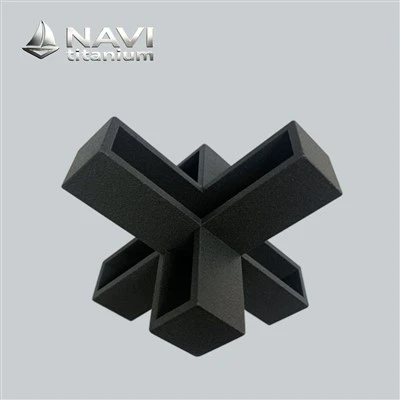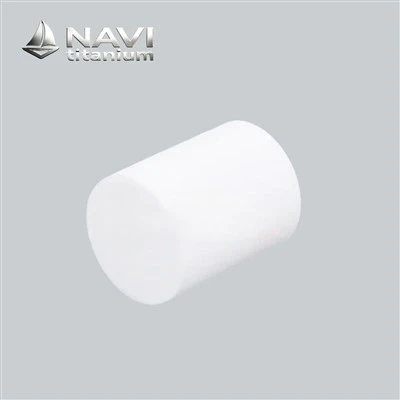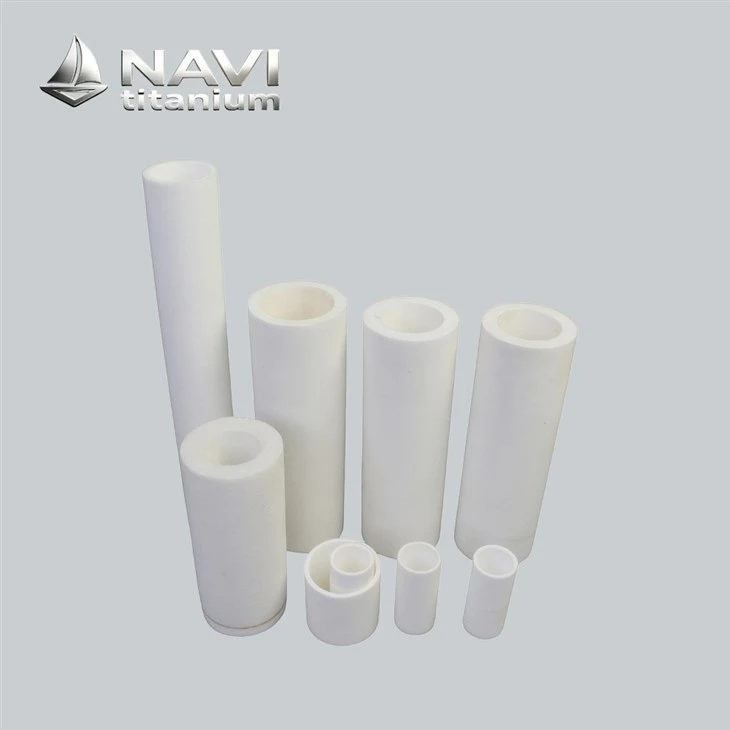
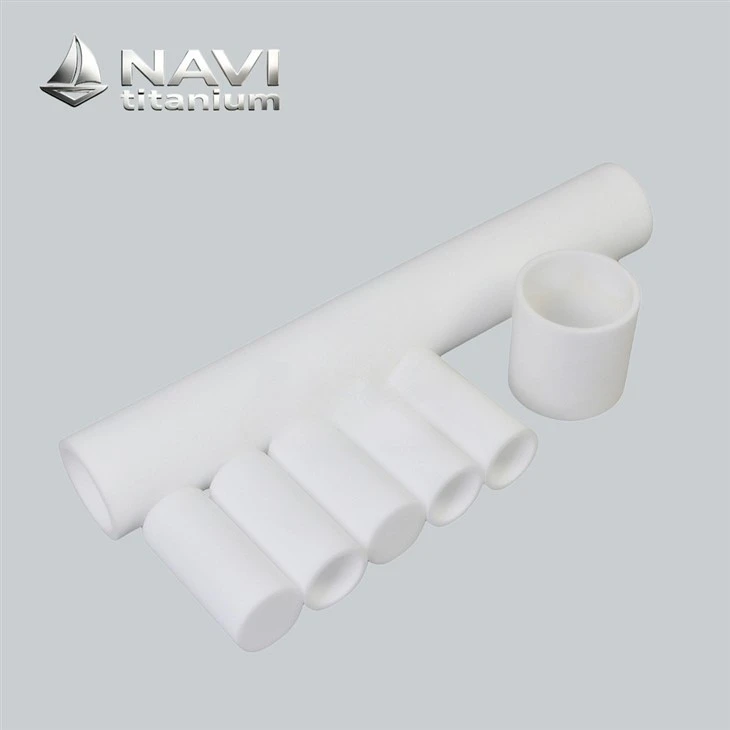
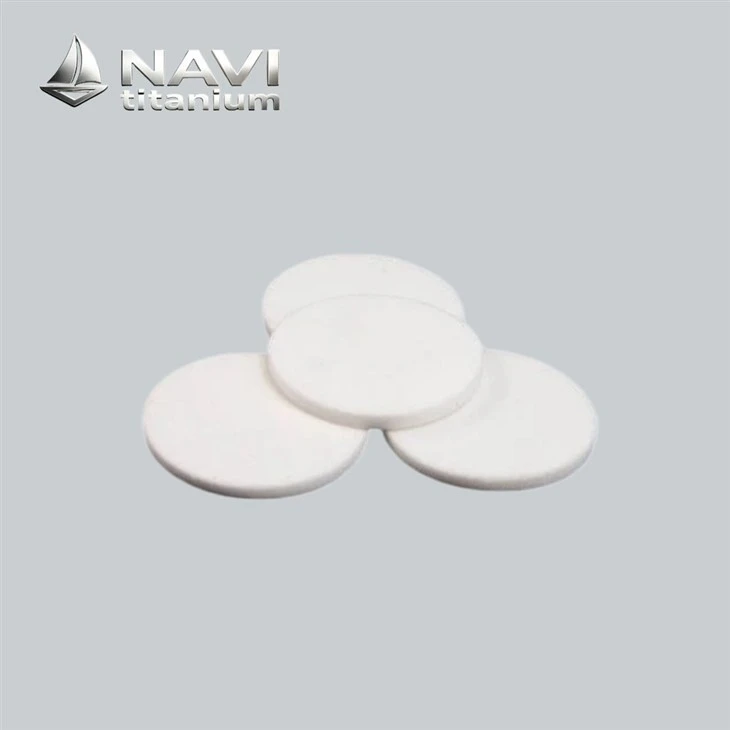
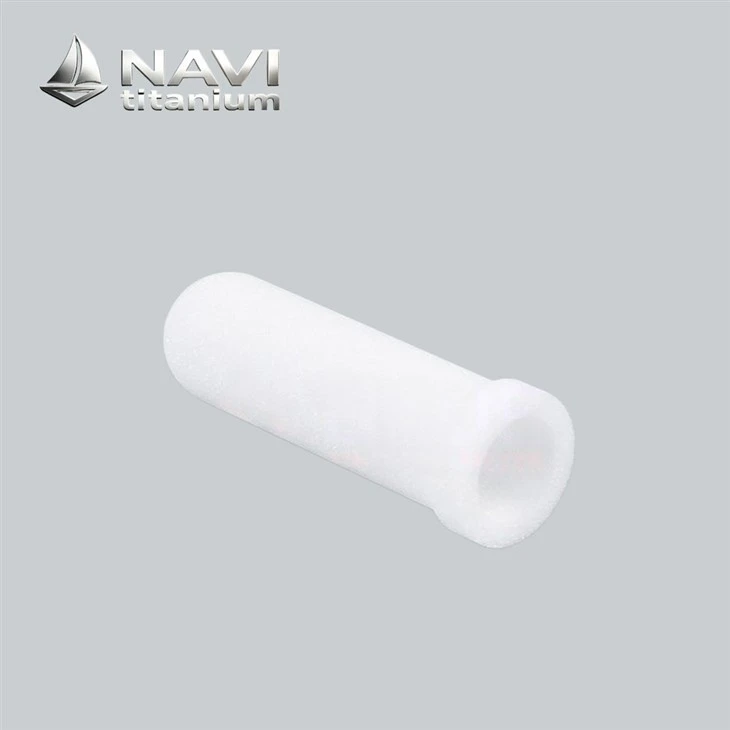
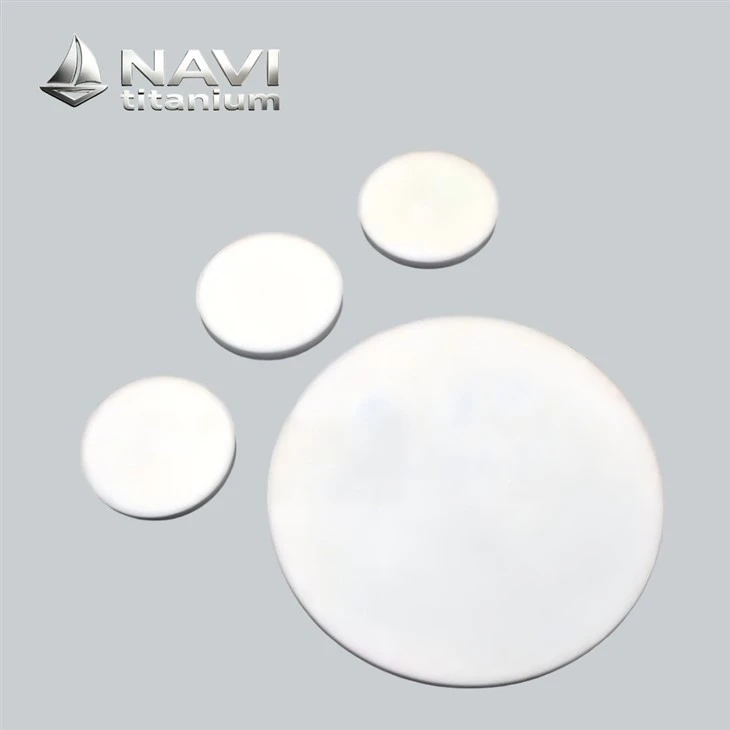
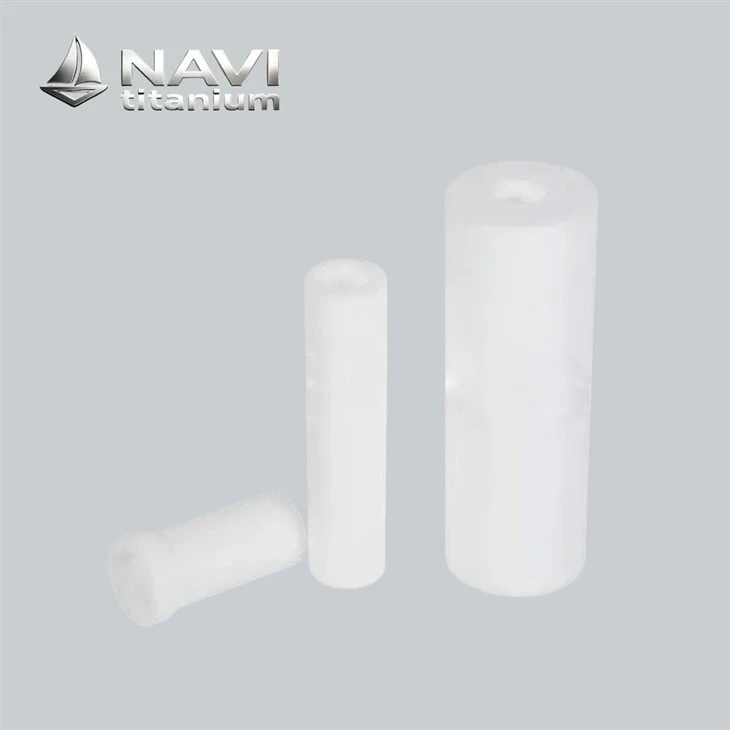
NAVI Titanium's sintered porous plastic is produced by sintering fine‑grade plastic powder without any binders or bonding additives, forming dimensionally‑stable rigid parts featuring interlinked pores to deliver consistent fluid purification performance. NAVI Titanium enforces full‑process quality oversight covering raw‑material incoming inspection, powder classification, sintering execution, post‑sinter machining as well as final‑stage product testing. Critical indicators are closely monitored throughout production to sustain stable product quality and repeatable performance.
Solution of NAVI Titanium
These porous plastic products can be produced via precisely regulated powder sintering workflows. Carefully screened polymer powder is compacted and subsequently produced in a binder‑free manner, generating interconnected pore channels with tunable permeability and steady cleaning capability. Subject to the polymer grade you opt for, the porous hardware can withstand exposure to acids, alkalis and saline solutions while retaining good dimensional stability under operational loads.


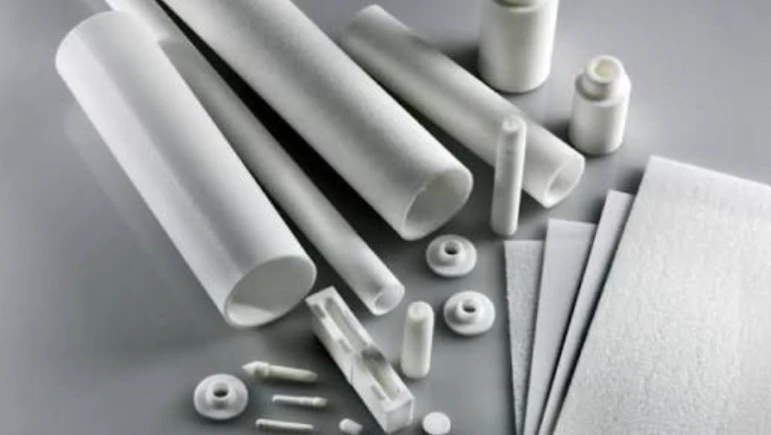
These elements can be fabricated into straight tubes, closed‑end separation cartridges, flat circular discs, threaded port fittings, bayonet‑style connection pieces and stepped multi‑diameter bodies. Thanks to cost‑efficient tooling resources and flexible manufacturing workflows, our porous plastic productions fit both low‑volume R‑&‑D prototype projects and mass‑scale ongoing production runs.


Application
Sintered porous plastic finds wide deployment within chemical processing, water treatment, food & beverage, pharmaceutical, semiconductor and general‑industrial filtration set‑ups. Their light weight, anti‑corrosion property, material purity and tunable pore geometry render them ideal for use‑cases where conventional metallic media cannot satisfy operating constraints. End‑users can pick PE, PP, PA, PTFE or PVDF according to targeted chemical compatibility, temperature threshold, permeability demand and mechanical‑strength needs. Bespoke contours and tailored filtration grades allow these elements to seamlessly integrate into existing equipment, pressure vessels and fluid handling assemblies.
Within chemical manufacturing and water‑treatment facilities, the plastic parts carry out liquid clarification, suspended‑solid removal, pre‑filtration duties and fluid homogenizing distribution. Their non‑metallic build grants strong tolerance against numerous acid, alkali and salt solutions, fitting harsh corrosive process environments where metal contaminant retention media show limited compatibility. Tuned pore structures deliver stable permeability and solid particle interception; lightweight construction eases field installation, replacement and equipment integration. PE and PP serve as common selections for general‑purpose chemical and water‑handling usages, while PTFE and PVDF are reserved for harsher chemical service conditions. Products can be supplied in tubular, disc, cartridge or other bespoke geometries to retrofit existing filtration hardware. Pore dimension, wall thickness, overall size and flow characteristics can all be fine‑tuned for given operating parameters and system designs. These solutions work reliably for continuous‑mode production alongside regular maintenance cycles. Tailored‑built producing can diverse installation schemes and connection interface requirements.
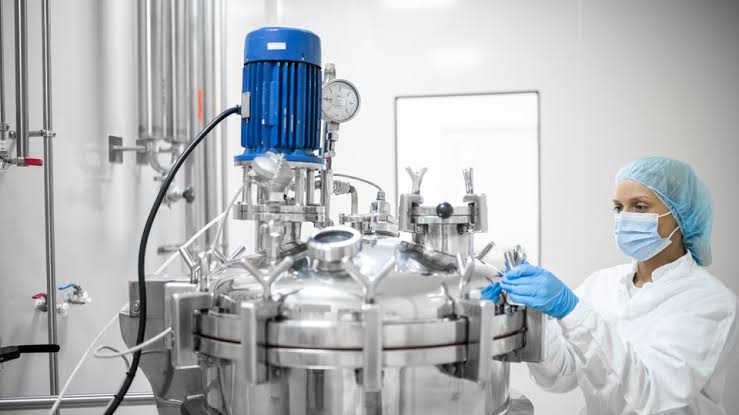
For food‑grade, pharmaceutical and other purity‑critical sectors, this type of plastic acts as a viable solution for liquid filtering, gas & air cleaning, venting duties and fluid distribution tasks. Binder‑free production eliminates risks of adhesive residue contamination; non‑metallic material removes worries of metal‑ion dissolution or material corrosion. The stiff porous framework holds shape during operation, and can be engineered with varied pore grades to strike a balance between particle retention and through‑flow rate. PE, PP, PTFE and PVDF material options cover diverse process media, working temperatures and cleanliness criteria, enabling material selection aligned with chemical compatibility and process hygiene goals. Bespoke porous‑plastic elements can be machined into special shapes and sizes for process devices, storage tanks, device housings and other fluid‑handling hardware for smooth incorporation into established production lines. They also fit scenarios calling for convenient cleaning cycles, steady throughput and dependable long‑term running performance. Material grades can be further matched with process fluid chemistry and equipment layout requirements.
Purchasing guide

Quality control (QC)
Every porous plastic insists on full batch traceability and comes with complete inspection documentation. Resin batch lots and manufacturing batches are fully logged and audited covering pore‑grade validation, dimensional accuracy, weight check, visual appearance, extractable‑substance testing and food‑contact compliance assessment. Certificates of analysis and inspection test reports are available upon request for each individual order.

Manufacturing Process
Production of plastic parts commences with careful polymer grade selection guided by required chemical resistance, service‑temperature scope, mechanical‑strength targets and performance metrics. Typical material candidates are PE, PP, PA, PTFE and PVDF. Selected polymer powder then goes through preparation and particle‑size classification to achieve target grain size and expected final pore architecture.
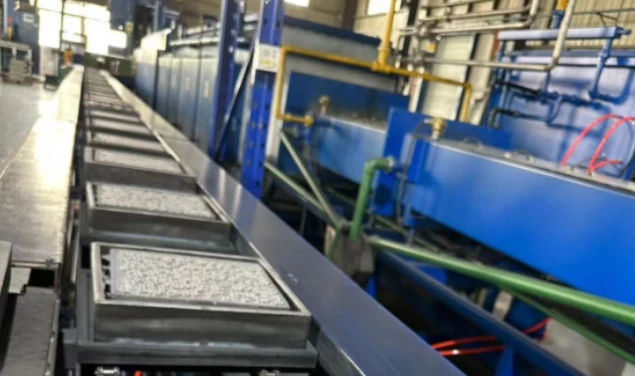
In the molding phase, classified powder is uniformly filled into high‑precision mould cavities and compacted to achieve target geometry and dimensional specifications. Unlike standard plastic forming techniques, porous plastic manufacturing avoids full bulk polymer melting. Instead, controlled thermal treatment makes polymer particles bond only at contact points, while interconnected pore pathways remain preserved throughout the finished component body.
Once sintering completes, workpieces undergo controlled cooling procedures to mitigate deformation risks and guarantee dimensional consistency. Subject to product design specifications, follow‑up operations such as cutting, precision machining, hole‑drilling, edge trimming, washing and surface finishing may be performed. Every processing phase is tightly controlled based on component material, outer dimensions, wall thickness and target porosity targets.
Prior to shipment, finished parts pass multi‑item acceptance checks for dimension tolerance, visual appearance, weight, pore characteristics plus other specified acceptance criteria. This standardized manufacturing workflow yields consistent pore distribution, intact structural performance and trustworthy filtration capability for varied scenarios.
Comparision between Sintered Metal Filters and Sintered Plastic
Both products leverage engineered porous architectures for filtration, flow homogenization and fluid management. Their key distinctions stem from inherent material traits and applicable service conditions. Sintered‑metal filters deliver superior mechanical robustness, pressure‑bearing capacity and high‑temperature tolerance; sintered‑plastic alternatives feature lighter weight, outstanding chemical inertness and broader polymer‑material selections. Final material choice hinges on working temperature, pressure rating, chemical compatibility, filtration objectives and overall system architecture.
| Comparison | Sintered Metal | Sintered Plastic |
| Typical Materials | SS304, SS316L, Titanium, Nickel, Inconel, Hastelloy | PE, PP, PA, PTFE, PVDF |
| Temperature Resistance | Suitable for high-temperature | Generally suitable for low to medium temperatures |
| Mechanical Strength | High strength and rigidity | Lightweight with moderate mechanical strength |
| Weight | Relatively heavy | Lightweight |
| Porous Structure | Rigid and stable under pressure | Lightweight and interconnected porous structure |
| Pressure Resistance | Suitable for higher-pressure | Generally suited to lower-pressure |
| Main Advantage | Strength, durability, and temperature resistance | Lightweight, chemical resistance, and material flexibility |
Pore Structure and Filtration Performance
Sintered porous plastic contaminant retention performance depends on a combination of pore structure, porosity, material properties, component thickness, and operating conditions. During controlled sintering, polymer particles bond together without fully melting, creating interconnected pores throughout the component. This porous network allows liquids or gases to pass through while retaining particles according to the selected grade. Pore size and porosity can be adjusted through material selection and manufacturing conditions to meet different flow and retention requirements. In practical applications, finer pores generally provide higher particle retention, while larger pores can provide higher flow rates and lower pressure drop. However, pore size alone does not determine actual performance. Fluid viscosity, particle characteristics, pressure, temperature, effective area, and parts's thickness must also be considered when designing a sintered plastic component for a specific application and expected operating cycle, service conditions, and maintenance requirements.
Pore‑size acts as a core performance metric defining sintered‑plastic filter's interception capability. In production workflows, polymer powder particle dimension and particle‑size distribution shape interconnected pore channels generated post‑sintering. Smaller‑pore structures enhance fine‑particle holding capacity; larger‑pore layouts provide unobstructed pathways for fluid flow. Target pore grade should therefore be selected based on contaminant particle size, fluid properties and expected filtration outcomes. For tailored‑engineered elements, NAVI Titanium can tune polymer grades, powder particle sizes, wall thickness and sintering regimes to achieve designated pore architectures. Sintered‑plastic products can be manufactured into diverse shapes including discs, tubes, sheets, filter cartridges and formed tailored parts. Such manufacturing flexibility allows filter structures to be directly integrated into client‑owned equipment or assemblies, sustaining stable dimensional accuracy and functional performance through continuous long‑time operation.
Porosity and Flow Performance

Porosity represents the volume‑fraction of open void space within sintered‑plastic workpieces and imposes direct influence over flow throughput and pressure‑drop magnitude. More open porous structures generally offer enlarged flow cross‑section and lower flow resistance; denser pore configurations improve particle‑trapping performance and structural rigidity. A reasonable performance balance should be determined against working‑condition constraints and contaminant retention targets. Filter wall thickness also exerts performance impact: thicker walls create longer fluid‑separation paths yet may raise flow resistance under identical operating conditions. As a consequence, pore‑size and porosity must be assessed together with flow‑rate, pressure, fluid viscosity, temperature and available effective fluid purification area. NAVI Titanium tailored‑tunes these technical parameters for diverse system requirements, allowing clients to develop sintered‑plastic parts balancing filtration efficiency, permeability, mechanical strength and service life. Performance targets can be aligned prior to formal production so finished devices fully match real‑world operating conditions and maintenance requirements.
FAQ
Can sintered plastic products be tailored?
-
Yes. We can customize the material, dimensions, pore size, porosity, shape, and connection design according to your requirements.
Can you manufacture sintered plastic com from drawings or samples?
-
Yes. Customer drawings, samples, and technical specifications can be used as references for customized production and OEM projects.
Which plastic materials are available for made-to-order?
-
Common options include PE, PP, PA, PTFE, and PVDF. Material selection depends on chemical compatibility, temperature, pressure, and application requirements.
Can the packaging be tailored?
-
Yes. Packaging can be arranged according to product size, quantity, transportation method, and customer requirements, including individual protection, cartons, pallets, and wooden cases.
How are sintered plastic filters protected during shipping?
-
Each product is packed according to its shape and structure to help prevent impact, contamination, moisture, and deformation during handling and transportation.
Hot Tags: sintered porous plastic, China sintered porous plastic manufacturers, suppliers, factory, controlled porosity sintered polymer filter, porous polymer filter plate, porous PTFE filter vent, sintered polypropylene filter disc, sintered porous plastic filter tube, sintered PTFE filter cartridge