


Industrial procurement is changing. For manufacturers, engineering contractors, equipment integrators, and international distributors, selecting a supplier is no longer simply a matter of comparing quotations. Material consistency, manufacturing capability, documentation, delivery coordination, and long-term operating costs are becoming increasingly important parts of purchasing decisions.
For metal components used in electrochemical systems, filtration equipment, industrial machinery, and other demanding applications, a small difference in material quality or manufacturing precision can affect installation, maintenance, and production continuity.
At NAVI Titanium, we believe that effective procurement begins with understanding how a component will perform in its actual operating environment. This perspective guides our approach to titanium anodes, sintered metal filters, titanium fasteners, and other metal products supplied for industrial applications.
1. Procurement Is Moving Beyond the Lowest Quotation
A competitive purchase price remains important, especially when buyers manage multiple suppliers or recurring orders. However, the initial quotation does not always reflect the total cost of using a product.
For example, an electrode that requires premature replacement may increase maintenance expenses. A filter that cannot be cleaned effectively may generate additional consumable costs. Fasteners with inconsistent dimensions may slow assembly and complicate inventory management.
These considerations are encouraging procurement teams to evaluate suppliers through a broader framework.
| Purchasing factor | What buyers should verify | Potential business impact |
|---|---|---|
| Material suitability | Grade, composition, and compatibility with operating conditions | Reduced risk of premature failure |
| Manufacturing consistency | Dimensional tolerances and batch-to-batch repeatability | More predictable installation and operation |
| Technical support | Drawing review and application-specific recommendations | Fewer specification misunderstandings |
| Quality documentation | Material certificates and applicable inspection records | Improved traceability and purchasing confidence |
| Delivery management | Packaging, lead time, and shipment coordination | Better production and project planning |
| Long-term cost | Service life, maintenance, and replacement frequency | More informed purchasing decisions |
The objective is not to select the most expensive option. It is to identify the specification that meets operational requirements without creating unnecessary costs elsewhere in the process.
2. Material Selection Requires More Than a Product Name
Industrial buyers often begin with a familiar material grade or product category. Yet a material designation alone cannot establish whether a component is suitable for a particular application.
Operating temperature, chemical exposure, mechanical loading, current density, pressure, and maintenance conditions can all influence material selection.
For titanium anodes, the coating system and electrochemical environment are particularly important. Different applications may require different coating chemistries and electrode structures. A solution intended for chlorine evolution, for example, should not automatically be treated as suitable for an oxygen-evolution process.
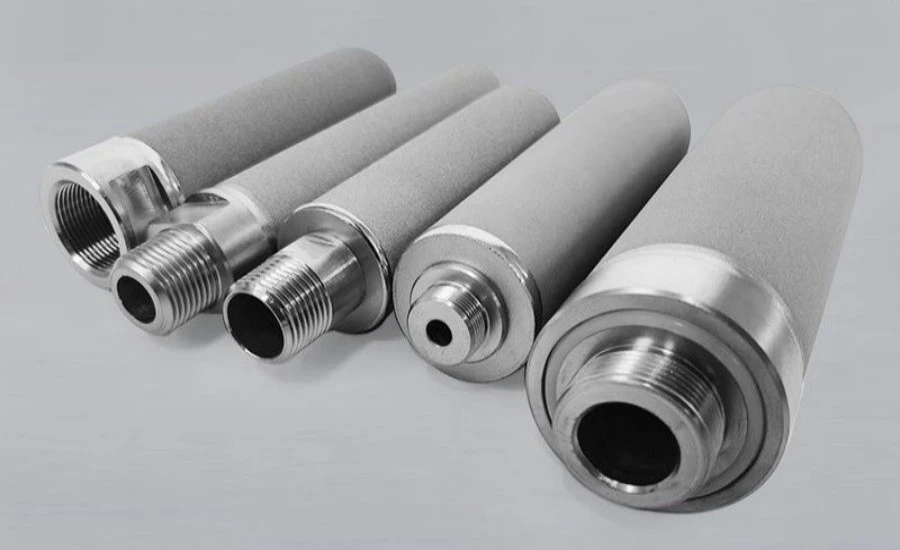
For sintered metal filters, pore size is only one part of the specification. Permeability, filtration requirements, pressure drop, cleaning method, and resistance to the process medium also deserve attention.
For titanium fasteners, alloy grade, thread dimensions, loading conditions, installation torque, and resistance to galling can affect application performance.
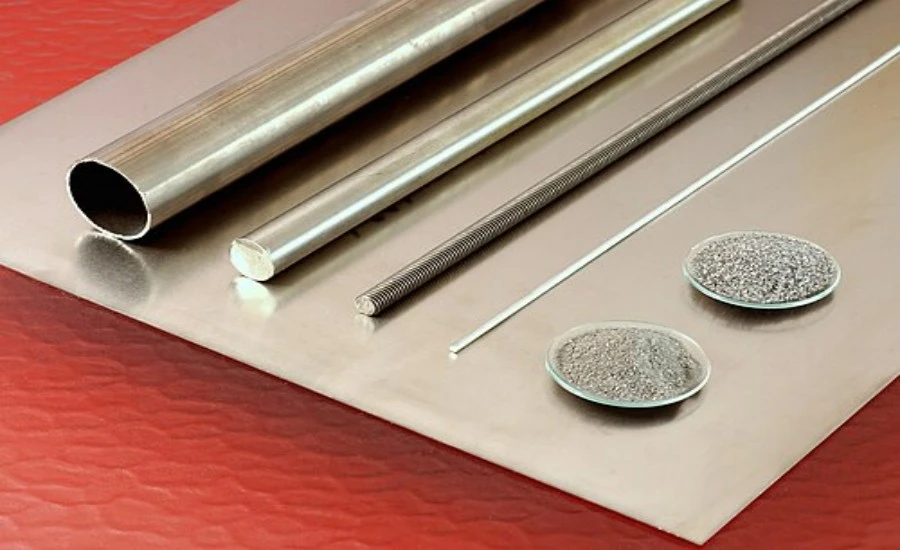
NAVI Titanium encourages buyers to establish the actual operating requirements before finalizing a specification. This helps connect product selection with the conditions the component must withstand.
3. Customization Is Becoming a Practical Procurement Tool
Standard products remain useful for established applications, but industrial equipment frequently involves specific dimensions, interfaces, or performance requirements. In these situations, drawing-based customization can help reduce the gap between a catalog item and the component required by the equipment.
NAVI Titanium supports product discussions based on engineering drawings, samples, dimensional specifications, and application requirements. Depending on the product, customization may involve electrode geometry, filter dimensions, material selection, or fastener configurations.
A practical customization process generally includes four stages:

Requirement Review
Confirm the intended application, operating conditions, and essential dimensions.

Technical Assessment
Review material suitability, manufacturing feasibility, and relevant tolerances.
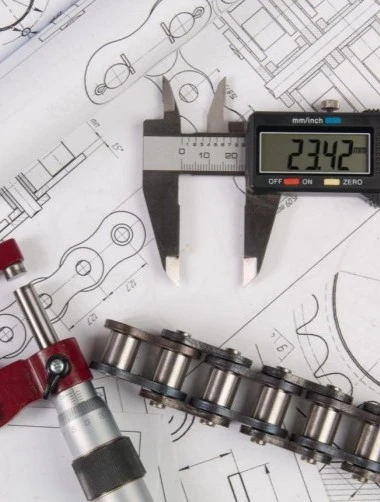
Specification Confirmation
Agree on drawings, inspection requirements, and applicable documentation.
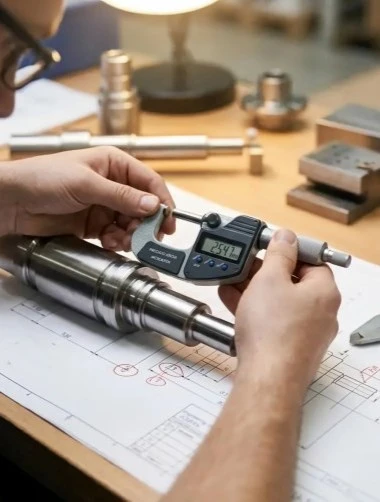
Manufacturing & Inspection
Produce the agreed configuration and verify the specified characteristics before product.
This process is especially useful when buyers need to replace an existing component, adapt equipment to a new process, or consolidate several related specifications into a more manageable purchasing program.
Customization should not mean adding unnecessary complexity. Its value lies in achieving a clear technical purpose while keeping manufacturing and inspection requirements practical.
4. Quality Documentation Is Part of the Supply Chain
For international industrial procurement, product conformity is not established by appearance alone. Buyers may need records that connect the delivered goods with the agreed specification and the relevant inspection results.
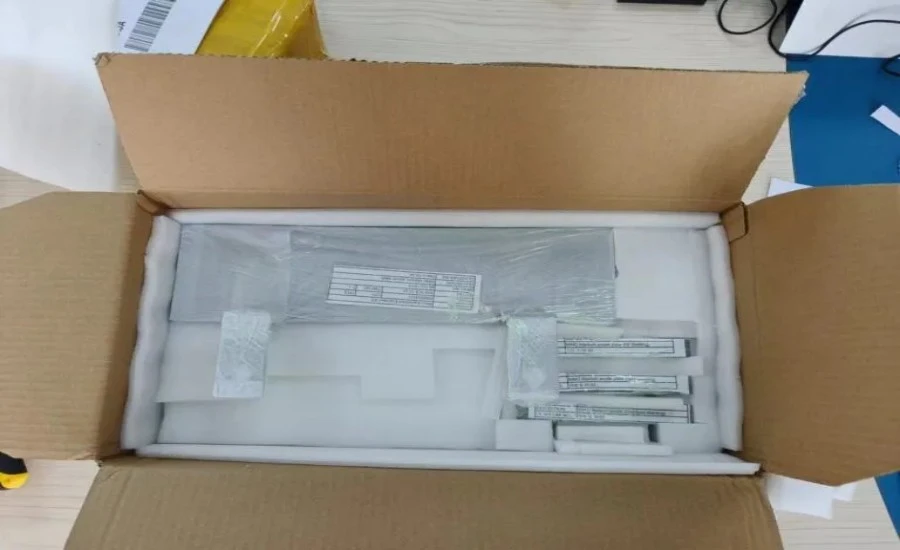
Depending on the product and purchase agreement, useful documentation may include material test reports, certificates of analysis, dimensional inspection records, coating-related test results, batch identification, and packaging or shipment records.
Not every product requires the same documentation package. The appropriate records depend on the application, contractual requirements, and applicable standards.
Before placing an order, buyers should clarify three questions:
- Which material and performance characteristics must be verified?
- Which inspection records must accompany the shipment?
- How will the delivered batch be identified if a technical question arises later?
Clear answers can reduce misunderstandings between procurement, engineering, quality assurance, and receiving teams.
For suppliers, consistent documentation also supports more organized communication and makes it easier to address specification questions throughout the order process.
5. Delivery Planning Deserves Attention Before Production
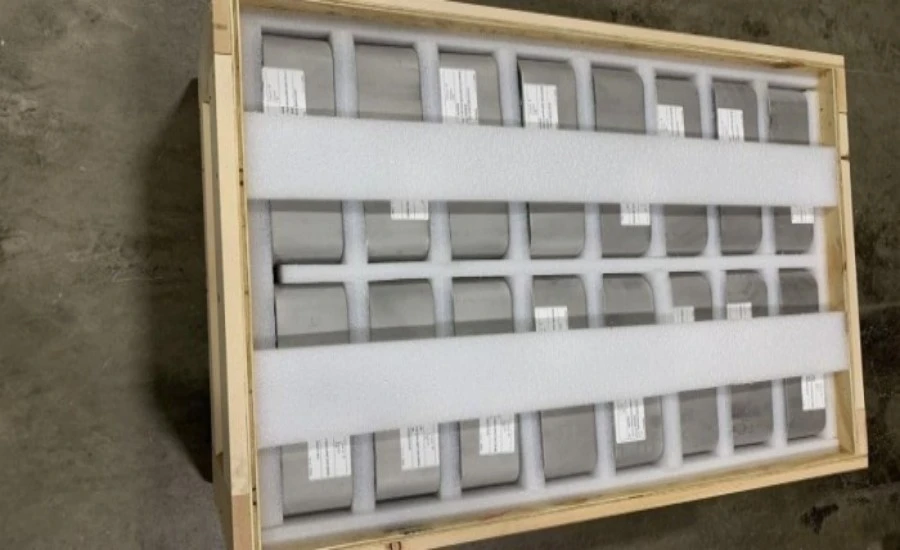
International shipments involve more than dispatching finished goods. Packaging, labeling, handling requirements, shipping documents, and the receiving schedule can all affect whether a delivery proceeds smoothly.
Different metal products require different protective measures. Precision fasteners may need organized packaging to prevent mixing and surface damage. Porous filter elements require protection against impact, contamination, and deformation. Coated titanium anodes may need packaging that prevents abrasion or contact damage to functional surfaces.
A useful pre-shipment checklist includes:
| Checkpoint | Recommended action |
|---|---|
| Product identification | Confirm part numbers, quantities, and agreed specifications |
| Surface protection | Match protective packaging to the product's construction |
| Documentation | Prepare the agreed certificates and inspection records |
| Shipment preparation | Confirm labels, packing lists, and applicable export documents |
| Receiving coordination | Align dispatch plans with the buyer's project schedule |
Discussing these requirements before manufacturing is often more effective than resolving them after the goods are ready to ship.
6. Building Supplier Relationships Around Technical Clarity
Long-term supplier relationships depend on more than competitive pricing. Clear specifications, timely communication, consistent manufacturing, and realistic delivery commitments help both parties manage uncertainty.
For buyers sourcing multiple types of metal components, working with a supplier that understands different manufacturing requirements can also simplify technical discussions. However, each product still needs its own appropriate material checks, process controls, and acceptance criteria.
NAVI Titanium works with industrial customers on titanium anodes, sintered metal filtration products, titanium fasteners, and other metal components. Our approach emphasizes requirement review, drawing-based communication, product customization, and coordination of manufacturing and delivery details.
When requesting a quotation, buyers can help accelerate the process by providing the following information:



The more clearly these requirements are defined, the easier it becomes to assess technical feasibility and prepare a quotation that reflects the actual scope of supply.
Looking Ahead: Better Decisions Begin Before the Purchase Order
Industrial procurement will continue to balance price, performance, quality assurance, and delivery reliability. The most useful supplier discussions are those that identify potential problems before they become production or maintenance issues.
For buyers, this means evaluating the complete purchasing requirement rather than relying on a product name or unit price alone. For suppliers, it means providing clear technical communication and a realistic understanding of manufacturing and delivery commitments.
At NAVI Titanium, we welcome inquiries from distributors, equipment manufacturers, engineering contractors, and industrial buyers seeking metal components for specific applications. Whether the requirement involves a standard product or a customized design, a well-defined specification is the first step toward a more dependable purchasing decision.



