
Water treatment systems have evolved significantly over the past few decades, and one component has emerged as particularly crucial for modern electrochemical disinfection and oxidation processes: the titanium anode rod. These specialized electrodes play a vital role in generating disinfectants, removing contaminants, and maintaining water quality across multiple industries. Understanding where and how these anodes function can help facility managers, engineers, and procurement specialists make informed decisions about their water treatment infrastructure.
The titanium anode represents a breakthrough in electrochemical water treatment technology. Unlike traditional electrode materials that corrode rapidly or lose effectiveness, titanium-based anodes offer exceptional durability and catalytic performance. When coated with precious metal oxides such as ruthenium, iridium, or platinum, these anodes catalyze specific electrochemical reactions that produce powerful oxidizing agents directly within the water system. This on-site generation approach eliminates the need for hazardous chemical storage and transportation, making water treatment safer and more cost-effective.

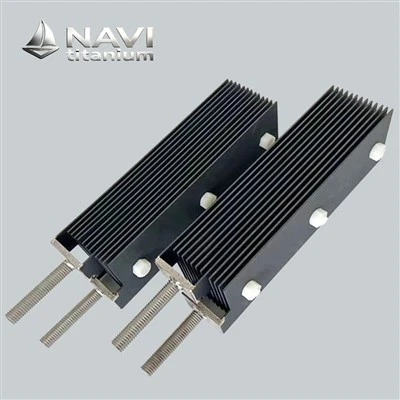
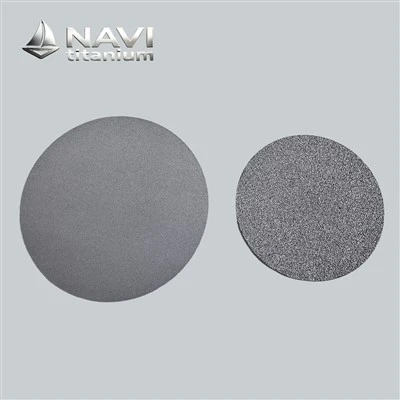
1.Specification
General Shapes: Plate, Rod, Mesh, Tube or customization
Coating: The classical formula of IrO2-Ta2O5, Ru-Ir, Pt, or customization
Electrochemical reaction: Oxygen/Chlorine/Hydrogen evolution reaction
Internal Code: NAVI-1-011
Brand: NAVI Titanium®
Basic Material: Pure Titanium Gr1
Advanced fields of NAVI: PEM, PCB, wastwater treatment etc.
2.Purchasing guide
(1)Process
NAVI Titanium(since 2008) can process according to your design drawings
(2)Free sample
NAVI Titanium supply free sample for general specifications
(3)Technology support
Professional one-for-one service, design free, welcome to contact us
Where Are Titanium Anode Rods Used in Water Treatment Systems?
Sodium hypochlorite is produced in electrolytic cells using titanium anode rods. In these things, an electric current flows through a salt solution, which is usually sodium chloride. This makes chlorine come out of the anode's surface. It is possible to make sodium hypochlorite, which is a strong cleaner like liquid bleach.
It can be made whenever it is needed, without the safety risks that come with having concentrated chemicals.
The Electrochemical Mechanism Behind Titanium Anodes
Titanium anodes are very useful because they have special electrical properties. The chloride ions move toward the titanium anode, which is positively charged, when electricity flows through the electrolytic cell. These ions are reduced at the anode surface, which gives off chlorine gas. This gas breaks down quickly and turns into hypochlorous acid and hypochlorite ions when it comes in contact with water. Because it needs less power, the valuable metal oxide layer on the titanium substrate speeds up the process. It also keeps the structure steady when oxidation conditions are very bad.
Most of the time, mixed metal oxides (MMO) make up this catalytic layer. This is why you might see terms like "MMO anode" when you look at tools for treating water. Strength and electrical conductivity come from the titanium base, and the oxide layer gives the structure the catalytic activity it needs to release chlorine quickly.


When you put these two parts together, you can make an electrode that will keep working for years without losing much of its power.
Why Titanium Substrates Are Essential
Different kinds of electrode materials can't handle the tough needs of treating water electrolytically all the time. People used to use graphite anodes a lot, but they break down quickly and leave carbon particles in the water they treat. As a result of oxidation, stainless steel breaks down and iron and chromium ions are released into the fluid. These types of conductors break down even faster, so they can't be used for a long time because they are too expensive or not useful.
Titanium, on the other hand, forms an oxide layer that protects against further rusting and keeps its ability to conduct electricity through the valuable metal coating. Ti is the only base element that can be used to make chlorine electrochemically over a long period of time because it works like a passivate.
Dimensionally stable titanium anode bars mean that the distance between the electrodes and the way the current flows through them stay the same over the time that they are useful. In other words, the rates at which disinfectants are made stay the same for a long time.
Titanium Anode Rods for Swimming Pool Disinfection Applications
The unique problems that swimming pools have make titanium anode technology very useful for treating the water in them. All the time, a pool's water needs to be cleaned to get rid of the bacteria, viruses, and algae that come in on swimsuits and other things from outside.
In the old ways of chlorination, you would add chlorine tablets or liquid bleach by hand. This makes the amounts of disinfectant change, so they need to be watched all the time.
On-Site Chlorine Generation for Pool Maintenance
Today, salt chlorination is used in more and more pool cleaning systems. Titanium anode plates electrolyze dissolved salt to make chlorine automatically. The electrolytic cell will make chlorine as needed based on how much the pool is used and the weather.
All the pool owners have to do is keep the salt level low, which is usually between 3,000 and 4,000 ppm, which is about the same as human tears.


This way of disinfecting is more steady, less irritating to the eyes and skin, and you don't have to handle or store dangerous chemicals.
The titanium anode rod is put in a flow-through cell that is always full of pool water so that the systems can work. The charged anode surface changes into chlorine when water runs over it. The chlorine is then spread around the pool by the circulation system. This way of disinfecting is kinder and more consistent, so the swimming area is more comfortable while still killing germs well.
Advantages for Residential and Commercial Pools
Salt chlorination systems are easy to use and safe for home pools, but they work even better for businesses. Hotels, water parks, and public aquatic centers deal with a lot of water and guests every day, making chemical management hard and expensive. With titanium anode-based electrolytic systems, it's easier to make disinfectants, cheaper to buy and store chemicals,
and less likely that the water will be too or too little chlorinated, which could be dangerous for swimsuits or hurt the quality of the water. Titanium anodes that are made properly last longer than chemical ways that are thrown away after use. This makes them more cost-effective, even though they cost more at first. When used in a normal pool, good anodes made by specialized companies can last for five to ten years. It means that their price is spread out over a very long time, during which they work well all the time.
Titanium Anode Rods in Municipal and Industrial Wastewater Treatment
There will be stricter rules for municipal wastewater treatment plants to follow when they put treated wastewater into water that is already there. To put it another way, they need to find better ways to clean the wastewater of dirt and germs before they let it go.
Titanium anode technology fixes these issues by using advanced electrochemical oxidation techniques to get rid of germs that are bad for you and break down organic chemicals that are hard to break down.
Breaking Down Persistent Contaminants
Standard organic wastewater cleaning methods have a hard time breaking down some chemicals, drugs, and personal care items that are flushed down the toilet. It's hard for these "emerging contaminants" to break down, so they can build up in water systems. When you use titanium anodes for electrochemical advanced oxidation, you make strong oxidizing species, like hydroxyl radicals, that break the molecular bonds in these long-lasting compounds and change them into simpler, less harmful ones.
This way of treating wastewater makes less gunk than chemical methods because it is very good at oxidation. With electrochemical oxidation, organic chemicals are turned into carbon dioxide and water instead of trash that needs to be thrown away.


Less waste is being made, so it costs less to fix and does less damage to the environment. Cities and towns whose trash disposal prices are going up will be more interested in titanium anode-based systems because of this.
Final Effluent Disinfection
Before they can be released into the environment, bacteria and viruses that are bad for you must be killed at wastewater treatment plants. Still, chlorine is the most common way to kill germs. However, it is very dangerous to move and store large amounts of liquid chlorine or sodium hypochlorite. If you use titanium anode rod assemblies for on-site generation, these risks go away, and you can always find disinfectants.
Big sodium hypochlorite engines that are used in cities might have dozens of titanium anode rods set up in parallel electrode groups. These machines can make more than 300 kg of chlorine every day, which is enough to clean buildings that serve a lot of people. This technology can be used in a range of building sizes and treatment areas because it can be made bigger by adding more electrode units.
Using Titanium Anode Rods for Industrial Circulating Water Treatment
In factories that make things, electricity, and chemicals, circulating water systems are necessary to keep the work area cool and for process purposes.
Because these closed-loop systems use the same water over and over, bugs, scale, and rust can build up in them if they are not taken care of properly.
Controlling Biofilm and Microbial Growth
Biofilms are made when germs stick to surfaces in cooling towers, heat exchanges, and pipe systems. These groups of microbes make it harder for heat to move, speed up the rusting process, and may be home to pathogenic organisms like Legionella. Biofilm doesn't form when biocide is used regularly, and electrochlorination with titanium anodes is a cheap, automatic way to keep water systems that circulate it disinfected for a long time.
Electrolytic systems always make small amounts of chlorine, which stops bacteria from growing, especially when using a titanium anode rod. This is better than buying biocides and randomly using small amounts of them. With this steady antibacterial pressure, biofilm doesn't form, and cells that are already there aren't killed.


This cuts down on the cost and amount of biocide that needs to be used. Sites that use titanium anode-based systems say they have to clean their systems a lot less often and spend a lot less money on maintenance because the microbes are better controlled.
Reducing Scaling and Corrosion Issues
When a titanium anode works, it sets off an electrochemical reaction that changes the chemistry of water in a way that makes scaling and rust less likely. The chlorine that is made helps stop biological rust, which is brought on by bacteria that break down sulfate and other microorganisms that break down metal more quickly. The right way to set up and run a system keeps the chemistry of the water in a range that stops microbes from growing and Mineral precipitation to a minimum.
The amount of power that commercial water treatment systems that are always on use is something that you should think about.
Advanced titanium anode designs from specialized makers make it possible to use 3.2 to 3.8 kWh of energy per kilogram of chlorine made. This means that the costs of running the system are 20–40% less than they were with older electrode methods. It costs a lot more to own this product because it is more efficient and the electrodes last longer-often for more than eight years.
Titanium Anode Rods for Seawater Antifouling and Electrochemical Systems
Marine environments are very hard for water treatment equipment to work in because of the high salt levels, changing temperatures, and living things that make biofouling happen. These issues can be fixed with titanium anode technology that has been changed to work in salt water. It also adds new features that other electrode materials can't provide.
Marine Growth Prevention Systems
Animals in the ocean that like to live on surfaces that are submerged are always attacking ships, offshore platforms, and buildings near the coast. The old ways of getting rid of fouling use coverings that are bad for the environment and slowly release biocides. But because these materials are bad for the environment, environmental laws are making it harder to use them. In electrochlorination, seawater can be used as a source of chloride. This is a temporary solution that stops fouling without leaving behind harmful waste.
Ships have titanium anode systems that use electricity to electrolyze seawater that comes in through the cooling water intake.


This creates chlorine, which keeps sea life from getting stuck in the pipes and heat transfers. When chlorine is released, it quickly leaves the environment. This means that it doesn't build up over time like copper-based antifouling paints do. This way of doing things keeps the system running smoothly and also follows international rules about how to dump waste into the ocean.
Ballast Water Treatment Applications
In order to keep unwanted aquatic species from moving from one environment to another, ships must now treat their ballast water before letting it go. Electrochlorination is one way that can be used to treat the problem. Titanium anodes are needed for this because they can work in salty ocean and stay strong in storage tanks where the metal is corroding.
Electronics made of titanium are used to treat ballast water. These electrodes make enough chlorine to kill all bacteria, phytoplankton, zooplankton, and larger animals that are in the water.
Titanium anode rods made for marine use are made to last, even if they are moving, the temperature changes, or they are not used for a long time after ballasting.
Maritime owners like how simple it is to keep titanium anode systems in good shape and how dependable they have been in this important environmental compliance use.
Cathodic Protection Enhancement
TiO2 anodes are used to clean, and they are also used in impressed current cathodic protection (ICCP) systems to keep buildings, pipes, and ship hulls from rusting.
A small positive current is sent through these systems to protect metal structures that are underground from the natural processes that break them down.
Titanium doesn't rust easily in salt water, so it can be used as an ICCP anode for a long time. As a substitute anode, it lasts a lot longer than other things.

Conclusion
Titanium anode rods are flexible and long-lasting, so they are used in many types of water treatment systems, from home pools to water treatment plants for businesses and ships. When combined with electricity, they can make strong oxidants that don't rust in hard conditions and keep working for years with little upkeep, which is important for many types of businesses. Titanium anode systems are taking market share away from chemical methods all the time. This is because people are more concerned about the environment and want safer, more effective ways to treat water.
To pick the best titanium anode finishes and configurations, you need to know what each water treatment job calls for. It is best for ruthenium-iridium compounds to be used in places with a lot of chloride, like saltwater and factories that make sodium hypochlorite. On the other hand, coatings made of platinum work best for things that need to be very resistant to rust. The best way to make sure the system works well and lasts a long time is to work with skilled builders who know about these kinds of details.
As new electrode designs, coating technologies, and ways to prepare the substrate are made, titanium anode systems keep getting better at what they do and cheaper. Higher-level coating ways lower stress and stop delamination, which leads to a longer useful life. Better catalyst formulas lower energy use. As technology gets better, titanium anode-based water treatment gets easier to get and costs less for all kinds of uses.
FAQ
1. How long do titanium anode rods typically last in water treatment applications?
+
-
Their useful life depends on how they are used, but titanium anodes that are well-made and have better mixed metal oxide coats should last for 5 to 10 years of regular use. Even longer systems can last if they are maintained regularly, the temperature is kept in check, and the right amount of current is used. Replacement is only needed when the coating wears off over time, not when the substrate breaks. The substrate will always be the same.
2. Can titanium anode rods work in low-salinity water sources?
+
-
For titanium anodes to make chlorine properly, they need a lot of chloride ions. For electrochlorination to work, most natural sources of freshwater don't have enough chloride. To get at least 2,000 to 3,000 ppm, salt must be added. Chloride is added to drinking water and some industrial processes to make hypochlorite right there in the plant. It's better and cheaper to do this than to buy and store professional bleach solutions.
3. What maintenance do titanium anode systems require?
+
-
Titanium anode parts need to be cleaned and checked for proper operation on a regular basis. Mineral scale or debris buildup needs to be removed. In some system designs, the direction of the electrodes needs to be switched around every so often to keep the cathode from growing. Titanium is a more durable material than other building materials, so it needs less upkeep. The majority of systems don't need to be repaired for months at a time, and once a year checks are usually sufficient. Systems that use electronics to keep an eye on performance can let workers know when something needs their attention before it gets worse.
Ready to Upgrade Your Water Treatment System with NAVI Titanium?
NAVI Titanium produces high-quality titanium anode bars that are made to work in the toughest water treatment situations. With our advanced ruthenium-iridium gradient coating technology, you can save 3.2 to 3.8 kWh/kg of useful chlorine on energy costs and extend the service life to 8 to 10 years, which cuts your total running costs by a lot. No matter if you need electrodes for a home pool system or industrial-scale sodium hypochlorite generators that can make 5,000 g/h, NAVI Titanium has the exact anodes you need.
Our all-around method for the titanium anode rod helps with the whole lifecycle of the electrode, from finetuning the high-purity titanium base to adding a multi-layer gradient coating and finally checking the quality. Our anodes can't fail in the four main ways that other electrodes do: microcracking, delamination, substrate passivation, and salt penetration. This is because we pay close attention to every detail.
If you're having trouble with water treatment, please get in touch with our team right away to find out how NAVI Titanium's cutting-edge anode technology can help your system work better while saving you money. We are one of the best places to buy titanium anode rods, and we offer full application support to help you find the best electrode configuration, working settings, and maintenance methods to get the most out of your money and make it last longer.
You can email us at sales@navititanium.com for more information on our water treatment electrodes, prices, or to set up a meeting with one of our agents.
References
1. Chen, G. (2004). Electrochemical technologies in wastewater treatment. Separation and Purification Technology, 38(1), 11-41.
2. Kraft, A., Stadelmann, M., & Blaschke, M. (2003). Anodic oxidation with doped diamond electrodes: A new advanced oxidation process. Journal of Hazardous Materials, 103(3), 247-261.
3. Panizza, M., & Cerisola, G. (2009). Direct and mediated anodic oxidation of organic pollutants. Chemical Reviews, 109(12), 6541-6569.
4. Comninellis, C., & Chen, G. (2010). Electrochemistry for the Environment. Springer Science & Business Media, New York.
5. Martínez-Huitle, C. A., & Brillas, E. (2009). Decontamination of wastewaters containing synthetic organic dyes by electrochemical methods: A general review. Applied Catalysis B: Environmental, 87(3-4), 105-145.
6. Rajeshwar, K., Ibanez, J. G., & Swain, G. M. (1994). Electrochemistry and the environment. Journal of Applied Electrochemistry, 24(11), 1077-1091.