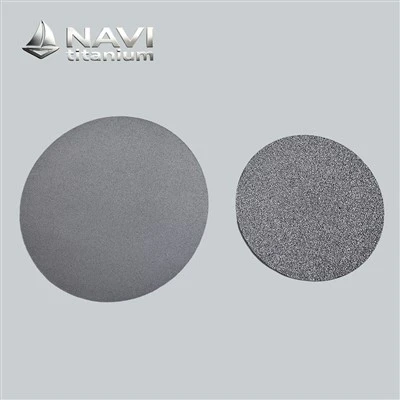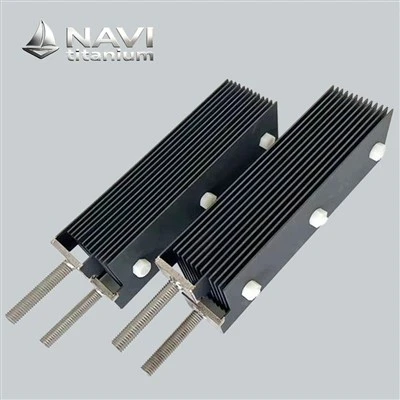


On May 18, 2021, Wang Liwei, Senior Electrochemical Engineer of Titanium Anode R&D Department, accompanied by Bella and other team members, conducted an evaluation of Gansu Lan Pharmaceutical Co., Ltd. located at 23 Kunlun Mountain Avenue, Lanzhou New Area, Lanzhou City, Gansu Province, China, and reached a cooperation agreement with it in the field of pharmaceutical industry wastewater. The project focuses on the deep treatment of biochemical effluent using titanium anode coated with ruthenium iridium mixed metal oxide (Ti/RuO-IrO ₂) as an electrochemical oxidation reactor, indicating that the pretreated wastewater is more suitable for subsequent biochemical treatment. Based on these research results, the development team of NAVI Titanium evaluated Ti/RuO-IrO₂ titanium anode coating materials suitable for the wastewater treatment needs of pharmaceutical factories and treatment solutions for common pharmaceutical industry wastewater issues.
Electrochemical oxidation deep treatment of biochemical effluent from Gansu Lan Pharmaceutical Factory - I suggest using NAVI Titanium with ruthenium iridium mixed metal oxide coated titanium anode (Ti/RuO-IrO₂) as a candidate for the first round of small-scale trials, and using iridium oxide coated titanium anode (Ti/IrO ₂) as a control.
How to apply H-1 | titanium anode in pharmaceutical wastewater treatment?
In the wastewater treatment facility of Gansu Lan Pharmaceutical Factory, coated titanium anodes are installed in the electrochemical oxidation reactor. This reactor can be placed after biological treatment for advanced treatment (precision treatment) of effluent; It can also be placed before biological treatment for pre-treatment of separately collected wastewater streams. The specific choice depends on the type of wastewater flow that needs to be treated and the treatment goals of the factory.
Deep processing (precision processing) after biological treatment
Process example:
Pharmaceutical production wastewater
1
>>
Pre treatment
2
>>
Biological treatment
3
>>
Electrochemical oxidation
4
>>
Further treatment or discharge
5
Under this configuration, the reactor is used to treat the effluent after biological treatment. The purpose may be to further reduce the residual chemical oxygen demand (COD) caused by recalcitrant organic matter, or to lower the concentration of specific active pharmaceutical ingredients (APIs). If the focus is on a specific API, in addition to routine COD detection, the concentration of the API before and after electrochemical oxidation should also be measured. These two indicators reflect different aspects of the processing effect.
Pre treatment for specific wastewater streams
Step 1:
The factory first sends the separately collected high concentration wastewater to the electrochemical oxidation reactor.
Step 2:
Merge it into the main biological treatment system.
This move aims to partially oxidize recalcitrant compounds, so that the wastewater can be more effectively disposed of in the subsequent treatment process. If the goal is to improve the biodegradability of wastewater, laboratory testing can be conducted to compare the ratio of five-day biochemical oxygen demand to chemical oxygen demand (BOD ₅/COD) before and after oxidation, and evaluate whether the treated wastewater will have an inhibitory effect on the subsequent biological treatment process.
When discussing anode selection with NAVI Titanium, please clarify whether the reactor is used for treating effluent after biological treatment or for treating separately collected wastewater streams upstream. Meanwhile, please provide specific water quality parameters and treatment targets for the wastewater in order to evaluate the applicability of the anode under actual working conditions.
What problems can electrochemical oxidation solve in pharmaceutical industry wastewater?
Electrochemical oxidation can be used for advanced treatment of biochemical effluent, as well as for quality pretreatment of high concentration wastewater tributaries before biochemical treatment. The processing objectives and validation indicators of the two sections are different.
| Problem at the Pharmaceutical Plant | Role of Electrochemical Oxidation | How to Verify |
| Residual COD remains in the biological effluent | Further oxidize some of the refractory organics downstream of the biological system to reduce the residual chemical oxygen demand (COD). | Compare the COD of the reactor influent and effluent, and record the power consumption per unit volume of water when the target effluent value is reached. |
| The effluent still contains specific drug residues | Oxidize target pharmaceutical compounds such as tetracycline to reduce their concentration in the effluent. | Directly measure the influent and effluent concentrations of the target drug. COD and drug concentration should be evaluated separately. |
| The high-strength sidestream is difficult to treat biologically | Carry out partial oxidation before the sidestream is mixed with other wastewater, and assess whether the treated wastewater is better suited to the biological system. | Compare the BOD₅/COD ratio and the biological inhibition rate before and after treatment. If blending back is planned, verify it at the proposed blending ratio. |
For the advanced treatment of chlorine containing pharmaceutical wastewater from Gansu Lan Pharmaceutical Factory, the NAVI Titanium Ti/RuO ₂ - IrO ₂ ruthenium iridium coated titanium anode can be used as a candidate for small-scale testing.
NAVI Titanium Ti/RuO₂ - IrO₂ Titanium Anode Pharmaceutical Wastewater Trial Process and Data
The Ti/RuO ₂ - IrO ₂ ruthenium iridium mixed metal oxide coated titanium anode of NAVI Titanium can be determined as the test electrode. Two sets of experiments were conducted using the same type of anode: using biochemical effluent to verify the changes in residual COD and target drug components, and using high concentration diverted wastewater before biochemistry to verify whether the biodegradability and biochemical inhibition of Gansu Lan Pharmaceutical Factory were improved.
Two sets of experiments share the same process
1. Sampling and numbering.
Experiment A takes the biochemical effluent from Gansu Lan Pharmaceutical Factory. Experiment B takes a high concentration wastewater tributary collected separately before biochemistry, and samples it before mixing it with other wastewater. Record the sampling points separately pH, Conductivity and chloride ion concentration.
2. Grouping and electrode installation.
After mixing each type of water sample, they were divided into an electrified group and a non electrified control group. It is recommended to set up three independent parallel reactions for each group in the formal test. Two groups used the same electrode configuration, working fluid volume, and stirring conditions, while the energized group used a NAVI Titanium Ti/RuO ₂ - IrO ₂ ruthenium iridium coated titanium anode. Record the model, batch, effective area, electrode spacing, and actual current and voltage.
3. Take samples on time.
Take the original water sample for 0 minutes. The electrified group took samples at 30, 60, 90, and 120 minutes, while the non electrified control group took endpoint samples at 120 minutes. The observation window of the simulation report will be used for 120 minutes, and the actual operating parameters will be determined by the laboratory based on water samples and equipment conditions.
Experiment A | Advanced treatment of pharmaceutical biochemical effluent
Verify the changes in residual COD and target drug concentration separately. The report takes tetracycline as an example.
Sampling steps COD (mg/L) tetracycline (μ g/L) cumulative electricity consumption (kWh/m ³)
| Sampling Step | COD (mg/L) | Tetracycline (μg/L) | Cumulative Power Consumption (kWh/m³) | Accumulated electricity consumption (kWh/m ³) |
| 0 min | Record raw water baseline | 120 | 50 | 0 |
| 30 min | Sample from energized group | 107 | 39 | 0.6 |
| 60 min | Sample from energized group | 94 | 28 | 1.2 |
| 90 min | Sample from energized group | 82 | 20 | 1.8 |
| 120 min | Energized group endpoint | 72 | 15 | 2.4 |
| 120 min | Non-energized control endpoint | 118 | 48 | - |
The COD of the three parallel reactions in the endpoint parallel results electrification group were 70, 72, and 74 mg/L, and the tetracycline concentrations were 14.0, 15.0, and 16.0 μ g/L. The corresponding mean values are 72 mg/L and 15.0 μ g/L, respectively.
Compared with 0 minutes, the COD of the electrified group decreased by 40.0%, and the concentration of tetracycline decreased by 70.0%. Compared with the non electrified control at the same time point, the electrified group had a 46 mg/L lower COD and a 33.0 μ g/L lower tetracycline concentration. Based on the initial COD, the example electricity consumption is equivalent to 50 kWh/kg COD removal.
Pharmaceutical Biochemical Effluent Advanced Treatment Test Report
1. Project and Sample Information
|
Record Item |
Content |
|
Project Name and Report No. |
NAVI Titanium Ti/RuO₂-IrO₂ Titanium Anode Pilot Process for Pharmaceutical Wastewater |
|
Testing Institution |
NAVI Titanium |
|
Test Date and Analysis Date |
2021.01.23 |
|
Pharmaceutical Process and Biochemical Effluent Sampling Point |
Pharmaceutical plant biochemical effluent to be collected |
|
Sampling Time and Sample No. |
2021.01.19 |
|
Group and Replicate No. |
Energized and non-energized control; 3 replicates at the energized endpoint |
2. Record Report
|
Record Item |
Content |
|
COD (mg/L) |
120 |
|
Target Drug Name and Concentration (specify unit) |
Tetracycline 50.0 μg/L |
|
Anode Model, Batch and Coating |
NAVI Titanium Ti/RuO₂–IrO₂, ruthenium-iridium coating |
|
Operating Mode, Stirring Conditions and Control Setup |
Batch pilot test, non-energized control, stirred |
5. Results Summary and Project Determination
|
Evaluation Index |
Initial Value |
Control Endpoint |
Energized Endpoint |
Determination |
|
COD (mg/L) |
120 |
118 |
72 |
Decrease |
|
Tetracycline (μg/L) |
50.0 |
48.0 |
15.0 |
Decrease |
|
Specific Energy Consumption (kWh/m³) |
0.00 |
Not applicable |
2.40 |
– |
|
Residual Chlorine and By-products (if applicable) |
– |
– |
– |
– |
At the energized endpoint, replicates n = 3. COD values were 70, 72 and 74 mg/L (mean 72, sample standard deviation 2). Tetracycline values were 14.0, 15.0 and 16.0 μg/L (mean 15.0, sample standard deviation 1.0).
Relative to the initial value, COD decreased by 40.0% and tetracycline decreased by 70.0%. Compared with the control, the energized endpoint was lower by 46 mg/L and 33.0 μg/L, respectively.
Concentration reduction = (initial value − energized endpoint value) ÷ initial value × 100%. Specific energy consumption per unit volume of water = cumulative electricity consumption ÷ corresponding volume of treated water.
Conclusion: The COD and tetracycline concentrations of the 120-minute energized group were both lower than those of the non-energized control. The nominal energy consumption was 50 kWh/kg COD removed, based on the initial COD. The project targets and compliance status await confirmation by actual testing.
Experiment B | Biochemical pretreatment of high concentration diverted wastewater
The validation objective is to evaluate whether the water sample is more suitable for entering the subsequent biochemical system by comparing the BOD ₅/COD and biochemical inhibition rates before and after oxidation. The minutes in the table refer to the sampling time of electrochemical oxidation, and the BOD ₅ results are filled in after completing the corresponding culture cycle.
| Sampling Step | COD (mg/L) | BOD₅ (mg/L) | BOD₅/COD | Biological Inhibition Rate | Accumulated electricity consumption (kWh/m ³) |
| 0 min | Record raw water baseline | 1800 | 360 | 0.20 | 0.45 |
| 30 min | Sample from energized group | 1670 | 384 | 0.23 | 0.39 |
| 60 min | Sample from energized group | 1510 | 408 | 0.27 | 0.32 |
| 90 min | Sample from energized group | 1380 | 428 | 0.31 | 0.26 |
| 120 min | Energized group endpoint | 1260 | 441 | 0.35 | 0.20 |
| 120 min | Non-energized control endpoint | 1760 | 352 | 0.20 | 0.43 |
The COD of the three parallel reactions in the endpoint parallel results electrification group were 1240, 1260, and 1280 mg/L, and the BOD ₅ was 434, 441, and 448 mg/L. The biochemical inhibition rates were 18%, 20%, and 22%.
Compared with 0 minutes, the COD of the electrified group decreased by 30.0%, the BOD ₅/COD increased from 0.20 to 0.35, and the biochemical inhibition rate decreased from 45% to 20%, a decrease of 25 percentage points. Compared with the non electrified control at the same time point, the BOD ₅/COD of the electrified group was 0.15 higher and the biochemical inhibition rate was 23 percentage points lower.
Data Source: NAVI_Titanium_Simulated_Report_A.pdf
High-Concentration Pharmaceutical Sidestream Wastewater Pretreatment Test Report
1. Project and Sample Information
|
Record Item |
Content |
|
Project Name and Report No. |
Test B: Pretreatment of High-Concentration Pharmaceutical Sidestream Wastewater |
|
Client and Testing Institution |
Gansu Lanye Pharmaceutical Plant, NAVI Titanium |
|
Test Date and Analysis Date |
2021.01.23 |
|
Wastewater Process and Sampling Point |
High-concentration wastewater sidestream separately collected before biological treatment |
|
Sampling Time and Sample No. |
2021.01.20 |
|
Group and Replicate No. |
Energized group and non-energized control; 3 replicates at the energized endpoint |
2. Influent and Electrode Record
|
Record Item |
Content |
|
Initial COD and BOD₅ |
1,800 mg/L and 360 mg/L |
|
Initial BOD₅/COD and Biological Inhibition Rate |
0.20 and 45% |
|
Anode Model, Batch and Coating |
NAVI Titanium Ti/RuO₂–IrO₂, ruthenium-iridium coating |
|
Operating Mode and Control Setup |
Batch pilot test, non-energized control |
3. Results Summary and Project Determination
|
Evaluation Index |
Initial Value |
Control Endpoint |
Energized Endpoint |
Change |
|
COD (mg/L) |
1,800 |
1,760 |
1,260 |
Decrease 30.0% |
|
BOD₅ (mg/L) |
360 |
352 |
441 |
Increase 22.5% |
|
BOD₅/COD |
0.20 |
0.20 |
0.35 |
Increase 0.15 |
|
Biological Inhibition Rate (%) |
45 |
43 |
20 |
Decrease 25 percentage points |
At the energized endpoint, replicates n = 3. COD values were 1,240, 1,260 and 1,280 mg/L; BOD₅ values were 434, 441 and 448 mg/L; and biological inhibition rates were 18%, 20% and 22%.
Relative to the initial value, COD decreased by 30.0%, BOD₅ increased by 22.5%, BOD₅/COD increased by 0.15, and the biological inhibition rate decreased by 25 percentage points.
BOD₅/COD was calculated from the group mean. The proposed energized endpoint had a ratio 0.15 higher than the control and an inhibition rate 23 percentage points lower.
Conclusion: In this example, the biodegradability indicators of the water sample improved after electrochemical pretreatment. The actual feasibility of blending back and the project compliance status need to be verified with real water samples.
Data Source: NAVI_Titanium_Simulated_Report_B.pdf
What tests are required before selecting a titanium anode?
First, collect representative water samples from the inlet position of the reactor to be installed. When used for advanced biochemical treatment, collect biochemical effluent. When used for quality pre-treatment, samples are taken before mixing the target tributary with other wastewater. If the water quality fluctuates with the production batch or schedule, it is recommended to record the sampling time and corresponding production process.
| Information That Can Be Provided to NAVI Titanium | Details |
| Treatment stage and flow rate | Post-biological advanced treatment or sidestream pretreatment, average flow, peak flow, and intermittent or continuous operating mode. |
| Influent water quality | COD, pH, conductivity, chloride concentration, and the name and measured concentration of the target API. |
| Effluent targets | Target effluent COD or API concentration, and the project requirements for controlling residual active chlorine or related by-products. |
| Existing reactor and power supply | Electrode dimensions, installation method, electrode spacing, the current and voltage the DC power supply can provide, and the specifications of the currently used anode if known. |
During small-scale or pilot tests, the pollutant removal efficiency and power consumption should be recorded under the same operating conditions, in order to compare different anode schemes under the same effluent target. For chlorine containing wastewater, residual active chlorine and related chlorine containing by-products should also be included in the evaluation.
FAQ
Is titanium anode used before or after biochemical treatment?
+
-
Both sections can be considered. After biochemical treatment, the electrochemical oxidation reactor is used to treat the biochemical effluent, with the goal of further reducing residual COD or specific drug residues. Before biochemical treatment, the reactor can be used to pretreat separately collected wastewater tributaries. The specific arrangement depends on the water flow to be treated and the project objectives.
Does a decrease in COD mean that drug residues have also been removed?
+
-
The decrease in COD indicates a decrease in the overall chemical oxygen demand of the water sample. To determine how much a certain drug residue has decreased, the concentration of the compound in the influent and effluent should be directly detected.
What information should be provided to NAVI Titanium when consulting MMO titanium anodes?
+
-
Please provide the processing section, design flow rate, influent COD, pH, conductivity, chloride ion concentration, and target effluent indicators. If there is already a reactor, please attach the electrode drawing or installation dimensions, as well as the rated current and voltage of the DC power supply. NAVI Titanium can discuss with you the coating and electrode forms suitable for small-scale or pilot scale testing based on this information.
References
1. **Zhang, G., Huang, X., Ma, J., Wu, F., & Zhou, T. (2021).** Ti/RuO₂-IrO₂-SnO₂ Anode for Electrochemical Degradation of Pollutants in Pharmaceutical Wastewater: Optimization and Degradation Performances. *Sustainability, 13*(1), 126.
2. **Thara, V. M., et al. (2026).** Advanced electrochemical oxidation of tetracycline using flat-plate Ti/RuO₂-IrO₂ and mesh-type Ti/IrO₂ anodes in synthetic and real wastewater. *Total Environment Engineering, 8*, 100093.
3. **Adeoye, J. B., Tan, Y. H., Lau, S. Y., Tan, Y. Y., Chiong, T., Mubarak, N. M., & Khalid, M. (2024).** Advanced oxidation and biological integrated processes for pharmaceutical wastewater treatment: A review. *Journal of Environmental Management, 353*, 120170.
4. **Ganthavee, V., & Trzcinski, A. P. (2023).** Removal of pharmaceutically active compounds from wastewater using adsorption coupled with electrochemical oxidation technology: A critical review. *Journal of Industrial and Engineering Chemistry, 126*, 20–35.
5. **Hao, Y., Ma, H., Proietto, F., Galia, A., & Scialdone, O. (2022).** Electrochemical treatment of wastewater contaminated by organics and containing chlorides: Effect of operative parameters on the abatement of organics and the generation of chlorinated by-products. *Electrochimica Acta, 402*, 139480.
Planning an electrochemical oxidation pilot for pharmaceutical wastewater? Share your treatment stage, flow rate, influent COD, chloride concentration, and target contaminants with NAVI Titanium so we can discuss anode options for your reactor.