


However, a dependable sintered bronze filter cannot be produced simply by putting powder into a mold and heating it. Depending on the conditions in the furnace during the thermal consolidation of the bronze particles, the final section will either function as a fine filter medium or collapse under pressure. Even small amounts of oxygen will react with the copper and tin elements in the bronze powder, altering the surface chemistry before proper metallurgical connections can be made. This has knock-on effects on pore structure, mechanical strength and flow homogeneity. Buyers seeking for porous metal components for hydraulic, pneumatic or chemical processing applications may find it useful to understand the influence of furnace atmosphere control on product reliability. This article discusses the physics of oxygen management during bronze sintering, the need for safe gas atmospheres, and how concentrated manufacturing practice leads to filters that reliably work in difficult industrial applications.
How Does Oxygen Affect the Sintering of Bronze Powder Filters?
Bronze sintering. At high temperature copper and tin atoms have enough energy to travel along the surface of the particles. This migration formed the metallurgical necks, which sintered a bronze filter. Oxygen messes this up on a molecular scale. In many situations it interacts with exposed metal surfaces at a rate faster than diffusion bonding may occur. Even little quantities of oxygen in the furnace chamber influence the bonding of the particles, the pore formation and the function of the finished filter under operating pressure.
Oxygen Reactivity With Copper-Tin Alloys
Copper alloys are easily oxidized at temperatures above a few hundred degrees C. Bronze powder has a copper-tin composition and as such has a significant surface area as compared to its volume. This is because the individual particles are often tiny and irregular in form. This increased surface area increases oxidation processes in solid bronze stock. When oxygen molecules touch the heated bronze particles,

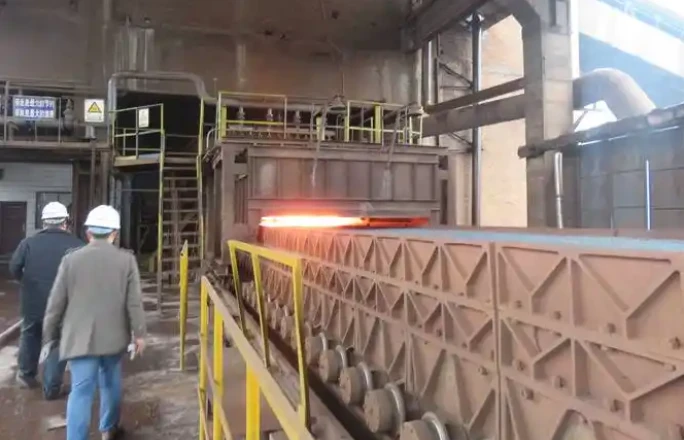
a thin oxide layer develops virtually instantaneously and this layer functions as a barrier that inhibits or stops the diffusion bonding manufacturers rely on for structural integrity.
Impact on Neck Formation Speed
"Neck" development between neighboring bronze particles requires clean metal-to-metal contact. The oxide coating between two particles lowers the effective area of contact for atomic migration. Thus necks form slower and are weaker than in an oxygen-free environment. A sintered bronze filter manufactured under uncontrolled atmospheric circumstances would often exhibit uneven neck geometry across various areas of the same item, resulting in zones of differing strength and permeability.
Temperature Sensitivity Thresholds
Oxidation processes increase exponentially with increasing furnace temperature . Thus, the danger window for bronze powder filters increases during the ramp-up phase before peak sintering temperature is attained .
The manufacturers are monitoring the furnace conditions with great concern during this transitional period since bronze particles are still prone to surface oxidation a long time before the start of the complete consolidation. Control of the structural result of every sintered bronze filter batch is dictated by the presence of oxygen during this whole thermal cycle, not only at peak temperature.
Bronze Oxide Formation During Sintered Bronze Filter Manufacturing
One of the most persistent problems in the fabrication of porous bronze parts is the creation of oxides. In the case of dense casting techniques, surface oxidation is limited to the external skin of the part. For the manufacture of sintered bronze filters, the whole structure is a porous material by design and therefore the interior pore surfaces are subject to oxidation. Any oxide build up in these interior channels is detrimental to both mechanical performance and filtering behavior.
Surface Chemistry Changes During Heating
Inside the furnace, the bronze powder is heated and copper atoms move to the surface of the particle where they contact accessible oxygen. This reaction, depending on the quantity of oxygen and the temperature, creates compounds of cuprous oxide or cupric oxide. The oxide compounds have a different thermal expansion characteristic than the pure bronze and as the item cools it creates internal stress spots.
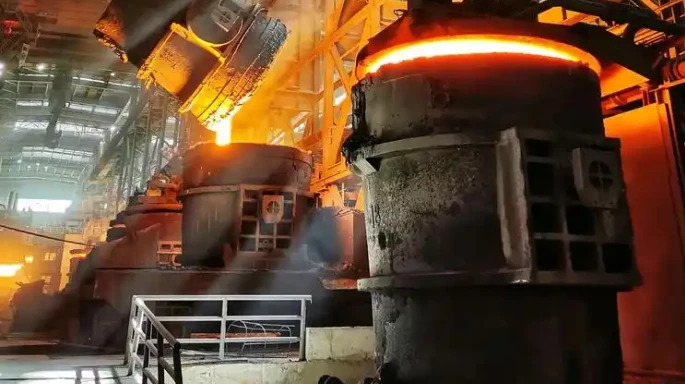

A sintered bronze filter which is cosmetically good but has dispersed oxide inclusions may not operate as expected during continuous pressure cycling.
Oxide Layer Thickness and Pore Blockage
Oxide layers grow on the surface of bronze powder, increasing the thickness of individual particles and eventually reducing the interconnecting channels that provide permeability to a porous filter. Thicker oxide coatings will result in more severe restrictions in flow channels, driving filtration ratings away from desired requirements. Manufacturers of permeability on final products may occasionally track unexpected limitation back to oxide buildup from a poorly protected sintering cycle, and not a design issue in the powder mix itself.
Distinguishing Surface Oxidation From Bulk Contamination
Surface oxidation is not the same as contamination from an impure raw powder, although the symptoms in final parts are comparable.
Good fabricators examine the entering bronze powder for chemical purity independently from testing the furnace environment quality because if you conflate the two factors it makes root cause analysis difficult when a sintered bronze filter lot fails quality inspection. NAVI Titanium achieves this by screening bronze powder composition before to manufacture, and then separating atmosphere control as a separate quality checkpoint during consolidation.
Furnace Atmosphere Control for Consistent Sintered Bronze Filter Porosity
A good sintered bronze filter will have uniform porosity, and not be an erratic flow rate filter within a manufacturing batch. The uniformity of pore development during the sintering cycle is directly controlled by the furnace environment, as the gas composition surrounding each part affects both oxidation behavior and the temperature gradient experienced by various regions of a load.
Protective Gas Composition Standards
Hydrogen, nitrogen and dissociated ammonia are typical protective atmospheres utilized in bronze powder consolidation. Each gas has various reducing or inert qualities, and manufacturers vary the composition depending on the alloy grade being treated. For example, a mixture of nitrogen and hydrogen creates a moderately reducing atmosphere which actively removes any oxide coatings which may be present on the surface of the particles, and also prevents further oxidation. The dual action helps to keep neck development consistent throughout a sintered bronze filter rather than surface variation in areas positioned differently in the furnace chamber.


Dew Point Monitoring Inside the Chamber
Dew point measurement measures moisture content in the protective gas stream since the presence of water vapor adds oxygen which compromises attempts to regulate the environment even if the primary shielding gas is of high purity. Furnaces with dew point sensors enable operators to identify moisture penetration ahead of destroying an entire manufacturing cycle. Keeping the dew point low enough for the whole sintering cycle results in a consistent pore architecture in all bronze filters sintered from that batch.
Gas Flow Rate and Chamber Sealing
There's more to controlling the environment than choosing the gas. The controlled flow rate ensures that the protective gas reaches all parts of the furnace chamber without turbulence disturbing the temperature uniformity. The chamber seal integrity prevents ambient air ingression during the loading and unloading cycle, a vital window of oxygen exposure.
Continuous mesh-belt furnaces at such facilities use staged entry and exit zones to remove residual air before the parts reach peak temperature, which helps maintain consistent porosity results batch after batch.
How Do Protective Gases Influence Bronze Particle Neck Formation?
The neck formation is the key to success of sintered bronze filter manufacture. The strength, homogeneity and interconnection of these metallurgical bridges between particles determine whether a filter can endure repeated pressure cycling without structural fatigue. The protective gasses influence this process by managing the chemical environment to which particles are exposed during the key diffusion bonding phase.
Reducing Atmosphere Effects on Diffusion Bonding
Before any considerable neck development occurs, the reducing environment aggressively eliminates the oxide compounds already present on the surfaces of the bronze powder. This cleaning procedure exposes new metal surfaces which connect more easily via solid-state diffusion. Hydrogen-based atmospheres are especially successful in this reduction process because hydrogen molecules interact with oxygen to generate water vapor that departs the furnace chamber via the exhaust system instead of being trapped on particle surfaces.
Inert Gas Stabilization During Peak Temperature


Nitrogen and argon atmospheres vary from reducing gasses in that they do not actively remove oxides, but instead completely displace oxygen from the furnace atmosphere. This inert stabilization prevents the new oxidation from happening at the peak sintering temperature, when both atomic mobility and reaction rates are at their maximum. Several sintered bronze filter manufacturing lines include a first reduction stage and a second inert holding stage to benefit from both atmospheres over the whole heat cycle.
Neck Geometry Consistency Across Production Batches
Control of the protective gas impacts not only the formation of necks but also their uniformity over thousands of individual interactions of particles in one filter element. Inconsistent exposure to the environment causes areas where certain necks get thicker while other necks stay undeveloped, leading to non-uniform mechanical characteristics. The uniformity of neck geometry is a true enabler of the stable void channels needed for predictable filtration performance in all custom bronze filter parts leaving the production facility.
Therefore, atmosphere-shielded thermal consolidation is specifically applied in NAVI Titanium.
Preventing Oxidation-Related Defects in Sintered Bronze Filter Production
Manufacturing of bronze filters must be cognizant of defect prevention at many points and not only at the final inspection point. A lot of oxidation problems really start long before the pieces reach the sintering furnace. Good quality control systems treat raw material management, process parameters, and verification after sintering as linked checkpoints.
Raw Material Handling and Storage Protocols
If bronze powder is kept in a humid atmosphere, it will collect moisture on the surface and begin to form oxide layers even before entering the furnace. Serious facilities that care about defect avoidance preserve their powder in controlled humidity environments and limit the time that the powder is exposed between preparation and loading into the furnace. Such proactive management reduces the oxidation burden that the atmosphere control systems must overcome during the actual sintering cycle which increases overall uniformity for each sintered bronze filter made from that powder lot.
Segmented Heating Profiles and Ramp Rate Control


The temperature increase might be so fast that the furnace atmosphere cannot follow in time to keep oxygen from the furnace atmosphere. This is particularly true in the region of ambient to intermediate temperatures when the oxidation rate is the highest. The segmented heating profiles, which control the rate of rise during this sensitive window, allow the protective gas systems to sweep the oxygen away before bronze particles reach reactive temperature limits. The regulated thermal cycling approach results in lower defect levels than aggressive heating systems that favor throughput over atmospheric stability.
Post-Sintering Inspection and Permeability Verification
Finished sintered bronze filter pieces are tested for permeability, compressive resistance, and visually inspected to verify that environment control during sintering attained the desired result. The patterns of discoloration on filter surfaces are typically indicative of localized oxidation events and so provide a visual diagnostic tool to quality teams in addition to quantitative permeability studies.
Each lot produced of NAVI Titanium undergoes complete inspection and is marked with lot numbers, and test records are kept on file to track back to each individual furnace run, should a client need extensive documentation for their industrial application.
Conclusion
Once installed in industrial equipment, furnace oxygen control determines practically all performance characteristics a sintered bronze filter may give. Filter performance to its filtering rating during years of operation is dependent on atmospheric control, from the neck development between individual particulates to the regularity of pore channels across the completed structure. Companies investing in protective gas systems, dew point monitoring and controlled heating profiles will manufacture components that resist premature failure and preserve predictable flow characteristics. Such manufacturing science provides purchasers with more confidence in evaluating suppliers, because the quality built into a porous bronze part is typically a function of how closely the furnace environment was controlled throughout its creation.
FAQ
1. What happens if oxygen contaminates the furnace during bronze sintering?
+
-
Oxygen interacts with copper in the bronze powder and forms oxide coatings on the particle surfaces. These layers reduce the strength of metallurgical neck formation and may constrict the interior pore channels of a sintered bronze filter.
2. Why do manufacturers use protective gases instead of sintering in open air?
+
-
The protective gasses such as nitrogen and hydrogen mixes eliminate or displace oxygen so that the bronze particles bind cleanly by diffusion and are not interfered with by oxide formation during the heating cycle.
3. Can oxidation defects be detected after the filter is finished?
+
-
Yes, discolouration and permeability testing typically reveals oxidation concerns. That is why good manufacturers have thorough inspection and test records for every batch of manufacturing.
Get Reliable Sintered Bronze Filter Supply From NAVI Titanium
NAVI Titanium offers a sintered bronze filter for uniform performance in pneumatic, hydraulic and chemical processing applications. It combines atmosphere-protected consolidation with stringent quality control. Our manufacturing plant is ISO 9001 certified. Each request for a bespoke bronze filter is accompanied by complete process monitoring of alloy composition, permeability and structural stability. We are a leading Sintered Bronze Filter Supplier, offering clients drawing based production, standard specification products or completely customized technological development under a strict Non-Disclosure Agreement. Contact our engineering team directly at sales@navititanium.com to discuss your filtering needs, request technical documents, or start a proforma invoice for your next project.
References
1. American Society for Metals. Powder Metallurgy Technology and Applications Handbook.
2. ASM International. Sintering Mechanisms in Copper-Based Alloy Systems.
3. Metal Powder Industries Federation. Standard Test Methods for Metal Powders and Powder Metallurgy Products.
4. German, Randall M. Sintering Theory and Practice.
5. International Organization for Standardization. ISO 9001:2015 Quality Management Systems Requirements.
6. Journal of Materials Processing Technology. Atmosphere Effects on Diffusion Bonding in Porous Metal Components.



