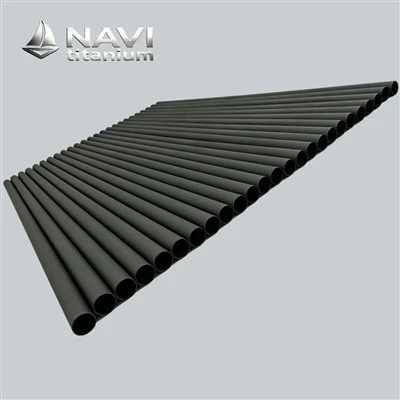


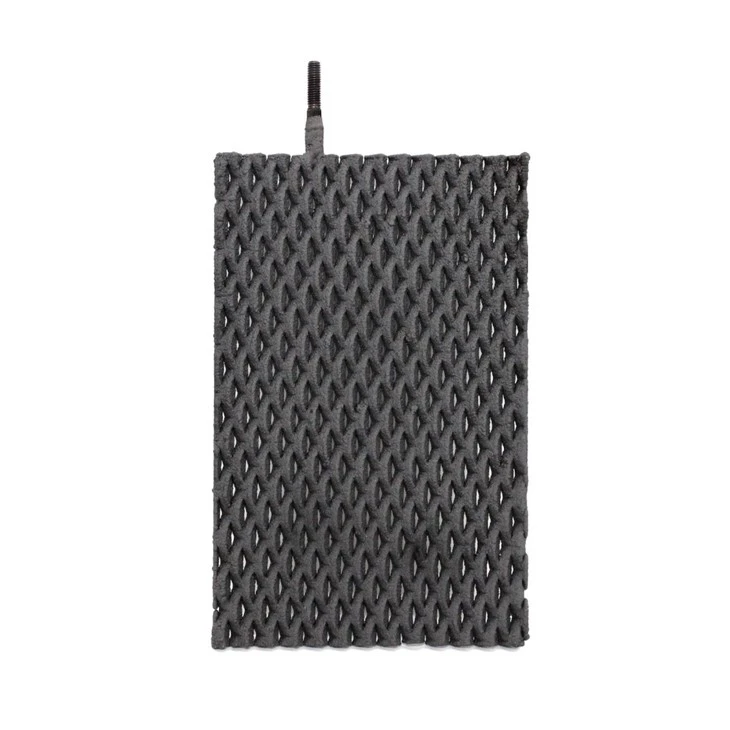
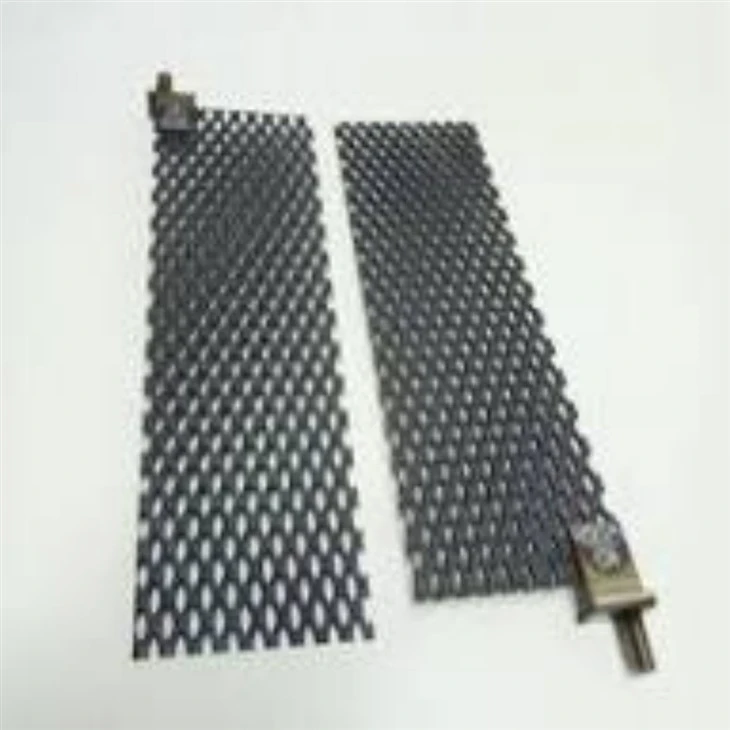
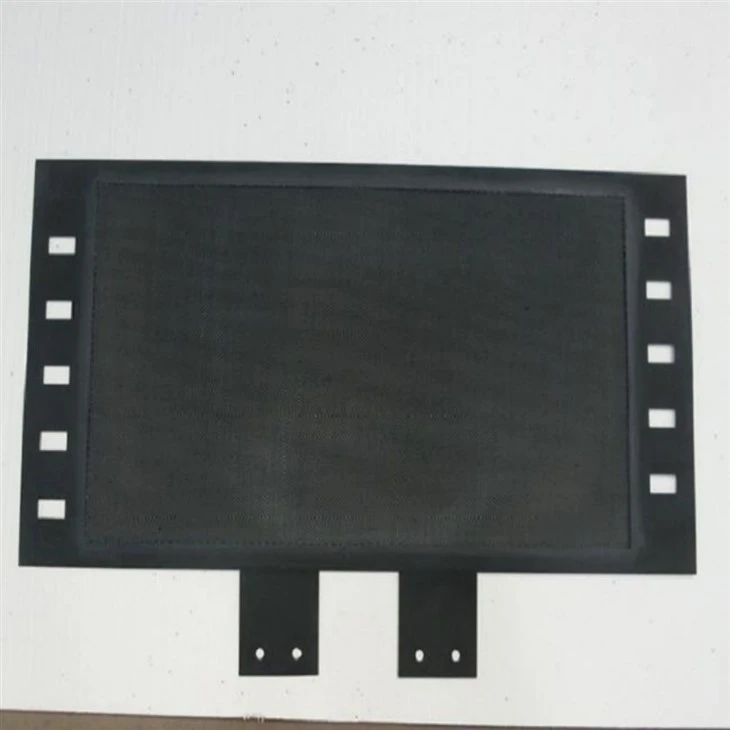
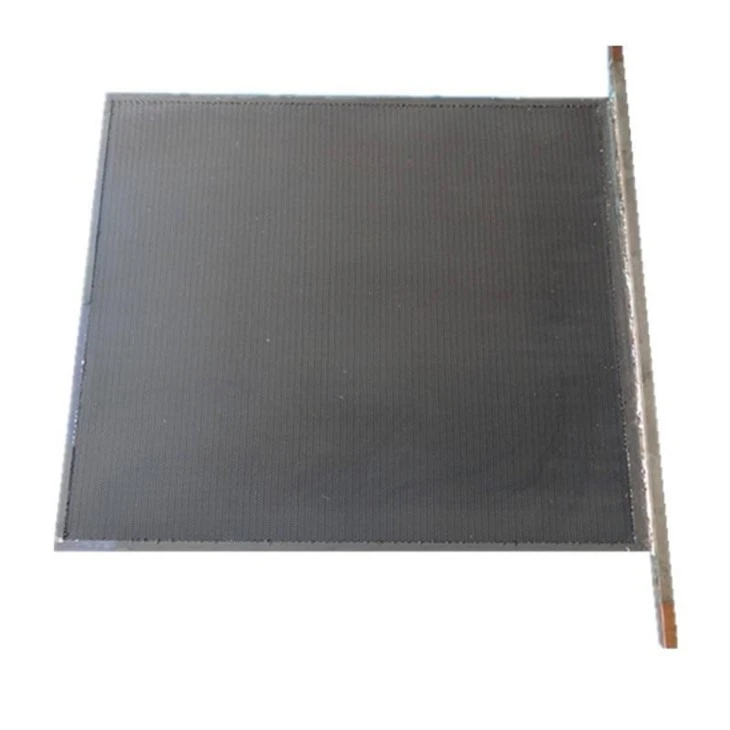
NAVI Titanium lead tin anode is a titanium-based electrode featuring a lead-tin coating designed for demanding anodic operations in industrial electrochemical systems. Unlike conventional lead alloy electrodes that use bulk lead as the structural material, this configuration combines a titanium substrate with a lead-tin functional layer, allowing the electrode design to separate mechanical support from the anodic working area. The company works with buyers to determine substrate format, coating configuration, electrode size, electrical interface, and installation requirements according to the intended process.
Solution of NAVI Titanium


NAVI Titanium's lead-tin anodes can be supplied in plate and other specified forms according to buyer needs, with controlled lead-tin composition, dimensions, interface details, and working configurations. They are intended for demanding electrochemical processes, providing a practical option for production lines that require tailored electrode sizes, repeat renewal, and consistent availability.


Application
Tin-based Anodes can be used in several electrochemical production environments where the electrode material must correspond with the electrolyte and operating cycle. The following two areas represent practical buying scenarios in which buyers may require tailored sizing, connection arrangements, or renewal planning. NAVI Titanium considers the actual working conditions rather than treating every order as a standard-size product.
NAVI Titanium lead tin anodes can be used in selected electrowinning systems for the recovery and production of non-ferrous metals from electrolyte solutions. Applications may include copper, zinc, manganese, and other hydrometallurgical processes in which the unit operates opposite a cathode while direct current drives the electrochemical reaction. In these installations, the unit is not simply a conductive component; its exposed condition, geometry, electrical interface, and interaction with the electrolyte can influence the overall operating arrangement.
We can work with buyers to select a suitable titanium-based substrate format and tin-based functional configuration according to cell dimensions and process requirements. For mining and hydrometallurgical operations, procurement teams may be particularly concerned with unit availability because renewal can become part of scheduled plant maintenance. We can provide repeatable specifications for projects requiring multiple manufacturing batches, helping buyers maintain consistency between original orders and subsequent renewal requirements.

Electrochemical Metal Refining and Specialized Electrolysis

NAVI Titanium Tin-based anodes can also be considered for specialized electrochemical refining and metal-processing machinery where a tin-based anodic area is incorporated into the process plan. Such systems may be found in metal recovery, refining lines, pilot plants, research facilities, and tailored electrolysis machinery. Depending on the machinery architecture, units may be supplied in plate, mesh, tubular, or specially shaped configurations, with the titanium-based substrate providing the supporting basis while the tin-based functional material serves as the working anodic area.
For engineering companies and machinery manufacturers, unit integration often requires more than selecting a functional material. We can communicate around mounting arrangements, exposed working area, interface location, unit spacing, supporting frameworks, and available installation space. Buyers may provide an existing unit sample, CAD drawing, technical sketch, or photographs of the machinery when a new unit is being developed. This project-oriented approach can be useful when a unit must fit an established cell design or when an OEM needs a repeatable specification for future manufacturing.
Purchasing guide

Quality control(QC)

| Titanium Base Material Suppliers: | Coating Precursor Suppliers: |
|
|
|


Manufacturing Process

Design Considerations Beyond the Coating
NAVI Titanium approaches lead tin anode development as a combination of substrate engineering, functional preparation, unit geometry, electrical interface, and application-specific requirements rather than focusing on functional material alone. This broader perspective can be particularly relevant for industrial buyers because two units using the same nominal composition may still require different designs when they operate in different cells or process conditions. We can therefore assess the unit as part of the customer's complete electrochemical assembly, including the physical interface between the unit and the machinery.
NAVI Titanium recognizes that unit geometry can become an important engineering consideration in systems where the distribution of current across the anodic area needs to be considered. Plate width, working height, edge configuration, interface position, and unit spacing can all affect how a unit is incorporated into an electrochemical cell.
For larger systems, the electrical interface and supporting framework may also influence the practical arrangement of the unit inside the tank. Rather than selecting dimensions solely from a general catalog, we can assess the buyer's existing cell layout and determine what data is required to develop the appropriate unit configuration.
This is especially relevant when buyers are renewing units in established machinery. A nominally similar unit may still create installation difficulties if the mounting holes, terminal location, exposed area, or overall dimensions differ from the original design. We can use drawings, photographs, measurements, or previous manufacturing records as references during technical discussions.

Coating Configuration and Process Matching

NAVI Titanium treat the tin-based functional configuration as an application-dependent manufacturing consideration rather than a one-size-fits-all specification. The required functional approach may be influenced by the electrolyte, operating conditions, current load, unit dimensions, and expected service environment. Buyers may therefore need to provide basic process data before a suitable manufacturing configuration can be confirmed. This is particularly important for engineering projects in which the unit will be integrated into machinery designed around specific electrochemical parameters.
During technical communication, we can discuss factors such as electrolyte chemistry, operating temperature, current density, duty cycle, unit dimensions, and expected operating schedule. These details can help establish whether the proposed lead tin anode configuration is appropriate for the intended process. Where an existing unit is being renewed, data from the previous supplier's specification or the buyer's operating records can also provide a useful starting point. We can then coordinate the confirmed requirements with manufacturing and quality inspection, creating a clearer technical record for future purchasing.
NAVI Titanium Reliable Supply Capacity for Project Orders
The supplier supports lead-tin anode orders across different volumes, from initial samples and pilot quantities to larger manufacturing batches. This flexibility is useful for buyers whose electrode demand develops gradually as a project moves from testing to commercial operation. Instead of restricting buyers to a fixed minimum quantity, the team can discuss the expected volume, required delivery schedule, and confirmed product specification before manufacturing begins.
For OEM manufacturers and engineering companies, this allows electrode procurement to be coordinated with machinery assembly and project milestones. Distributors can also discuss their anticipated order volume according to downstream demand. By understanding the expected quantity at an early stage, the company can organize its manufacturing plan more effectively and give buyers a clearer basis for order decisions, particularly when several units are required for one complete electrochemical system. For larger projects, the team can coordinate anode manufacturing according to the quantity and delivery schedule confirmed with the buyer.


Batch manufacturing can be organized around material preparation, substrate processing, functional treatment, inspection, and final shipment, helping keep larger orders under a defined manufacturing plan. This is particularly relevant for industrial facilities, machinery manufacturers, and engineering contractors that may require multiple units at the same time. The team can also communicate with buyers when an order involves phased delivery, allowing the required quantity to be divided according to project progress rather than shipped entirely at one time. Such arrangements can be useful when buyers are installing machinery in stages or when different production lines need units according to separate commissioning schedules. The delivery plan can therefore be discussed according to actual project conditions rather than based solely on a standard ordering model. The company also supports repeat orders for buyers with ongoing lead tin anode consumption. After the initial order has been completed, the confirmed manufacturing data and order quantity can serve as references for subsequent buying, helping buyers avoid restarting the entire order discussion for every batch.
FAQ
1. Is the Lead Tin Anode made from titanium?
+
-
Yes. NAVI Titanium Lead Tin Anode uses titanium as the substrate, while the lead-tin material is applied as the functional anodic coating. The titanium substrate and coating therefore perform different roles within the electrode structure. The final configuration should be selected according to the customer's electrochemical environment, equipment design, and operating parameters.
2. What information should I provide when requesting a quotation?
+
-
NAVI Titanium recommends providing the electrode dimensions, substrate material requirements, coating requirements if already specified, electrical connection details, operating electrolyte, approximate current or current density, operating temperature, and application. If available, customers can also provide drawings, photographs, CAD files, or an existing electrode sample. These materials can help clarify the required specification before production.
3. How long can a Lead Tin Anode be used?
+
-
NAVI Titanium does not recommend assigning one universal service-life figure to every Lead Tin Anode because actual operating life depends on the electrolyte, current density, temperature, operating schedule, cell design, and maintenance conditions. For a more meaningful assessment, customers should provide their actual operating parameters and, where applicable, information about the existing electrode's service history.
4. How should I maintain the electrode during operation?
+
-
NAVI Titanium recommends following the operating and maintenance procedures established for the customer's electrochemical system. The electrode should be handled carefully during installation, inspection, cleaning, and removal to avoid unnecessary mechanical damage to the working surface. Customers should also monitor operating conditions and investigate unusual voltage, current distribution, or physical changes rather than waiting until the electrode reaches complete failure.
5. Can NAVI Titanium manufacture replacement Lead Tin Anodes according to my existing electrode?
+
-
Yes. NAVI Titanium can discuss replacement production based on an existing electrode specification. Customers can provide the original drawing, dimensions, photographs, connection details, or an available sample. If the original documentation is incomplete, NAVI Titanium can first review the information available and identify the additional measurements required to establish a repeatable replacement specification.
Hot Tags: lead tin anode, China lead tin anode manufacturers, suppliers, factory, DSA Coating Titanium Anode, MMO Coated Titanium Anodes, MMO Titanium, Oxygen Evolution Anode, titanium anode, Titanium Cathode