



NAVI Titanium provides PbO2 anode solutions for high-potential electrochemical oxidation and demanding treatment processes. Based in Shaanxi, our factory has focused on specialized fabrication for international customers, with dedicated production areas, experienced technicians, and established inspection practices. We support project-based orders, repeat procurement, and overseas inquiries with clear communication from quotation to final confirmation.

Solution of NAVI Titanium


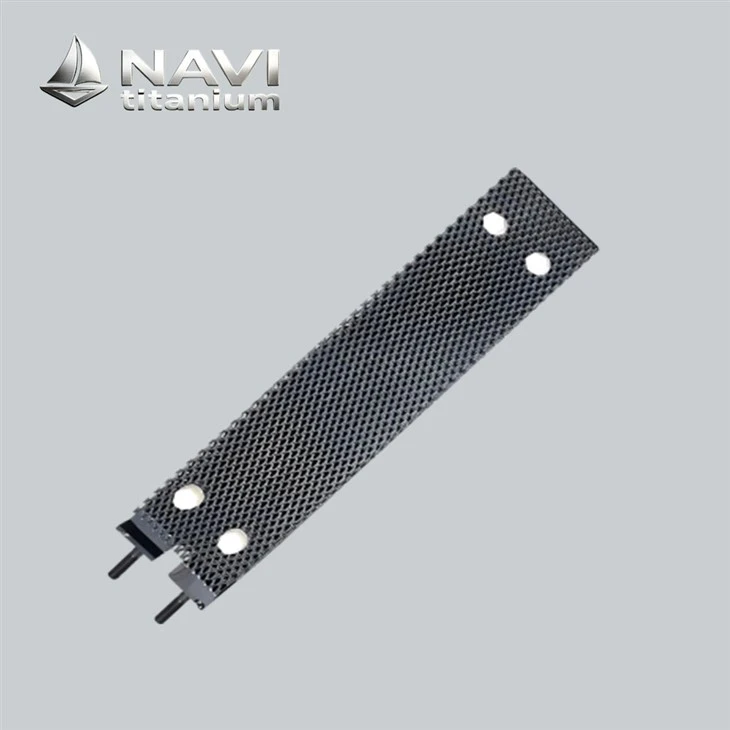
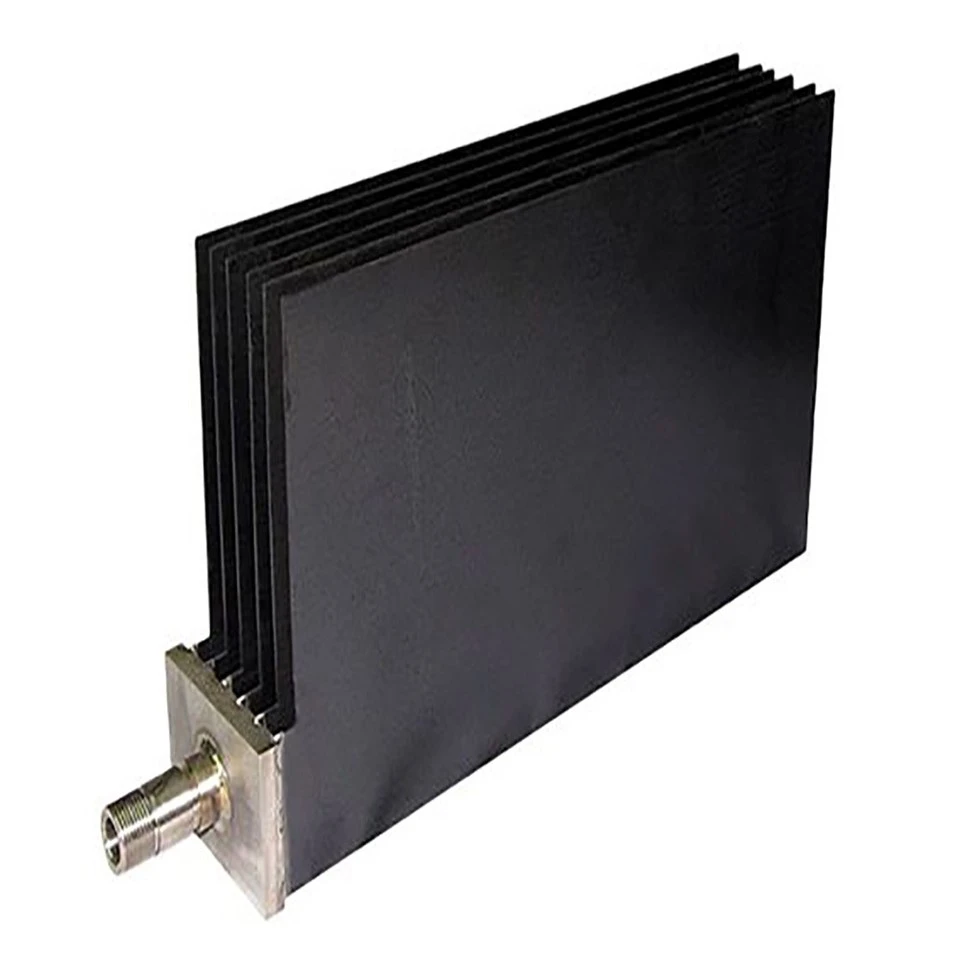
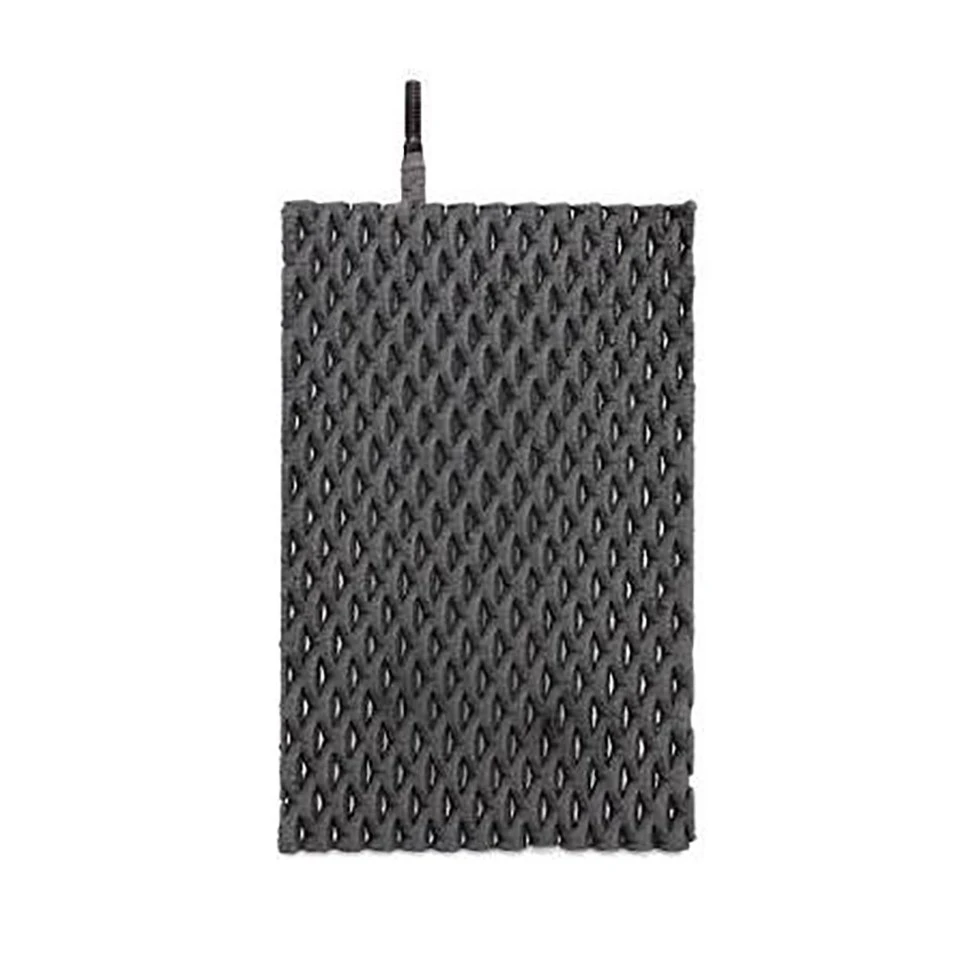
This image illustrates the electrochemical configuration supplied by NAVI Titanium. From an academic perspective, the visual emphasizes geometric uniformity, exposed reactive area, and interface configuration, which are closely associated with current distribution and oxidation kinetics.


Application
NAVI Titanium PbO2 anode supports high-potential electrochemical oxidation for refractory organic removal and demanding effluent treatment across plating and surface-finishing processes.
Electro-oxidative is increasingly applied to streams containing high chemical oxygen demand, refractory organics, and compounds that resist conventional biological treatment. NAVI Titanium provides configurations for systems where hydroxyl radicals and other reactive intermediates can attack aromatic rings, long-chain organics, phenolic compounds, dyes, and other persistent contaminants, progressively converting them into smaller molecules and, under suitable operating service states, ultimately toward carbon dioxide, water, and inorganic species.
For high-COD streams, practical performance depends not only on oxidation potential but also on current distribution, exposed area, electrolyte conductivity, mass transfer, and contaminant loading. Large-area configurations are therefore advantageous for continuous treatment units where hydraulic throughput and electrical utilization must remain balanced. Particular attention should be given to surface morphology, substrate preparation, active-layer adhesion, and dimensional consistency, since these factors affect gas evolution, local polarization, and long-term electrochemical response. Such configurations are applicable to centralized treatment lines, polishing stages, and dedicated oxidation cells handling chemically complex effluents.

2. Plating & Surface-Finishing Industries

Electrochemical treatment of effluents from plating and surface-finishing operations requires an anodic exterior capable of tolerating chemically aggressive electrolytes while sustaining high-potential oxidation. These streams may contain cyanide-related species, chelating compounds, surfactants, organic additives, and dissolved ionic contaminants, creating a demanding environment for prolonged electrolysis. A PbO2-based exterior is particularly suitable where strong oxygen-evolution characteristics are required and direct oxidation of persistent organic constituents is part of the treatment pathway.
Performance evaluation should consider electrolyte composition, acidity or alkalinity, conductivity, current loading, gas evolution, hydraulic residence time, and the concentration of interfering species. Localized current concentration can accelerate exterior consumption or create uneven reaction rates, making uniform current distribution an important consideration for larger cells. For continuous processing lines, the exposed area should be matched with cell volume, throughput, and electrical demand to maintain consistent treatment intensity. Proper substrate preparation, active-layer thickness, edge treatment, and connection quality are also important when the unit must operate through repeated electrolysis cycles under demanding chemical service states.
Purchasing guide

Quality control(QC)

| Titanium Base Material Suppliers: | Coating Precursor Suppliers: |
|
|
|


Manufacturing process

Global Orders
A low quoted unit price does not necessarily indicate the lower purchasing cost. For overseas sourcing, buyers should evaluate the complete landed cost.
Unit quotation: Compare prices under the same specification, quantity, inspection scope, and commercial terms.
Freight allocation: Small quantities can carry disproportionately high transportation charges, making freight per piece an important comparison factor.
Import-related charges: Duties, taxes, brokerage, and destination handling can materially alter the final acquisition cost.
Packaging requirements: Protective materials and dimensional packing can affect freightable volume and therefore transportation expense.
Cost per usable unit: A meaningful comparison should consider the final quantity received and accepted rather than the quoted factory figure alone. NAVI Titanium can provide the relevant order information for a clearer landed-cost comparison.

International Express for Samples, Small Batches & Urgent Spares

International express service is particularly valuable when a buyer needs a sample for qualification, a small quantity for pilot testing, or replacement parts to restore an operating system quickly. NAVI Titanium supports such requirements through suitable international express arrangements. Key considerations include:
Samples: Express dispatch allows technical teams to begin dimensional, exterior, and compatibility checks sooner.
Small batches: Suitable when only a limited quantity is required before a larger purchasing decision.
Urgent spares: Faster transportation can reduce downtime when an operating cell requires an immediate replacement.
Tracking visibility: Shipment tracking gives purchasers a clearer view of transit progress and expected arrival.
Documentation readiness: Commercial invoices, packing details, and other required export documents should be prepared consistently.
Destination planning: Delivery timing should be assessed together with customs clearance and local handover rather than relying solely on the carrier's transit estimate.
Manufacturing Capability
NAVI Titanium provides PbO2 anode solutions focused on scalable oxidation performance, consistent electrical transfer, and dependable operation in demanding electrochemical systems.
Laboratory trials often show impressive COD reduction because small cells provide favorable mass transfer, short diffusion paths, relatively uniform current distribution, and close control of electrolyte composition. After scale-up, however, these advantages may disappear. A larger reactor introduces longer hydraulic paths, uneven flow fields, concentration gradients, gas accumulation, and greater variation in local current density. Consequently, the nominal current applied to the system may not produce the same effective oxidation environment observed during bench testing. For high-COD effluents, the reaction rate can become limited by contaminant transport rather than electrochemical kinetics. Lead anode spacing, active area, liquid circulation, residence time, conductivity, and current loading therefore need to be reassessed rather than simply multiplied from laboratory values. For resource-recovery cells, similar scale effects may alter ion transport and deposition behavior. A successful scale-up should compare current density, volume-to-area ratio, hydraulic residence time, voltage, energy consumption, and COD removal under matched service states. This approach helps distinguish intrinsic electrochemical performance from reactor-level limitations. NAVI Titanium can support this evaluation with application-specific configuration guidance.

Electrical Connection Quality

Electrical connection quality is frequently overlooked when evaluating long-duration electrochemical systems. Even when the active exterior performs as expected, excessive contact resistance at the connection point can reduce effective current transfer and create localized heating. Connection area, contact pressure, conductor dimensions, and exterior service state all affect electrical continuity between the power source and the active exterior. In larger cells, busbar connection becomes particularly important because current must pass through multiple interfaces before entering the reaction zone. An undersized connection or poorly prepared contact can produce uneven current distribution, localized temperature rise, and unnecessary voltage demand. Connection corrosion is another concern, especially where acidic electrolytes, moisture, or oxygen evolution are present near conductive interfaces. For systems used in electro-oxidative or resource recovery, inspection should therefore extend beyond the visible reactive exterior. Contact resistance, connection-area service state, conductor alignment, fastening quality, insulation clearance, and continuity testing should be considered during installation and periodic maintenance. NAVI Titanium can provide connection specifications according to the application requirements.
Coating Cracking and Localized Performance Loss
For a PbO2 anode, coating cracking is a progressive failure mode closely associated with mechanical stress, thermal mismatch, gas evolution, and repeated electrochemical cycling. Repeated oxygen evolution may intensify tensile loading, while drying, start–stop cycles, and local temperature variation can further promote crack initiation. Once microcracks form, electrolyte penetration toward the underlying substrate becomes easier, creating localized corrosion and weakening interfacial adhesion. Crack growth can then expose fresh substrate areas, alter local current density, and produce uneven reaction kinetics across the active exterior. The resulting sites may exhibit accelerated material loss, increased polarization, abnormal gas release, and declining current efficiency. From a failure-analysis perspective, crack density, crack width, penetration depth, interfacial adhesion, and the distribution of exposed substrate should therefore be examined together rather than evaluating exterior appearance alone. Microscopic inspection combined with electrochemical testing can help distinguish superficial cracking from defects capable of accelerating progressive degradation during prolonged operation. NAVI Titanium can assess these characteristics through appropriate inspection methods.

FAQ
1. What dimensional tolerances can be maintained for fabrication?
+
-
Dimensional tolerances can be specified according to the installation requirements, including overall length, width, thickness, hole position, connection location, and other critical dimensions. Tolerance ranges can be confirmed before production to ensure proper fitting with the customer's existing cell configuration.
2. How is the substrate prepared before PbO₂ coating?
+
-
Surface preparation generally includes cleaning, degreasing, mechanical or chemical treatment, and controlled exterior activation. The purpose is to remove contaminants and establish an appropriate interface for subsequent PbO₂ deposition. Substrate preparation is particularly important because insufficient surface treatment may promote poor adhesion, localized cracking, or premature surface separation.
3. What connection configurations are available?
+
-
Different connection arrangements can be provided according to the customer's cell configuration, including threaded connections, welded terminals, drilled connection areas, and extended conductive sections. Connection dimensions, position, orientation, and contact area can be specified before production to facilitate installation and minimize modification at the customer's site.
4. How are exterior cracks or coating defects evaluated?
+
-
Surface inspection can include visual examination, dimensional verification, microscopic observation, and adhesion assessment where required. Fine exterior irregularities should be distinguished from defects that penetrate toward the substrate. For critical orders, inspection criteria can be agreed in advance so that acceptance is based on defined technical requirements rather than appearance alone.
5. Can PbO₂ coating specifications be adjusted for different cell configurations?
+
-
Yes. The PbO₂ layer can be specified according to substrate dimensions, exposed surface area, connection arrangement, and installation requirements. Different layer specifications may also be considered when mechanical stress, gas evolution, or particular operating characteristics need to be addressed. Technical drawings and dimensional requirements can be reviewed before production to establish the appropriate configuration.
Hot Tags: pbo2 anode, China pbo2 anode manufacturers, suppliers, factory


