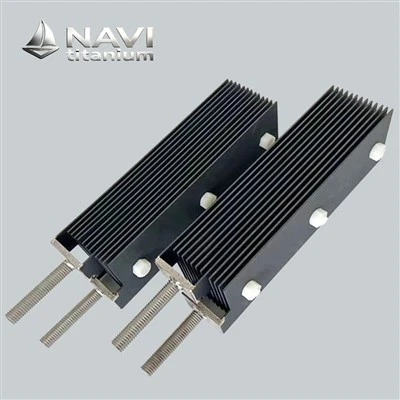


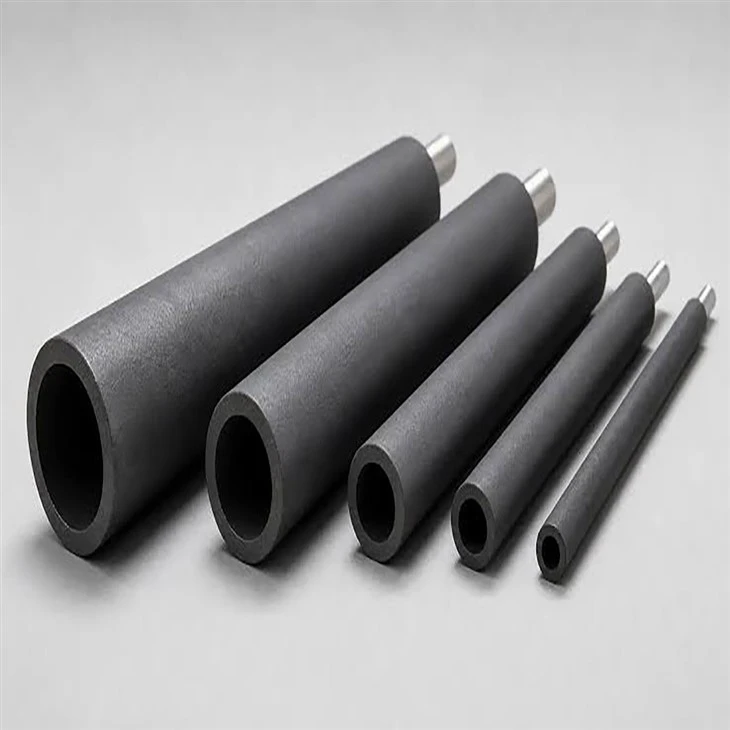
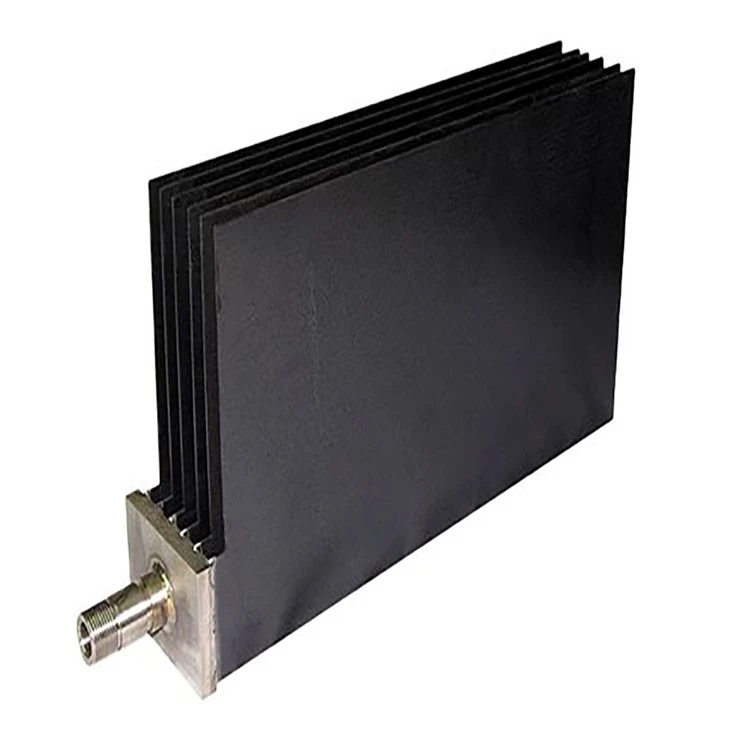
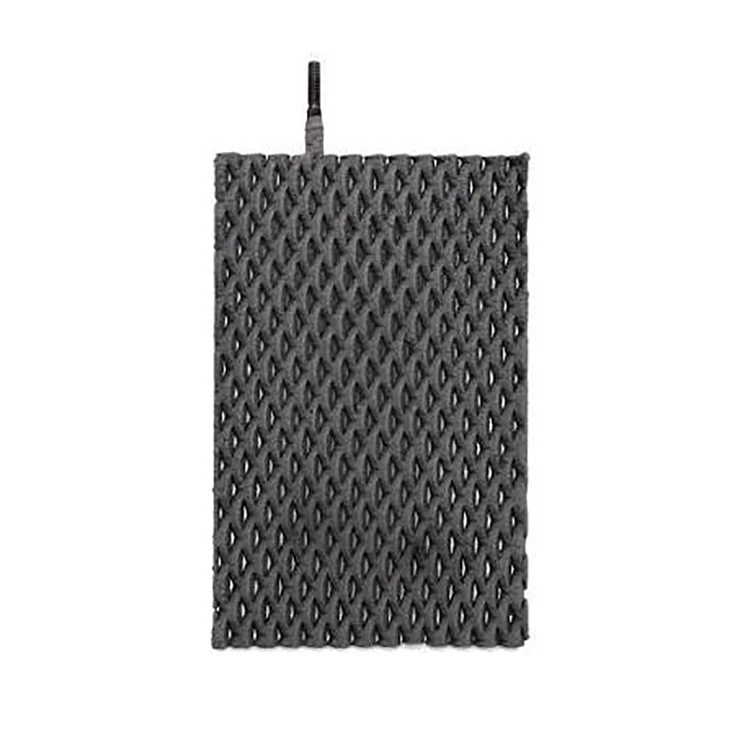
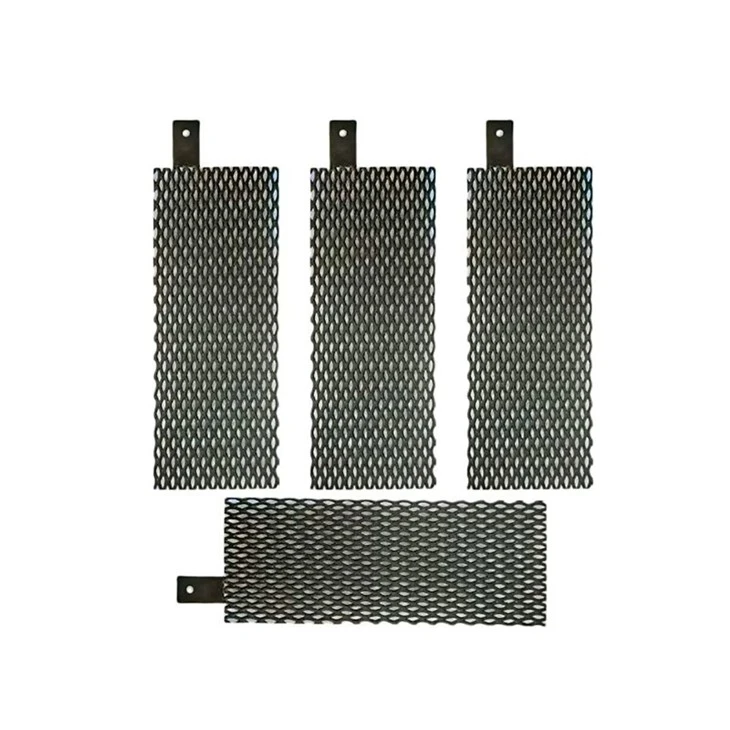
NAVI Titanium provides lead anode units for specialized electrolytic processes, with dimensional options suited to varied cell layouts and purchasing specifications. Clients can request pre-dispatch checks, supporting approval and traceability across purchasing and quality teams. Over 20 technologies have been granted utility model and design patents by the China National Intellectual Property Administration (CNIPA). These credentials, together with documented inspection practices and responsive technical communication, provide clearer reference points for project evaluation, repeat orders, and long-term cooperation directly.

Solution of NAVI Titanium


NAVI Titanium offers PbO₂-based positive electrodes for challenging oxidation and resource-recovery conditions. Extensive studies have focused on phase characteristics, surface topography, reaction kinetics at the interface, deterioration mechanisms, and substrate matching.


Application
Lead anode emerged from chlor-alkali and electrochemical studies, later gaining attention where anodic oxidation and high corrosion resistance were required.
Industrial wastewater treatment requires an lead tin anode capable of sustaining high anodic potentials while maintaining catalytic activity under chemically aggressive conditions. Clients typically seek efficient degradation of refractory organics, stable current efficiency, predictable operating characteristics, and controlled anodic body consumption over extended service periods. Optimization therefore focuses on balancing oxygen evolution kinetics with pollutant oxidation pathways while maintaining sufficient electrochemical surface activity throughout continuous operation.
Anodic body geometry, active-area distribution, current density, substrate compatibility, electrolyte conductivity, and reactor volume should be evaluated collectively before project implementation. Properly matched operating parameters can promote hydroxyl-radical generation, enhance contaminant conversion, and limit excessive energy demand. For B2B projects, buyers should also consider influent composition, organic loading, chloride concentration, pH range, and expected operating hours. These factors provide a practical basis for selecting anodic body dimensions and quantity. Clear operating data also helps vendors assess replacement intervals, maintenance requirements, and long-term operating economics before large-scale procurement.

2. Metal Electrowinning and Resource Recovery

Metal electrowinning and resource recovery demand an PbO2 anode system capable of maintaining stable electrochemical surroundings throughout prolonged deposition cycles. Clients generally prioritize predictable current efficiency, controlled cell voltage, dimensional consistency, corrosion resistance, and compatibility with acidic or highly conductive electrolytes. Industry limitations arise from degradation, electrolyte impurities, uneven current distribution, polarization effects, and parasitic reactions that can increase energy demand or compromise deposit quality. Engineering thinking therefore emphasizes the relationship between anodic body geometry, exposed area, current density, electrolyte circulation, and reaction kinetics. An appropriate configuration should minimize localized current concentration while sustaining efficient anodic reactions and mechanical integrity. Careful matching of anodic body dimensions and operating conditions can support consistent metal deposition, improve energy utilization, and facilitate the recovery of valuable metals from increasingly complex secondary resources.
Correctly matched dimensions and operating parameters can promote uniform deposition, improve energy utilization, and support consistent recovery results.
Purchasing guide

Quality control(QC)

| Titanium Base Material Suppliers: | Coating Precursor Suppliers: |
|
|
|


Manufacturing process

Field Data Recording
For B2B purchasing, one delivery date is often not enough to support inventory planning, project scheduling, or production coordination. A clearer timeline should begin with Order Confirmation, when specifications, quantity, payment terms, and the agreed schedule are finalized. The next milestone is Production and Quality Check Completion, indicating that the ordered goods have passed the vendor's final inspection and are ready for the next stage. This should be followed by Packing and Loading Completion, when the quantity, package marks, dimensions, and outer protection have been confirmed. After that comes Export Declaration and Carrier Handover, covering document preparation, cargo pickup, origin handling, and transfer to the selected carrier.
The next milestone is the Vessel or Flight Schedule, which determines when the cargo is expected to depart and begin its main journey. Separating these points helps buyers identify whether a delay comes from order confirmation, production, packing, export handling, or carrier scheduling. For recurring orders, these milestones also provide a clearer basis for internal planning and communication among procurement, finance, warehouse, logistics, and project teams.

From Carrier Departure to Customer Receipt

The final part of the timeline begins after the vessel or flight departs. Destination Customs Clearance is a separate milestone because the cargo may arrive at the destination port or airport before import formalities are completed. Once clearance is released, Last-Mile Delivery moves the cargo from the destination facility to the buyer's warehouse, distribution center, or project location. This is why production completion and client receipt are not the same date. Production completion means NAVI Titanium has finished the ordered goods and released them for the next logistics stage. Commercial partner receipt occurs only after packing, origin handling, carrier movement, destination processing, clearance, and final transportation have been completed.
For example, a vendor may state that an order requires 20 days for production, while the buyer may need several additional weeks before the goods are physically available at the receiving location. Treating these events as separate milestones gives purchasing teams a more realistic view of the complete timeline and helps them arrange inventory levels, installation dates, project schedules, and replenishment orders with greater clarity.
Electrochemical Advanced Oxidation for Wastewater Treatment
Lead anode are developed for demanding electrochemical applications, particularly oxidation treatment and resource recovery through electrowinning. NAVI Titanium provides these electrodes with attention to project-specific operating requirements.
A lead coating anodic body is applied at the positive side of an electrochemical cell, where water-derived hydroxyl species and other reactive intermediates can be generated under suitable operating parameters. These active species attack refractory organic compounds and promote their conversion into smaller molecules, carbon dioxide, and other final products.
From a B2B perspective, selection should be based on wastewater composition rather than anodic body appearance alone. Chloride concentration, pH, organic loading, temperature, flow rate, current density, and treatment duration can all affect operating results. For project procurement, buyers should provide representative wastewater data and expected throughput so NAVI Titanium can recommend an appropriate configuration. This approach helps reduce trial-and-error during commissioning and provides a clearer basis for estimating power consumption and replacement frequency.
For continuous treatment facilities, attention should also be given to connection methods, cell dimensions, electrical matching, maintenance access, and compatibility with existing treatment lines. These details directly affect installation time and subsequent operating management.

Project Matching & Procurement Considerations

In electrowinning applications, a lead oxide anode can be used as the positive anodic body in systems intended to recover valuable dissolved species from process liquors. The objective is to support controlled deposition at the negative side while maintaining suitable electrochemical conditions throughout the cell. For buyers, the key factors include target species, liquor composition, concentration range, acidity, temperature, throughput, current density, and required recovery rate.
Different recovery projects may involve copper-free or copper-containing liquors, nickel-bearing streams, zinc-related solutions, or other resource-bearing process liquids. Because each liquor has different chemical characteristics, anodic body selection should follow actual operating data instead of relying on a standard specification. During technical discussions, purchasers can provide laboratory results, expected daily throughput, target recovery percentage, cell dimensions, and operating voltage. NAVI Titanium can then assess whether the proposed configuration matches the intended process.
For engineering contractors and plant operators, purchasing decisions often involve more than initial quotation.
Product Progress
Lead anode are applied in electrolytic cells where controlled oxidation occurs at the positive interface. During operation, the anodic body potential governs oxygen evolution, surface hydroxyl generation, and competing oxidation pathways. For wastewater treatment, these reactive species can attack persistent organic molecules, promoting bond cleavage, intermediate conversion, and eventual mineralization. For resource recovery, anodic reactions maintain charge balance while targeted species undergo reduction and deposition at the negative side. From a process perspective, current density, cell voltage, electrolyte conductivity, acidity, temperature, circulation rate, and anodic body spacing must be evaluated as a coupled system. Excessive potential may intensify parasitic reactions and raise energy demand, whereas insufficient polarization may limit reaction kinetics. Therefore, process assessment should begin with the chemical composition of the electrolyte, expected throughput, target conversion rate, and operating cycle. This provides a scientific basis for NAVI Titanium in selecting exposed area, dimensions, connection positions, and anodic body quantity according to actual project requirements.

Innovation → Result: Performance Optimization

Process innovation focuses on controlling interfacial electrochemistry rather than simply increasing applied electrical input. Adjusting exposed area, current distribution, surface activity, anodic body spacing, and electrolyte circulation can modify mass transfer and local reaction kinetics. For wastewater applications, this approach can promote reactive-species generation while suppressing unnecessary oxygen evolution, supporting higher contaminant conversion with moderated energy demand. In electrowinning, optimized current distribution can reduce localized polarization and encourage more uniform deposition at the negative electrode. From a B2B perspective, the final result should be evaluated through measurable indicators such as current efficiency, cell voltage, conversion rate, recovery rate, energy consumption, electrode consumption, and replacement interval. Laboratory validation followed by pilot-scale assessment can reveal whether a selected configuration remains effective as throughput increases. Such process-to-result evaluation enables NAVI Titanium purchasers to compare alternatives using quantified operating data rather than initial purchase price alone, supporting lifecycle cost analysis and more informed project decisions.
FAQ
1. What information should I provide when requesting a quotation?
+
-
For an accurate quotation, buyers should provide the application, electrode dimensions, required quantity, cell dimensions, connection requirements, electrolyte composition, operating current or current density, voltage range, temperature, acidity, expected throughput, and target service period.
2. Can the Dimensions and Connection Details Be Customized?
+
-
Yes. Dimensions, thickness, connection locations, terminal configuration, and overall geometry can be adjusted according to the buyer's cell or installation requirements. For replacement orders, matching the original dimensions can simplify installation and reduce modification during commissioning.
3. How Do I Select the Appropriate Size for My Project?
+
-
Buyers should therefore provide the cell dimensions, operating parameters, quantity required, and installation arrangement. Based on these details, the supplier can recommend suitable dimensions and quantities rather than relying on a standard specification.
4. What Quality Checks Should Be Confirmed Before Shipment?
+
-
B2B buyers may request dimensional inspection, visual examination, connection verification, weight checks, and relevant material documentation. For larger orders, inspection records can be prepared according to agreed acceptance criteria. Key dimensions, terminal locations, surface condition, quantity, and identification should be checked before dispatch. Establishing these requirements before production gives both parties a clear reference for final acceptance and helps reduce disputes caused by specification differences.
5. How Can I Manage Repeat Orders for the Same Specification?
+
-
For recurring purchases, buyers should keep a confirmed specification covering dimensions, connection details, quantity, inspection requirements, and acceptable tolerances. Maintaining the same reference information for subsequent orders can reduce repeated technical communication and simplify purchasing approval.
Hot Tags: lead anode, China lead anode manufacturers, suppliers, factory, DSA Anode, Titanium Anode Group, Titanium Anode Rod, Titanium Anode Rod for Water Heater, Titanium Electrodes for Electrolysis, Titanium Mesh Electrode